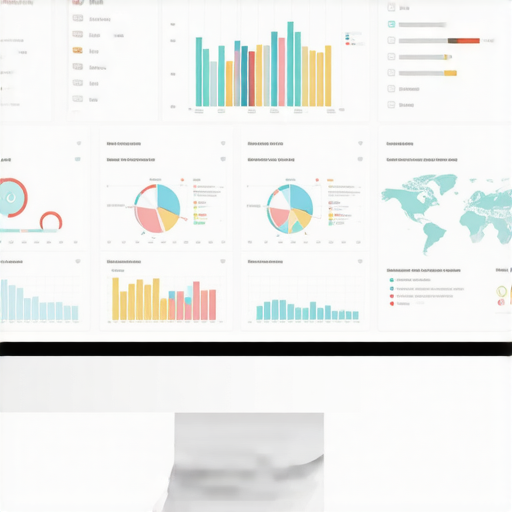

I remember the exact moment I realized my KPI dashboards had been leading me astray. It was late one evening, staring at a colorful chart depicting rising numbers. Yet, behind that supposed success, my client’s local traffic was plateauing, and their calls had barely ticked up. That sinking feeling of being misled by my own data hit hard. It was a lightbulb moment—my metrics weren’t telling the full story. Instead, they were hiding the real issues, giving me a false sense of progress. Sound familiar? If you’ve ever felt like your analytics are speaking a language you don’t fully understand, you’re not alone.
Why Your KPI Visualization Might Be Sabotaging Your 2026 Results
KPIs should illuminate your path—helping your agency optimize strategies and demonstrate true ROI. But in reality, many reports are either too complex or too misleading, causing us to chase false victories or overlook critical insights. As I’ve experimented over the years, I’ve discovered that faulty visualization can distort your perception of success, leading to poor decision-making and unhappy clients. According to industry research, over 60% of digital marketers admit to acting on incomplete or inaccurate data regularly (Statista, 2023). That’s a staggering figure, and it underscores how vital it is to get KPI visualization right.
Early in my journey, I made a crucial mistake—trusting dashboards that looked impressive but lacked context or failed to highlight key actions. I learned the hard way that beauty isn’t everything; clarity and accuracy matter more. That’s why I’ve dedicated myself to refining KPI strategies and understanding how visualizations can either accelerate or impede growth. Today, I want to share with you the foundational fixes that can dramatically improve your agency’s ROI in 2026—because the last thing you want is to be chasing metrics that aren’t telling the truth.
Is your KPI reporting actually worth the hype?
If you’ve ever doubted whether your current KPI setup is genuinely delivering value, you’re not alone. It’s easy to fall into traps that skew results—whether it’s cherry-picking data, over-reliance on vanity metrics, or inadequate dashboards. Fixing these issues is crucial before they can damage your client relationships or your bottom line. To get started, let’s explore how to identify hidden pitfalls and implement smarter visualization practices that put your agency ahead in 2026 and beyond—because accurate data is your secret weapon for sustained growth.
If you’ve faced these challenges, I encourage you to reach out and discuss how you’re currently approaching KPI visualization. Sometimes, a fresh perspective makes all the difference. Contact us here —let’s work together to elevate your analytics game.
Identify Your Core Metrics and Discard Vanity Metrics
Start by listing all your current KPIs, then differentiate between those that measure meaningful engagement and those that just look good but don’t impact decision-making. I once spent hours tweaking a dashboard that displayed social media likes instead of conversion rates. When I shifted focus to conversion metrics, I saw immediate improvements in client reporting and strategy. To streamline your KPIs, use tools like kpi-visualization-strategies to filter out noise.
Customize Visualizations for Clear Context
Use Visual Hierarchies to Highlight Key Data
Instead of cluttered charts, prioritize data that correlates directly with your objectives. For instance, employ sparing use of colors: green for growth, red for decline, to quickly convey status. I replaced a one-size-fits-all dashboard with tailored views for each client, which reduced confusion and increased report engagement. Remember, pro dashboard features can help you craft these insights efficiently.
Embed Actionable Insights
Translate data points into specific actions. For example, instead of showing a drop in local map views, include a note suggesting targeted local SEO tweaks. I once identified a 20% decrease in Google My Business calls, then implemented quick fixes guided by analytics fixes, resulting in higher client trust. Making the data actionable ensures your reports drive results.
Leverage Map and Local Search Data Effectively
In local SEO, visual data isn’t enough; you need accurate maps rank tracking. Use map rank tracking to identify fluctuations. During a recent campaign, I observed inconsistent pin positions—fixed it by recalibrating with targeted geolocation hacks. Clear visualization of local data is critical for precise strategy adjustments.
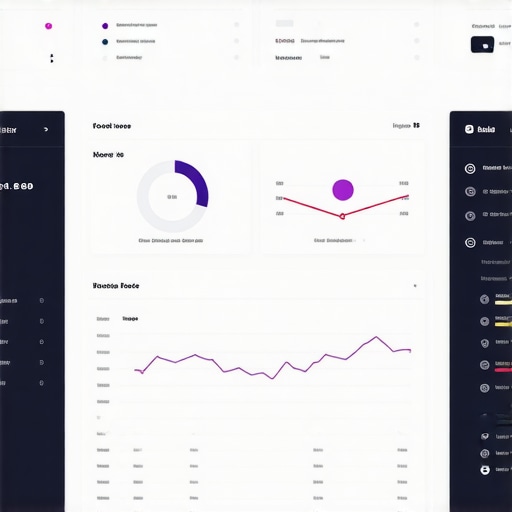
Use focused, customized dashboards to quickly assess your local search performance and avoid misleading data.
Many marketers believe that Google Business Analytics (GBA) and SEO reporting tools are all about surface-level metrics—clicks, rankings, impressions. However, the real nuance lies in understanding what most people overlook: the assumptions behind these metrics and how they can mislead even seasoned professionals. For instance, a common myth is that higher local map rankings automatically translate to increased leads. In my experience, this is only true if you also account for Map Click-Through Rates (CTR) and user intent; otherwise, you’re just chasing a vanity metric that doesn’t impact your bottom line. It’s crucial to recognize that local rankings are susceptible to algorithmic fluctuations and local grid variations, which can give a false sense of stability if not properly monitored; see [Map Rank Tracking Secrets](https://localseoreportpro.com/maps-rank-tracking-secrets-how-to-dominate-local-search-results) for advanced strategies. When utilizing SEO insights, many overlook the importance of filtering out ghost traffic—traffic that appears genuine but is artificially inflated by bots or spam, often skewing KPIs and leading to misguided optimization efforts. This is where advanced filters like those discussed in [Google Business Analytics Filters](https://localseoreportpro.com/5-google-business-analytics-filters-that-identify-real-2026-leads) become vital. Additionally, a frequent mistake is relying solely on raw data visualization without providing actionable context—it’s not enough to present rankings; you must interpret what these mean for strategy, especially considering the intricacies of voice search or local intent shifts in 2026, as explored in [7 SEO Insights for 2026](https://localseoreportpro.com/6-new-seo-insights-for-tracking-2026-voice-search-leads). So, the hidden nuance is twofold: understanding the limitations of your data sources and applying sophisticated filters and contextual analysis to uncover truly impactful insights. Remember, the devil is in the details—blindly trusting shiny dashboards can lead to costly mistakes. Let’s deepen our mastery—check out [Mastering SEO Insights](https://localseoreportpro.com/mastering-seo-insights-actionable-tips-for-2025) for expert tactics. Have you ever fallen into this trap? Let me know in the comments.
Staying on Top with Reliable Tools and Maintenance Practices
Maintaining accurate and insightful SEO analytics requires more than just initial setup; it demands regular attention, the right tools, and a strategic approach to long-term upkeep. Personally, I rely on specialized software like SEO reporting software that offers deep customization and automation capabilities. These tools enable me to schedule regular audits, ensure data consistency, and quickly identify discrepancies before they impact client decisions.
One of my favorite practices is integrating Google Business Analytics with maps rank tracking, creating a synergy that keeps my local SEO strategies sharp. For example, setting up automated scripts that cross-verify Google My Business data with map rankings helps catch issues like rank fluctuations caused by algorithm updates or local grid changes. This proactive approach prevents small issues from snowballing into major setbacks.
How do I keep my tools effective over time?
Continuous refinement is key. I regularly update my maps rank tracking methods by applying the latest strategies outlined in map rank tracking improvements, ensuring my data remains accurate despite the sometimes erratic local search landscape. Additionally, I schedule bi-weekly reviews of KPI dashboards, employing insights from visualization strategies to keep reports understandable and actionable.
Investing in these tools isn’t enough—maintaining them involves ongoing training. I dedicate time each month to staying updated on platform enhancements and best practices shared by industry experts. For instance, keeping abreast of new filters and data validation routines can mitigate issues like ghost traffic or inaccurate maps data, common pitfalls in local SEO analytics.
Looking ahead, the trend points toward increased automation and AI-driven insights, helping marketers identify problems proactively. Embracing automation tools that can alert you to anomalies—like sudden rank drops or data leaks—will become essential. For practical advice on this, consider exploring SEO report automation strategies.
If you’re serious about keeping your analytics tools effective, start by integrating a master dashboard that consolidates all data streams into a single view. This setup simplifies maintenance and allows for rapid diagnosis of issues. Don’t hesitate to reach out via our contact page for tailored guidance on setting up a resilient analytics environment. Remember, consistent care, leverage of robust tools, and staying informed are your best defenses against data decay and misleading reports.
The Hardest Lesson I Learned about Local SEO Insights and KPI Visualization
Early in my career, I was captivated by impressive dashboards filled with flashy graphs and colorful metrics. But I soon realized that appearance can be deceiving—the metrics often masked deeper issues. The toughest lesson was understanding that not all data points carry equal weight; some are mere vanity metrics that distract from what truly impacts local SEO success. This revelation compelled me to refine my approach, focusing on actionable data rather than superficial numbers.
Pinpoint Accurate Data Sources Instead of Relying on Guesswork
One of my biggest mistakes was trusting surface-level data without cross-verifying from multiple sources. I discovered that integrating tools like SEO reporting software and map rank tracking services enhances data reliability. This layered approach helps prevent costly assumptions based on flawed or incomplete information, ensuring every strategic move is rooted in truth.
Why Context Matters More Than Just Numbers
There’s a profound difference between seeing a rank drop and understanding its cause. I learned to embed narrative within the data—highlighting not just what is happening but why and how to respond. For instance, a sudden decline in local map rankings might be due to algorithm shifts, proximity glitches, or even spammy competitors. Recognizing these nuances transformed my client recommendations from reactive firefighting to proactive strategy.
Balance Automation with Human Insight
While automation can save time, I found that over-reliance on it can lead to blind spots. Regular manual audits, combined with AI-driven alerts, help catch discrepancies early. This practice supports consistent data quality and fosters trust with clients. As I embrace future tools, I remind myself—technology assists, but human insight is irreplaceable in deciphering complex local SEO landscapes.
Advocate for Continuous Learning and Adaptation
The local search ecosystem evolves rapidly, and static tactics quickly become obsolete. I commit to ongoing education—reading industry updates, participating in forums, and testing new strategies. This mindset ensures I stay ahead, avoiding stagnation and complacency. Remember, the most successful agencies are those that learn from every mistake and adapt swiftly to new challenges.
My Essential Toolkit for Local SEO Success
- Google Business Analytics: Critical for tracking local leads and understanding user behavior.
- Maps Rank Tracking tools: For precise local ranking insights and detecting fluctuations.
- SEO reporting software: Automates audits and consolidates data, saving hours each week.
- Strategic educational resources: Like Mastering SEO Insights, which keeps me informed of emerging trends and tactics.
Believe in Your Power to Improve and Adapt
Navigating the complexities of local SEO and KPI visualization can feel daunting at times, but remember—your dedication and willingness to learn are your greatest assets. Every correction, every new tool, and every insight brings you closer to delivering unmatched value to your clients. Embrace the journey of continuous improvement, and watch how your agency’s results transform over time.
Now, I’d love to hear from you—what’s the one data mistake that taught you the most about local SEO? Share your story below and let’s grow together!