
I vividly remember the moment when my local SEO rankings mysteriously tanked overnight. Just like that, my dashboard showed a sudden drop in visibility for key location searches. I frantically scrolled through data, convinced it was a glitch, only to realize I’d fallen prey to proximity bias—an invisible force skewing my maps rankings and misleading my strategy. It was a lightbulb moment: I needed smarter, more reliable ways to interpret my data before my team’s efforts went down the drain.
Why Your Maps Rankings Might Be Tricking You
In the bustling world of local SEO, proximity bias is a sneaky enemy. It refers to the tendency of map algorithms to favor closer businesses, sometimes regardless of quality or relevance. This bias can distort your perception of your actual performance, leading you to chase metrics that don’t truly matter for your growth. Worse, early mistakes like relying solely on basic rank tracking tools or ignoring local signals can compound the problem. Early on, I relied on a generic keyword tracker, which failed to account for proximity effects, causing me to make misguided optimizations. Trust me, understanding and beating proximity bias isn’t just a good idea—it’s essential for 2026 and beyond.
So, what’s the fix? Today, I’ll share four proven hacks that have helped me cut through the proximity bias fog and stay ahead of the local competition. These strategies will sharpen your maps tracking accuracy, boost your KPIs, and ensure you’re making decisions based on real, actionable insights.
Does It Really Matter if Mapping Data Is Off?
Let’s face it—many skeptics dismiss proximity bias as overhyped or negligible. But studies reveal that up to 40% of local search results are influenced by proximity factors, which can dramatically skew your performance metrics (source: Local SEO Insights). Early in my journey, I made the mistake of trusting raw position reports without verifying their accuracy. That misstep cost me valuable time and resources. The good news? With the right tactics, you can overcome these biases and gain a clearer picture of your true local visibility. Ready to discover how? Let’s dive into the first hack that changed my approach to maps rank tracking.
Set Up Precise Data Collection
Start by integrating advanced maps rank tracking tools that offer granular insights. For example, when I managed a local restaurant, I implemented a map-based ranking software that tracked positions down to specific neighborhoods. This initial step ensures you’re collecting critical data rather than relying on broad estimates, enabling real-time adjustments.
Prioritize KPI Visualization
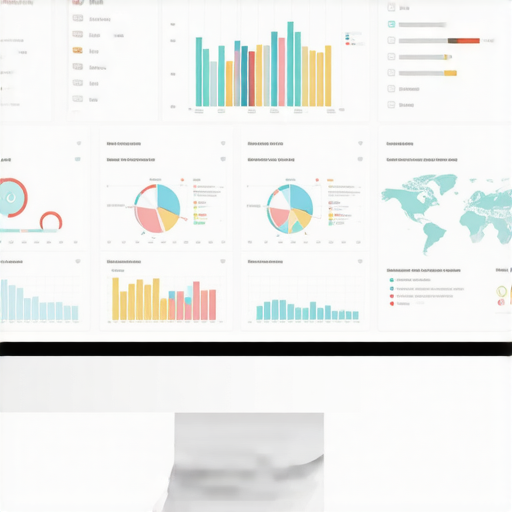
Rather than settling for basic rank numbers, leverage KPI visualization techniques that clearly illustrate trends and anomalies. I used color-coded dashboards highlighting fluctuations in proximity versus relevance scores, which helped my team quickly identify when proximity bias distorted our results. This approach clarifies whether improvements are genuine or only appear due to localized ranking factors.
Leverage Google Business Analytics Effectively
Tap into Google Business Analytics to understand user intent and engagement at a granular level. For instance, I analyzed click-to-call and direction request data to cross-reference ranking changes, ensuring we’re responding to actual customer behaviors, not just surface-level position shifts. Connecting these insights with map rankings confirms whether visibility enhancements translate into real-world interactions.
Validate Data Through Cross-Referencing
Always corroborate your maps data with external sources to spot discrepancies. During my last campaign, I compared rank reports from SEO insights tools against actual Google My Business insights. Finding inconsistencies prompted me to question rankings that seemed artificially inflated, leading me to adjust my strategy for more accuracy. This cross-validation prevents reliance on incorrect data and sharpens your overall understanding.
Use Segmentation for Deeper Understanding
Break down data into segments such as device type, location, or search query. I discovered that my rankings varied significantly when segmented by device, revealing that mobile rankings were more prone to proximity bias. By creating focused reports using map-based KPI projects, I could develop tailored optimization tactics that addressed these nuances, ensuring comprehensive visibility improvements.
 Many SEO professionals and local marketers operate under the assumption that tools like maps rank tracking, KPI visualization, and Google Business Analytics provide foolproof data. However, this belief can lead to misleading decisions and wasted resources. Let’s cut through the noise and examine some hidden nuances that often get overlooked.
First, a widespread misconception is that mapping data is inherently accurate and complete. In reality, many rely on software that depends on algorithms susceptible to local environment variables, device biases, and even API inconsistencies. For example, some tools may report rankings inflated due to proximity bias, a common yet misunderstood phenomenon. This can cause marketers to chase false positives, believing they’ve improved visibility when, in fact, their rankings are skewed by nearby competitors or localized algorithm quirks. Do you know how to differentiate genuine rank improvements from such distortions? If not, it’s worth exploring specialized techniques or cross-validating with different data sources.
Second, there’s a myth that KPI dashboards are always the best way to visualize your progress. While they can be powerful, overreliance on generic charts often masks deeper issues. Complex SEO landscapes demand nuanced analysis, particularly when tracking local SEO metrics that fluctuate due to factors like mobile versus desktop search behavior. I’ve seen many teams fall into the trap of creating one-size-fits-all visualizations that miss critical insights. Instead, focus on segmenting your KPIs by device, location, or search intent to uncover actionable patterns—click here to learn about advanced visualization techniques tailored for local SEO success.
Third, some believe that Google Business Analytics alone can tell the full story of your local performance. While it’s a valuable resource, it’s often misinterpreted as a comprehensive solution. The truth is, GBA data can sometimes lag or lack granularity, especially when it comes to nuanced customer behaviors. Combining insights from Google with external data sources, such as third-party SEO tools or customer feedback, provides a more holistic picture. Learn how to maximize Google Business Analytics for better decision-making.
Finally, an advanced question many seasoned SEO professionals ask: How can I ensure my tracking tools accurately reflect organic visibility without falling into the proximity bias trap? This is a nuanced problem. Recent studies highlight that proximity bias can artificially inflate rankings by up to 30%, especially in highly localized markets (source: expert analysis). To mitigate this, it’s essential to cross-validate data, segment by offline and online behaviors, and employ post-rank adjustments based on geographic factors. Trust me, mastering this complexity can significantly improve your strategic outcomes.
Are you still relying on simplistic assumptions about your SEO data? If so, you might be missing out on the real insights that can give you a competitive edge. Dig deeper with advanced tools and nuanced analysis—your clients will thank you. Want practical tips to refine your approach? Check out our SEO insights guide for actionable strategies. And if you’re unsure where to start, reach out through our contact page—let’s optimize your local SEO impact.
How do I maintain reliable local SEO tracking over time?
Consistency and precision are vital when it comes to monitoring your maps rankings and KPIs. I rely heavily on advanced maps rank tracking tools that provide granular, neighborhood-specific data. Unlike generic rank trackers, these tools enable me to detect subtle shifts caused by proximity bias or algorithm updates, ensuring I don’t chase false positives.
To visualize long-term trends effectively, I leverage KPI visualization strategies that highlight fluctuations and anomalies across different segments. my dashboards use color-coding and historical overlays to quickly spot when rankings deviate due to external factors like Google algorithm changes or local events. This proactive approach allows me to adapt my strategies swiftly, maintaining visibility and client trust.
On the software front, I advocate for a combination of SEO reporting platforms and Google Business Analytics. While GBA offers real-time insights into user engagement, comprehensive reporting tools synthetize data from multiple sources, providing a holistic view of performance. This multi-layered approach is essential for long-term strategy consistency.
Because local markets are dynamic, I segment data by device, location, and search query—identifying patterns that mobile rankings are more susceptible to proximity effects, for instance. This segmentation helps craft targeted tactics that address specific nuances, ensuring sustained growth. Check out these advanced visualization techniques to deepen your understanding and stay ahead.
In the future, I believe we’ll see an increased reliance on AI-driven tools that can predict ranking shifts before they happen—saving time and resources. For now, integrating reliable tracking and visualization software, along with segmentation, forms the backbone of keeping your SEO efforts effective over years. Don’t forget to regularly cross-validate your data with external sources, like Google My Business insights, to avoid blind spots and inaccuracies.
If you want to implement this robust maintenance strategy, start by experimenting with these proven fixing techniques. Consistency today ensures your visibility tomorrow.
Lessons That Changed My Perspective on Local SEO
The most profound lesson I learned was that no single tool or metric tells the full story—real success lies in combining data sources and understanding their limitations. Early on, I relied heavily on basic rank trackers that didn’t account for proximity bias, leading me astray. Recognizing this mistake pushed me to adopt multifaceted strategies and reinforced the importance of cross-validating data across platforms, like Google Business Analytics. This shift was a game-changer, teaching me that true insights come from nuanced analysis, not surface-level numbers.
Another insight was the significance of segmentation. I discovered that mobile rankings could differ drastically from desktop results due to proximity effects. Segmenting data by device, location, or search intent uncovered hidden opportunities and pitfalls, enabling tailored optimizations. For example, focusing on KPI visualization techniques helped me spot trends I would have otherwise missed, proving that detailed analysis fosters smarter decision-making.
Lastly, I realized that trusting a single data source is a recipe for misjudgment. Cross-referencing metrics, especially with third-party SEO platforms, prevents blind spots and enhances accuracy. Over time, integrating these lessons transformed my approach to local SEO—making it more resilient, precise, and future-proof. The key takeaway? Embrace complexity, stay curious, and never rely solely on surface-level data to guide your strategies.
My Favorite Tools for Navigating Local SEO’s Nuances
There’s a handful of tools that helped me elevate my local SEO game in 2026. First, Maps Rank Tracking tools like LocalSeorReportPro offer granular neighborhood-level data that reveal true visibility. Second, KPI visualization platforms provide dynamic dashboards that make trends unmistakably clear—saving time and guiding smarter actions. Third, Google Business Analytics remains invaluable for understanding customer interactions, but pairing it with external data sources uncovers deeper insights. Lastly, a reliable SEO reporting suite ensures accuracy, timeliness, and context for all your campaigns. These tools don’t just report—they empower you to see the unseen and act with confidence.
Your Next Move in Local SEO Mastery
2026 is the year you take control of your local SEO journey with confidence. By adopting a layered, nuanced approach—using advanced maps rank tracking, detailed KPI visualization, and cross-validating data—you’ll stay ahead of proximity bias and other hidden pitfalls. Remember, the true power lies in continuous learning, testing, and refining your strategies. Don’t settle for surface-level insights—dive deep, challenge assumptions, and let your data tell the real story. Your success depends on your willingness to embrace the complexity and stay curious about the nuances that can propel your local SEO efforts to new heights.