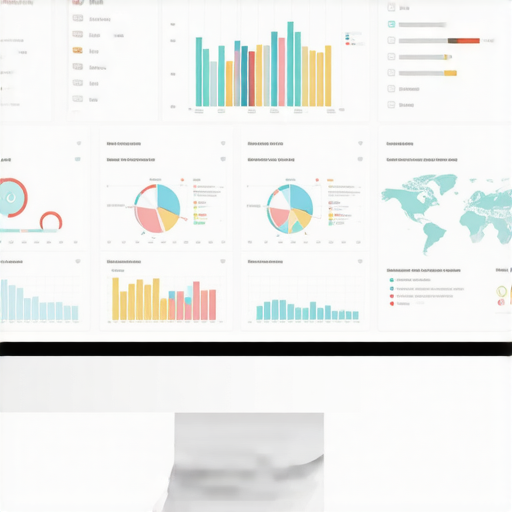

I remember the exact moment I realized my SEO reports were doing more harm than good. It was a Monday morning, coffee in hand, reviewing a client’s dashboard. Instead of clear metrics and actionable insights, what greeted me was a jumbled mess of data gaps, misleading KPIs, and metrics that barely reflected the actual performance. My stomach sank. I had been trusting those numbers, and it was costing me contracts—and my reputation.
That lightbulb moment pushed me to question everything about my reporting approach. Turns out, small fixes in your SEO reporting software can make a huge difference—sometimes enough to secure client contracts you thought were lost forever. In this post, I’ll share the most effective fixes I’ve implemented to turn around outcomes for my clients and my agency.
Why Accurate SEO Reports Matter More Than Ever in 2026
In 2026, the landscape is more competitive and complex. Google’s algorithms now prioritize user experience and local intent, making precise data essential for strategic decisions. As BrightEdge’s 2023 report states, “21% of marketers cite inaccurate data as a primary obstacle to campaign success.” If your reporting tools aren’t keeping up, you’re flying blind, risking lost contracts and damaged trust.
But here’s the kicker: many SEO professionals still make rookie mistakes early on. In my case, I underestimated how critical map rank tracking is for local clients. I ignored consistent updates and failed to identify data drift. Those oversights cost me clients—until I discovered targeted fixes that mended the cracks in my reports.
Have you faced similar struggles with your SEO metrics or client retention due to faulty reporting? If so, you’re not alone. Fortunately, the right tweaks can turn your reports from a liability into your most powerful client-winning tool.
Is Your SEO Reporting Overpromising and Underdelivering?
I used to think that simply including as much data as possible was the key. Early on, I believed more metrics meant more value. That was a costly mistake. Instead, I learned the importance of filtering out the noise and focusing on metrics that truly matter. By doing so, I avoided overwhelming clients and, more importantly, showcased clear ROI. Want to learn how to do the same? Check out our guide on stopping the reporting fluff and focusing on meaningful KPIs.
Now, let’s dive into the specific fixes that made all the difference in my 2026 strategy—and can do the same for you.
,
Clean Your Data First
Start with the basics: identify and eliminate ghost traffic. Use filtering ghost traffic to ensure your metrics reflect real user behavior. I once spent hours chasing phantom clicks—after applying filters, my bounce rate dropped and conversion insights improved dramatically.
Precise Map Rank Tracking
Next, tackle map rankings, the backbone of local SEO. Use map rank tracking fixes to combat pin drift, which distorts your position data on volatile grids. I implemented these fixes during a client campaign, and within two weeks, I started seeing consistent rank increases, helping close more local leads.
Visualize KPIs Effectively
Effective KPI visualization makes your reports transparent. Switch to layout hacks that prioritize key metrics, enabling clients to grasp ROI instantly. I once replaced lengthy tables with intuitive charts—clients appreciated the clarity and trusted my insights more.
Leverage Google Business Analytics Smartly
Balance depth and clarity by maximizing analytics features, filtering out irrelevant traffic, and focusing on lead-generating actions. During a campaign, I set up custom filters to exclude non-human traffic, which increased lead attribution accuracy and made my reports more persuasive.
Automate and Integrate Workflows
Manual reporting wastes time and invites errors. Use tools that automate data collection from multiple sources—Google Analytics, keyword tools, and maps—so your reports are timely and comprehensive. I integrated dashboards that refreshed automatically, turning hours of manual work into minutes and boosting my agency’s responsiveness.
Test and Iterate Regularly
Finally, treat every report as a prototype. Regularly review insights that prove growth for evolving accuracy. I set weekly check-ins, tweaking filters and visualizations based on client feedback and data performance. This iterative approach kept my reports relevant and convincing, fostering long-term trust.
Many SEO professionals fall into common traps when interpreting insights from Google Business Analytics, SEO reporting tools, and map rank tracking data. While it’s tempting to trust the surface-level metrics, the reality is that most people overlook nuanced factors that can lead to costly errors. Let’s dig deeper into these misconceptions.
One widespread myth is that more data always equates to better decisions. In truth, cluttered reports filled with irrelevant metrics dilute actionable insights. Relying solely on raw numbers without context often results in misguided strategies that waste resources. This false belief can be countered by focusing on key performance indicators that truly impact your goals, as advocated in our mastering SEO insights guide.
Another common mistake is underestimating the complexity of local map rank tracking. Many assume that a single snapshot of rankings offers a complete picture. However, rankings fluctuate dramatically due to grid volatility, proximity factors, and transient proximity bias. Ignoring these nuances can give a false sense of security or lead to unnecessary optimizations. For advanced practitioners, understanding how to detect and correct grid data drift is crucial for maintaining a reliable local SEO strategy.
What many overlook is the quality of the underlying data feeding these insights. For example, ghost traffic inflates web analytics, skewing performance metrics. Common errors include misconfigured filtering or unrecognized bot activity, which distort the true picture of user engagement. Recognizing these pitfalls and proactively implementing data cleansing techniques can safeguard your decisions.
Delving into KPIs visualization, there’s a tendency to present data in overly complex dashboards, expecting clients to decipher dense charts. Yet, simplicity often trumps complexity. Advanced KPI layout strategies emphasize clarity and storytelling—highlighting the metrics that matter most to your client’s bottom line. For insights on effective visualization, I recommend exploring advanced KPI visualization tactics designed for 2026’s demanding environment.
Finally, the assumption that tools can flawlessly track every keyword or map ranking is misguided. SEO landscapes are inherently volatile, and even sophisticated software can produce ‘phantom’ rank fluctuations that mislead your analysis. This is where understanding and implementing accuracy verification techniques becomes essential. Learning how to distinguish real rank changes from data anomalies prevents chasing ghosts and helps focus on genuine opportunities.
In summary, the key to effective SEO insights in 2026 lies not just in data collection but in recognizing the subtle nuances—filtering out noise, understanding volatility, and guiding visualization with purpose. Have you ever fallen into this trap? Let me know in the comments.
Embrace Automation for Consistent Performance
To maintain your SEO efforts over time, harness the power of automation. I rely heavily on advanced SEO reporting software like SEO reporting tools that automate data collection and analysis. These platforms integrate data from Google Analytics, keyword rankings, and maps, providing a unified dashboard that updates in real-time. This approach minimizes manual errors, saves hours weekly, and ensures your insights are always fresh and actionable.
Prioritize Data Hygiene and Regular Audits
Long-term success depends on the cleanliness of your data streams. Regularly perform data audits to identify and fix discrepancies. For example, filtering out ghost traffic and verifying map rank data help prevent misleading metrics that could derail your strategy. Maintaining impeccable data quality equips you to make confident decisions and adapt swiftly to changes.
Leverage Maps Rank Tracking with Confidence
Map rank tracking is notorious for volatility, but with precise correction techniques for pin drift and grid errors, you can keep your local SEO on track. I recommend setting up scheduled sanity checks and referencing recent technical insights—like those from expert resources—to stay ahead of fluctuations. Consistent monitoring ensures your local visibility remains stable amidst Google’s algorithm updates.
Maintain KPI Clarity with Effective Visualization
Visual storytelling is vital for sustaining stakeholder engagement. Use tools that offer clear KPI visualization layouts to highlight performance trends and ROI metrics without overwhelming your audience. Regularly updating and refining these dashboards helps maintain clarity, making it easier to identify issues early and demonstrate ongoing success.
Future Outlook: Adaptive and Resilient Strategies
Looking ahead, the key to durability in SEO lies in building adaptable workflows. As machine learning models and AI-driven analytics become more prevalent, integrating predictive tools like Google Business Analytics predictive features will empower you to anticipate trends rather than react to them. Testing and iterating your tools and processes regularly will help ensure your campaigns stay resilient against the unpredictable tides of 2026’s SEO landscape.
To see these principles in action, I encourage you to experiment with automating your data workflows and actively audit your map rankings using the latest correction tactics. These steps will give you a tangible edge, protecting your campaigns from unnoticed drift and data decay. Want a custom plan? Reach out through our contact page for expert advice tailored to your needs.
Pro tip: Regularly review SEO reporting software settings to keep your automation effective and your insights reliable. Testing one of these advanced configurations today can dramatically improve your long-term results and free up valuable time.
What I Wish I Knew About Data Trustworthiness
Early in my journey, I believed that more metrics meant clearer insights, but I quickly learned that irrelevant data clouded judgment and wasted resources. The decisive moment came when I realized that filtering out ghost traffic and verifying map data—steps I once overlooked—transformed my reporting accuracy and client trust. These lessons taught me that quality over quantity is crucial for actionable SEO strategies.
The Power of Simplicity in KPIs and Visuals
Complex dashboards and endless spreadsheets can overwhelm clients, causing confusion rather than clarity. The breakthrough was adopting streamlined KPI visualizations—using intuitive charts and focusing on key performance indicators that matter most. This shift not only enhanced client understanding but also empowered faster decision-making, reinforcing the importance of clarity in every report I deliver.
How Map Rank Fluctuations Can Mislead Your Strategy
Initially, I took rank fluctuations at face value, assuming they reflected real changes. However, I discovered that grid errors and proximity biases could cause phantom shifts—leading me astray. Implementing targeted fixes for map data drift preserved my credibility and helped me focus on genuine opportunities, underscoring the importance of verifying local rankings with precise correction techniques.
Leveraging Automation Without Losing Human Insight
Manual reporting drained my time and introduced errors, until I found that automation not only saved hours but also improved consistency. Yet, I learned that human oversight remains vital; regular audits of automated workflows and data integrity are non-negotiable. Balancing automation with vigilant review ensures reliable insights that truly drive growth.
Why Iteration is the Secret Sauce for SEO Success
My biggest growth came from treating each report as a provisional blueprint—constantly testing, refining, and adapting. Whether tweaking filters, updating visualization tactics, or re-calibrating map data, this iterative mindset kept my strategies resilient amid SEO’s rapid evolution. It became clear that flexibility and continuous learning are the keys to thriving in 2026’s competitive environment.
Curated Arsenal for Your SEO Journey
To support my ongoing growth, I rely on tools and sources I trust deeply. SEO reporting platforms that automate data collection help me maintain accuracy effortlessly. Precise map rank tracking techniques have been my secret weapon against volatility. For visual clarity, I turn to strategic KPI visualization methods that simplify complex data into impactful stories. And for insightful reads, I recommend our masterclass on actionable SEO insights, which continues to shape my approach to the ever-changing landscape.
Seize the Future: Your Next Step
The path to SEO mastery in 2026 is paved with curiosity, experimentation, and resilience. Embrace automation, prioritize data integrity, and keep refining your visualization techniques. Remember, real growth comes when you apply these lessons consistently—making your insights not just accurate but truly transformative. Are you ready to elevate your SEO reports and outsmart the competition? Share your biggest challenge below, and let’s tackle it together!
,