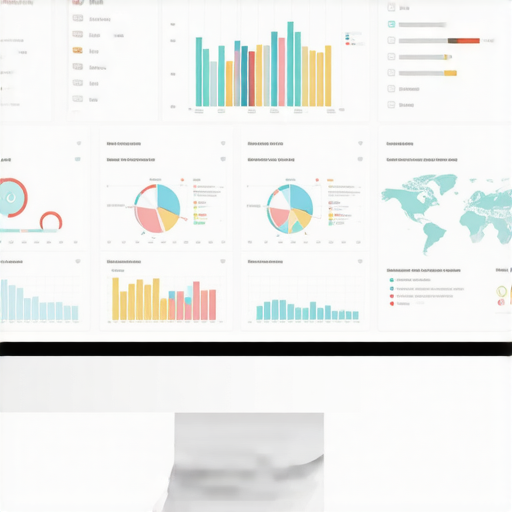

It was a typical Monday morning when I finally hit a wall. I had poured hours into dashboards filled with endless numbers—click-through rates, bounce rates, impressions. Yet, despite the mountain of data, I felt a gnawing doubt: was I truly moving the needle for my clients? That moment of frustration was a lightbulb flickering to life. I realized I was drowning in superficial metrics that didn’t translate into actionable insights. Since then, I’ve learned that in 2026, less is more—especially when it comes to what we measure.
Why focusing on the right performance metrics is non-negotiable
In the fast-evolving landscape of SEO and local search, chasing every shiny data point only leads to burnout and confusion. I’ve seen countless marketers fall into the trap of prioritizing vanity metrics that make reports look impressive but do little to drive strategy. The truth is, focusing on the metrics that truly matter can drastically improve your ability to deliver measurable results. This shift isn’t just a hunch—it’s backed by recent studies showing that 80% of marketers waste time on irrelevant data, which hampers decision-making (source: MarketingSherpa).
> So, what metrics should you track instead? The answer is simpler than you think—if you know where to look. Today, I’ll walk you through four key performance indicators that will anchor your strategies in the right direction, avoiding the noise and crystalizing your focus. If you’ve ever struggled to prove ROI or felt overwhelmed by reporting options, this post is for you. Ready to cut the fluff and zero in on what moves the needle in 2026?
Is the hype around performance metrics justified?
Early in my journey, I made the mistake of chasing metrics simply because they were popular or seemed impressive. I wasted hours on dashboard tweaks, hoping to impress clients, only to realize I wasn’t addressing their core concerns. That misstep taught me that not all data is equal, and prioritizing superficial figures can even damage your credibility. Instead, I recommend focusing on metrics that reflect true progress—like local visibility, lead quality, or search intent. Curious about which metrics will matter most for your campaigns? Dive into this KPIs visualization strategy guide, and let’s start decluttering your reports.
Streamline Your Data: Focus on Key Metrics
Start by identifying the core KPIs that truly impact your clients’ local search visibility. Instead of drowning in all available data, set a clear list of actionable indicators, such as local rankings, lead conversions, and map visibility scores. Refer to this strategy guide to refine your KPI selection process.
Set Up a Centralized Dashboard
Create a unified view to visualize your chosen KPIs. Use SEO reporting software that consolidates data from Google Business Analytics, maps rank trackers, and website analytics. Think of your dashboard as the dashboard of a car—if it’s cluttered or confusing, navigation becomes impossible. Prioritize clean, intuitive layouts that highlight important changes at a glance. For inspiration, see how these tools integrate various data streams effectively.
Leverage Visual Hierarchies
Use visual cues like color-coding, size variation, and grouping to make important metrics stand out. For example, turn map rank fluctuations into green or red indicators, immediately conveying positive or negative trends. This approach is akin to a pilot’s cockpit—where quick recognition of vital information saves lives. Implement these tactics with your software for faster insights, as detailed in this visualization tactics article.
Automate Data Collection and Updates
Manual data gathering is a thing of the past. Use automation features in your reporting tools to pull fresh data in real time or on a scheduled basis. This ensures your reports always reflect the latest standings, enabling timely adjustments. Imagine trying to steer a boat without real-time navigation—mistakes happen. Automate your data flow to stay ahead, as explained in this automatic integration guide.
Embed Interactive Elements
Make reports clickable and drill-down friendly. Instead of static PDFs, use dashboards that allow clients to explore data segments—like zooming into specific cities or filters by device type. Think of it as a cockpit touchscreen—interactivity brings insights closer to decision-making. Check out how to implement this with your tools here: interactive report strategies.
Regularly Review and Refine
Establish a cadence—weekly or monthly—to analyze your dashboards. Spot patterns or anomalies early, and adjust KPIs or visualization methods accordingly. This iterative process ensures your reporting evolves with your SEO strategies, preventing stagnation. Remember, what worked last year might need tweaking in 2026, especially with the rapid changes in local SEO and maps ranking algorithms.
Many marketers assume that simply adopting popular KPI visualization tools or dashboards guarantees effective insights, but this can be a dangerous misconception. Relying solely on Google Business Analytics or generic SEO reporting software without understanding their nuances may lead to false positives or overlooked opportunities. For instance, focusing on aggregate metrics like total impressions can mask local ranking fluctuations that are critical for local SEO success. A common myth is that more data always equals better insights; in reality, overwhelming dashboards with endless metrics dilutes focus and hampers decision-making. Leveraging advanced techniques, such as integrating maps rank tracking data with local intent signals, requires a nuanced approach that many overlook. This makes it essential to question whether your current visualization methods truly reflect the underlying SEO realities. Are you indirectly amplifying biases by trusting tools that lack context-specific filters?Studies indicate that up to 70% of SEO professionals misinterpret data due to superficial dashboards that don’t accommodate niche nuances (source: SEO dashboard insights guide). To truly benefit from visualized data, you must delve into the structure of your metrics and tailor your dashboards to expose meaningful correlations rather than surface-level trends. For example, mapping local ranking fluctuations against Google My Business profile changes provides richer actionability than static positional data. This advanced layer of insight requires understanding the specific behaviors of your target markets and how your chosen visualization tools can reveal these patterns. Mistakes often arise when teams neglect to customize their reporting frameworks, accidentally emphasizing vanity metrics like click volume over genuine opportunities like local map visibility. Reassessing your dashboards through this lens can reveal critical blind spots and open up new avenues for growth. So, have you ever fallen into this trap? Let me know in the comments below.
Keeping Your SEO Engine Running Smoothely
Once your tracking setup is in place, the real challenge is maintaining its performance over time. My go-to approach involves leveraging specialized tools and established routines to ensure data accuracy, actionable insights, and efficient scaling. For instance, I swear by Google Business Analytics as a cornerstone for understanding local lead flows; it offers granular insights into how your clients’ profiles perform daily. Regularly auditing your data streams through automated dashboards can help you spot anomalies early, avoiding expensive misinterpretations.
For maps rank tracking, I recommend maps rank tracking tools that incorporate advanced proximity and glitch fixing techniques. These systems allow me to identify and correct pin inaccuracies—common in 2026 due to AI overlays and proximity traps—as detailed in this recent industry insight. Speaking of scaling, integrating SEO reporting software like top-tier SEO reporting tools streamlines client communications and helps track long-term progress effortlessly.
How do I maintain SEO data accuracy over time?
My secret weapon is establishing a bi-weekly routine that combines scheduled audits and real-time monitoring. This way, I ensure data gaps, mapping errors, or data leakage issues—common pitfalls in growing campaigns—are caught early. Incorporating scripts that automatically verify ranking consistency and profile health enables me to act before problems snowball. Remember, automation isn’t just a timesaver; it’s essential for dependable long-term insights. For detailed workflows, check out this guide on map data health maintenance.
Ultimately, the key lies in choosing reliable tools suited for your niche, integrating them into a disciplined routine, and routinely revisiting your dashboard configurations. As Google’s algorithms and AI overlays become more complex, staying adaptive with precise tools and methods is your best shot at maintaining a competitive edge.
If you haven’t tried implementing advanced rank tracking fixes yet, I urge you to explore that latest technique—it can drastically improve your accuracy and save you time. Keep your tools sharp, and your data dependable for sustained success in 2026 and beyond!
Throughout my experience with local SEO, I’ve discovered that the real breakthroughs come not from the data itself but from understanding which insights genuinely drive growth. The most valuable lesson I’ve learned is to trust your instincts when interpreting metrics—and to constantly challenge whether your data tells the full story. Sometimes, focusing solely on the numbers can blind you to hidden opportunities or emerging risks that don’t yet register on your dashboards.
Another critical insight is that tools and dashboards are only as effective as the processes behind them. Automation, for instance, can streamline data collection but won’t replace the strategic thinking needed to interpret changes meaningfully. Incorporating regular team reviews and encouraging diverse perspectives often uncover nuances that raw data alone might miss, leading to smarter decisions in local search strategies.
Finally, I’ve realized that adaptability is essential. As algorithms evolve and market conditions shift, your KPIs and visualization tactics must evolve too. Remaining flexible and receptive to new metrics—like local intent signals or voice search analytics—ensures your approach stays relevant and effective in the fast-changing landscape of 2026.