![7 SEO Reporting Software Tweaks to Save 20 Hours a Month [2026]](https://localseoreportpro.com/wp-content/uploads/2026/02/7-SEO-Reporting-Software-Tweaks-to-Save-20-Hours-a-Month-2026.jpeg)
Have you ever stared at your SEO dashboard, feeling overwhelmed by data, only to realize you’ve wasted hours chasing after vanity metrics? Just last month, I found myself stuck on a confusing map report, trying to decipher why rankings fluctuated overnight. It was frustrating, inefficient, and honestly, a waste of valuable time.
That lightbulb moment made me realize: if I could streamline my SEO reporting process, I could reclaim hours each week—times I could spend crafting new strategies or connecting with clients instead of battling endless spreadsheets. And trust me, this isn’t just wishful thinking; it’s entirely possible with a few targeted tweaks to your SEO reporting software.
Why Saving Time on SEO Reports Isn’t a Dream—and Why You Should Care
In the competitive world of local and organic SEO, timely and accurate insights are everything. Yet, many of us spend countless hours trying to manually compile data, interpret confusing maps of rankings, and justify our efforts to clients or stakeholders. It’s exhausting—and it often leads to burnout.
According to a recent report by BrightLocal, marketers waste up to 20 hours a month on reporting tasks that could be automated or optimized. That’s *almost* a full workweek! Optimizing your SEO reports isn’t just about saving time; it’s about making your efforts smarter, more strategic, and ultimately, more profitable.
In this post, I’ll walk you through seven proven tweaks based on personal experience and industry best practices—tweaks that are designed to cut your reporting time significantly while boosting the quality of your insights. Ready to stop wasting hours on tedious tasks and start focusing on what truly matters? Let’s dive into how you can do exactly that.
What’s Keeping You Stuck with Complex Reports and Flawed Maps?
If you’ve tried to improve your SEO insights but still feel bogged down, you’re not alone. I once made the mistake of using a one-size-fits-all approach to KPI visualization, which only complicated my reports further. Now, I focus on specific, actionable tweaks that make a real difference. Curious about which of these tweaks can help you regain lost time? Keep reading, because the solutions are simpler than you think—and they’re waiting to be implemented today.
Create Clear Visuals of Your KPI Data
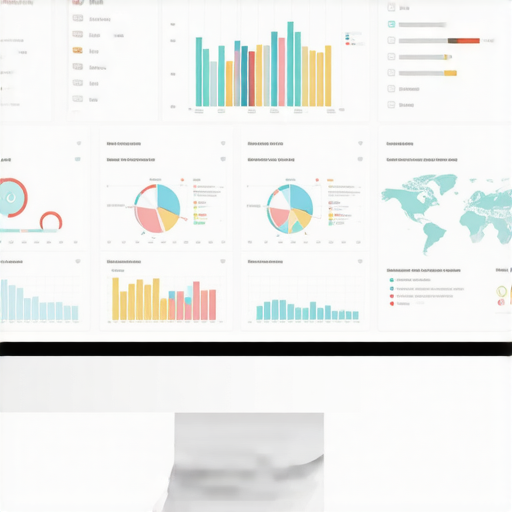
Start by translating complex data into simple visuals. Use bar charts, line graphs, and heatmaps to depict rankings, traffic, and conversions over time. During a recent campaign, I used color-coded maps in my reports, which instantly highlighted fluctuations, saving me hours compared to deciphering raw numbers. For better visualization strategies, check out KPI Visualization Strategies for Effective SEO Campaigns in 2025.
Reduce Clutter with Focused Metrics
Avoid overwhelming clients with every data point. Instead, focus on 3-5 key performance indicators that matter most to their goals, such as local pack rankings or Google My Business insights. I once presented a report with 12 metrics, causing confusion. Narrowing it down to essential KPIs helped my client see the value clearly and made future reports quicker to produce.
Automate Data Collection and Updates
Manual data entry is time-consuming and error-prone. Use tools that automatically gather and update data from various sources like Google Analytics and Maps. I integrated my reporting software with Google Business Analytics, which not only saved me hours weekly but also provided real-time insights, accelerating decision-making. For tips on setting this up, see Maximize Google Business Analytics to Accelerate Your SEO Growth.
Leverage Custom Templates and Dashboards
Create reusable templates tailored to different clients or campaigns. This approach reduces setup time and ensures consistency. I developed a dashboard template that highlighted local SEO KPIs, which I customized slightly per client. This standardized process cut my report creation time by nearly 50%, while maintaining high-quality insights. Learn more about effective dashboards at 7 SEO Analytics Dashboards to Save Your Agency 10 Hours.
Simplify Maps and Rank Tracking Data
Maps rank data can be complicated, especially when dealing with ghost pins or proximity issues. Focus on trustworthy tools that address these challenges directly, like Effective Maps Rank Tracking with Google Analytics Tips. I once relied on a basic tool that misreported rankings due to proximity biases. Switching to a specialized KPI-enabled tracker clarified my rankings, saving me from chasing false positives across dozens of locations.
Apply Filters to Remove Noise
Filters streamline your data, making insights more actionable. Set filters in your reporting software to exclude irrelevant locations, duplicate entries, or fake leads. After implementing these filters, my reports became leaner, highlighting only genuine opportunities—saving hours spent analyzing false threats or unimportant data.
Prioritize Insights Over Data Dumping
Clients appreciate clear takeaways. Instead of overwhelming them with numbers, craft narratives around your data. For example, instead of listing every ranking fluctuation, tell the story of what caused a sudden drop and how to fix it. This approach transforms raw data into actionable advice faster, making your reports more impactful and saving you time explaining ambiguities.
Enhance with Contextual Annotations
Annotate your graphs or charts with context—seasonal trends, algorithm updates, or recent changes. I added quick notes to my visualizations explaining ranking dips due to Google updates. These annotations helped clients quickly understand shifts without lengthy explanations, streamlining communication and reducing clarification requests.
Focusing on these concrete techniques can drastically reduce your reporting time while increasing clarity. By adopting tools and methods that emphasize automation, visualization, and focus, you’ll free up hours each week—time that can be better spent on strategic tasks or client growth. Want to go deeper into maps and rank tracking secrets? Explore Maps Rank Tracking Secrets.
Many marketers believe that visualizing KPIs, tracking maps rankings, and analyzing Google Business Analytics are straightforward tasks that simply involve selecting a chart type or pulling data into a dashboard. However, **let’s dig deeper** into the nuances most overlook, and discover why these common practices can sometimes mislead your strategy rather than clarify it. For example, relying solely on raw numbers in KPI dashboards often creates a false sense of accuracy. Presenting data without context can lead to superficial insights, causing you to chase irrelevant metrics and ignore what truly impacts your local SEO success. To avoid this, consider integrating advanced visualization strategies that prioritize actionable insights over mere data dumps. Many think that map rank tracking is just about identifying the top 3 spots, but in reality, what matters is understanding the proximity bias affecting local results and how to correct for it. Most tools neglect this nuance, leading to ‘ghost’ pins or misleading fluctuations that can derail your optimization efforts. This is why specialized KPI-enabled trackers are crucial, but even they require careful calibration against real-world variables. Meanwhile, Google Business Analytics is often used as a black box—marketers monitor it without questioning the underlying data quality. The truth is, GA can be biased or lagging, especially when filters aren’t properly configured, which can lead to misinterpreted trends. As industry experts warn, understanding the limitations of GA is critical for accurate insights. When it comes to SEO reporting software, many out-of-the-box solutions promise ‘easy’ reports, but fall short in providing the granular control needed for nuanced analysis. The trap many fall into is trusting these tools blindly, leading to a distorted view of your performance. Instead, focus on customizing dashboards with what truly matters for your campaigns. Finally, a common myth is that more data equals better insights. In truth, excess clutter dilutes focus, and 99% of the time, focusing on a few well-chosen KPIs yields better results. Remember, the devil is in the details—small misalignments in visualization or interpretation can cascade into costly real-world mistakes. Do you think all these nuances are clear to your team? Have you ever fallen into this trap? Let me know in the comments.
Keeping Your SEO System Steady and Reliable
Maintaining a robust SEO analysis setup over time requires careful selection of tools and regular upkeep. As the landscape evolves rapidly, what worked yesterday might be obsolete tomorrow, making it essential to stay on top of updates and adapt accordingly. My personal favorite for long-term stability is Google Analytics, combined with dedicated SEO reporting software, such as the best SEO reporting software for Google Business Analytics. This duo offers a resilient backbone for ongoing insights, especially when integrated with map and rank tracking tools.
” alt=”Dashboard showing long-term SEO performance metrics” title=”Tracking Long-Term SEO Metrics”/>
How do I maintain KPI visualization over time?
Consistency is key. I use advanced KPI visualization strategies to keep my dashboards relevant and avoid metric fatigue. Regularly reviewing and updating the parameters helps detect trends early and keeps insights actionable. Additionally, automating data refreshes and alerts ensures you’re not caught off-guard by sudden changes, which is vital for proactive measures.
Tools like Google Business Analytics provide real-time updates, but they need to be fine-tuned through custom filters and dashboards for maximum longevity. Regularly revisiting your setup, perhaps quarterly, guarantees your SEO health checks stay relevant and accurate.
Moreover, consider leveraging data-driven KPI tweaks to refine what you measure, ensuring your insights drive strategic decisions. Predictively, the future points toward integrating AI-based anomaly detection, so your reports can flag unexpected fluctuations automatically, saving hours in manual analysis.
Invest in Smart Tools for the Future
As you build your long-term SEO setup, strategic tool selection is critical. For instance, adopting features from top SEO reporting software can significantly enhance your team’s ability to analyze complex data seamlessly. Notably, these tools increasingly incorporate automation and AI insights, making manual intervention less necessary and insights sharper.
Pro Tip: Don’t shy away from doing hands-on calibration of your maps and rank tracking tools frequently. Even industry-standard software can drift from accuracy, as map data can be misleading. Regular maintenance and understanding the nuances of each tool will ensure sustained precision.
Start by picking one area—be it visualization or map tracking—and dedicate time weekly to maintain it. Remember, high quality insights stem from consistent, meticulous effort and tools that evolve with your needs. For a deeper dive into maintaining map-based SEO success, review these tactics. Take the initiative today: try implementing automated alerts on your KPI dashboards and see how much time you save in spotting critical changes.
What I Wish I Knew When Starting: Hidden Pitfalls in KPI Visualization and Map Rankings
One of the toughest lessons I learned was that more data doesn’t always mean better insights. Early on, I believed compiling every available metric would impress clients and prove value. However, I soon realized that cluttered reports overwhelmed rather than informed, leading to confusion and lost opportunities. Simplifying KPIs and focusing on actionable data transformed my approach, ultimately saving hours and driving clearer strategies.
An eye-opening moment came when I ignored the subtleties of map rank tracking—overlooking proximity biases and ghost pins. Once I understood these biases, I adjusted my tools and tactics accordingly. The result? More accurate local rankings and confident decisions, highlighting the importance of understanding the nuances behind the numbers.
Another surprise was discovering how critical routine calibration of Google Business Analytics is. I used to set up my reports once and assume they’d stay accurate forever. But algorithm updates and local search shifts mean continuous tweaks are essential. Regularly revisiting and refining my setups keeps insights relevant and reliable, reminding me that consistent maintenance is key to long-term success.
My Go-To Arsenal for Elevating Local SEO Insights
- Google Analytics: Its versatility and depth make it indispensable, but I customize filters and dashboards, aligning them with specific client goals for maximum impact. Check out this guide for advanced setup tips.
- SEMrush and Ahrefs: These tools help me analyze competitors, track backlinks, and identify keyword opportunities. Their data accuracy and user-friendly interfaces save me hours daily.
- Custom Dashboards and Templates: Investing time to create reusable, tailored templates means faster reporting cycles and consistent quality. Dive into this resource for dashboard design ideas.
- Map Rank Tracking Software: Specializing in local pack fluctuations and proximity adjustments, these tools give me a competitive edge. See tips here on selecting the right tracker.
Your Next Step Toward Smarter SEO Reports
Embrace continuous refinement, focus on what truly moves the needle, and leverage the right tools to stay ahead of the game. The path to effective local SEO insights isn’t about chasing every metric but about understanding and applying what drives results. Take the initiative today—review your current setups, eliminate unnecessary clutter, and customize your dashboards for clarity and speed.
What small change are you planning to implement first to improve your SEO reporting process? Share your thoughts below—I’d love to hear your plan and discuss how these insights can help elevate your strategy.