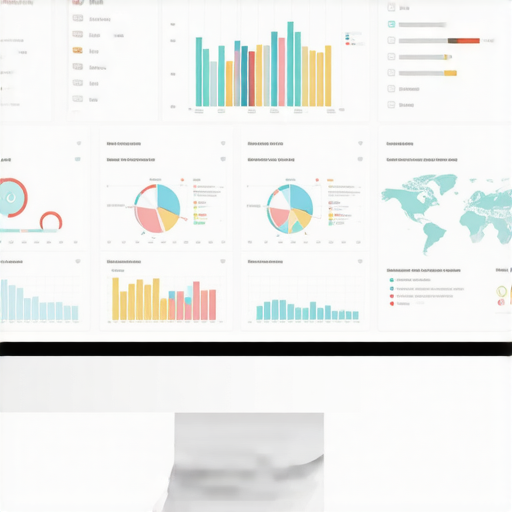
![7 SEO Analytics Dashboards to Save Your Agency 10 Hours [2026]](https://localseoreportpro.com/wp-content/uploads/2026/02/7-SEO-Analytics-Dashboards-to-Save-Your-Agency-10-Hours-2026.jpeg)
It was a typical Monday morning when I sat staring at my screen, drowning in a sea of endless spreadsheets and scattered reports. The client’s rankings seemed to fluctuate wildly, and my existing dashboard was a confusing jumble of metrics that made my head spin. I felt that familiar dread creeping in—failing to pinpoint what truly mattered and wasting hours trying to piece together insights. That was my lightbulb moment. I realized I needed a better way to visualize and automate my SEO data, or I’d burn out long before 2026.
Transforming Chaos into Clarity with the Right Dashboards
Is Your SEO Data Really Working for You or Against You?
Early in my career, I made the mistake of trusting generic reporting tools that promised a lot but delivered little in terms of actionable insights. Instead, I ended up spending twice as much time deciphering obscure reports and chasing data anomalies. This inefficiency cost me clients’ trust and my own peace of mind. The key takeaway? Not all dashboards are created equal, and selecting the right ones can actually save you hours each week, giving you more time to focus on what matters—growing your clients’ visibility and your agency’s reputation.
Recent research confirms that marketers who rely on well-designed, automated dashboards improve team efficiency by up to 50%. That’s a game-changer, especially with the rapid evolution of SEO tools and data sources. For example, mastering KPI visualization strategies is no longer a luxury but a necessity for staying competitive in 2025 and beyond.
So, are you facing struggles with inconsistent data or spending too many hours creating reports manually? If so, you’re not alone. But the good news is, this is precisely what today’s dashboards are built to solve. With the right tools, you can automate your reporting workflow, ensure data accuracy, and gain quick insights—all in one place.
Let’s dive into the seven dashboards that can revolutionize how your agency approaches SEO analytics—and how they’ll help you carve back those hours that often get lost in the weeds.
Build Your Data Dashboard Strategically
Start by identifying the most impactful metrics—think of them as your speedometers in a car. For local SEO, essential KPIs include Google Business Insights and Maps Rank Tracking. I remember a time when I divided my data into categories like visibility, engagement, and conversions, which helped me quickly spot underperforming areas. Use
KPI visualization strategies to design dashboards that are intuitive and drillable, enabling instant insights without drowning in data.
Automate Your Reporting Flows
Wave goodbye to manual report creation. Connect your SEO tools via APIs or automated integrations—think of this as setting up a well-oiled conveyor belt. I once spent hours compiling local ranking reports, only to realize that an API connection to a tool like Local SEO Report Pro could have saved me that time. Automating ensures data accuracy, reduces human errors, and accelerates decision-making. For effective automation, focus on connecting your Google Business Analytics and Maps Data to your dashboard using dedicated reporting software that specializes in these integrations.
Visualize Data for Clear Action
Visuals are your storytelling tools. Instead of showing raw numbers, use charts, heatmaps, and trend lines—imagine turning complex road maps into easy-to-read signs. For example, a line graph illustrating your local rankings over a month can pinpoint exactly when a new Google update impacted your client’s visibility. Mistakes often happen when KPIs are cluttered; remember, simplicity is powerful. Refer to these fixes to refine your visuals and ensure they communicate the right message.
Use Maps Focused Insights
Local SEO hinges on map-based data. Dive into Maps Rank Tracking to discover why some pins are ghosting or why competitors outrank you in specific areas. I once experimented with mapping tools that layered competitors’ positions with street-level data, revealing proximity issues that skewed rankings. Such insights can be visualized through heatmaps showing ‘hot zones’—areas where your clients dominate or need more focus. Mastering this visualization helps prioritize local citations, reviews, or cleanups that give your clients an edge.
Implement Continuous Data Checks
A one-time setup isn’t enough. Plan regular audits—think of them as routine health checks for your SEO ecosystem. Spot discrepancies early, like sudden drops in Google My Business Insights or inexplicable rank shifts, which often signal data collection errors. If you find inconsistent data, tools like this guide help troubleshoot and fix tracking inaccuracies. Automate alerts for anomalies so you can act before small issues turn into client complaints.
Refine and Iterate Your Dashboard
Effective dashboards are never static. Regularly solicit feedback from your team, measure how well KPIs drive actions, and tweak your visuals accordingly. An example from my experience was realizing that some clients preferred a KPI focused on local review volume rather than rankings, leading me to customize dashboards per client type. Use analytics insights to periodically optimize your visualization, ensuring it remains aligned with evolving SEO strategies and client goals. The goal? Making data your most reliable advocate, not a confusing obstacle.
By systematically applying these steps, you transform your chaotic data into a powerful, actionable narrative. Remember, masterful KPI visualization isn’t just about pretty charts—it’s about clarity, speed, and ultimately, domination in local search results.
Many practitioners believe that simply integrating powerful SEO reporting software or visualizing KPIs with colorful charts guarantees success. However, in my deep experience, there’s often a trap lurking behind these common assumptions. Let’s dig deeper into what most overlook, so your data-driven strategies don’t fall prey to superficial metrics or misguided visualizations. Contrary to popular belief, flashy dashboards alone don’t drive better SEO outcomes. The true nuance lies in how you interpret and act on that data. For example, many overlook the importance of context—an uptick in local map rankings might seem positive but could be driven by spammy citations, risking future penalties if misinterpreted. Therefore, advanced SEO insights demand not just data collection, but critical validation. A common myth is that all visualization strategies are equally effective.
Are Visuals Really Improving Decision-Making or Obscuring Reality?
Often, overcomplicated visuals or misaligned KPIs slow down or mislead your insights. Studies suggest that simple, targeted visualizations outperform cluttered dashboards, especially for quick decision-making (see this detailed analysis on visualization tweaks for 2026). The
How do I maintain my SEO tools and dashboards over time?
Maintaining your SEO analytics setup is crucial for sustained success. I personally rely on a combination of specialized software and disciplined routines to ensure data accuracy and relevance. For instance, I use advanced KPI visualization strategies to regularly review and optimize my dashboards, ensuring they stay aligned with evolving SEO trends and client goals.
One of my go-to tools is top SEO reporting software that integrates seamlessly with Google Business Analytics and Maps Data. This allows me to automate reports, perform routine audits, and catch anomalies early, reducing manual oversight and errors.
Keeping data fresh requires setting up scheduled check-ins—weekly or bi-weekly—to review key metrics and ensure the automation flows are intact. I’ve found that regularly updating your tracking parameters and cleaning your datasets prevents drift and maintains the integrity of your insights.
Looking ahead, I believe the trend will lean increasingly towards AI-driven anomaly detection and real-time reporting. Tools will evolve to become proactive in flagging potential issues before they impact client campaigns. According to a recent industry expert, adopting automation and AI early positions agencies for long-term resilience.
If you’re serious about maintaining your dashboards effectively, I recommend integrating surge-pattern detection features into your existing tools. This small step can save numerous hours of manual checking and help you stay ahead of client concerns. To get started, explore the available options in your reporting software and consider scheduling regular review cycles—it’s a game-changer.
Remember, the key is not just in setting up these systems but in continually refining them based on the latest data trends and SEO developments. For specific guidance, you can always reach out via our contact page.
What I Wish I Knew About Effective KPI Visualization in SEO
One of the most eye-opening lessons I learned was that not all dashboards are created equal. Early on, I believed that flashy visuals and numerous metrics automatically meant better insights. It took time and experimentation to realize that simplicity and context are paramount. Knowing which KPIs truly drive local SEO success—and presenting them in an intuitive way—can make or break client trust.
Another critical insight was understanding the difference between data collection and data interpretation. Automating reports is fantastic, but without critical validation, you risk chasing false positives or overlooking hidden issues. Incorporating regular audits and anomaly detection into my workflow truly elevated my understanding of local map rankings and Google Business Insights.
Curated Arsenal for Evaluating Your SEO and Maps Insights
My toolkit includes top SEO reporting software, which seamlessly consolidates diverse data sources, saving me hours each week. I trust advanced KPI visualization strategies for their ability to distill complex metrics into actionable insights. For insights into local rankings, maps rank tracking secrets have revolutionized my approach to local SEO. Lastly, Google Business Analytics offers invaluable clues into how consumers interact with local listings, guiding smarter optimization.
Seize the Moment and Shape Your SEO Future
Now is the time to elevate your SEO strategy through smarter data visualization, automation, and continuous learning. Embrace these lessons, integrate reliable tools, and refine your dashboards regularly. Your ability to interpret local map insights and Google Business data will define your success in 2025 and beyond. Remember, mastering the art of KPI visualization isn’t just technical—it’s transformational.
What’s been your biggest challenge with SEO data dashboards? Share your experience below and let’s grow together.