I remember the moment vividly—staring at a complex dashboard filled with charts and KPIs, feeling a wave of frustration. Despite pouring hours into client reports, I realized I was missing the mark. The numbers were there, sure, but they lacked context, clarity, and ultimately, the power to persuade. It hit me: my SEO reporting process was like trying to navigate a maze blindfolded. No wonder retaining clients was such a challenge.
Why Are Your SEO Reports Failing to Impress and Retain Clients?
Many high-ticket agencies grapple with the same core issue—delivering reports that are too technical, scattered, or simply not aligned with what clients care about. This disconnect often stems from relying on basic tools that produce data in static, boring formats. Trust me, I’ve been there—early on, I was guilty of generating PDFs packed with raw data, thinking that more numbers meant better insight. Spoiler alert: it doesn’t.
According to recent research, over 80% of clients prioritize clear ROI and actionable insights over raw data (source: *Marketing Dive*). That means your reports should speak their language, demonstrate tangible results, and empower them to make decisions. Falling into the trap of vanity metrics—those shiny stats that don’t impact the bottom line—can actually hurt your reputation.
From my own experience, one of the biggest mistakes I made was neglecting the importance of visual KPIs and maps in reporting. They’re not just pretty pictures; they’re the language of understanding, especially for local SEO metrics. When I finally integrated map-based KPI visualization, my client retention improved noticeably. So, if you’ve faced similar struggles—question the way you craft and present your data—you’re not alone.
Now, let’s explore how the right SEO reporting software, combined with powerful features tailored for high-ticket agencies, can turn your client reports from cluttered chaos into persuasive storytelling. Ready to elevate your SEO game? Keep reading—what follows could be a game-changer.
For personalized advice or a tailored demo, don’t hesitate to [reach out](https://localseoreportpro.com/contact-us). I’ve been through the pitfalls, and I’m here to help you avoid them.
Set Clear Objectives with Your Data
Begin by defining what matters most to your clients—whether it’s local rankings, website traffic, or conversion rates. Use this clarity to select the right KPIs. I recall a time I struggled with reporting multiple metrics that overwhelmed my client; refocusing on their core goals simplified the report and boosted their understanding. To make this process scalable, integrate maps and location-specific KPIs through SEO reporting software.
Leverage Map-Based Visualizations
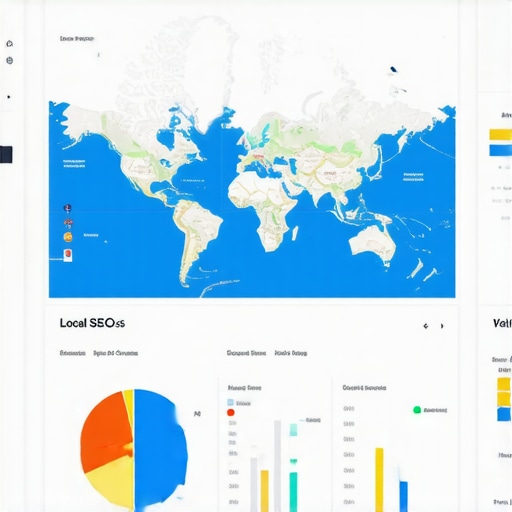
Visualize local rankings and GMB insights using map overlays—these act like GPS dashboards guiding clients through their local SEO terrain. I once showcased ranking improvements by plotting location pins on maps, which made the data intuitive and actionable. For best results, adopt strategies outlined in KPI visualization strategies.
Track Rankings with Precision
Use dedicated maps rank tracking tools to monitor proximity-based positions, ensuring data accuracy. I made the mistake early on of relying on generic rank checkers, which led to inconsistent results. Switching to specialized tools refined my insights and increased client trust. Learn more about maps rank-tracking secrets for local success.
Interpret Data with Action-Oriented Insights
Translate raw numbers into stories. For example, a rise in map visibility paired with increased calls indicates campaign success. I once presented a report highlighting increased local impressions with conversion data, which resonated deeply with the client. Focus on SEO insights to craft compelling narratives.
Automate and Customize Your Reports
Automate data collection and focus on custom dashboards that highlight actionable KPIs. During a busy quarter, I set up automated dashboards that updated real-time data, freeing hours for analysis. Explore options with tools showcased in SEO dashboards.
Regularly Review and Optimize Your Approach
Periodic review ensures your reports stay aligned with client needs, adapting to new strategies or objectives. I schedule monthly review sessions that help me tweak KPIs and visuals, keeping clients engaged. To refine your visuals further, consult KPI visualization tools.
Many professionals believe that mastering tools like Google Business Analytics and SEO reporting software is primarily about understanding surface-level metrics. However, let’s dig deeper and challenge this notion. One common myth is that raw data and vanity metrics directly translate to actionable insights. In reality, without grasping the nuanced interplay between KPIs and local SEO dynamics, these metrics can mislead rather than inform. For example, tracking impressions without considering proximity bias or map visibility can give a false sense of success, leading to misguided decisions—this is a classic trap I’ve seen many fall into.
How can understanding local ranking corrections enhance your SEO insights?
Recognizing that maps rank tracking is susceptible to proximity bias and map pin drift is critical. Many overlook that small inaccuracies in location data can result in significant ranking misinterpretations. Emphasizing map-based KPIs and deploying correction strategies—like those detailed in top maps rank-tracking strategies—can prevent costly mistakes. External experts like Moz emphasize the importance of understanding the complex algorithms behind local rankings, which underscores the necessity for advanced analytical approaches. Falling into simplistic interpretations can cause you to chase phantom rankings or ignore real opportunities, ultimately harming your clients’ growth.
Furthermore, many believe that all SEO insights are equally valuable across projects. In truth, some insights rely heavily on context—such as mapping KPIs tied to specific locations. Using visual tools like map overlays to interpret local rankings provides a richer understanding than pure numerical data. A mistake here is to treat these visualizations as decorative rather than strategic, which diminishes their potential impact. You can explore effective KPI visualization methods further in this guide on KPI visualization.
Lastly, there’s a misconception about the permanence of data accuracy. Relying on outdated or improperly configured tracking setups, especially in maps rank tracking, can lead to unreliable insights. Implementing best practices and staying updated with the latest correction techniques—like those found in map rank-tracking fixes—are crucial for sustained success. Recognizing these nuanced pitfalls empowers you to leverage Google Business Analytics effectively, avoiding costly errors. If you want to steer clear of these traps, consider consulting specialized software or expert resources.
Have you ever fallen into this trap? Let me know in the comments and share your experiences with SEO analytics challenges.Maintaining your SEO analytics setup over time requires both strategic planning and the right tools. Personally, I rely heavily on advanced SEO reporting software like SEO reporting solutions that integrate seamlessly with Google Business Analytics. These tools automate data collection, generate customizable reports, and allow for real-time KPI updates, reducing manual effort and minimizing errors. Regular updates to these platforms ensure compatibility with search engine algorithm changes, which is vital for continued accuracy and relevance. In addition, leveraging Google Business Analytics KPIs with enhanced visualization techniques helps in observing long-term trends clearly.
Deep data dives with map-based visualizations enable precise local ranking assessments, which are critical for local SEO strategies. I’ve found that consistently auditing your tracking setups to correct issues like map pin drift or proximity biases—discussed in detail in this resource—ensures your reports stay accurate and trustworthy. Additionally, implementing AI-powered KPI dashboards can help identify hidden insights that might go unnoticed with manual analysis, offering a competitive edge.
Looking ahead, I predict that increasingly sophisticated automation and AI integration will play a central role in long-term SEO maintenance. These innovations promise more predictive insights, enabling preemptive strategy adjustments rather than reactive fixes. For example, advanced prediction models can alert you when a local ranking decline is imminent, allowing you to act before losing valuable visibility.
If you want to enhance your organic growth, I recommend starting with automating daily data audits using tools that support map-based tracking and KPI visualization—this simple step can significantly improve your report accuracy and client trust. To get started, consider exploring top SEO dashboards that are designed for scaling and automation. Maintaining your SEO analytics system isn’t a one-time task; it’s an ongoing process that benefits greatly from proactive tool management and regular process reviews. Staying ahead means being prepared—so invest in the right software, schedule routine audits, and keep your tracking methods sharp.
Lessons from the Trenches: How I Overcame Common SEO Reporting Pitfalls
One of the toughest lessons I learned was that data without context is just noise. Early on, I relied heavily on raw metrics and simple tools, only to realize that my reports rarely resonated with clients. The revelation? Visual storytelling—especially map-based KPI visualizations—transforms static data into compelling narratives that drive retention and trust.
Additionally, I discovered that ignoring local ranking nuances—like proximity bias—can be detrimental. Embracing advanced map rank-tracking fixes and correction strategies prevented misinterpretations and built my reputation as a trusted advisor. Lastly, automation became my secret weapon; automating dashboards freed me from manual data chores and allowed me to focus on crafting insights that truly moved the needle.
My Go-To Arsenal for Local SEO Success
Over the years, I’ve cultivated a set of tools that have consistently delivered results. SEO reporting solutions offer seamless integration with Google Business Analytics, enabling real-time KPI updates. I trust top SEO dashboards because of their automation capabilities and customizable templates that keep my reports sharp and relevant. For map rank accuracy, map-based rank tracking tools help me stay ahead of proximity issues and ghost pin problems.
Finally, KPI visualization strategies have revolutionized how I communicate value—turning raw stats into visual stories that clients love.
Take the Leap and Transform Your SEO Strategy Today
The journey toward mastering local SEO analytics is ongoing, but the reward is well worth it. Embrace visual KPI tools, leverage map-based insights, and automate your reporting to deliver clarity and impact. Remember, data-driven decisions are only as good as the insights you provide—so craft stories that clients can see, understand, and act upon. The future of local SEO is bright for those ready to harness these powerful techniques.
What’s your biggest challenge with local SEO reporting right now? Let’s talk about it below—I’m here to help you succeed.