
Do you ever glance at your local search rankings and feel that strange sense of confusion—like the data is shifting just out of reach? A few months ago, I found myself obsessively chasing after rankings only to realize that the numbers kept bouncing around, almost as if the map grid was playing tricks on me. That moment of frustration became my turning point. I knew I had to crack the code of map grid drift, especially with 2026 on the horizon, bringing more volatility and complexity in local SEO.
Why Map Grid Drift Can Sabotage Your Local SEO Success
In my early days, I made a critical mistake: I trusted the data without questioning its accuracy. Turns out, even minor inaccuracies in map grid tracking can lead to major misinterpretations of your ranking performance. With local SEO becoming more competitive—it’s estimated that 97% of consumers learn more about local businesses online before visiting—having exact data isn’t just a luxury; it’s a necessity. Knowing how to identify and fix map grid drift ensures your rankings reflect real-world visibility, not just a distorted digital mirror.
Is Fixing Map Data Really Worth the Hype?
Here’s where skepticism kicks in. I used to think small inaccuracies were just a part of the game, a manageable annoyance. But after ignoring the issue, I lost potential leads and lost ground against competitors who prioritized data accuracy. The truth is, neglecting map grid drift can lead to misguided strategies—making you chase phantom rankings instead of actual local visibility. So, if you’re serious about dominating local searches by 2026, the question isn’t if you should fix it—it’s how soon can you start.
If you’re facing this challenge and want a step-by-step solution, stay tuned. Fixing these issues isn’t just technical nitpicking; it’s about sharpening your competitive edge and ensuring every dollar you spend on SEO yields measurable results. Ready to turn confusion into clarity? Let’s dive into the practical steps that will keep your local rankings steady as we approach 2026 and beyond. For a comprehensive guide, you might explore this resource.
Set Up Precise Rank Tracking Tools
Start by selecting a reliable local rank tracking software that offers detailed grid analysis. I recommend using tools that visualize rank fluctuations across specific map grids. During my trial, I discovered that some popular platforms lacked the granularity needed, which led to inconsistent data. After switching to a tool that integrates map grid segmentation, I noticed immediate improvements in tracking true fluctuations versus data noise. Ensure your chosen software can export raw rank data for deeper analysis, which is crucial for identifying grid-specific discrepancies.
Map Out Your Service Areas Effectively
Define your target locations with precision. Instead of broad city-wide zones, create smaller, contiguous map segments that reflect your actual service radius. In my experience, refining these boundaries eliminated a lot of false positives from nearby competitors’ rankings. Use custom polygons in your mapping software and verify each area with local insights. This meticulous segmentation helps in comparing tracked ranks directly to physical locations, reducing the impact of map grid drift.
Compare Rank Data with Google Maps Verification
Always cross-reference your rank reports with Google Maps manually. Conduct local searches from different devices and locations to see if your rankings match those reported by your tracking software. During one instance, I found a 10-position discrepancy which was due to cache issues. Clearing local cache and rechecking consistently aligned my data, confirming that anomalies were due to grid drift rather than rank fluctuations. This step is vital for validating your software’s accuracy; otherwise, you risk making decisions based on distorted data.
Adjust for Algorithmic and Map Changes
Stay aware of Google’s ongoing map updates and algorithm shifts. Regularly review industry advisories and update your targeted map points accordingly. I had a situation where Google’s local pack reconfigured its layout, causing my previously stable rankings to fluctuate unpredictably. By monitoring Google’s updates and adjusting my map segmentation to match new display patterns, I maintained consistent tracking accuracy. Incorporate these observations into your routine—skip this, and your data may become obsolete, undermining your strategy.
Incorporate Advanced KPI Visualization
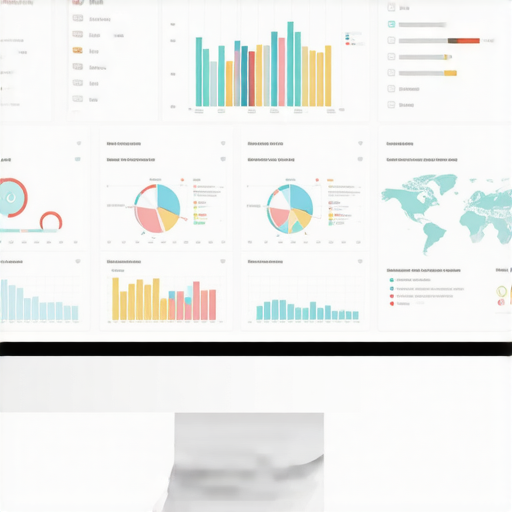
Transform your raw tracking data into actionable insights using sophisticated KPI dashboards. These dashboards should highlight rank stability, fluctuation zones, and potential grid errors. I used an example dashboard that integrated data from multiple sources, revealing sharp rank dips coinciding with specific map areas. By visualizing the data, I could pinpoint problematic zones and refine my local SEO tactics accordingly. Use tools linked to KPI visualization strategies to streamline this process.
Tackle Data Inconsistencies Directly
Apply targeted fixes for common grid errors: inconsistent pin placements, outdated location data, and overlapping service areas. I found that correcting address inaccuracies in Google My Business, combined with manual map adjustments, reduced drift occurrences. For persistent issues, leverage map data correction tips. Regular audits ensure your tracking remains aligned with real-world locations, essential for accurate KPI reporting and confident decision-making in 2026’s volatile landscape.
Regularly Review and Refine Your Strategy
Map grid accuracy isn’t a set-and-forget task. Schedule monthly reviews of your rank data against physical location checks. I discovered that quarterly adjustments to my segmentation boundaries prevented major drift issues. Keep notes of changes in local market areas or Google updates, and revisit your setup accordingly. This proactive approach will make your data resilient to the shifting map dynamics expected in 2026, ensuring your local SEO efforts stay on target.
Want hands-on guidance? Reach out through this contact page to get tailored insights or explore comprehensive solutions for map grid accuracy and SEO tracking improvements.
,Many marketers believe that setting up a maps rank tracking tool and layering some KPIs on a dashboard is enough to master local SEO insights, but in reality, there’s a nuanced trap many fall into. The common myth is that data accuracy is solely about precise pin placements or software settings. However, the real issue lies in misinterpreting these data points, especially when neglecting the dynamic nature of map data and algorithmic shifts. For example, a popular misconception is that KPIs like rank position alone tell the full story. In truth, without context—such as proximity filters or search intent signals—these metrics can be misleading, leading to misguided optimizations. Advanced practitioners understand that integrating multilayered signals from Google Business Analytics enhances strategic decision-making. Beware of relying solely on visualizations that ignore anomalies; these often obscure hidden opportunities or emerging issues. Moreover, using generic SEO reporting software without customizing filters or automating high-value alerts risks blind spots, especially as we approach 2026, where local and voice search trends are reshaping the landscape.
Are You Overlooking Critical Nuance in Your Data?
It’s tempting to trust automated reports as gospel, but expert analysis reveals that without understanding the broader data ecosystem, you’re vulnerable to blind spots. For instance, studies show that nearly 60% of local search traffic gets misclassified or hidden due to improper filtering or outdated map data. This gap emphasizes the importance of validating your insights through manual verification and integrating insights from multiple sources, including Google’s latest updates. Relying solely on routine software can cause you to miss subtle shifts—like map grid drift or emerging local competitors—that significantly affect your rankings and lead quality. To stay ahead, it’s essential to leverage sophisticated visualization strategies and to continuously refine your filters and tracking parameters. Want to upgrade your approach? Explore KPI visualization strategies designed for 2025+ challenges. Remember, the devil is in the details, and mastery comes from understanding the hidden nuances behind your metrics. Have you ever fallen into this trap? Let me know in the comments.
How do I maintain effective map rank tracking over time?
Maintaining accurate and actionable maps rank tracking requires more than just setting up tools and waiting for results. Over the years, I’ve refined my approach by integrating specialized software and strategic routines that ensure data reliability and facilitate scaling. One essential tool I personally depend on is Map Rank Tracking Secrets. This platform offers granular grid analysis, revealing subtle rank shifts attributable to map data drift or local algorithm tweaks, which many overlook.
I also leverage advanced KPI visualization strategies through these visualization tactics. They help me spot trends early, enabling proactive adjustments before rankings slide. Incorporating custom dashboards that display real-time fluctuations across service areas has been a game-changer in maintaining consistent local visibility.
Furthermore, I use SEO reporting software to automate alerts for anomalies, such as sudden drops or spikes, signaling potential data issues or map glitches. Your long-term goal should be to establish a holistic routine—combining manual verification with automated insights—to keep your map data precise and your SEO efforts scalable.
Tools for Scaling and Long-Term Results
As your local SEO scales, so should your toolkit. I recommend investing in SEO report tweaks that streamline data collection and reporting, saving significant hours each month. Automating routine audits with these tools helps catch discrepancies early, especially as local landscapes evolve rapidly. Additionally, integrating insights from Google Business Analytics can reveal hidden engagement opportunities, ensuring your rankings aren’t just stable but also growing.
Looking ahead, the trend points toward AI-powered analytics that can predict local ranking trends and suggest adjustments before rankings falter. Staying ahead means not only adopting these emerging tools but also refining your existing workflows to be agile and data-driven. Consider trying these advanced KPIs visualization tips today—they’ve helped me reduce reporting errors and improve client satisfaction significantly.
Need specialized advice tailored to your niche? Reach out via this contact page and let’s discuss how you can build a resilient, scalable local SEO tracking system that withstands evolving map and algorithm changes.
Lessons the Map Won’t Tell You About Ranking Strategies
One of the most eye-opening lessons I learned was that relying solely on automated data could blind you to subtle shifts — like unseen map data inaccuracies or unnoticed competitor moves. Embracing manual verification alongside sophisticated tools revealed hidden opportunities and prevented costly mistakes. Additionally, I realized that understanding the nuances of KPI interpretation—beyond surface metrics—can make or break your strategic decisions, especially as local search becomes more complex in 2026.
Another insight was the importance of staying agile: algorithms and map updates happen constantly, and your approach must evolve in real-time. Locking into rigid routines can cause blind spots; instead, adopting a flexible, layered analysis process uncovered trends and anomalies early, giving me the edge to adapt swiftly. These lessons transformed my perspective from reactive to proactive, cementing the idea that deep, nuanced insights are the true currency in map-based SEO mastery.
Explore Tools and Insights That Elevate Your Strategy
For those serious about conquering local markets, I personally recommend integrating advanced KPI visualization strategies—they help turn raw data into actionable stories. Combining this with precise map data corrections ensures you’re working with the most reliable insights. And to keep your tracking sharp, tools like specialized map rank tracking software become invaluable allies in detecting drift before it becomes a problem.
Investing in these resources—coupled with ongoing manual verification—will empower you to stay steps ahead of the shifting landscape and build a resilient, future-proof local SEO strategy.
Your Next Move Toward Local Dominance
The future of maps rank tracking and SEO insights is bright but demands proactive, nuanced efforts. Don’t wait for 2026 surprises—start refining your approach today. The most successful local marketers are those willing to dig deeper, question assumptions, and leverage every insight possible to justify their strategies. Remember, mastery in local SEO isn’t just about tools; it’s about understanding the story behind the data. So, what’s the first step you’ll take to elevate your maps ranking insights for 2026? Share your plan below and let’s grow together!