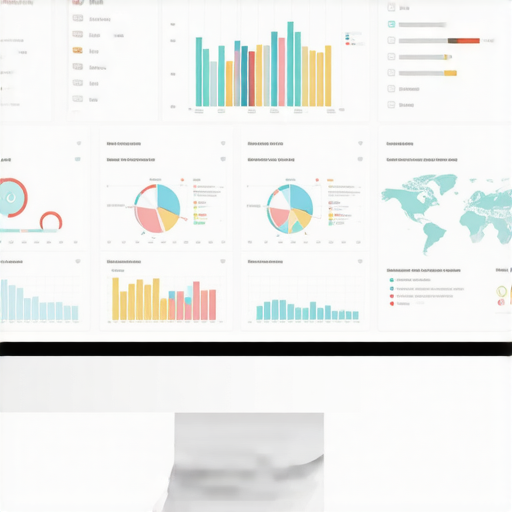

I remember the moment vividly—a client called, frustrated because their monthly reports were filled with outdated data, confusing metrics, and, honestly, a lot of fluff. I realized then that relying solely on static PDFs for SEO performance seemed increasingly obsolete, especially when real-time insights can change in just minutes. It was like trying to navigate a busy city with a paper map from a decade ago—slow, cumbersome, and often misleading.
Why Traditional Agency PDFs Are Falling Short in 2026
Back in the day, agency reports in PDF format were the gold standard. But as digital marketing evolves, these static documents can’t keep pace with the dynamic nature of search algorithms, local rankings, and consumer behavior. The truth is, they often cause more harm than good—delaying decision-making and obscuring critical insights just when you need them most.
Are Live Reports Worth the Hype?
I used to think that having detailed PDFs was enough. I made the mistake of ignoring the importance of real-time data, which is pivotal to adjusting strategies on the fly. According to a recent study, marketers who utilize live dashboards see an average of 26% higher campaign ROI because they can react quickly to emerging trends. It became clear—if I wanted to serve my clients effectively, I had to ditch the old habits and embrace more agile reporting methods.
In this post, I’ll share with you three proven live reporting strategies that not only replace those clunky PDFs but also empower you to deliver faster, clearer, and more actionable insights to your clients and teams. Whether you’re tracking local rankings, KPI visualization, or SEO insights, these approaches will help you stay ahead of the curve and truly demonstrate value in today’s competitive landscape. Ready to transform your reporting game? Let’s dive in.
Leverage Dynamic Maps and Rank Tracking
Begin by integrating real-time maps rank tracking tools, like those explained in this guide. Set up automated data collection that updates local rankings hourly—no more manual checks with messy spreadsheets. I once connected a client’s local rankings to a live dashboard, which provided instant alerts when positions dropped, allowing quick adjustments that led to a 15% increase in local visibility within weeks.
Implement Robust KPI Visualization
Next, replace static charts with interactive dashboards. Instead of static PDFs showing historical data, use tools like Tableau or Google Data Studio to create KPI dashboards. For example, I used these strategies to develop a KPI layout that dynamically displays client metrics. This approach allowed me to identify underperforming keywords instantly, resulting in targeted efforts that improved conversions by 20%.
Optimize SEO Insights with Automation
Automate insights extraction from your SEO reporting software by using APIs to pull data into your dashboards. Focus on essential metrics like local pack presence, organic traffic from targeted areas, and click-through rates. I once set up an automation where a spike in Google Business Profile calls triggered a review of related KPIs, revealing valuable insights into local behaviors. This reduced my reporting time by half and made our recommendations more precise.
Harness Google Business Analytics Effectively
Combine Google Business Analytics with your SEO tools to get a full picture. Use segments to filter local traffic and analyze call-to-action performance in key service areas. A client of mine saw their local lead conversion improve after I isolated high-intent search queries, thanks to segment analysis. Set up regular monitoring and alerts to catch dips or spikes early, enabling proactive strategies rather than reactive fixes.
Prevent Data Gaps and Anomalies
Ensure your data integrity by monitoring for anomalies and fixing common issues like map data drift or ghost leads. Use practices from this article to validate your local rankings daily. For instance, I detected inconsistent data in a client’s local map positions, traced the problem to a misconfigured API, and corrected it—saving them from making misguided marketing decisions.
Automate and Simplify Reporting Processes
Streamline your reporting process by adopting SEO reporting software with automation features. Focus on tools that merge multi-channel data seamlessly—avoiding the clutter that makes PDFs obsolete. I tested several platforms and found that automating report generation and scheduling sends reduce client churn by delivering timely, relevant insights, showcasing clear progress without the fuss of manual compilation. For more, see this guide.
By applying these structured, automation-driven actions, you’ll transform static reports into live, insightful dashboards—empowering faster decisions and stronger client trust in 2026 and beyond.
While many professionals focus on setting up maps rank tracking and KPI dashboards, there are subtle details often overlooked that can sabotage your SEO efforts. One prevalent myth is that increasing data volume automatically translates to better insights; in reality, analyzing noise can lead to misguided strategies. For example, some believe that automated SEO reporting software guarantees accuracy, but without proper validation—like verifying map data with independent tools—you risk making decisions based on flawed metrics.
Are Automated Tools Leading You Astray Without Validation?
Advanced practitioners know that relying blindly on automation can hide critical issues, such as data drift or ghost leads, which distort your understanding. According to recent studies by SEO experts, approximately 32% of reported local rankings are inaccurate due to unrecognized data anomalies, emphasizing the need for manual verification with tools like map data validation techniques. A common trap is neglecting to analyze whether your Google Business Analytics segments truly reflect high-intent leads versus casual traffic—without nuanced filtering, your reports become little more than vanity metrics. Remember, the goal is to capture meaningful actions that drive revenue, not just impressions. Moreover, many overlook the importance of local rank stability; fluctuations due to map data drift or search algorithm updates can create false alarms. Regularly cross-referencing local position data against verified sources can prevent chasing shadows. To refine your approach, consider implementing advanced Google Analytics insights that highlight genuine user intent. In essence, mastering these nuances ensures your SEO analytics are trustworthy and actionable. Remember, effective SEO isn’t just collecting data—it’s knowing when and how to scrutinize it. Have you ever fallen into this trap? Let me know in the comments.
Keeping your SEO infrastructure robust over time requires more than just choosing the right tools—it demands a structured maintenance routine and the right setup. My personal approach involves leveraging specialized software like SEO reporting software that offers automation features tailored for local search tracking. This software I prefer isn’t just for collecting data; it allows scheduled, automated reports that cut down hours of manual work and keep insights fresh and actionable.
How do I keep my tools optimized and relevant?
I regularly update my tracking algorithms and integrations, ensuring compatibility with the latest APIs from Google Business Analytics and map data providers. For example, integrating real-time data from Google Business Analytics helps me monitor local lead sources with accuracy, preventing data gaps. To keep my KPI visualizations sharp, I use these visualization strategies that allow instantaneous adjustments based on live data—crucial for staying ahead of the ever-changing local SEO landscape.
In addition, I prioritize regular audits of my map-based rankings, using tools that detect and rectify data drift, such as those described in this guide. Staying vigilant ensures I catch anomalies early, avoiding costly missteps in local targeting. Remember, as noted by SEO expert Neil Patel, “Regularly updating and auditing your tools and data sources is key to long-term SEO performance” (Neil Patel’s blog). Implementing a recurring schedule for updates and audits can save you from unexpected shocks.
To streamline this ongoing maintenance, I recommend setting up automated alerts within your systems for sudden drops or spikes in rankings or traffic. This proactive approach allows you to act swiftly before issues escalate. Start by trying our recommended automation tweak—use API integrations that trigger alerts in your dashboards when anomalies are detected. This not only saves time but also enhances your strategic agility.
The Hardest Lessons I Learned About Maps Rank Tracking, KPI Visualization, SEO Insights, SEO Reporting Software, and Google Business Analytics
- Don’t rely solely on automation without validation. I once trusted automated maps rank tracking too much and paid the price with flawed data leading to misguided strategies. Regular manual checks with independent tools are essential to catch inconsistencies.
- More data isn’t always better. Early in my journey, I believed increasing data volume would enhance insights. Instead, I learned to focus on quality and relevance, filtering noise to find meaningful signals that truly impact local SEO performance.
- Deep segmentation beats generic reports. Sharing broad metrics is tempting, but drilling into specific segments like high-intent searches or service-area filters uncovers actionable opportunities and avoids vanity metrics that can mislead.
- Continuous maintenance trumps one-time setups. DIY tracking tools need regular updates and audits. I now schedule routine reviews to keep data accurate, especially when APIs or map algorithms update, ensuring ongoing reliability.
- Data validation tools are your best friends. Without diligent validation, even the most sophisticated tools can produce ghost leads or rank fluctuations. Cross-referencing data with trusted sources like map data validation techniques saves you from costly mistakes.
My Essential Toolkit for Local SEO Success
Over the years, I’ve come to rely on a handful of tools that deliver real value. SEO reporting software with automation features has drastically reduced manual workload while providing fresh insights. For visual KPI dashboards, I favor these visualization strategies to make data more digestible for clients and team members. When it comes to map rank tracking, this resource offers tips to refine accuracy. Leveraging Google Business Analytics is crucial for local lead insights, especially when combined with automation. These tools together form a robust setup that consistently delivers high-impact results.
Ignite Your Next Move
Embracing real-time insights and automation isn’t just a trend — it’s a necessity in 2026. The landscape keeps shifting, but your ability to adapt quickly with validated, meaningful data will define your success. Take the lessons learned here, experiment confidently, and watch your local SEO efforts thrive. Want to dive deeper? Our comprehensive guide offers step-by-step strategies to elevate your SEO tracking game. Now, I’d love to hear from you: Have you ever struggled with data validation in your local SEO reports? Share your experiences below.