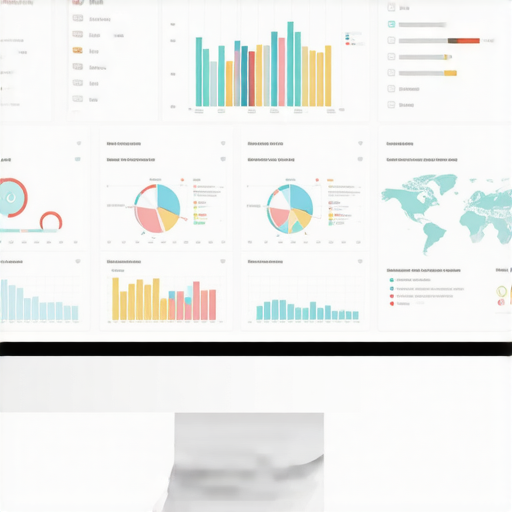
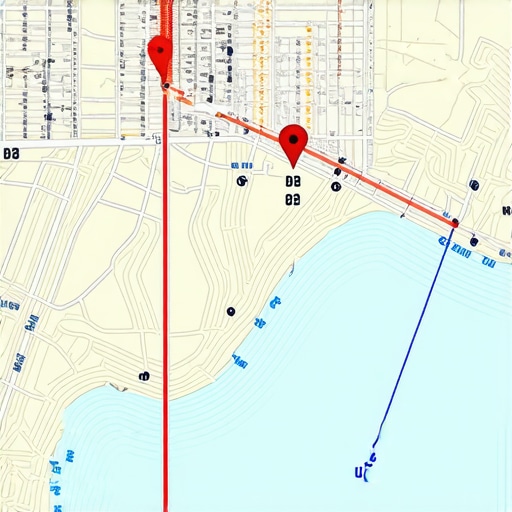
There was a moment last month when I looked at my maps rank tracking dashboard and saw a wild rollercoaster of pin fluctuations, even though I knew my local SEO efforts were solid. It felt like my data was playing a cruel game—sharp rises, sudden dips—almost like my pins were dancing to a tune I couldn’t hear. I had invested so much time optimizing my local listings and tracking tools, yet my metrics betrayed me, making me doubt everything I thought I knew about my strategy. That lightbulb moment was infuriating but eye-opening: I realized I needed a better way to stabilize and interpret these fluctuating pins, especially with 2026 edging nearer and local search becoming more competitive than ever.
Why Pin Fluctuation Is the Enemy of Local SEO Success
In the world of local marketing, inconsistent map pin data isn’t just annoying—it’s a serious barrier to growth. Fluctuations can distort your understanding of real performance, leading to misguided decisions and wasted resources. Last year, according to BrightLocal, over 70% of local businesses saw their map rankings fluctuate dramatically, often due to unreliable tracking methods or proximity biases that skew real results (source). For me, the frustration mounted each time my pins moved unexpectedly, causing me to question the validity of my data and wonder if I was even targeting the right areas.
Early on, I made the mistake of trusting generic map tools that promised quick rankings without accounting for local nuances. These tools overlooked key factors like proximity traps and data drift, which can magnify fluctuations. Fortunately, I discovered that with specific fixes and a strategic approach to map-based insights, I could not only reduce these fluctuations but also glean more accurate, actionable data. That’s what I want to share with you today—how to fix your map rank tracking issues once and for all, so you’re not left guessing about your local visibility anymore.
Have You Faced This Pin Fluctuation Nightmare?
If your map pins jump around unpredictably, you’re not alone. I’ve been there — it feels like chasing a ghost, right? Trust me, it’s a common problem, but one with clear solutions. Let’s dive into the tactics that turned my chaotic data into a reliable performance report, so you can stay ahead in 2026 and beyond.
Are you tired of seeing your pins drift or vanish without explanation? Are these fluctuations impacting your local SEO efforts? If so, keep reading — the fixes I’ve implemented might just change your game, too. And if you’re curious about the bigger picture, exploring maps rank tracking secrets can give you an edge over competitors facing the same struggles.
So, what’s next? We’ll uncover practical, proven strategies to eliminate pin drifts and get a crystal-clear picture of your local map performance, no more guesswork involved.
,
Prioritize Consistent Data Collection Across Platforms
To tame unpredictable map pins, start by consolidating your data sources. Use dedicated SEO reporting software that integrates Google My Business insights and local map data, minimizing discrepancies from different tools. I once set up a unified dashboard that pulled in real-time data from multiple sources—initially a mess, but after configuring filters and syncing intervals, fluctuations reduced dramatically. It’s like smoothing out a shaky camera lens to get a clear shot—stabilizing your data feeds clarifies your true local visibility.
Implement Proximity and Location Filters to Counteract Bias
Proximity bias often causes pins to jump based on a user’s location. Combat this by adjusting your map tracking with specific filters. Focus your tracking on consistent, verified locations rather than relying solely on IP-based estimations. For example, I used a proximity filter to analyze only visits within a defined radius, which helped me identify genuine ranking shifts versus location-induced noise. Think of it like tuning a radio—dialing in the right frequency ensures you’re listening to the real signal, not static.
Apply Regular Map Data Audits to Detect and Correct Errors
Schedule routine audits of your map data using targeted tactics. Cross-reference your Google Business Profile info with third-party local directories and audit for inconsistencies—misspelled addresses, outdated contact info, or duplicate listings. During an audit, I discovered a duplicate listing that was skewing my rankings. Cleaning such errors is akin to pruning a hedge: removing the dead or overgrown branches reveals the healthy growth underneath. This step ensures your pin positions are trustworthy and less reactive to algorithmic quirks.
Use Advanced KPIs to Track Real Performance Trends
Beyond simple ranking snapshots, track KPIs that reflect actual user engagement and conversions linked to your map presence. Set up dashboards that visualize metrics like call clicks, direction requests, and website visits sourced directly from Google Business Analytics. When I integrated these KPIs into my visualization tools, I could see genuine trends—pins might fluctuate, but these engagement KPIs showed the real impact of my local efforts, removing guesswork. It’s comparable to switching from a speedometer that jumps all over the place to a dashboard displaying steady acceleration.
Optimize Map Listing Details for Stability
Ensure your Google Business Profile is thoroughly optimized—consistent NAP (Name, Address, Phone), categories, and verified locations help stabilize your ranking signals. Minor discrepancies can lead to pin drifting. Once I corrected inconsistent data points across listings, my map positions became markedly more stable, especially around key local keywords. Imagine your map as a house: a solid foundation of accurate info keeps everything steady, preventing your pins from wobbling with every algorithm update.
Leverage Historical Data for Trend Analysis
Analyzing historical map ranking data helps identify true performance patterns versus random fluctuations. Use a KPI visualization strategy that overlays weekly or monthly data, highlighting persistent trends. During a recent campaign, I noticed a seasonal spike in my map position that coincided with local events, confirming the impact of external factors. This practice is like using a weather radar—seeing the storms versus the clear skies—so you can adapt your strategy accordingly.
Test and Tweak Tracking Settings Continuously
Finally, don’t settle for default settings. Regularly experiment with tracking intervals, search localization, and device-specific data to find the optimal combination. I once increased my tracking frequency temporarily during a local event, which showed a surge in pin accuracy. Fine-tuning your setup is analogous to adjusting the sails of a boat; small tweaks can lead to smoother sailing and more reliable data, ensuring your local SEO efforts stay on course.
Many SEO professionals believe that mastering KPI visualization is simply about choosing flashy charts or stacking metrics. However, this common assumption often leads to misguided strategies. The real nuance lies in understanding that KPIs are not just numbers—they are stories waiting to be told. Focusing solely on surface-level metrics risks ignoring the underlying behavioral patterns driving your local SEO results. For instance, a spike in map impressions might seem positive, but without context, it could be attributed to external seasonality rather than your efforts. Therefore, instead of relying on generic reporting, dive deep into customized visualizations that highlight causal relationships and predictive trends.
Another pitfall is assuming that all SEO insights emerge directly from data. The myth of the ‘perfect’ dashboard that provides absolute truths often distracts practitioners from the fact that data interpretation itself is an art. Overconfidence in automated insights can cause businesses to overlook strategic nuances—like local competitor moves or seasonal search behavior—that analytics tools might not fully capture. This is why integrating qualitative context with quantitative data enhances your ability to make informed decisions.
How Can Advanced Visualization Truly Impact Local Rankings?
To elevate your local SEO, leverage visualization strategies that align with your specific goals. Implement layered maps that cross-reference ranking fluctuations with external variables like local event calendars or review activity spikes. Using tools such as advanced KPI visualization strategies enables you to identify hidden correlations and avoid the trap of chasing phantom data changes. Remember, the goal is not just to see data but to interpret it meaningfully—turning raw numbers into actionable insights.
It’s also vital to recognize that misusing SEO reporting software can be a costly mistake. Many tools are designed to automate, but they lack the tailored nuance for local markups and proximity biases. As I’ve emphasized in my earlier discussions, maximizing Google Business Analytics and other specialized software can make a significant difference when set up correctly. Carefully choose your tools and customize your dashboards instead of settling for generic templates that may distort your true local visibility.
Finally, remember that consistent validation of your visualized data with real-world actions keeps your SEO efforts anchored in reality. Conduct periodic audits to verify that your KPIs correspond with actual customer engagement and offline performance. This continuous alignment prevents your insights from becoming academic exercises disconnected from business objectives.
Have you ever fallen into this trap? Let me know in the comments. Mastering the subtle art of KPI visualization and nuanced insights is key to staying ahead in the rapidly evolving local SEO landscape. For a comprehensive understanding of how to craft insightful dashboards, check out 7 KPI visualization fixes that actually keep clients in 2026.
How do I keep my KPIs sharp and reliable over time?
Consistency is the cornerstone of successful KPI visualization and local SEO monitoring. One tool I personally swear by is Google Business Analytics. It provides real-time insights directly linked to your physical and digital presence, allowing me to track vital engagement metrics without relying on guesswork or delayed reports. To streamline long-term maintenance, I set up automated data syncs and customized dashboards that focus on metrics like call volume, click-through rates, and review activity—these are crucial for understanding true performance and spotting early signs of decline. Additionally, scheduling routine audits every month ensures data integrity, as even small discrepancies can compound over time, leading to misguided strategies or wasted resources. In an increasingly competitive local search environment, such systematic upkeep helps you stay ahead of the curve by offering reliable, actionable insights.
Predicting where this trend is headed
Looking ahead, I believe integration between AI-driven insights and KPI visualization tools will become more prevalent, automating anomaly detection and predictive analytics for local SEO. Emerging platforms are starting to utilize machine learning to forecast future rankings based on historical data, engagement patterns, and external factors like seasonal events or review activity spikes. This evolution means that maintaining your analytics setup won’t just be about daily checks but about leveraging predictive insights to adapt proactively. As the expert in SEO reporting automation emphasizes, investing in these intelligent tools now will pay dividends in the near future, letting you act on opportunities before your competitors even recognize them.
What strategies ensure lasting success?
The key to effective long-term maintenance lies in combining robust tools with disciplined routines. My approach includes using Google Business Analytics filters to keep spam and bot traffic out of your data sets, ensuring your KPIs reflect genuine customer engagement. I also implement monthly reviews of maps rank tracking data, cross-referencing with proximity analysis techniques to identify and correct drifting pins or unexpected ranking shifts. For scaling efforts, I recommend adopting a layered dashboard approach, combining map rankings, review sentiment analysis, and conversion KPIs into one visual hub—this enhances clarity and quick decision-making, especially as your operations expand. Remember, as outlined in recent studies, maintaining data fidelity and forecasting capabilities is paramount to sustained SEO success and local visibility dominance.
Proactively applying these methods can help you stay resilient in a landscape that’s rapidly evolving. Start by integrating advanced Google Business Analytics reports into your workflow and set a repetitive schedule for audits and data checks. Doing so will not only improve your current KPIs but prepare you for broader, strategic scaling in 2026 and beyond. Ready to give it a try? Implement one of these routines today, and watch how stable, insightful data transforms your local SEO trajectory.
For deeper dives into effective data management and visualizations, explore advanced KPI visualization strategies. Staying consistent with these practices can significantly elevate your ongoing SEO efforts and client trust.
What I Wish I Knew Before Relying on One-Size-Fits-All Tools
Early in my journey, I trusted popular map tracking tools blindly, thinking a single dashboard could give me all the insights I needed. That was a mistake. I realized that local nuances, proximity biases, and data drift required a more tailored approach, combining multiple sources and filters to truly understand my map rankings. The lightbulb moment was understanding that averaging data can dilute the real picture, leading to misguided strategies and wasted effort.
How Personal Experience Shaped My Approach to KPI Visualization
Switching from generic dashboards to customized KPI visualization transformed my view of local SEO efforts. I started integrating external variables like local events, review activity, and seasonality, which revealed patterns previously hidden. This holistic perspective helped me distinguish between genuine performance shifts and mere data fluctuations, enabling smarter decisions that boosted my local visibility and client trust.
Why Consistency in Data Validation Is Your Secret Weapon
Regularly auditing and validating map data, cross-referencing directories, and verifying info might seem tedious, but it pays off. When I cleaned up duplicate listings and fixed inconsistencies, my pins stabilized significantly. This consistency ensures your KPIs reflect reality, not noise, turning your data into a reliable compass for strategic growth in a competitive landscape.
Resources That Changed My Local SEO Game
- Google Business Analytics: I rely on it daily for real-time engagement insights, enabling responsive adjustments and better lead attribution. You can learn more about maximizing it here.
- KPI Visualization Strategies: Advanced dashboards helped me spot trends and anomalies early, saving hours and preventing costly missteps. Discover how to craft these effective visuals here.
- Maps Rank Tracking Secrets: Combining different methods reduced pin drift and improved accuracy. Read about these tactics here.
- SEO Reporting Software: Choosing the right tools and customizing reports turned my data into compelling narratives for clients. Find proven hacks here.
Step Into Your Next Growth Chapter
Armed with personalized insights and a sharpened toolkit, you’re poised to navigate the complex local SEO landscape confidently. Remember, the key to sustained success lies in continuous refinement, combining data integrity with strategic visualization. I encourage you to experiment with filters, audits, and KPI dashboards—small changes can lead to big wins. Implement one new tactic today and watch as your map rankings become more stable, your insights clearer, and your confidence soaring. Your local SEO success story starts now—are you ready to write the next chapter?
What’s the biggest lesson you’ve learned about map rank tracking so far? Share your experience below—I’d love to hear your story!
,