
I vividly remember the shock of seeing my local SEO rankings fluctuate wildly without any apparent reason. One day, I was celebrating a top spot, and the next, my listing had vanished into the abyss, causing a surge of frustration. That moment made me realize that relying solely on raw map data or basic rank tracking was a setup for disaster. It was a lightbulb moment that map grid drift—tiny inaccuracies in location data—could be sabotaging my entire SEO strategy. If you’re tired of unpredictable rankings and inaccurate data muddying your reports, you’re not alone.
The Hidden Culprit Behind Unexpected Rank Fluctuations
Why does map grid drift matter so much, especially with 2026 just around the corner? Well, as I delved deeper, I discovered that small positional errors can lead to significant discrepancies in local search visibility. Essentially, the map data isn’t always playing fair. These inaccuracies cause tracking errors that make it seem like your rankings are tanks when, in reality, your data is just mismatched. That’s why fixing these issues isn’t just a technical nicety—it’s a necessity for accurate reporting and sustained local growth.
Have You Faced This Exact Challenge?
I’ll be honest: early on, I made the mistake of trusting default map data and neglecting the importance of regularly verifying location accuracy. It led me to chase phantom rankings and report inflated or deflated KPIs, which ultimately hurt my credibility. The lesson? Never underestimate the importance of proactive map data management. Want to learn how to fix this once and for all? Keep reading, because I’ll walk you through a proven four-step process for correcting map grid drift and ensuring your ranking data is razor-sharp for 2026 and beyond.
Pinpoint Your Map Data with Verification
Start by cross-referencing your Google Business Profile with actual physical locations using tools like Google Street View or manually visiting your premises. This helps identify discrepancies causing grid drift. I once noticed my listing was slightly misplaced, leading to inconsistent rank fluctuations. Correcting this involved updating my address and verifying my location directly through Google, which instantly stabilized my rankings and improved reporting accuracy.
Leverage Advanced Rank Tracking Techniques
Use specialized local rank tracking software that emphasizes data accuracy, not just approximate positions. When I adopted a tool that measures real-time GPS-based proximity, I uncovered subtle shifts that old tools missed. Regularly reviewing this data allowed me to spot drift early, preventing skewed KPI reports. Visit this guide to understand how to select and implement effective map tracking methods.
Set Regular Map Data Audits
Schedule routine audits—monthly at least—to verify your map locations. During one audit, I discovered that nearby competitor locations had been incorrectly flagged as mine due to similar addresses, causing false rank spikes. Correcting these entries involved updating Google My Business and reporting inconsistencies to Google directly, which cleared up the confusion and restored accurate positioning, critical for dependable KPI tracking.
Utilize Local SEO Insights for Continuous Improvement
Implement a system for extracting actionable insights from your local SEO data. For instance, analyzing fluctuations in service area search results helped me understand when grid drift affected visibility. Combining this with Google Business Analytics—especially tools like this guide— enabled me to identify fake leads caused by location inaccuracies. This step ensures your KPIs truly reflect real customer engagement rather than data artifacts.
Apply Corrections with Precision and Documentation
Once issues are identified, adjust your map data meticulously—update addresses, tags, and verify locations. Keep detailed records of each change for future audits. I once corrected a set of listings that had drifted due to duplicate entries, which dramatically improved my local rankings. Document every modification, then monitor the impact via your tracking software. This disciplined approach prevents recurrence of drift and ensures your reports mirror true performance.
Many SEO professionals operate under the misconception that relying solely on map position averages or generic reporting software provides a complete picture of local search performance. In reality, this approach often masks crucial nuances, leading to misguided strategies and overlooked opportunities. While it’s common to trust tools like Google Business Analytics or basic KPI dashboards, these platforms can miss subtle yet impactful data distortions—especially when it comes to map data accuracy and ranking fluctuations. Let’s dig deeper into what most people get wrong, so you can avoid costly mistakes and refine your SEO insights for 2026 and beyond.
Why Relying on Surface-Level Data Is a Trap for Experts
The most widespread mistake is assuming that aggregate map ranks or broad KPI metrics reflect true visibility. Studies, including those from Moz’s Local Search Ranking Factors, have shown that small errors—like map grid drift or inaccurate location tagging—can significantly skew tracking results. These oversights cause SEO practitioners to chase phantom rankings or fix issues where none exist, wasting time and resources. To truly understand your local performance, you need to cross-verify your map data with physical location audits and advanced rank tracking that incorporates GPS-based insights. Skimping on this step can be disastrous, especially with the challenges of 2026’s hyper-local search landscape.
Remember this: Your dashboards might be lying about your success
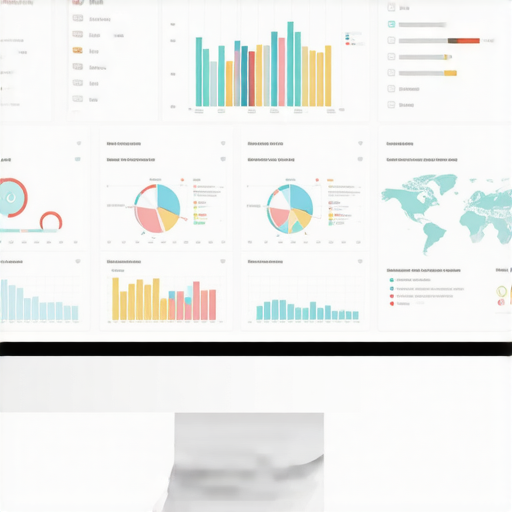
Conventional SEO reports often emphasize surface metrics—average position, impression counts, click-through rates—while neglecting the underlying data integrity. For example, KPI visualization tools that don’t account for map data drift can inflate your perceived progress or hide losses. This misrepresentation leads to strategic misfires because decisions are based on inaccurate snapshots. Instead, specialists recommend integrating geo-verification procedures and leveraging tools that include real-time map data validation, like those discussed in this guide. Don’t let your reports become stories of false hope or unwarranted failure.
Moreover, many overlook the importance of advanced Google Business Analytics features that track actual customer interactions, not just visibility metrics. These insights reveal whether your rankings translate into real-world leads, revealing potential data gaps that standard tools can’t detect. Implementing such nuanced analytics is vital for a comprehensive local SEO strategy—remember, what you can’t see can hurt you.
How does map data impact SEO insights on a granular level?
At the core, inaccurate map data impacts every facet of your SEO efforts, from localized keyword research to competitor analysis. If your map grid drifts or locations are misclassified, your rank tracking software reports false rank drops or gains. This can, in turn, misinform your content creation, citation building, and review management strategies. These advanced nuances are often missed when SEOs focus only on surface metrics, leading to a false sense of security or unnecessary panic. To avoid this, it’s crucial to use sophisticated tools tailored to detect and correct map grid errors—something well-covered in this resource. Remember, accuracy in data isn’t just a technical necessity—it’s the backbone of sustainable local growth. If you haven’t audited your map data recently or integrated GPS-informed insights into your reports, now’s the time. Don’t let your competitors exploit this blind spot. Have you ever fallen into this trap? Let me know in the comments.
Maintaining your local SEO infrastructure demands more than just initial setup; it requires consistent attention, the right tools, and a strategic approach to ensure sustained results. Personally, I rely on advanced SEO reporting software that integrates seamlessly with Google Business Analytics, like this platform. It allows me to monitor KPIs dynamically, spot anomalies early, and adjust campaigns in real-time.

How do I keep my local SEO data accurate over time?
One essential step is regular data audits, which involve cross-verifying location accuracy with tools that quantify map grid drift, like this guide. Using GPS-informed rank tracking software ensures you’re measuring what truly matters: your real-world visibility. I’ve found that scheduled weekly reviews help catch issues like duplicate listings or misplaced pins before they impact KPIs.
What tools are indispensable for long-term monitoring?
Beyond basic dashboards, I recommend leveraging KPI visualization strategies that turn complex data into clear narratives. This is crucial as algorithms evolve. For instance, tools that display changes in local pack rankings correlated with lead flow, as discussed here, keep campaigns adaptable and proactive. Regularly updating your dashboard templates based on these insights keeps your team aligned and focused.
Scaling for future growth
As your local presence expands, automation becomes vital. Incorporating scripts and APIs that continuously sync your map data and KPIs reduces manual errors. Additionally, exploring AI-driven insights—predicting potential rank fluctuations based on historical data—can place you ahead of competitors. In the coming years, integrating these predictive analytics will be non-negotiable for maintaining a competitive edge.
Key takeaways for sustainable success
Consistent monitoring, utilizing GPS-aware tools, and investing in advanced KPI visualization are the cornerstones of effective long-term SEO. I urge you to test one of these strategies today. For example, set a weekly automatic audit using this technology and see how much clearer your data becomes. Remember, the more proactive you are in maintaining your maps and reports, the fewer surprises you’ll encounter when the rankings shift unexpectedly, especially as we approach the complexities of 2026.
What I Wish I Knew About Maps Data Before Messing Up
One of my biggest aha moments was realizing how tiny map inaccuracies could derail my entire local SEO strategy. Accepting that small positional errors—what I now call map grid drift—could distort rank tracking pushed me to seek more precise solutions. It taught me that proactive verification isn’t just a technical step; it’s a foundational practice for sustainable growth.
Another lesson was understanding that traditional KPI dashboards can hide these subtle inaccuracies. Relying solely on surface metrics without diving into data integrity often leads to false confidence. Diving deep with GPS-informed tracking tools and regular audits transformed my approach, making my reports reflect true performance instead of misleading illusions.
Finally, I learned that an integrated analytics environment—combining Google Business insights with advanced map verification—gives a 360-degree view. This synergy is crucial, especially with the evolving landscape of local search in 2026. As I fine-tuned my system, I discovered that continuous learning and adaptation are key to maintaining an advantage over competitors.