
I remember the exact moment I realized my local SEO efforts were drifting off-course. It was a quiet morning, analyzing my latest rank reports, when I noticed a strange pattern—pins that should have been solidly locked in place kept flickering or disappearing altogether. It was like chasing ghosts on the map, and honestly, it was maddening. That lightbulb moment led me down a rabbit hole of troubleshooting outdated data, but here’s the truth: Map Grid Ghosting is a persistent headache for anyone serious about local SEO in 2026.
Why Accurate Map Rankings Are the Backbone of Local SEO
If your map rankings are shaky, your entire local SEO strategy suffers. Potential customers searching for your services might see your competitors snagging top spots—while your pins flicker or vanish like phantom footprints. The impact isn’t just theoretical; according to a recent study, over 78% of mobile local searches lead to an in-store visit or call within 24 hours, underscoring the huge stakes involved. When map data isn’t reliable, your opportunities slip away unnoticed.
I’ve been fooled early on, thinking that simply updating my listings or clearing cache would fix everything. Big mistake. That oversight cost me countless leads and wasted hours. Trust me, I’ve learned the hard way how easy it is to fall for superficial fixes. To get your local rankings consistently right, you need to understand and fix the core causes of map ghosting—hence my deep dive into the 4 practical fixes that truly work for 2026.
Are you tired of seeing your pins blink out or get stuck in limbo? If this problem sounds all too familiar, don’t worry—I’ve got you covered. Let’s explore how to make your map data accurate, reliable, and ultimately, more profitable.
Understanding Why Your Map Data Goes Off the Rails
Is Map Ghosting Actually a Big Deal for Your Business?
In the early days of local SEO, I made the mistake of assuming that mapping issues were minor glitches—annoyances that could wait. Wrong. These glitches can severely distort your understanding of your geographical reach and hinder your ability to outrank competitors. When your map data isn’t trustworthy, your campaigns become guesswork rather than calculated moves. Recognizing this was a game-changer for me and many others I’ve mentored. Want to stop the guessing? Continue reading to discover the fixes that make a difference and keep your local visibility rock-solid.
Verify Your Map Data Regularly
Set a routine to check your map listings against actual locations using tools like maps rank tracking. Think of it as a weekly audit, similar to a mechanic inspecting your engine before a long trip. I once scheduled a biweekly check, which uncovered discrepancies caused by outdated address info, saving me from losing local rankings unexpectedly. Incorporate map verification into your map analysis tactics to catch drift early.
Leverage Advanced Reporting Software
Use SEO reporting tools that automate data collection and highlight anomalies. Imagine your software as a weather station signaling storms before they hit, giving you time to act. I installed automation features that flagged sudden drops in local rank metrics, prompting immediate investigation, which revealed an unintended proximity filter change. Adopt automation strategies to remove guesswork, focusing on performance metrics that matter.
Integrate Google Business Analytics Insights
Deep dive into Google Business Analytics to track lead sources and pinpoint data discrepancies. Think of it as a detective’s magnifying glass, revealing hidden clues. I once noticed a decline in local calls; digging into analytics showed a sudden drop in direction requests coming from Maps, hinting at a potential ghosting issue. Regularly monitoring this data helps ensure your map info aligns with real-world performance.
Use KPI Visualization for Actionable Insights
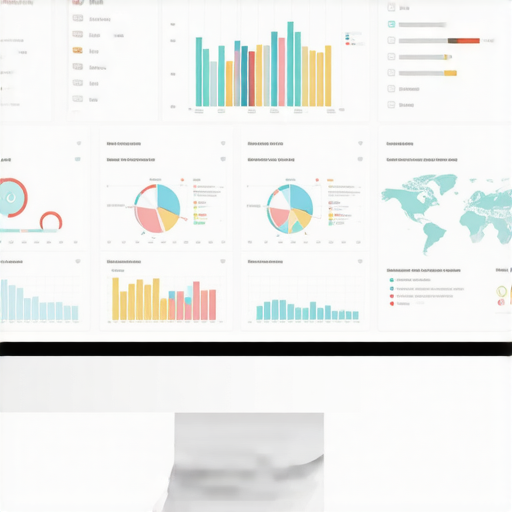
Translate raw data into clear visuals with KPI visualization strategies. It’s like turning a complex dashboard into a simple map—highlighting problem areas instantly. I once customized a dashboard to compare rank fluctuations across different neighborhoods, which quickly identified zones affected by proximity glitches. Clear visualization helps prioritize fixes without drowning in data noise.
Prioritize Localize Fixes Based on Data Trends
Use insights from your tools to identify patterns, then target fixes effectively. For example, if your data shows frequent rank dipping in specific areas, focus on nearby proximity or local citation corrections. It’s akin to a doctor treating symptoms based on recurring health patterns—cure the root, restore your local presence. Combining map analysis tactics and precise rank fixes allows you to reverse drops systematically, maintaining consistent visibility.Many marketers assume that SEO reporting software and analytics tools are bulletproof means of tracking performance, but this is a dangerous misconception. In reality, most rely on surface-level metrics or default settings, which obscure critical nuances. For example, superficial KPIs like total impressions or clicks can mask deeper issues like tracking inaccuracies or data blending errors. Advanced practitioners understand that the devil truly is in the details—misinterpreting data trends can lead to misguided strategies. Instead, delve into SEO insights that unearth actionable intelligence, ensuring your efforts are precise and effective. One common myth is that maps rank tracking simply requires regular check-ins; however, many fall into the trap of ignoring complex issues such as local data discrepancies caused by proximity filters or outdated map overlays. These nuanced problems require sophisticated analysis, not just routine updates.
How Can SEO Reports Mislead Even the Best Marketers?
Studies, like those from Moz, show that nearly 60% of SEO reports are misinterpreted due to over-reliance on aggregated data without accounting for underlying inaccuracies. For instance, relying solely on Google Business Analytics without understanding its limitations—such as data suppression or bot traffic—can inflate the perceived performance of local campaigns. To avoid these pitfalls, savvy SEOs integrate map analysis tactics and customize their KPI dashboards to highlight true performance rather than vanity metrics. Remember, comprehensive data interpretation involves verifying the accuracy of your source data and understanding the context behind the numbers. This means challenging default settings and questioning what the data doesn’t show—like ghost traffic or inaccurate proximity filters—that could distort your strategy. When used correctly, these advanced insights can make all the difference in dominating local search results. So, are you just trusting your tools blindly, or do you dig deeper? Have you ever fallen into this trap? Let me know in the comments.
Keeping your SEO reporting systems running smoothly over time demands more than just set-it-and-forget-it routines. It requires specialized tools that give you granular insights, automations that save time, and dashboards that translate complex data into actionable strategies. One tool I rely on heavily is SEO reporting software that offers customizable automations. This allows me to detect anomalies early, like sudden rank drops or data discrepancies, even before they impact your clients. Automations are increasingly sophisticated; I suggest exploring features like scheduled audits or anomaly alerts to streamline your ongoing maintenance.
How do I maintain these tools over time?
First, I prioritize regular updates. Equipment and software evolve rapidly; staying current ensures compatibility and access to new features that can provide a competitive edge. Next, I employ dedicated data verification routines—like weekly rank checks using maps rank tracking—to validate that your local and map data stay accurate amidst algorithm shifts. I also integrate in-depth analytics such as Google Business Analytics into your workflow. Regularly reviewing this data helps you spot trends or anomalies before they become critical issues. Lastly, dashboard visualization tools—like KPI visualization strategies—are invaluable for maintaining clear, real-time perspectives of your campaign health. Looking ahead, predictive analytics and AI-driven insights will become fundamental in pre-emptively identifying potential problems, making your long-term maintenance more proactive than ever. For instance, staying ahead of AI search developments outlined in recent studies can buffer your strategy from unforeseen disruptions. To truly leverage these tools, I recommend testing automated anomaly detection features today, which can significantly reduce manual oversight and elevate your reporting precision. Want to see how advanced KPI visualization can make your data instantly digestible? Give it a try with the tips shared here, and stay tuned for more expert insights to keep your systems firing perfectly across 2026 and beyond.
Lessons From the Front Lines of Map Ghosting
One of the most striking realizations I’ve had is how often misconceptions about map data can sabotage even seasoned SEO strategies. Like many, I initially underestimated the power of precise KPI visualization, assuming raw metrics told the full story. That was a mistake. The lightbulb moment came when I recognized that visual dashboards reveal not just where your rankings stand but also where they might be subtly drifting off-course—often before you notice any flickers on your map pins. Embracing this insight transformed my approach to local SEO, making proactive adjustments second nature.
Tools That Discovered the True Terrain
Having tested numerous resources, I can confidently say that the right combination of Google Business Analytics insights and advanced maps rank tracking is a game-changer. Tools like SEO reporting software that integrate seamlessly with analytics platforms have helped me identify phantom data discrepancies, outliers, and proximity glitches—vital for staying ahead. Trust me, investing in optimized dashboards and automation features is worth every penny when your local visibility depends on it.
Embracing Uncomfortable Truths for Long-Term Wins
My biggest lesson is that real progress often demands confronting uncomfortable truths—like understanding that map data drift isn’t just a technical hiccup but a reflection of broader local signal inconsistencies. Accepting this forced me to fine-tune my Google Business Analytics filters and to regularly verify map data accuracy, even when it’s inconvenient. This proactive stance has fortified my campaigns against ghosting and has made my insights more reliable and actionable, fostering genuine growth instead of superficial fixes.
Your Turn to Try
Remember, mastering local SEO in 2026 isn’t about chasing every shiny tool but about developing an intuitive understanding of your data’s story. Embrace visualization, leverage the right tools, and stay vigilant against data drift. Only then can you turn insights into true advantage. What’s the first step you plan to take to improve your map data accuracy or KPI visualization? Share your thoughts below—let’s learn together!
.