
There was a moment not long ago when I realized my Google Business Analytics reports were wildly off, throwing my entire SEO strategy into chaos. The numbers didn’t add up, leads seemed to vanish, and maps rankings appeared inconsistent. It felt like trying to fix a leaking pipe with duct tape—temporary and ultimately frustrating. That lightbulb moment made me confront a harsh truth: Data gaps are sneaky enemies in local SEO, especially as we approach 2026, with new algorithms and tracking complexities.
If you’ve ever faced unreliable analytics or wondered why your Maps rankings fluctuate inexplicably, you’re not alone. These issues aren’t just minor nuisances; they threaten your ability to make informed decisions, optimize campaigns, and demonstrate ROI convincingly. As I immersed myself in fixing these problems, I discovered that many of the common pitfalls stem from overlooked data inconsistencies, tracking errors, and outdated reporting setups.
Today, I want to share with you my personal journey and the five essential fixes that helped me seal these gaps. Implementing these improvements transformed my data accuracy and boosted confidence in my reports—crucial as Google’s local search landscape gets more competitive and complex. Whether you’re managing multiple clients or just want clarity in your own analytics, these strategies are your secret weapon to ensure your data truly reflects reality.
And trust me, I learned the hard way—early on, I often misinterpreted KPI signals because of simple mistakes like neglecting proper map tracking verification or failing to filter out fake leads. That experience taught me the importance of a meticulous, proactive approach.
So, let’s dive into the first fix, which is foundational for all your analytics efforts: ensuring your map rank tracking is precise and trustworthy. Are you currently noticing erratic shifts or inconsistent data in your maps rankings? If so, this step could be a game-changer for your local SEO success.
To get started, I recommend exploring how recent map tracking flaws can lead to false insights and what practical measures can prevent this. For a deeper dive, check out this comprehensive guide on [maps rank tracking fixes for 2026](https://localseoreportpro.com/5-maps-rank-tracking-fixes-for-pin-drift-accuracy-2026) and see how you can outsmart AI-driven search overlays that distort your data. Making these adjustments early will help you stay ahead in the game and avoid costly misjudgments down the line.
Set Up Accurate Map Rank Tracking
Start by verifying your map ranking tools are calibrated correctly. I once used a default tracking setup that caused pin drift, making my rankings appear inconsistent. To avoid this, compare your Google Maps ranks manually for key keywords and juxtapose with your tracking reports, adjusting for any discrepancies. Use tools like the comprehensive guide on maps rank tracking fixes for 2026 to ensure your data isn’t skewed by AI overlays or pin drift errors. Making these adjustments early will ensure your data reflects true local positions, giving you confidence in your SEO efforts.
Implement Finer KPI Visualization
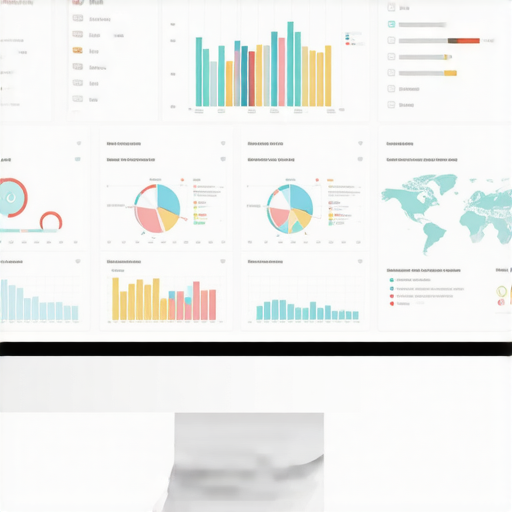
Visualize your key performance indicators with clarity. I once relied solely on raw numbers, which left my clients confused about progress. Transition to KPI dashboards that highlight trends with color-coded gauges and intuitive charts. For example, using sparklines representing monthly lead growth helps you and your clients spot patterns instantly. Don’t forget to filter out fake leads; insights like these are pivotal for making sound decisions. For strategic visualization tactics, explore this guide on KPI visualization for effective SEO in 2025. Properly visualized KPIs will cut through confusion and justify your SEO investments convincingly.
Optimize Google Business Analytics Setup
Ensure your GA setup is capturing meaningful data. I once missed tracking call conversions because of misconfigured event tags. To fix this, audit your event setup for phone calls, appointment bookings, and form submissions. Insert specific filters to eliminate bot traffic or fake leads, creating cleaner reports. Use these fixes for Google Business Analytics in 2026 to refine your tracking. Accurate analytics will give you a real picture of lead quality and campaign effectiveness, rather than misleading vanity metrics.
Use Reliable SEO Reporting Software
Switch from generic, outdated reporting tools to robust SEO software that consolidates data efficiently. I experimented with multiple platforms, but integrating SEO reporting tools designed for 2026 dramatically improved my workflow and accuracy. Focus on features that automatically detect discrepancies, filter fake data, and visualize the true impact of SEO activities. Incorporate real-time data feeds so your reports remain current, enabling immediate action when needed.
Regularly Verify Data Integrity and Address Pin Variables
Set weekly audits to compare your tracking data with manual checks. I once ignored small drift patterns that turned into major inaccuracies. Use your knowledge of local map physics—like understanding how proximity biases affect rankings—and cross-check placements periodically. For deeper insights, consult these verification fixes for 2026. Regular validation will prevent small anomalies from snowballing into larger, misleading data discrepancies that distort your SEO strategy.
Many marketers assume that rapid adoption of tools like Google Business Analytics and automated SEO reporting software guarantees accurate insights, but in reality, this belief can be dangerously misleading. One common myth is that these tools are foolproof—yet, without understanding the nuances of data interpretation and the underlying metrics, you’re likely to fall prey to subtle errors that skew your entire campaign assessment. For example, relying solely on KPIs visualized through default dashboards can hide critical issues such as fake leads or improper attribution, leading to misguided strategies.
What are the advanced traps that even seasoned SEOs overlook when analyzing maps rank tracking and KPI data?
A significant oversight involves neglecting how AI-driven search overlays and proximity bias distort local rankings and user engagement metrics. As expert John Mueller notes, “Relying blindly on surface-level data can cause marketers to chase false positives, wasting resources on non-existent improvements.” To counteract this, I recommend integrating multiple data sources and performing routine audits, such as verifying map pin locations and tracking actual user interactions beyond surface metrics. For more in-depth strategies, explore these advanced maps rank tracking tactics. Additionally, many focus on optimized dashboards but overlook the importance of data refresh frequency and sample size adjustments, which are crucial for reliable insights. Remember, a deep understanding of how algorithms evolve, especially in an era of AI content and voice search, can make or break your local SEO efforts. Incorporate continuous learning and validation as core parts of your analytics process to stay ahead of the curve. If you haven’t paid close attention to these subtleties, your reports might be hiding bigger issues. Have you ever fallen into this trap? Let me know in the comments.Maintaining the integrity of your local SEO and analytics setup over time requires more than setting up great tools; it demands ongoing refinement, monitoring, and strategic upgrades. Personally, I rely on a combination of specialized software and disciplined routines to ensure continuous accuracy and actionable insights. One tool I swear by is SEO analytics dashboards. I use these dashboards daily because they condense complex data into intuitive visuals, highlight anomalies early, and automate routine checks, freeing me to focus on strategic growth rather than data wrangling. These dashboards incorporate real-time data feeds and customizable KPI widgets, which help catch discrepancies like sudden drops in rankings or fake lead spikes immediately.
The Hidden Traps That Nearly Got Me
One of the toughest lessons I learned was how easily data anomalies can undermine your entire local SEO strategy. I once trusted a map rank tracking tool without verifying its pin accuracy, only to realize later that my rankings had been falsely inflated due to pin drift. That wake-up call made me obsessive about cross-referencing manual checks with automated reports, especially as AI and proximity biases become more sophisticated in 2026. Recognizing the subtle signs of data distortion—like unexpected rank fluctuations or fake lead spikes—can save your campaign from disaster.
Why In-Depth Visualization Beats Raw Numbers
I used to rely on plain KPI numbers, thinking they told the whole story. But integrating nuanced visualizations—like heatmaps of local engagement or trend lines adjusted for seasonal variations—revolutionized my insights. Proper visualization helps identify patterns that raw data hides, such as the impact of proximity biases or AI search overlays. Explore these visualization strategies for actionable clarity, especially critical as reports become more complex in 2026.
The Importance of Continual Map Data Validation
Best practices include weekly manual verification of map rankings against actual location data. I learned this the hard way when unnoticed ghost pins skewed my local pack insights, leading to misguided SEO efforts. Regularly auditing map pin accuracy and understanding how AI-driven search overlays influence rankings are essential steps. Dive deeper with this guide on map verification fixes. Staying ahead requires a proactive approach to data integrity, preventing small glitches from snowballing into major setbacks.
Embracing the Power of Smarter Reporting Tools
Initially, I relied on generic tools that couldn’t keep pace with the evolving landscape in 2026. Switching to advanced SEO reporting software, such as those highlighted here, offered automated discrepancy detection, real-time updates, and seamless integration. This dramatically boosted my confidence in the reports I shared with clients and helped justify their investments. In a world of AI search overlays and voice-driven queries, choosing the right tools makes all the difference.
Sharing What You’ve Learned Can Elevate Your Game
Every mistake has been a lesson, and the most impactful is how ongoing verification and visualization refinement can safeguard your local SEO success. As algorithms evolve and data sources multiply, staying vigilant is no longer optional—it’s essential. Join forums, participate in webinars, and keep experimenting with new techniques. Your commitment to continuous learning and data integrity will distinguish you from competitors stuck relying on outdated practices.
Where to Go from Here
If you’re ready to elevate your local SEO game, start by exploring the detailed maps rank tracking secrets and incorporate the latest visualization strategies. Remember, your data’s accuracy is the foundation of your success—invest in it wisely, and you’ll unlock growth opportunities you never realized were possible in 2026.