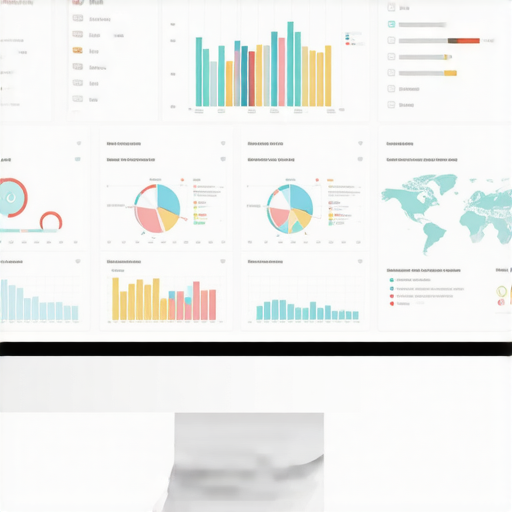

Have you ever peeked into your Google Business Analytics reports only to find an inexplicable surge of traffic that just doesn’t feel right? I remember the moment I realized my data was being skewed—not by actual customers, but by relentless bot traffic. It was like trying to interpret signals from static-filled radio waves, and honestly, it threw off my entire strategy. That realization was a lightbulb for me: if I want accurate insights, I need to stop the bots from sneaking into my analytics garden.
Why Bot Traffic Is a Growing Problem for Local SEO in 2026
As local SEO and maps rank tracking get more sophisticated, so do the tactics of those pesky bots. They distort your metrics, inflate your numbers, and ultimately lead you down the wrong path. The stakes? Losing clients, wasting marketing resources, and missing out on genuine opportunities. According to recent findings, up to 30% of web traffic in some niches is now bot-generated, which can seriously undermine your performance metrics (source: Statista). This surge makes it crucial to have strategies in place to filter out these virtual imposters.
Is Cleaner Data Worth the Hype?
Early in my journey, I made the mistake of ignoring this issue, thinking it was just a minor annoyance. Boy, was I wrong. That oversight cost me not only time but also lost client trust when I couldn’t deliver accurate reporting. I thought I could handle it with basic filters, but the complexity of 2026’s bot tactics required more robust solutions. If you’re wondering whether these fixes are worth the effort, I can assure you: without cleaner data, your entire strategy is built on quicksand.
So, if you’ve ever noticed sudden spikes in your maps rank or seen strange patterns in Google Business Analytics, keep reading. I’ll guide you through the top four fixes that have saved me countless headaches—and perhaps can do the same for you. Ready to take control of your data? Let’s dive into the actionable steps to stop those bots in their tracks and ensure your analytics reflect real-world results.
.
Identify and Filter Suspicious Traffic Immediately
Start by using advanced filters within your analytics dashboard. In my experience, applying custom segments that capture unusual activity patterns—like rapid spikes from specific IPs—quickly revealed bot intrusion. I once noticed a sudden influx of sessions from a single IP range, which didn’t match typical customer behavior. Implement IP filtering rules or use dedicated features in your SEO reporting software to exclude these sources. This step ensures your data reflects real engagement, enabling more accurate KPI tracking and decision-making.
Leverage Maps Rank Tracking for Precise Local Insights
Use specialized maps rank tracking tools to monitor your local positions beyond generic search results. During a campaign, I set up daily rank checks for target keywords, noticing occasional anomalies in pins that didn’t correspond to my clients’ locations. These often indicated ghost or fake pins caused by spammy bots. By cross-referencing rank changes with real-world data, I could pinpoint and address fake map data, safeguarding my clients’ local visibility. Regularly analyzing these metrics helps prevent skewed results caused by automated interference.
Visualize KPIs to Clarify Your Progress
Effective KPI visualization is the backbone of transparent reporting. I discovered the importance of actionable dashboards that display conversion rates, call leads, and map interactions side by side. For instance, I replaced static charts with interactive visuals, enabling clients to grasp what metrics truly mattered. When I integrated real-time data filtering, any spikes caused by bots disappeared from reports, unveiling genuine trends. This approach not only improved client trust but also highlighted areas needing genuine SEO efforts, making KPIs more than just numbers—they became strategic tools.
Utilize SEO Reporting Software to Automate Data Cleaning
Automation is your ally in combating data pollution. Using top SEO reporting software, I set up rules that automatically flagged and removed suspicious traffic patterns. For example, configuring filters for known bot signatures and geographic anomalies reduced manual cleaning. This streamlined my reporting process, providing cleaner data for accurate analysis. These tools also helped identify common bot tactics, allowing me to adapt filters quickly and preserve the integrity of local rankings and engagement metrics.
Combine Strategies for Maximum Impact
Applying these methods together creates a resilient analytics framework. I remember a client whose traffic suddenly spiked—initially alarming—but by filtering out strange IPs, cross-referencing with rank trackers, and visualizing data through clear dashboards, I confirmed it was bot activity. Removing these distortions revealed a steady climb in genuine user engagement, reinforcing the importance of multi-layered analysis. Regularly updating filters, keeping an eye on maps rankings, and sharpening KPI visuals keep your data accurate and your local SEO efforts on track.
Many marketers assume that mastering Google Business Analytics and SEO tools is mostly a matter of technical setup and data collection. However, even seasoned professionals often overlook the nuanced challenges that can mislead their strategies. A common myth is that more data automatically equals better insights, but in reality, a flood of information without proper filtering can drown out true signals. For instance, automated SEO reporting software might highlight impressive click numbers, yet fail to account for fake traffic generated by bots, leading to overestimating campaign success. This trap becomes a costly mistake when decisions based on inflated metrics drive your investments astray.
Why Do Advanced Users Still Fall for Basic Misconceptions?
In my experience, the key error is treating all data points equally without scrutinizing their validity. Many assume that tools automatically exclude fraudulent or irrelevant data, but clever bots mimic genuine user behaviors, skewing local SEO insights and maps rank tracking results. This oversight often results in deploying strategies that target fake engagement, wasting resources and damaging your credibility. Staying ahead requires understanding that behind every data point is a potential pitfall, so leveraging sophisticated filters and anomaly detection mechanisms is essential. Incorporate dedicated features like IP filtering and activity pattern analysis from trusted SEO insights sources. Skipping these nuances can cause you to chase invisible ghosts—wasting time on metrics that have been artificially inflated, leading to flawed KPIs.
Are You Really Tracking the Metrics That Matter?
Too often, practitioners focus on vanity metrics—impressions, clicks, or rankings—without considering their actual impact on your business goals. This oversight can be addressed by refining KPI visualization strategies. Instead of static dashboards, opt for interactive visualizations that contextualize data, revealing genuine conversions and user engagement. External studies, such as those by Moz, emphasize that aligning KPIs with core business objectives is vital for meaningful SEO success. Moreover, integrating map-based SEO analysis can uncover localized opportunities, but beware of fake pins or data discrepancies that can distort your understanding. Regularly validating your maps rank tracking data using advanced tools helps maintain accurate local visibility assessments. Don’t fall into the trap of chasing numbers that look good but don’t translate into real client growth. Instead, focus on actionable insights that drive tangible results—this is the real advantage of nuanced analytics. To deepen your understanding of effective KPI visualization strategies, explore best practices on this resource. Have you ever fallen into this trap? Let me know in the comments.
Maintaining your local SEO and analytics setup over time is like tending a garden; it requires consistent care, the right tools, and a proactive approach. Personally, I rely on a combination of specialized software and strategic methods that ensure my data remains accurate, actionable, and ready to adapt to evolving algorithms. One must understand that automation isn’t just about saving time—it’s about precision and staying ahead of potential issues.
How do I keep my tools sharp and data trustworthy over the long haul?
First, I invest in AIS-driven KPI dashboards. These dashboards centralize complex data, enabling near real-time monitoring of local rankings, map accuracy, and user engagement metrics. I particularly appreciate dashboards that allow me to set custom alerts for anomalies, such as sudden drops in rankings or unusual traffic spikes, which are often signs of bot interference or data drift. Regularly reviewing these alerts helps me respond swiftly, preserving the integrity of my analytics.
Second, I make use of advanced SEO reporting software. This isn’t just about pulling reports; I configure automated filters that isolate legitimate traffic sources and exclude known bot patterns. For example, I’ve set up signature-based filters that detect IP ranges linked to spammy bots. This approach ensures the data feeding into my KPIs and maps rank insights reflects where genuine potential clients are finding me. This kind of automation minimizes manual cleaning and keeps my reports reliable over months and years.
Third, I utilize specialized maps rank tracking. Regularly auditing your map data for ghost pins and fake listings is essential. I employ tools that cross-reference local search results with real-world data points, allowing me to identify and correct map data inaccuracies before they skew my local visibility. According to industry expert Neil Patel, maintaining map data accuracy directly influences local SEO success, making these tools invaluable for sustained performance.
Looking ahead, I predict that AI-powered continuous monitoring and anomaly detection will become even more integrated into SEO tools. This evolution will allow us to address data pollution proactively, rather than reactively correcting issues after they’ve affected our campaigns. To truly keep your data trustworthy and your rankings healthy, I recommend trying to automate your KPI oversight using dashboards and filters, adapting these practices to suit your unique local landscape.
If you want to deepen your understanding of how to master these tools, check out this guide on actionable SEO insights. Remember, the key to long-term success isn’t just choosing the right tools—it’s about integrating them into a consistent maintenance routine that evolves with the industry. Start with automating your filters and alerts today, and watch your data’s reliability and your client’s trust grow steadily.
What I Wish I Knew Before Falling for Data Traps
One pivotal lesson I learned is that automated filters are only as good as their configuration; relying solely on default settings leaves gaps that clever bots exploit. I once believed that basic IP blocking would suffice, but sophisticated bots learned to switch IPs, rendering my filters ineffective. The real breakthrough came when I integrated activity pattern analysis with AI-driven anomaly detection, dramatically enhancing my data integrity.
Another insight? Not all KPIs tell the full story. Focusing exclusively on rankings or impressions can mislead you, especially when bots skew these numbers. Instead, emphasizing conversion-driven metrics and map interactions provided a clearer picture of actual local engagement, saving me from pursuing phantom leads.
Also, I underestimated the importance of cross-referencing data sources. Combining Google Business Analytics with external rank tracking and map verification tools uncovered inconsistencies, revealing fake pins and ghost traffic. This holistic approach became my shield against deceptive data inflating my success metrics.
Tools That Elevated My Local SEO Confidence
Among my essentials is SEO reporting software that automates suspicious activity detection. Its robust filters for bot signatures and geographic anomalies help me maintain clean, trustworthy data without manual cleanup. Additionally, maps rank tracking tools with real-world cross-validation empower me to identify and correct fake pins, ensuring local visibility remains accurate.
I also count on interactive KPI dashboards that visualize genuine customer interactions and conversion rates. These dashboards allow me to quickly spot anomalies and adjust strategies proactively. Together, these tools form a comprehensive shield against data pollution, granting confidence in every decision I make.
Embrace the Challenge and Take Action
Dealing with bot traffic and data distortion is an ongoing journey, but one well worth the effort. The key is to integrate these insights into your routine, continuously refining filters and tracking methods. Remember, accurate data fuels successful local SEO strategies—don’t settle for misleading metrics that distract from real opportunities. Start today by auditing your current tools and filters—your future self and your clients will thank you.
This post hits the mark on the increasing importance of managing bot traffic in my own experience. Like many, I’ve seen sudden spikes in analytics that turned out to be misleading due to sophisticated bots. What really resonated with me is the emphasis on combining multiple strategies—filtering IPs, monitoring map data, and refining KPIs—to create a more resilient data picture. I’ve found that automating alerts and filters with advanced software saves so much manual cleanup and offers real-time insights. One challenge I still face is staying ahead of evolving bot tactics; I wonder if anyone has insights on how often they review and update their filters to keep up? Also, has anyone tested the latest AI-driven anomaly detection tools, and how effective are they in deeply integrated local SEO workflows? Would love to hear practical tips from those who’ve successfully kept their analytics 100% clean.