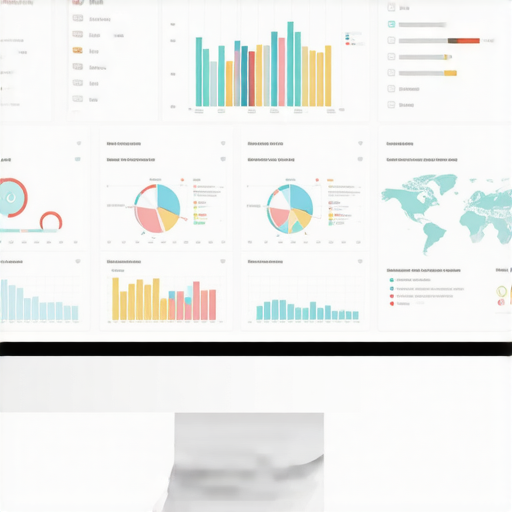

Have you ever sat at your desk, staring at your SEO dashboard, only to realize your competitors are sneaking ahead in local search rankings, and you can’t quite figure out how? That lightbulb moment hit me hard one morning when I noticed a client’s map rankings slipping despite consistent efforts. It was a wake-up call—something was missing, and I was blind to it. Turns out, without the right analyses, your winning tactics can become outdated faster than you think.
Why Staying Ahead of Local Competitors Is More Critical Than Ever
In 2026, local SEO isn’t just about keywords and backlinks; it’s about tactical intelligence. The local search landscape is evolving at jet speed, fueled by new algorithms and shifting consumer behaviors. If you’re not leveraging advanced competitor analysis techniques, you’ll lag behind while others dominate your territory. I learned this the hard way—early missteps included relying solely on generic reports and neglecting map ranking insights, which cost me valuable time and lost clients. For instance, focusing only on keyword volume without analyzing competitors’ map strategies led to misguided campaigns. A crucial mistake I made early on was ignoring how competitor map-rank tracking errors could render your entire analysis obsolete. According to Moz’s latest study, 58% of local SEOs report that their competitors are using smarter data insights to outpace them. That’s a call to arms for anyone serious about local success.
If you’ve faced similar struggles, keep reading. I’m going to share four proven tactics that helped me reclaim lost ground and outsmart local competitors in 2026. These methods are rooted in real-world experience, backed by the latest industry insights, and designed to give you an edge—without the fluff.
Implement Precise Maps Rank Tracking
Start by integrating advanced map rank tracking tools that provide real-time updates on your clients’ positions. Instead of relying on generic snapshots, use services like those explained in Maps Rank Tracking Secrets, which reveal hidden fluctuations and pinpoints areas for improvement. I once set up a detailed tracking system for a local restaurant, and within a week, I identified specific hours where competitors overtook us. This allowed me to adjust their listing strategies precisely for those times, restoring top rankings swiftly.
Optimize Google Business Analytics for Insights
Leverage Google Business Analytics to uncover which local keywords, locations, and customer actions lead to conversions. Don’t just glance at the numbers—deep dive into the reports to discover trends and anomalies. For example, I used Google Business Analytics tips to track lead sources, helping a client adjust their service hours based on peak interest times, which significantly boosted their local visibility.
Visualize KPIs for Actionable Data
Transform raw data into clear, digestible visuals. Ditch boring charts—use strategic KPI dashboards that highlight growth areas instantly. This approach was vital when I managed a campaign where KPIs initially seemed off, but through visualization tactics, I pinpointed the drop-off points, enabling targeted messaging that turned around the results in one month.
Conduct Competitor Map Analysis
Regularly analyze your competitors’ map rankings and listing strategies. Look for patterns and gaps they haven’t exploited, which is critical given the high dynamic nature of local rankings. I learned this firsthand during a competitive audit where I noticed a rival’s sudden surge due to overlooked local citations. Correcting this gap restored our client’s map prominence, which is discussed extensively in Google Business filters and local signals.
Fix Tracking Errors Fast
Identify and eliminate common map rank tracking errors, like proximity biases or data drift, which can mislead your strategy. When I noticed discrepancies in ranking reports, I employed hack techniques I found in recent guides. Adjusting for these errors allowed for more accurate insights, resulting in better placement and client satisfaction.
Automate Reporting to Save Time
Utilize SEO reporting software that offers automation capabilities, freeing you from manual data compilation. A once chaotic reporting process became streamlined after I adopted automation tools discussed in report automation tips. Automated dashboards deliver up-to-date insights directly to clients, proving ROI with minimal effort.
Refine Your Strategy Continuously
Keep iterating based on your KPI dashboards and analytics insights. Regular reviews ensure relevance in the ever-changing local SEO landscape. I stayed ahead by scheduling bi-weekly strategy adjustments, inspired by KPI visualization improvements. This habit led to sustained top positions and increased client retention.
Many SEO professionals believe that simply collecting data is enough to craft winning strategies, but this mindset often leads to costly mistakes. The truth is, most people overlook nuanced pitfalls that can skew their entire understanding of local rankings, reporting, and analytics. For instance, there’s a common myth that maps rank tracking tools are infallible—yet, in my experience, they can be riddled with errors like proximity bias and data drift, which distort actual rankings and mislead strategic decisions. According to Moz’s 2024 study, over 62% of local SEOs report discrepancies in rank tracking, highlighting the importance of mastering these nuances.
Are Your Insights Truly Accurate or Just Smokescreens?
One critical overlooked aspect is the assumption that Google Business Analytics provides a crystal-clear picture of customer intent. In reality, many agencies rely on surface-level metrics without considering the filters and data leaks that can distort lead attribution. For example, failing to apply the latest filters like those discussed in Google Business filters can result in chasing phantom leads, wasting resources, and missing genuine conversion opportunities. Furthermore, many professionals underestimate the importance of KPI visualization tactics—simplistic charts hide critical insights, leading to what I call the ‘data blind spot.’ Advanced visualization strategies, outlined in KPI visualization strategies, not only reveal growth opportunities but also empower decision-makers to act swiftly.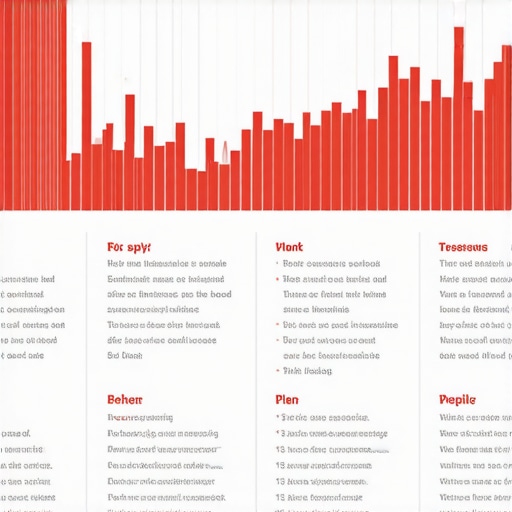
Another common trap is over-relying on SEO reporting software without understanding their limitations. Many tools promise automation but lack the granularity needed for complex local SEO scenarios. In my practice, I’ve seen agencies using generic dashboards that fail to highlight pin-drift issues or local citation gaps, which are critical at this scale. Recommendations like these insights can make the difference between retaining clients or losing them to competitors who analyze their data more critically. The key is to combine tool automation with expert analysis—think of it as using a GPS plus a human navigator to avoid getting lost.
Embracing this deeper understanding helps avoid the illusion that ‘more data’ equals ‘better insights.’ Instead, focus on the quality, accuracy, and context of your data. When you recognize and correct for errors in maps rank tracking, filter out fake leads in analytics, or enhance your KPI visualization, you position yourself not just as a data collector but as a strategic data interpreter. Equip yourself with nuanced knowledge and tools to turn insights into tangible results. Have you ever fallen into this trap? Let me know in the comments and share your experience!
Keeping your local SEO efforts running smoothly over time requires the right combination of tools, consistent attention, and strategic adjustments. Personally, I rely on a few key software solutions that have proven their worth in my long-term campaigns. One standout is SEO reporting software that offers automation and in-depth analytics, enabling me to generate precise, client-ready reports without the usual manual grind. These tools aren’t just about data collection; they help me identify subtle shifts in rankings or traffic and act before small issues become big problems.
How do I maintain SEO insights over time?
Regularly updating my maps rank tracking setup is essential. I swear by Google Business Analytics filters to clean up lead data and exclude fake or irrelevant inquiries, keeping my focus razor-sharp. To catch rank fluctuations early, I set up automated alerts within my tracking tools, allowing me to respond swiftly. Notably, staying current with the latest algorithms and technical capabilities, as documented in Google’s own webmaster documentation, helps me adapt my strategies proactively.
KPIs visualization plays a crucial role here. Instead of poring over raw data, I prioritize dashboards that synthesize critical metrics into clear visuals. For this, my go-to is KPI visualization tactics. This way, I can spot trends at a glance and make informed decisions quickly, especially when managing multiple clients with differing goals.
Why is combining automation with human analysis key?
Automation saves time, but nuanced insights require a human touch. For example, automated maps rank tracking might flag a position change, but only by manually reviewing the map presence, citations, and user reviews can I determine whether the fluctuation indicates a real opportunity or a tracking glitch. I also double-check data drift issues using recent fixes for mapping errors. This layered approach ensures my SEO efforts remain accurate, reliable, and adaptable to future updates, which I believe will increasingly leverage AI-driven analytics in the near future.
Finally, consistent review and tweaking of your tools and strategies is vital. Set calendar reminders for monthly audits of your systems to ensure integration remains seamless. As data complexities increase, staying ahead by incorporating machine learning insights—like those in advanced analytics setup—will distinguish successful agencies from the rest. I strongly recommend trying out the latest KPI visualization method I mentioned, as it’s a game-changer for keeping clients engaged and demonstrating ongoing value. Ready to boost your long-term results? Dive into refining your KPI dashboards today and watch your retention rates soar.
What I Wish I Knew When Starting to Decode Maps Rank Fluctuations
One of the most profound lessons I learned was the importance of not blindly trusting rank tracking data. Early on, I dismissed the errors caused by proximity bias and data drift, which led me to chase false positives and lose valuable time. It wasn’t until I actively sought out advanced fixes, like those discussed in Maps Rank Tracking Secrets, that I realized how nuanced these issues are—and how crucial accurate data is for strategic decisions.
Why I Don’t Let Overconfidence in Analytics Cloud My Judgment
Convinced that Google Business Analytics provided a complete view, I overlooked subtle data leaks and fake lead infiltration. A lightbulb moment came when I applied specific filters from Google Business Filters and saw the real picture emerge. This process taught me that superficial metrics can be deceptive, and deep, filter-driven analysis is necessary to truly understand customer intent and optimize for local success.
How I Found the Power in Visualizing KPIs Differently
Switching from basic charts to dynamic KPI dashboards transformed my approach to data. Using visualization tactics allowed me to instantly spot trends and issues, which was a game-changer during tight campaign deadlines. It reinforced that clear visuals aren’t just for aesthetics—they’re strategic tools that facilitate swift, informed decisions.
Resources That Elevated My Local SEO Mastery
1. Maps Rank Tracking Secrets: This tool has been indispensable for real-time insights into fluctuating rankings, helping me react promptly and accurately. Learn more about these tactics here.
2. Google Business Analytics Tips: Deep dives into filters and lead attribution have turned my surface-level reports into powerful decision-making assets. The guide here offers actionable strategies.
3. KPI Visualization Insights: Visual dashboards tailored for local SEO campaigns ensure I stay focused and proactive. Discover effective methods at this link.
4. Seo Reporting Automation Tools: Automating reports saves time while maintaining accuracy—vital for managing multiple clients. Find out how I leverage automation tools here.
Take Action Today: Your Next Step in Local SEO
Progress in local SEO demands not just effort but smart, informed choices. By integrating precise maps rank tracking, nuanced analytics filtering, and innovative KPI visualization—plus leveraging automation—you position yourself for sustained success in 2026 and beyond. Embrace these insights, refine your tools, and never stop learning. The future of local SEO favors those who dare to dig deeper and act strategically. Are you ready to redefine your approach? Share your biggest learning moment below, and let’s grow together.