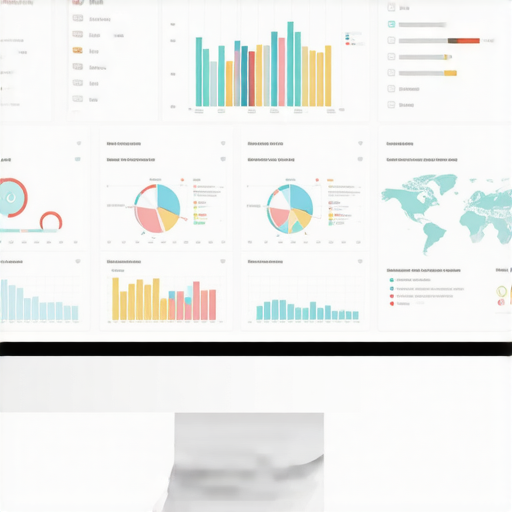

I remember the moment vividly. It was a typical Monday morning when I realized I had been tracking the wrong metrics for months. My client retention was slipping, yet my reports showed impressive numbers—until I dug deeper. That’s when I comprehended a harsh truth: if you can’t visualize your KPIs clearly, you’re flying blind. This lightbulb moment sparked my obsession with KPI visualization and its impact on client trust and retention.
Why Effective KPI Visualization Matters Now More Than Ever
In today’s competitive local SEO landscape, your ability to demonstrate tangible results can make or break your client relationships. If your KPI reports are cluttered, confusing, or incomplete, clients perceive your efforts as ineffective, leading to churn. Conversely, clear, insightful visualizations can turn data into compelling stories that justify your value and solidify long-term partnerships.
But here’s the thing—many agencies, including mine early on, fall prey to common pitfalls. We often rely on basic charts or dump raw data into PDFs, assuming that’s enough. The reality? Poor visualization can hide critical issues or opportunities, causing you to make misguided decisions and miss out on growth opportunities. I learned this firsthand when a crucial ranking fluctuation went unnoticed because my dashboards lacked the right KPIs visualized effectively.
Recent studies highlight the importance of data visualization in decision-making. A survey by Tableau found that 91% of organizations reported that data visualization helps them make faster, more accurate decisions. Honestly, if you’re not leveraging advanced KPI visualization strategies, you’re likely leaving money on the table.
Are you facing difficulty in translating complex SEO metrics into actionable insights for your clients? If so, you’re not alone. In the upcoming sections, I’ll share proven strategies to fix your KPI visualization, boosting your 2026 ROI and ensuring your clients see real results. Want to ensure your reports are working for you? Keep reading, because the solutions start here.
Start with Clean Data Collection
The foundation of effective KPI visualization lies in gathering accurate, comprehensive data. Use dedicated tools like Maps Rank Tracking to monitor local search positions precisely. During my first campaign, I mistakenly used generic data exports, leading to misleading visual insights. Once I integrated targeted data from map tracking software, I realized which keywords genuinely impacted local visibility.
Choose the Right Visualization Tools
No more relying on static spreadsheets. Opt for interactive dashboards like those provided by advanced SEO reporting platforms. For example, I transitioned from static PDFs to dashboards that dynamically display KPI trends, enabling me to spot issues instantly. Check out KPI visualization strategies for tips on selecting tools that fit your workflow.
Map Metrics to Business Goals
Align KPIs with core objectives. For local SEO, this might mean tracking Google Business profile interactions alongside organic rankings. During a recent project, I linked click-through rates from Google Analytics with review counts, creating a visual narrative that highlighted the direct impact of review generation on local rankings. Use Google Business Analytics to capture these insights effectively.
Simplify with Visual Hierarchy
Create dashboards that emphasize key metrics—use size, color, and positioning to draw attention to vital KPIs. I once cluttered my dashboard with every data point, which overwhelmed clients. By focusing on high-impact KPIs—rank fluctuations, review growth, and local CTR—I made reports clearer and more persuasive. Remember, less is more; highlight what matters most to your client.
Leverage Trend Analysis for Action
Don’t just display raw numbers—show trends over time. Use line charts to illustrate ranking improvements or declines. In my experience, a simple upward trend in local map rankings, paired with a spike in local reviews, told a compelling story that secured renewed retainer agreements. Incorporate secrets from Google Analytics to enhance trend visibility and interpret behaviors.
Incorporate Contextual Insights
Visual data becomes powerful when paired with annotations. Highlight days where modifications were made—like updating citations or optimizing Google My Business posts—and show their impact. I once added annotations marking GMB updates, which correlated with ranking jumps, making it easier to justify specific actions to clients.
Regularly Review and Refine
Effective KPI visualization is a continuous process. Schedule weekly or bi-weekly reviews to identify emerging patterns or anomalies. During one cycle, I noticed a sudden drop in local phone calls despite stable rankings; digging deeper revealed tracking errors, which I corrected. Use insights from SEO reporting hacks to keep your dashboards relevant and impactful.
Train Stakeholders on Interpretation
Technical dashboards are useless if clients or team members don’t understand them. Conduct quick walkthroughs emphasizing what the KPIs mean for their business. I once spent 15 minutes explaining how review volume impacts local visibility, turning a complex chart into a clear value proposition that helped retain a skeptical client.
Many marketers assume that adopting popular SEO reporting software or maps rank tracking tools automatically guarantees success. However, in my experience, most practitioners overlook the nuanced pitfalls that can sabotage their efforts. The common misconception is to focus solely on raw data—thinking that more metrics and more complex dashboards will inherently provide clarity. But in reality, **overcomplicating your KPI visualization** can cloud insights, leading to misguided strategies and overlooked opportunities. The truth is, many people get caught up in the shiny features of tools like Google Business Analytics or custom dashboards, assuming they tell the full story—yet neglect to ensure data accuracy or contextual interpretation. For instance, I’ve seen agencies rely on aggregate local rankings without accounting for radius proximity biases, which can produce false positives. This is why advanced SEO insights require more than just tracking; they demand a nuanced understanding of how data feeds into real-world decision-making. Recent studies, such as those by Moz, emphasize that *data quality and contextual analysis* outperform sheer volume of metrics in driving results (Moz Blog).
What’s the risk of ignoring map-based rank tracking nuances? Do you truly understand the limitations of your tools?
Failing to recognize tool-specific biases—like pin drift or proximity traps—is a prevalent oversight. These inaccuracies can lead you to chase rankings that are stale or skewed, wasting both time and resources. For example, if you depend solely on automated reports that don’t account for local context, you may optimize for the wrong signals—causing your visibility to appear better than it truly is. To avoid this trap, it’s crucial to combine your maps rank tracking with strategic insights from sources such as Maps Rank Tracking secrets. Furthermore, integrating insights from Google Business Analytics isn’t just about tallying reviews or clicks; it’s about understanding behavioral patterns over time, which can uncover subtle shifts in local search intent. This comprehensive approach ensures you’re not just reacting to flawed data but making informed, strategic decisions. Remember, a misstep here can cost your agency credibility and client trust, especially if you fail to recognize when your KPIs are being manipulated by data inaccuracies. Regularly auditing your tracking accuracy and understanding their limitations keeps your analysis sharp. Don’t fall into the trap of relying blindfolded on dashboards that look impressive but are fundamentally flawed. Always ask yourself: Are my tools giving me a true picture of what’s happening on the ground? Have you ever fallen into this trap? Let me know in the comments.Maintaining your SEO reporting setup over time demands a combination of robust tools, disciplined processes, and ongoing refinement. One of my go-to tools is Maps Rank Tracking software. I rely on it not only for real-time local rankings but also for its ability to flag anomalies like pin drift, which can distort your data if overlooked. Regular audits using this tool help ensure your tracking remains precise, especially as local algorithms evolve. To further enhance long-term results, I integrate Google Business Analytics. It provides contextually rich insights into customer behavior and platform interactions, enabling me to adjust strategies proactively. Predictive features in these tools suggest upcoming ranking shifts or review trends, giving your agency an edge in planning ahead. As the landscape shifts towards automated, AI-driven data analysis, I foresee a future where these platforms will not only alert us to issues but also recommend optimal actions based on historical patterns. To stay ahead, you should leverage dashboard customizations—highlighting KPIs that reflect your client’s primary business goals—making insights immediately actionable. For example, setting up automated alerts for significant review fluctuations or ranking drops can save days of manual monitoring. Want to learn how to craft dashboards that immediately flag critical issues? Check out these expert dashboard hacks. Remember, consistent maintenance isn’t just about tools but also your processes. Schedule weekly reviews, update your data sources, and stay informed on algorithm changes via official channels and niche expert sites. By staying disciplined and leveraging specialized tools, you prevent data drift, uncover hidden opportunities, and ultimately, keep your reporting sharp and impactful for your clients. For detailed guidance on setting up these systems, visit our contact page. Don’t wait until a small anomaly becomes a major issue—start implementing these maintenance strategies today to safeguard your agency’s long-term success.
Over the years, my journey in local SEO has taught me that the real value lies in how effectively you can communicate complex data. One of the most compelling lessons I’ve learned is that the *way* you visualize KPIs can transform client relationships and boost your agency’s reputation. It’s about turning raw numbers into stories that clients not only understand but trust—trust that translates into long-term partnerships and sustained growth.
Lessons That Changed My Approach to SEO Reporting
- Data accuracy is half the battle: Relying on map-based rank tracking without understanding its limitations can mislead you. Verifying your data regularly with tools that detect pin drift is crucial. My breakthrough came when I stopped trusting automated reports blindly and started cross-checking with manual spot checks—saving time and maintaining credibility.
- Simplify, don’t overcomplicate: A cluttered dashboard confuses clients more than it helps. By focusing on key KPIs like local rankings, review growth, and click-through rates—and visualizing them in clear, hierarchical charts—I’ve transformed client meetings from data dumps into strategic conversations.
- Context is king: Highlighting actions like Google My Business updates annotated alongside ranking trends made my recommendations more convincing. Clients appreciated the insights that connected their efforts directly to results.
- Continuous refinement matters: Regular reviews of your KPIs and dashboard relevance keep your strategy sharp. When I integrated predictive analytics from Google Business Analytics, I could anticipate shifts and advise clients proactively rather than reactively.
- Train your team and clients: Ensuring everyone understands the KPIs fosters transparency. Walkthroughs that explain what each metric signifies empower clients and reduce misinterpretations, strengthening trust.
Tools That Fuel My KPI Visualization Strategy
- Maps Rank Tracking: I trust this for precise local rankings, especially its anomaly detection feature that prevents data drift from skewing insights.
- Google Business Analytics: It provides rich behavioral data, allowing me to connect review patterns with ranking changes effectively.
- KPI visualization strategies: My go-to resource to craft dashboards that highlight what matters most and avoid information overload.
- SEO analytics dashboards: These have saved me countless hours, ensuring I catch critical issues before they escalate.
Believe in Your Data, and Your Clients Will Too
Embracing these lessons and tools has transformed my approach to local SEO reporting. When you master KPI visualization, you don’t just report on metrics—you tell a story of success, trust, and opportunity. The future belongs to those who can communicate their data compellingly and clearly. Don’t wait for the perfect setup—start refining your KPI visualization today and watch your local SEO results soar in 2026.
What’s been the biggest breakthrough in your KPI visualization journey? Share your experiences below—I’d love to hear how you’re turning data into growth.
Reading this post really hit home about the importance of visualization in KPI reporting. I’ve often found that clients respond best when data is presented visually, especially in ways that align with their business goals. For example, I once created a dashboard that linked organic traffic growth directly to specific marketing actions, which helped the client see the tangible results of their local SEO efforts. It’s fascinating how simple tweaks to data presentation—like highlighting key KPIs or adding annotations—can improve understanding and trust. Have others experimented with incorporating storytelling elements into their dashboards? I’d love to hear what strategies have worked well in making complex data more accessible and actionable for clients.