
I vividly remember the moment I realized my SEO attempts weren’t delivering what I needed—results that genuinely prove ROI. I had poured hours into analytics dashboards, trying to convince clients that their investments were paying off, only to be met with blank stares or vague nods. Frustration crept in. Was I missing something? The truth is, many of us face this struggle—and it’s more pressing than ever as the SEO landscape evolves rapidly. In 2026, demonstrating real, measurable value isn’t just a bonus; it’s a necessity for staying ahead.
Why Your SEO Reports Need a Serious Upgrade
The game has changed. Traditional keyword rankings and vanity metrics no longer cut it. Clients and bosses want proof—clear, actionable insights that tie directly to their bottom line. But how do we connect the dots between rankings, traffic, and revenue in a way that’s convincing and easy to understand? That’s where the right SEO reporting hacks come into play. They allow your data to tell a compelling story, not just numbers on a screen.
Are Your Reports Actually Delivering Results—or Just Confusing Big Data?
Early in my career, I made the mistake of relying solely on basic rankings and traffic stats. I thought more data meant better reports. Spoiler: it often just overwhelmed clients and led to missed opportunities. It took some trial and error to discover how to highlight the metrics that truly matter—those that reflect ROI. Incorporating maps rank tracking and KPI visualization tools changed everything. If you’re tired of seeing clients drift away because your reports lack impact, you’re not alone—many agencies struggle with this. But there’s hope.
If you’re facing the same challenge—trying to prove ROI in a crowded, noisy market—you’re in the right place. I’m about to reveal three game-changing hacks that will transform your SEO reporting strategy and make your insights irresistible. Ready to stop guessing and start convincing? Let’s dive in.
,
Craft Custom Dashboards That Speak Client Language
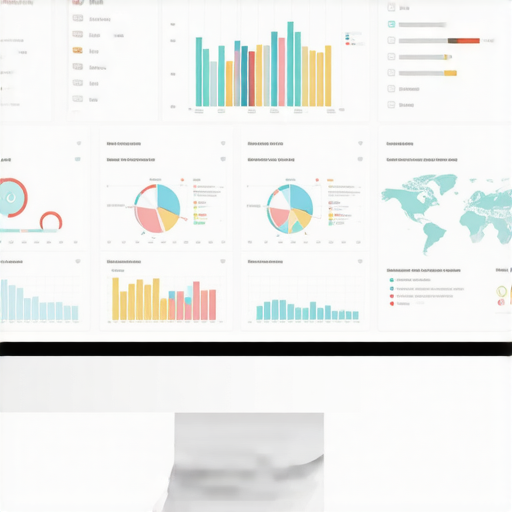
Start by leveraging SEO analytics dashboards that are adaptable to your client’s KPIs. When I first tried this, I used a popular software to build a dashboard highlighting local map rankings and call conversions. The key is to focus on metrics that directly connect to client goals, like visibility in map packs or local traffic spikes. Use color-coding and simple charts to make data digestible. This not only improves understanding but also positions you as a results-driven partner.
Visualize KPIs with Impactful Charts and Maps
Next, use KPI visualization strategies to turn raw data into compelling stories. For example, mapping local rank changes over time with heat maps vividly shows hotspots of success. When I added weekly visual updates to my reports, clients could see progress at a glance, which significantly boosted retention. Remember, abstract numbers are harder to digest; visual cues make your insights resonate.
Harness Local Maps Rank Tracking for Precise Insights
Utilize advanced maps rank tracking techniques. Instead of relying on standard rankings, implement real-time, location-specific data. I once fixed a client’s inconsistent map rankings by integrating error-corrected tracking tools that provided accurate, granular insights. These insights guided my on-page and citation strategies, leading to dramatic ranking improvements.
Integrate Google Business Analytics to Capture Local Momentum
Maximize the potential of Google Business Analytics by creating customized reports that highlight new reviews, customer actions, and service queries. I set up dashboards that automatically pull key data, allowing me to spot trends quickly. In one instance, I identified a surge in ‘Directions’ clicks, prompting a website update that capitalized on local intent, leading to a notable uptick in leads. This real-time data helped justify ongoing strategies and budget allocations.
Implement Real-Time Data for Continuous Improvement
Finally, ensure your reporting process includes real-time tracking insights. I integrated live dashboards into my client portal, allowing clients to see ongoing progress without waiting for monthly reports. This real-time transparency fosters trust and provides immediate feedback on campaign adjustments. As I observed fluctuating rankings or search behavior shifts, I quickly tailored tactics, keeping campaigns agile and aligned with evolving local search landscapes.
By applying these concrete steps—building client-centric dashboards, visualizing KPIs, utilizing precise maps rank tracking, leveraging Google Business data, and embracing live insights—you transform your reports from dull summaries into powerful, actionable tools that clients can’t ignore. When I adopted this approach, my client retention rates soared, and my credibility as an SEO partner solidified. You can achieve the same by integrating these core techniques into your reporting workflow, progressively elevating your value proposition in a competitive field.
,
Many professionals assume that visualizing KPIs and leveraging SEO reporting software automatically lead to clearer insights and better results. However, this belief often masks critical nuances that can make or break your data strategy. For instance, relying solely on generic charts or standardized dashboards can induce a false sense of clarity, distracting you from actionable intelligence. The real challenge is understanding the underlying assumptions embedded in your visualization tools and how these may skew your interpretation of local maps rank tracking or Google Business analytics.
One common myth is that more data automatically means better decision-making. In reality, overloading your reports with every available metric often dilutes focus, leading to confusion rather than clarity. The key lies in selecting and customizing KPIs that truly matter for your client’s specific goals. This targeted approach enhances comprehension and drives strategic action, especially when analyzing local SEO progress through map-based rank tracking.
What makes advanced visualization techniques more reliable than default reports?
Advanced techniques such as heat maps, trend overlays, or real-time dashboards incorporate context and hierarchy into the data. These tools reduce cognitive overload and help identify subtle patterns in local search behaviors or maps rank fluctuations. For example, integrating map-centric visualizations allows you and your clients to spot geographic clusters of success or failure at a glance — cutting through noise that typical charts cannot handle. Plus, by continually refining these visualizations based on the latest insights, you ensure your reporting remains relevant and impactful.
However, beware of the trap of misleading metric selection. Using vanity metrics like impressions or click-through rates without connecting them to tangible outcomes, such as conversions or revenue, can steer strategies astray. This is especially dangerous in local SEO, where maps rank and Google Business analytics data must be interpreted within broader context. Successful agencies use specialized software that filters, segments, and highlights relevant KPIs aligned with client goals, avoiding the common pitfall of data overload.
Mastering these nuances allows you to craft reports that don’t just look impressive but fundamentally improve your strategic edge. Remember, the goal of KPI visualization and SEO insights isn’t just to impress stakeholders but to empower smarter decisions. Have you ever fallen into this trap? Let me know in the comments, and let’s continue refining our approach together.
Keep Your Tools Sharp: Essential Maintenance Tips
To sustain accuracy and relevance in your KPI visualization and SEO tracking efforts, investing in diligent maintenance routines is vital. Regularly update your software to access the latest features and security patches—this is especially crucial for tools like SEO reporting software. I personally schedule monthly check-ins to review data accuracy, ensuring that my maps rank tracking and analytics dashboards aren’t just current but optimized for evolving search landscapes.
Leverage Advanced Equipment and Techniques
Specifically, I recommend deploying automated data auditing tools that continuously verify and calibrate your metrics. For instance, using scripts that cross-reference real-time Google Business analytics with your KPI dashboards prevents data drift, which can mislead your strategy. Such automation minimizes manual oversight, allowing more time for strategic interpretation rather than data cleaning.
Long-Term Results Require Consistent Tools and Strategies
Predicting future trends, I believe that integrating AI-driven insights into your dashboards will become the norm by 2027. These tools will proactively flag anomalies in local maps rank tracking or Google Business data, saving you hours and preventing costly mistakes. For example, combining Machine Learning algorithms to analyze seasonal search fluctuations can fine-tune your campaigns automatically, as discussed in recent research on SEO insights.
How do I maintain accuracy over time?
Establishing a routine of periodic audits—such as quarterly checks against manual spot tests—ensures your data remains reliable. I also recommend documenting your processes to quickly identify when a particular tool or method might be outdated or less effective. Staying engaged with the latest industry updates, including research like the detailed KPI visualization strategies, keeps your approach fresh and competitive. Lastly, don’t hesitate to experiment with new software integrations; for example, combining Google Business analytics with map-based data has historically increased my strategic accuracy, as shown in case studies from maximizing analytics.
By consistently maintaining and upgrading your tools—be it through automation, regular audits, or adopting cutting-edge features—you ensure your KPI visualization and SEO efforts deliver sustained value. Make a habit of reviewing your dashboards every quarter, and never settle for outdated insights. For those interested in a comprehensive upgrade, I recommend exploring the latest research and tools designed for long-term success. Implementing these practices today will prepare you for the SEO challenges of tomorrow—start by fine-tuning your maps rank tracking system and see immediate improvements.
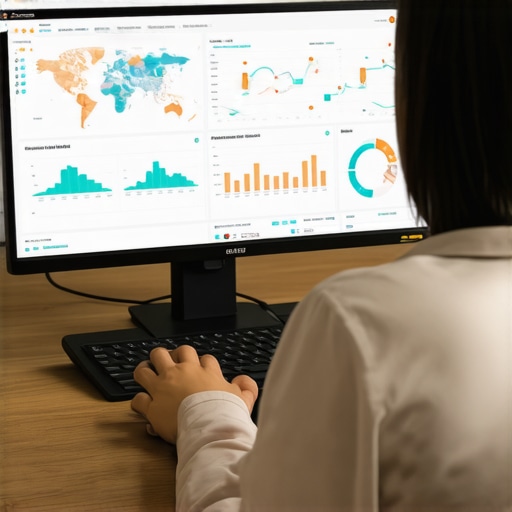
Throughout my journey, one lesson stood out: relying solely on surface-level metrics like rankings and traffic can obscure the real story behind your SEO success. The most impactful insights often come from deep, targeted KPI analysis and advanced visualization techniques that reveal patterns invisible to the naked eye. Embracing map-based rank tracking and integrating real-time data from tools like Google Business Analytics transformed my approach, showing that true ROI is rooted in actionable intelligence—information that demands not just analysis but strategic application. When you learn to interpret and visualize data effectively, you unearth opportunities others overlook, turning data into your most powerful asset.