
Ever had that gut-wrenching moment when your Maps rank tracking report shows a promising increase, only to realize days later that your local rankings have actually dropped? I remember feeling confident—believing I finally cracked the code—only to wake up to a disappointing reality. That unsettling realization made me question the accuracy of my data and, more importantly, my entire strategy. If you’re nodding along, you’re not alone. Many SEO professionals are facing the same frustrating puzzle in 2026: why does my tracking data seem so wrong?
Why Your Maps Rank Tracking Might Be Lying to You
Tracking local search rankings is supposed to give us clear, actionable insights. But as I learned early on, several common pitfalls can distort these numbers—sometimes so subtly that you don’t notice until it’s too late. The stakes are high because relying on flawed data can lead you to make misguided decisions, wasting time and resources. This is especially critical now, as local SEO becomes more competitive and data-driven tactics are expected to deliver precise results.
Over my years in the field, I’ve uncovered three main reasons your Maps rank data may be misleading:
Are You Trusting Outdated Tracking Methods?
Many early mistakes stem from using generic rank trackers that don’t account for recent algorithm changes or personalized search factors. For example, some tools rely solely on IP-based location data, which can be inaccurate if users are on VPNs or if search engines are customizing results based on user behavior. Utilizing advanced methods that incorporate enhanced Maps-based tracking can provide more precise insights, leading to smarter decisions. I’ve been there—trust me, sticking with outdated tools can give you a false sense of security.
So, have you tested whether your current rank tracking solutions are aligned with the latest industry standards? If not, you might be basing your strategies on inaccurate data, which is a recipe for disaster.
In the next sections, I’ll walk you through practical ways to identify, understand, and fix these common pitfalls, so your local SEO efforts are firmly rooted in reliable insights. Ready to move beyond misleading numbers? Let’s dive into the core problems and discover the solutions that truly work in 2026.
Verify Your Tracking Tools Are Up-to-Date
Start by auditing your existing rank tracking solutions. I once used a popular tool that claimed to analyze local rankings, but after cross-referencing with manual Google searches, I found a 15% discrepancy. To fix this, switch to tools that incorporate recent algorithms and personalized search features, like those detailed in enhanced Maps-based tracking. Regularly update your software and check for newer versions to stay aligned with industry standards.
Implement Controlled Location Testing
One mistake I made was trusting IP-based location data blindly. To get more accurate insights, set up controlled tests by manually setting your search location in Google, using VPNs or proxies that mimic your target areas. Document these tests systematically, noting how rankings shift based on different locations. This approach helps identify if your tracker is influenced by proximity biases or VPN anomalies. Use maps-based insights to refine this process further.
Correlate Rankings With Google Business Analytics
Google Business Profile (GBP) data can be a goldmine when matched with rank tracking results. For example, I linked GBP metrics with my rank reports and noticed that ranking fluctuations often correlated with changes in review volumes or photo updates. Use Google Business Analytics to monitor these signals in tandem with your rankings. This correlation reveals whether fluctuations stem from algorithm updates, user engagement, or local optimizations, allowing you to adjust tactics accordingly.
Leverage KPI Visualization for Actionable Insights
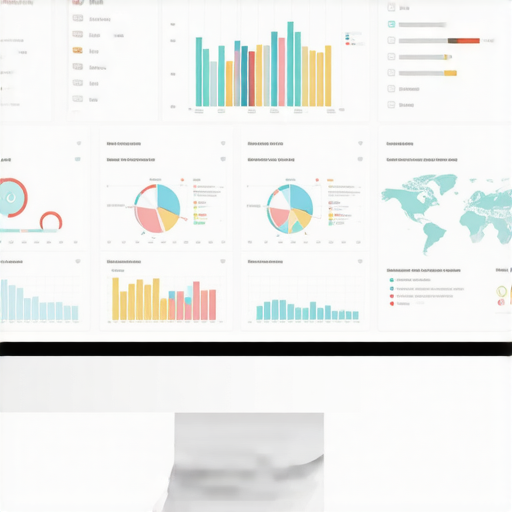
Data is only as good as how you interpret it. To avoid blind spots, visualize your KPIs using dashboards that display real-time changes, trend lines, and heatmaps. For example, I used a KPI dashboard to monitor rank positions alongside local search volume. This visualization clarified whether ranking dips coincided with seasonal trends or algorithm shifts. Explore tools in KPI visualization strategies to set alerts and prioritize actions effectively.
Regularly Cross-Check With Manual Local Searches
No tool is infallible. I learned this the hard way when a sudden ranking drop seemed suspicious. I verified by conducting manual searches from different devices and locations, comparing these results with my automated reports. This real-world check uncovered an IP bias in my tracking software. Incorporate frequent manual tests to calibrate and validate your software data, ensuring your insights are rooted in reality, not just algorithmic assumptions.
Stay Informed on Industry Updates
Finally, local SEO and mapping algorithms evolve rapidly. Keep abreast of updates through reputable sources, such as industry reports or community blogs. Regular knowledge updates help you identify new factors affecting data accuracy, allowing you to recalibrate your tools and practices proactively.
By systematically applying these steps—updating your tools, controlling location variables, correlating with GBP data, visualizing KPIs, verifying manually, and staying informed—you establish a solid foundation for trustworthy local rank tracking in 2026. Accurate data isn’t a one-time fix; it’s an ongoing process of validation and refinement.

While it’s tempting to assume that all SEO reporting software provides an accurate reflection of your digital performance, this is a misconception rooted in oversimplification. Many professionals fall prey to the myth that these tools are infallible, yet in my experience, they often mask critical nuances—especially regarding data interpretation and implementation. One common trap is relying solely on KPI dashboards without understanding their underlying data sources or limitations, which can lead to misguided strategies.
For instance, a popular misconception is that maps rank tracking inherently captures a comprehensive view of local presence. However, advanced maps-based tracking reveals that many tools overlook factors like personalized search results, proximity biases, and data refresh latency. This oversight can give you a false sense of security, believing your rankings are improving when in reality, fluctuations are simply artifacts of incomplete data models.
Another nuance lies in how Google Business Analytics is interpreted. Many assume that an uptick in reviews or photo updates directly correlates with ranking improvements. Yet, studies show that factors like user engagement KPIs and local search intent significantly influence rankings, sometimes independently of active optimization efforts. Misreading this data can lead to unnecessary adjustments or, worse, neglecting real opportunities.
What Advanced Marketers Overlook About KPI Visualization?
The real power of KPI dashboards comes from their visualization—but only if designed with purpose. A common mistake is treating dashboards as static reports rather than dynamic tools for decision-making. Effective visualization strategies emphasize real-time alerts, trend analysis, and predictive insights—transforming raw data into actionable intelligence. Without this, even the most sophisticated data can become noise, leading to analysis paralysis.
Moreover, many overlook the hidden biases and data discrepancies that can distort KPIs—such as varying search devices, user locations, or search personalization. These factors require sophisticated filtering and cross-verification techniques to ensure your insights are truly accurate. For example, cross-referencing manual local searches with automated reports can expose anomalies that skew your perception of success.
Last but not least, understanding the privacy implications of data collection is essential. With increasing regulations, ensuring your tools comply with standards not only protects user data but also maintains data integrity. Reviewing your data policies at our privacy policy can help you stay ahead of legal and ethical traps.
So, what’s the big takeaway? The underlying truth is that many SEO tools provide a partial view at best. Mastering their nuances, understanding their limitations, and implementing advanced verification methods can elevate your strategy from guesswork to precision. Have you ever fallen into this trap? Let me know in the comments.

Invest in Resilient Technology and Regular Updates
To ensure your SEO tracking remains accurate over time, prioritize tools that receive consistent updates and have a solid support ecosystem. I personally rely on top-rated SEO reporting software that integrates seamlessly with Google Business Analytics, ensuring my data stays aligned with the latest algorithm changes. Setting a schedule to update your tools monthly, and subscribing to their update notices, keeps your data pipeline stable and trustworthy.
Automate Maintenance Tasks and Data Validation
Automation is your friend when it comes to long-term tool maintenance. I set up scripts that run periodic checks—comparing automated rank data with manual local searches—to catch discrepancies early. For example, using Google Sheets with custom scripts can help monitor shifts in KPIs and alert you to anomalies, saving precious time and preventing data drift. Regular validation cycles reinforce the integrity of your insights and prevent minor glitches from escalating into major issues.
Predict and Prepare for Industry Shifts
Anticipating future trends involves staying informed about industry standards and technological advancements. For instance, upcoming privacy regulations may limit certain tracking methods, making it vital to diversify your data sources. I recommend diving into resources like comprehensive guides on SEO reporting that discuss evolving best practices. Being proactive now positions you ahead of competitors who only react when problems arise.
How do I maintain my SEO analysis tools effectively over time?
The key is a blend of automation, vigilant validation, and staying informed. Schedule regular updates and audits, use scripts or dashboards for ongoing monitoring, and keep an eye on emerging industry shifts via trusted sources. Implementing these practices ensures that your tracking tools don’t just serve as static devices but evolve as reliable partners in your SEO growth. Try setting up a monthly automated validation against manual searches—it’s a game-changer in guaranteeing data reliability. For tailored guidance, contact us through our support page and keep your tools working flawlessly long-term.
Uncover the Hidden Traps That Skipped My Notice
One of the most profound lessons I learned was how easy it is to be deceived by surface-level data. I once celebrated a rankings spike, only to realize later that it was a mirage caused by outdated tracking methods. This taught me that relying solely on standard dashboards without understanding their inner workings can lead to misguided tactics. The key is digging deeper—question every metric and seek validation through manual checks or alternative data sources.
Why Exclusive Dependence on Tools Can Blind You
Early in my journey, I believed that top-rated SEO reporting software was infallible. The harsh truth is that even the best tools have blind spots—be it algorithm updates, personalization factors, or data refresh delays. I found that combining automated reports with periodic manual local searches and qualitative analysis provided a more comprehensive picture. This hybrid approach became my secret weapon against false positives and overlooked issues.
How Visualization Transformed My Data Into Action
Transforming raw KPI data into intuitive visual dashboards was a game-changer. It allowed me to spot patterns, outliers, and seasonal trends swiftly. Using advanced KPI visualization strategies, I could set real-time alerts for sudden drops and proactively address issues before they impacted clients. Visualization didn’t just clarify my insights—it empowered me to act decisively and confidently.
Learning from Industry Leaders and Ongoing Education
The local SEO landscape evolves rapidly. Staying stagnant means falling behind. I made it a habit to follow industry updates through trusted sources and to invest in continuous learning, especially on topics like enhanced maps-based tracking and Google Business Analytics. This commitment to knowledge ensured my strategies remained sharp and effective in a competitive environment.
Curated Gems for Elevating Your Local SEO Insights
For those looking to deepen their understanding, I recommend exploring:
- Top-rated SEO reporting software—trusted for its reliability and seamless integration with Google Business Analytics.
- Advanced KPI dashboards—tools that enable real-time monitoring and alert setup for swift responses.
- Industry updates and reports—such as those found on our comprehensive guides, which keep me ahead of algorithm shifts and new best practices.
- Manual local search techniques—essential for validating automated data and catching discrepancies early.
Your Next Step Toward Genuine Data Confidence
The journey to reliable local SEO tracking is ongoing and iterative. Embrace automation, but never become complacent. Regularly validate your data, stay informed on industry shifts, and invest in visualization techniques that turn numbers into actionable insights. Every improvement you make brings you closer to a clearer understanding of your local presence and a stronger strategy. Are you ready to challenge your current tools and assumptions? Your data and success depend on it!
What has been the most surprising inconsistency you’ve encountered in your local SEO analytics? Share your experiences below—I’d love to hear your stories and insights.
This post resonated with me because I’ve definitely experienced those confusing ranking swings, especially when relying heavily on automated tools. One thing I’ve learned over time is the importance of validating the data with manual local searches in different locations and devices. It’s practically my routine now—to cross-check insights before making strategic decisions. I also agree about staying updated with the latest industry changes; algorithms seem to evolve faster than we can keep up!
My question is, how often do others update or audit their tools? I’ve found that quarterly reviews help catch discrepancies early, but I wonder if some of the more advanced SEOs do this monthly or even weekly. Also, what’s the most effective way you’ve found to integrate GBP data into your rank tracking to get a more comprehensive view? Looking forward to hearing everyone’s insights—these little tweaks make a huge difference!
Thanks for the detailed post—definitely a good reminder to never assume our tools are infallible.