Ever spent hours tweaking your Google My Business profile, only to realize weeks later that your local rankings haven’t budged? Or maybe you’ve poured money into SEO tools that promise insights but leave you more confused than ever? I’ve been there. The lightbulb moment for me came when I finally realized that without clear, visual insights into my local performance, I was flying blind.
Why Local SEO Success Hinges on Clear Data & Visual Insights
Local SEO is a game of precision. You need to know where you stand in local search results, how your competitors are performing, and which strategies actually move the needle. But here’s the catch: traditional reports are often too abstract or too delayed to be truly actionable. I learned this the hard way, making costly decisions based on guesswork rather than real-time data. Early on, I fell into the trap of relying solely on rankings reports without integrating map-based trackers or KPIs, which led to misguided efforts and wasted resources.
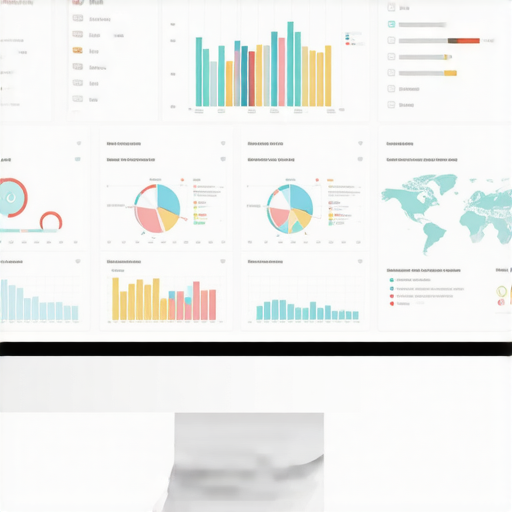
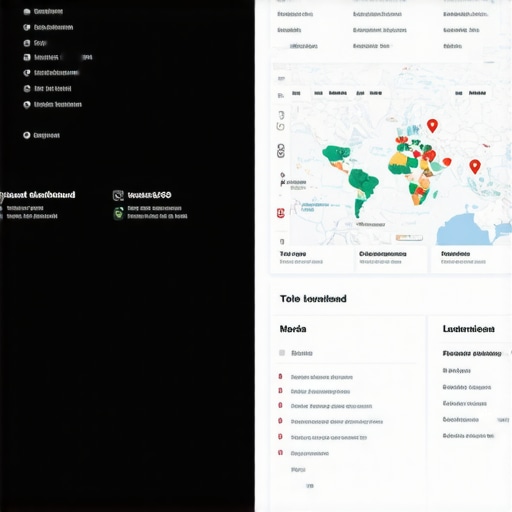
That’s when I discovered the power of map-based rank tracking tools and KPI visualization strategies. These let me see exactly how my local listings perform across different neighborhoods, identify which locations need attention, and track progress visually—all in one dashboard. And trust me, this approach transformed my local SEO game.
In this post, I’ll share how you can harness these tools and techniques to turn your local SEO efforts into a measurable, manageable process. No more guessing, no more frustration—just clear, actionable insights that lead to real results.
Is KPI Visualization Overhyped or Essential?
When I first started, I doubted whether fancy graphs and dashboards would make a difference. I thought, “If I’m ranking in Google Maps, isn’t that enough?” Wrong. One mistake I made early on was ignoring the importance of visual KPI dashboards, which delayed my recognition of declining performance in specific areas. Studies show that visual data significantly improves decision-making speed and accuracy, and in local SEO, timing can be everything (source: Advanced KPI Visualization Strategies). If you’re still on the fence, ask yourself—are you truly seeing the full picture of your local performance? Or just snapshots that might be outdated or incomplete? If you’ve faced this problem, keep reading. I’ll guide you through how to implement map-based tracking and KPI visualization to make your local SEO efforts more effective and less stressful. Ready to get started? Let’s dive into the strategies that will help you dominate local search results and keep your finger on the pulse of your success.
Set Up Your Map-Based Rank Tracking System
The first step is choosing a reliable map-based rank tracking tool. Think of it as installing a GPS system that shows you exactly where your business stands across different neighborhoods. When I started, I used map-based rank tracking tools to monitor my local listings daily. This immediate visibility helped me identify fluctuations and areas needing attention.
To implement this, connect your Google My Business profile to your chosen tool, set your target locations, and run regular scans. This process is akin to regularly checking your car’s dashboard to stay aware of your vehicle’s health. Over time, you’ll spot patterns and trends that abstract reports can’t reveal.
Visualize KPIs for Clearer Decision-Making
Next, focus on KPI visualization. Imagine trying to understand your business health through a complex spreadsheet versus a clear dashboard. The latter provides instant insights, helping you act swiftly. During my campaign, I used KPI visualization strategies to track metrics like local rankings, review scores, and profile views.
Start by selecting key metrics—such as ranking improvements, review volume, or click-through rates—and create visual dashboards. Tools like Google Data Studio or dedicated SEO dashboards can help. Think of it as turning raw data into a traffic light system: green means good, yellow caution, and red urgent attention. This immediate clarity accelerates your response time and guides your strategy.
Integrate Data for Actionable Insights
Combine your map tracking and KPI dashboards into a single view. It’s like having a cockpit for your local SEO efforts. When I integrated data from different sources, I could instantly see if a dip in rankings coincided with a drop in reviews or if a new competitor emerged nearby. This holistic view prevented me from wasting resources on irrelevant efforts.
Use automation to import data regularly, so your dashboards stay updated without manual effort. This is crucial because local search dynamics change rapidly. A good practice is to schedule weekly updates and review sessions to stay ahead of the curve.
Leverage Insights to Drive Local SEO Wins
Finally, translate your visual insights into action. For example, if a certain area shows declining rankings, prioritize local review generation or optimize listings for that location. I found that pinpointed actions, guided by clear visual data, outperformed broad, guesswork strategies every time.
By consistently applying these steps, you transform raw data into a powerful competitive advantage. Your local SEO efforts become more targeted, measurable, and ultimately more successful.
While many marketers focus on tracking rankings and reviews, a hidden nuance often trips them up: misunderstanding what the data truly indicates about local SEO performance. The most common misconception is believing that ranking position alone guarantees visibility and growth. In reality, rankings are just one piece of a complex puzzle. For example, a high ranking in one neighborhood doesn’t necessarily translate to increased foot traffic or sales if your conversion metrics aren’t aligned. This false sense of security can lead to complacency and missed opportunities.
Another trap is over-reliance on raw data without contextual analysis. Many local businesses pull reports showing fluctuations in rankings or review counts but fail to interpret what these changes mean in the broader market landscape. They might overlook that a competitor’s new location has shifted local search dynamics or that a recent Google algorithm update affected ranking factors. This oversight can cause misguided strategies that waste resources on irrelevant optimizations.
Why Do So Many Local SEO Efforts Miss the Mark Despite Data?
One advanced mistake is neglecting the importance of data segmentation. Instead of viewing all locations or keywords as a single entity, savvy marketers analyze segments to identify specific trends or issues. For instance, a decline in rankings in a particular city might be due to local review suppression or outdated NAP citations, not overall campaign failure. Without segmenting data, these subtleties are lost, leading to broad, ineffective actions.
Furthermore, there’s a myth that more data automatically leads to better decisions. In fact, without proper KPI visualization and insights, excess data can cause analysis paralysis. The key is to focus on actionable metrics—such as local ranking stability, review velocity, and map visibility—and visualize these through dashboards. This approach allows marketers to prioritize efforts, allocate resources effectively, and avoid costly blind spots.
Studies highlight that visual data presentation significantly improves decision accuracy. According to a report by Harvard Business Review, decision-makers who utilize visual dashboards make faster, more confident choices (source: Advanced KPI Visualization Strategies). In local SEO, this translates to quicker responses to ranking dips, review declines, or local competitor moves, ultimately safeguarding and enhancing your visibility.
Are you falling into any of these traps? If so, it’s time to refine your analytics approach. Implementing map-based rank tracking and KPI dashboards can help you see the full picture, make smarter decisions, and stay ahead of local competitors. For more insights on mastering SEO data, check out our comprehensive guide to SEO insights. Remember, the goal isn’t just data collection but turning data into actionable strategies that drive growth.
Staying ahead in local SEO isn’t a one-and-done task; it requires ongoing maintenance and the right set of tools to keep your efforts effective. Over the years, I’ve refined my toolkit and approach to ensure my local rankings remain strong and adapt to changing algorithms and market dynamics. In this post, I’ll share the specific tools I personally recommend for maintaining your SEO performance, along with actionable strategies to keep your local visibility thriving.
Invest in Reliable Map-Based Rank Tracking
One of the most crucial elements of ongoing maintenance is consistent tracking of your local rankings. I swear by map-based rank tracking tools. These tools give me real-time insights into how my business appears across different neighborhoods and keywords. By setting up automated daily scans, I can quickly spot ranking dips or fluctuations and respond proactively, rather than reactively.
Leverage KPI Visualization for Clarity
To effectively manage long-term results, I use KPI dashboards that visualize key metrics like review velocity, profile views, and ranking stability. These dashboards turn raw data into clear, actionable insights. I update these dashboards weekly, which allows me to detect trends early and adjust my tactics accordingly. This approach prevents small issues from snowballing into major problems.
Automate Data Integration for Efficiency
Automation is a game-changer. I connect my map tracking and KPI dashboards to automated data sources so that I always have fresh insights without manual effort. Scheduling weekly updates ensures I stay on top of local search changes and can quickly pivot my strategy. This automation minimizes human error and frees up my time for strategic planning instead of data gathering.
Monitor and Adjust for Future Trends
Looking ahead, I predict that AI-driven insights and predictive analytics will become integral to local SEO maintenance. Advanced tools will analyze patterns and suggest optimizations before rankings drop. To prepare, I stay informed about new features in my tools and regularly experiment with emerging technologies, such as AI-powered review analysis or predictive ranking models. This proactive stance allows me to adapt swiftly and stay competitive.
How do I keep my local SEO efforts working over time?
The key is consistency and leveraging the right tools. Regularly review your map-based rankings, visualize KPIs, automate your data flow, and stay informed about industry trends. Remember, SEO is a marathon, not a sprint. If you haven’t already, try integrating a Google Business Analytics-based approach into your workflow to maximize insights and keep your local SEO on track for sustained success.
Many local marketers hit a wall because they rely too heavily on traditional ranking reports and overlook the power of visual insights. The lightbulb moment for me was realizing that without map-based rank tracking and KPI dashboards, I was missing the nuanced signals that drive real local SEO growth. It’s like trying to navigate a city without a GPS — you might know the general direction, but you won’t find the best routes or hidden shortcuts.
The Hardest Lesson I Learned About Visual Data in Local SEO
- Data must be contextualized: Raw rankings alone don’t tell the full story. I learned this when I saw rankings improve, but my conversion rates dropped. Visual dashboards that combine ranking data with review scores and click metrics revealed the real issues.
- Segmentation is key: Looking at all locations as one lump made me overlook specific neighborhood trends. Segmenting my data by location uncovered distinct opportunities and pitfalls.
- Automation saves time and prevents errors: Manual data collection was a nightmare. Automating data feeds into dashboards kept insights fresh and reliable, allowing me to react quickly.
- Visualization accelerates decision-making: Seeing my KPI trends at a glance helped me prioritize actions. It’s much easier to act on a red flag in a dashboard than deciphering rows of numbers.
- Continuous refinement is necessary: The local search landscape evolves rapidly. Regularly updating my tools and strategies helped me stay ahead, rather than chasing after outdated data.
My Favorite Tools That Changed How I Manage Local SEO
- Map-based rank tracking tools: These are essential for real-time visibility into local rankings across neighborhoods, helping me respond proactively.
- KPI dashboards: They turn complex data into clear visual signals, making it easier to prioritize efforts.
- SEO reporting software: Centralizes data and automates updates, saving time and reducing errors.
- Google Business Analytics: An often overlooked gem that provides insights into customer behavior tied directly to local search efforts.
Your Turn to Elevate Local SEO with Visual Insights
Don’t let outdated data and guesswork hold back your local SEO progress. Embrace map-based rank tracking and KPI visualization to gain a deeper understanding of your local presence. These strategies are not just about tracking — they’re about transforming data into growth. The future of local SEO belongs to those who leverage visual insights to stay agile and informed. Are you ready to see your local rankings in a whole new light? Dive into these tools and take control of your local search destiny today.
What’s the biggest challenge you face when analyzing your local SEO data? Share your experience below and let’s discuss how visual insights can turn your efforts around.
I completely agree with the emphasis on visual data and KPI dashboards for effective local SEO management. In my experience, the biggest challenge has been translating raw data into actionable insights, especially when managing multiple locations. Using map-based rank tracking tools combined with dashboards has helped me identify patterns quickly, whether it’s a dip in rankings in a specific neighborhood or review scores trending downward.
One thing I’ve found helpful is segmenting data by neighborhood or service area rather than treating all locations as a single entity. It’s incredible how different factors can influence local performance across areas, and visual dashboards really make these nuances stand out.
Have others found specific metrics or visualization methods more effective for identifying what truly impacts local rankings? I’m curious about your approaches for balancing review management, ranking data, and conversion metrics to get a holistic view.
This post really hits home about the importance of visual data in local SEO. I remember struggling with my map rankings initially because I relied heavily on static reports that didn’t provide the real-time insights I needed. Once I integrated map-based rank tracking with a KPI dashboard, I started noticing patterns much faster—like sudden dips in specific neighborhoods or shifts in review trends. One challenge I faced was how to interpret all that data meaningfully without feeling overwhelmed. What visualization techniques or tools have others found most effective for turning complex info into actionable steps?
Also, I appreciate the point about segmentation. In my experience, digging into local data at a granular level uncovered hidden opportunities and pitfalls that broad brush analyses missed. Has anyone tried combining map data with customer behavior insights, such as click-through or conversion rates, to further refine their local strategies? Would love to hear how others are blending these different data streams for a more comprehensive approach.
This article really resonated with me, especially the emphasis on visualizing KPIs and maps for local SEO. I’ve found that the biggest challenge in my own strategy is not just tracking the data but making sense of it quickly enough to act. I started using more intuitive dashboards—including heatmaps for performance at a neighborhood level—and it transformed how swiftly I could respond to dips or peaks.
One thing I’ve been experimenting with is integrating Google Analytics data for conversions alongside ranking and review metrics, to get a fuller picture of true local success. Has anyone here combined web analytics with map-based tools? I’m curious how others are blending different data sources for a comprehensive local SEO view, and whether it’s been worth the effort for your strategies. It seems like the more granular and visual your insights, the better you can tailor your efforts to specific areas. Would love to hear your experiences or recommendations!
Reading this post really resonated with my experience managing multiple storefront locations. The mistake I made early on was relying on generic ranking reports without local segmentation, which left me blind to specific neighborhood performance issues. Implementing map-based rank tracking and visual dashboards transformed my approach. I could immediately see which areas needed more review generation or local citation updates, instead of taking a broad, ineffective approach.
One challenge I still encounter is integrating different data sources smoothly—especially when balancing review scores, ranking data, and web analytics. Has anyone found effective tools or methods to streamline this process? Also, I’ve started experimenting with predictive analytics to anticipate neighborhood downturns before they happen. What advanced techniques or tools have others used for proactive local SEO management? Would love to hear your insights and success stories on maintaining a dynamic local presence.
Reading through this detailed approach to local SEO, I couldn’t agree more on the importance of visual insights. I’ve personally shifted to mapping software that highlights ranking fluctuations at a neighborhood level, which has really helped me target my efforts more effectively. What’s interesting is how integrating customer engagement metrics, like review response rates or click-through data, can provide even deeper context to the rankings and reviews. Has anyone experimented with combining these kinds of data streams? I’m curious if blending user behavior insights with map-based data can reveal hidden opportunities or pitfalls that standard dashboards might miss. Overall, I believe that when we leverage visually driven, granular data, we’re better equipped to make proactive, strategic decisions rather than reactive ones. How do others here balance the complexity of multiple data sources while maintaining clarity in their dashboards? Would love to hear your strategies for keeping everything actionable and streamlined.
This post really highlights the critical role of visual data in mastering local SEO. I’ve personally seen how dashboards that combine rank tracking with review insights can drastically improve response times and strategic decisions. When I started implementing map-based tools, I noticed immediate improvements in identifying which neighborhoods needed more focus—especially after unexpected ranking drops. My challenge has been in integrating web analytics data seamlessly—like conversions and engagement—to better understand the full picture of local success. I wonder, for those who also blend these data streams, what tools or setups have you found most effective? Also, do you think automation is crucial in maintaining real-time dashboards, or is there still a place for manual analysis for nuanced insights? Looking forward to hearing different approaches on how to keep all these diverse data points actionable without becoming overwhelmed. Thanks for sharing, this is definitely a game-changer for local SEO teams.
This in-depth post really drives home how crucial visual data and map-based tracking are for effective local SEO. I’ve been experimenting with similar tools for my clients, especially mapping software that shows ranking movements at the neighborhood level. It’s fascinating how such granular insights can reveal hidden opportunities or prepare you for potential dips that traditional ranking reports might miss. One thing I’ve noticed is that combining these visual insights with conversion data from Google Analytics can provide a full picture—ranking improvements are great, but if traffic isn’t converting, the efforts need re-evaluation. Has anyone here integrated web analytics directly into their local dashboards? Also, I wonder what your thoughts are on automation—do you automate data feeds to keep dashboards current, or do you prefer manual checks for nuanced analysis? I’d love to hear how others are blending various data sources for a truly actionable local SEO strategy.