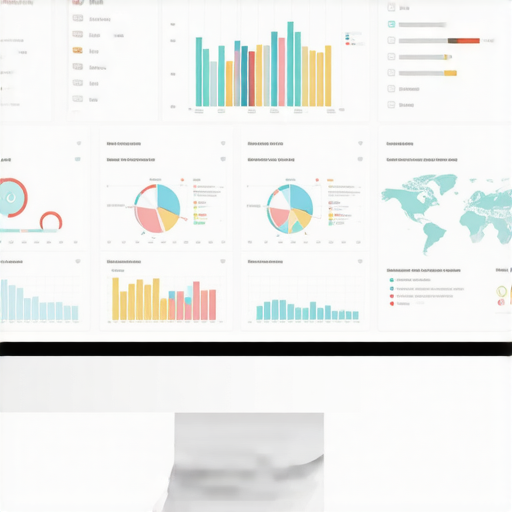

My Journey into the World of KPI Visualization for SEO
Honestly, I remember the first time I tried to make sense of my SEO data—it was like trying to read a foreign language with tangled sheets of numbers and charts. Over time, I realized that the key to making sense of all that data was not just in collecting it but in visualizing it effectively. That’s when I started exploring advanced KPI visualization strategies to transform raw numbers into actionable insights. Today, I want to share some of the most effective techniques I’ve learned that could help you elevate your SEO reporting game in 2025.
Why Visualizing KPIs is a Game-Changer for SEO
In my experience, KPI visualization is more than just pretty charts; it’s about clarity and speed. When I started using dynamic dashboards, I could quickly identify trends, spot anomalies, and make informed decisions without drowning in spreadsheets. Tools like Google Data Studio and Tableau became my best friends, allowing me to create interactive, real-time reports. According to this resource, mastering visualization tools is essential for staying ahead in the ever-evolving SEO landscape of 2025.
My Favorite Strategies for KPI Visualization in 2025
How do I choose the right KPIs to visualize?
Choosing the right KPIs is fundamental. I focus on metrics that directly impact my goals, such as organic traffic, bounce rates, conversions, and local search rankings. I also incorporate map-based SEO KPIs, which are crucial for local businesses. For instance, tracking local pack visibility and map rankings helps me understand my local SEO performance better. To streamline this, I often use tools like map rank tracking secrets.
How I Implement Advanced Visualization Techniques
One technique I swear by is using heatmaps to visualize user engagement across different pages. It’s fascinating to see which sections attract the most attention and adjust my strategies accordingly. Additionally, I leverage time-series graphs to monitor KPI trends over periods, offering a clear picture of progress or decline. Incorporating color-coded dashboards helps me prioritize tasks instantly. These methods have significantly boosted my ability to communicate complex data to clients and team members effectively.
Is there a secret to making dashboards truly actionable?
Absolutely. The secret lies in interactivity. I embed filters and drill-down options into my dashboards so I can explore data segments on the fly. This makes my reports not just static summaries but interactive tools that tell the story behind the numbers. If you want to dive deeper into creating impactful dashboards, I recommend exploring SEO reporting software tips.
In conclusion, mastering KPI visualization strategies is essential for effective SEO reporting in 2025. These techniques help me make data-driven decisions faster and communicate results more clearly. I encourage you to experiment with different visualization tools and techniques—your insights might just revolutionize your SEO efforts. If you’ve tried any innovative visualization strategies, I’d love to hear about them—drop a comment below!
Unlocking the Power of Data Storytelling in SEO
One of the most overlooked aspects of KPI visualization is its potential to tell compelling stories. Rather than presenting raw data, I focus on crafting narratives that highlight progress, uncover hidden insights, and motivate action. For example, combining a map-based ranking trend with local engagement metrics creates a visual story that directly links local SEO efforts to tangible results. This approach not only enhances clarity but also boosts stakeholder buy-in, making your reports more than just numbers—they become strategic narratives.
How Can Interactive Dashboards Transform Your SEO Workflow?
Interactivity in dashboards is a game-changer. By integrating filters, date selectors, and drill-down features, I can dynamically explore different segments of my data. This flexibility allows for real-time analysis of specific campaigns or geographic areas, saving hours of manual filtering. For instance, I often use SEO reporting software that supports such interactivity, enabling me to pinpoint issues or opportunities instantly. Such tools empower you to adapt your strategies swiftly, especially when dealing with complex, multi-metric data sets.
What Are the Practical Challenges of KPI Visualization and How Do Experts Overcome Them?
While the benefits are clear, KPI visualization also presents challenges, such as data overload, inconsistent metrics, or misinterpretation. As an SEO professional, I ensure that I select only the most relevant KPIs aligned with my strategic goals, avoiding clutter that dilutes insights. Additionally, I emphasize data accuracy and context—providing annotations and historical comparisons to prevent misinterpretation. For instance, tracking map rankings alongside local review scores can give a more comprehensive view of local SEO health, as recommended by local map rank tracking experts.
Can Visual Data Drive More Than Just Reporting—Can It Influence Strategy?
Absolutely. Well-designed visualizations can influence strategic decisions at every level. For example, heatmaps revealing user engagement hotspots can inform content development, while time-series KPI graphs can guide budget allocations or campaign pivots. When these visuals are shared in collaborative dashboards, they foster data-driven discussions and collective insight generation. This is crucial in 2025, where rapid changes demand agile, informed responses. To deepen your understanding, explore KPI visualization strategies tailored for SEO campaigns.
If you’re interested in expanding your visualization toolkit or want to learn more about integrating these techniques into your SEO workflow, I encourage you to comment below or share your experiences. For further reading, check out our detailed guide on mastering SEO insights with actionable tips for 2025.
Reflections on the Evolving Art of Data Visualization in SEO
Over the years, my journey through the labyrinth of SEO data has been nothing short of transformative. I vividly recall moments when I felt overwhelmed by the sheer volume of metrics, unsure of which ones truly mattered. As I delved deeper into the art of KPI visualization, I discovered that the most effective insights often stem from the subtle nuances in data presentation—how colors, layouts, and interactivity can unveil stories hidden beneath the numbers. This realization pushed me to explore more sophisticated tools and techniques, shaping my approach into a blend of artistry and analytical rigor.
How Personal Experience Shapes Advanced Visualization Strategies
One lesson I learned early on is that visualization is not a one-size-fits-all solution. For instance, I once experimented with layered dashboards that combined heatmaps, time-series graphs, and geographic overlays. The result was a multidimensional view that allowed me to spot correlations I might have otherwise missed. This approach required meticulous planning and an understanding of my audience’s needs, which varied from technical team members to executive stakeholders. Incorporating storytelling elements into these dashboards made the data not just accessible but compelling, fostering greater engagement and strategic alignment.
What Nuances Do Experts Consider When Designing Impactful Dashboards?
According to industry leaders, a crucial aspect is context—providing historical comparisons, annotations, and predictive insights. I’ve found that adding these layers helps prevent misinterpretation, especially when dealing with complex multi-metric data sets. Moreover, the use of interactive filters and drill-down capabilities enables stakeholders to explore the data dynamically, which is invaluable during strategic planning sessions. For example, during a recent campaign, I used a dashboard that allowed real-time filtering by geographic location and device type, revealing specific segments where our SEO efforts were underperforming. Such nuanced design choices significantly enhance the decision-making process.
How Can Deep Data Storytelling Influence Strategic Decisions?
Deep storytelling through data involves weaving narratives that connect KPIs to overarching business goals. I often combine visual elements like maps, timelines, and engagement heatmaps to craft stories that resonate with stakeholders. This approach not only clarifies complex insights but also motivates action. For example, illustrating how local SEO improvements directly impacted foot traffic and sales helped secure buy-in from local business owners. It’s fascinating how a well-constructed visual story can turn abstract numbers into tangible success stories, reinforcing the importance of investing in advanced KPI visualization techniques.
Why Is Continuous Learning and Experimentation Essential in KPI Visualization?
The SEO landscape is ever-changing, and so should your visualization strategies be. I regularly experiment with new tools, such as emerging map-based SEO analysis platforms, to stay ahead. For instance, exploring top map-based SEO analysis tools has opened new avenues for visualizing local rankings more dynamically. These innovations require a mindset of continuous learning—trying new configurations, seeking feedback, and refining your dashboards. This iterative process ensures your KPI visualization remains relevant, insightful, and impactful in a rapidly evolving environment.
If you’ve developed your own advanced visualization techniques or faced challenges in creating impactful dashboards, I invite you to share your experiences in the comments. Together, we can explore how to push the boundaries of SEO data storytelling. Curious to deepen your skills? Check out our comprehensive guide on KPI visualization strategies for effective SEO campaigns in 2025 and start transforming your data into strategic power today.
Refining Data Narratives Through Multi-Layered Visualizations
Building upon my foundational understanding, I began experimenting with layered dashboards that integrate various visualization elements—such as heatmaps, geographic overlays, and temporal graphs—to craft comprehensive stories that resonate across stakeholder groups. This multidimensional approach allows me to identify subtle correlations, like the interplay between local search visibility and review sentiment, which might otherwise remain obscured in isolated metrics. Such complexity requires meticulous design and an acute awareness of audience needs, ensuring that each layer adds clarity rather than confusion. When executed correctly, these sophisticated visual narratives can dramatically influence strategic decisions, fostering a holistic understanding of SEO performance that goes beyond surface-level metrics.
How Do Industry Leaders Incorporate Predictive Analytics into KPIs?
Integrating predictive analytics into KPI visualization is a frontier I’ve diligently explored. By leveraging machine learning models, I can forecast future trends—such as potential fluctuations in local rankings or organic traffic spikes—based on historical data patterns. This foresight enables preemptive adjustments, transforming reactive reporting into proactive strategy. For instance, tools like advanced SEO insights now incorporate predictive modules, helping me anticipate and capitalize on emerging opportunities. This shift from descriptive to predictive KPIs elevates my strategic planning, making my SEO initiatives more agile and resilient in the face of rapid digital shifts.

Visualizations that incorporate predictive elements often benefit from illustrative graphics—like trend forecasts overlaid on historical data—helping stakeholders grasp future possibilities at a glance. This visual clarity is vital for aligning team efforts with long-term objectives, especially when navigating complex, multi-channel campaigns. As I continue to refine these techniques, I encourage fellow SEO professionals to experiment with integrating predictive analytics into their dashboards, ensuring their strategies stay ahead of the curve rather than reactive to it.
What Are the Ethical Considerations When Visualizing SEO Data?
As my expertise deepened, I became increasingly conscious of the ethical implications surrounding data visualization. Misleading visuals—whether through cherry-picking metrics, improper scaling, or cherry-picking timeframes—can distort reality and lead to misguided decisions. I adhere strictly to transparency, ensuring that all visualizations are backed by accurate data sources, clearly labeled with context, and accompanied by caveats where necessary. According to industry standards outlined in privacy and ethical guidelines, maintaining integrity in data presentation not only builds trust but also upholds the credibility of my insights. Striving for honesty and clarity in KPI visualization ensures that strategic decisions are based on truthful representations of performance, fostering sustainable growth.
How Can Continuous Learning and Community Engagement Enhance Your Visualization Skills?
The rapidly evolving landscape of SEO and data visualization necessitates ongoing education. I actively participate in industry webinars, forums, and peer reviews to exchange insights and discover emerging tools. For example, exploring cutting-edge map-based SEO tracking tools has expanded my capacity to visualize local SEO performance dynamically. Engaging with professional communities not only exposes me to innovative techniques but also fosters critical feedback that sharpens my approach. I invite fellow SEO experts to embrace a mindset of continuous learning—by sharing experiences, experimenting with new methodologies, and staying attuned to technological advancements, we can collectively elevate the effectiveness and sophistication of our KPI visualization practices.
Things I Wish I Knew Earlier (or You Might Find Surprising)
The Power of Simplicity
Early in my SEO journey, I underestimated how much clarity simple visualizations could bring. I used to drown in complex dashboards with too many metrics, which made decision-making cluttered and slow. Over time, I realized that the most impactful KPIs are often the ones presented with clear, straightforward visuals. Stripping down to essentials helped me focus on what truly matters, like organic traffic trends and local ranking shifts, making my insights more actionable.
The Hidden Value of Interactivity
I used to rely solely on static reports, but introducing interactivity—such as filters and drill-down options—transformed my workflow. It allowed me to explore data segments dynamically, revealing nuances that static charts couldn’t show. For example, analyzing local SEO performance by region or device became much easier and more insightful through interactive dashboards, ultimately saving time and enhancing strategic decisions.
Colors and Stories Matter
Initially, I didn’t pay much attention to color schemes or storytelling in visualizations. But I found that thoughtful use of colors—like red for declines and green for improvements—quickly communicated the story behind the numbers. Combining visual storytelling with data storytelling made my reports not just informative but compelling, helping stakeholders understand the impact of SEO efforts more intuitively.
Predictive Analytics is a Game Changer
Integrating predictive analytics into KPI visualization was a revelation. Using machine learning models to forecast future trends, such as potential ranking fluctuations, allowed me to shift from reactive to proactive strategies. This foresight has helped me prepare for changes in the SEO landscape, making my campaigns more resilient and forward-looking.
Ethics and Transparency are Crucial
In my quest for impactful visualization, I learned the importance of maintaining transparency and ethical standards. Misleading visuals, whether through improper scaling or cherry-picking data, can distort insights and harm trust. Clear labeling, honest representation, and providing context are essential to ensure that my visualizations serve as reliable guides for decision-making.
Continuous Learning Fuels Innovation
The SEO world is constantly evolving, and so are visualization tools and techniques. I stay ahead by participating in webinars, exploring new tools, and engaging with communities. For instance, experimenting with emerging map-based analysis platforms has opened new ways to visualize local SEO performance dynamically. Staying curious and adaptable keeps my insights fresh and relevant.
Resources I’ve Come to Trust Over Time
- Google Data Studio: A free, versatile tool that’s become my go-to for creating interactive dashboards. Its integration with Google Analytics and Search Console makes data connection seamless.
- Tableau: For more advanced visualization needs, Tableau offers powerful features and beautiful visuals, helping me communicate complex insights effectively.
- Local SEO report resources: The mastering SEO insights guide has been instrumental in refining my KPI strategy, especially for local SEO campaigns.
- Industry webinars and forums: Participating in SEO and data visualization communities keeps me updated on best practices and innovative techniques.
Parting Thoughts from My Perspective
Looking back, mastering KPI visualization for SEO in 2025 has been a transformative process. It’s not just about creating pretty charts but crafting clear, actionable stories from data. The techniques I’ve shared—simplicity, interactivity, storytelling, predictive insights, and ethical transparency—are tools I wish I’d embraced earlier. They’ve helped me make smarter decisions, communicate more effectively, and stay ahead in a rapidly changing SEO landscape. If this resonates with you, I’d love to hear your thoughts or experiences. Feel free to share your journey or ask questions in the comments below. And if you’re ready to elevate your SEO reporting, check out the comprehensive guide on KPI visualization strategies—your data story awaits.
Reading this post really resonated with me, especially the emphasis on interactivity in dashboards. I’ve found that embedding drill-down capabilities not only helps in faster data analysis but also enhances stakeholder engagement. Once, I implemented a similar layered dashboard for our local SEO campaign, and the ability to filter by regions and device types uncovered opportunities that were previously hidden in static reports. However, I’m curious—what are some common pitfalls when designing these interactive dashboards? I’ve noticed that too many filters can sometimes overwhelm users or slow down loading times. It would be great to hear strategies for balancing depth of analysis with usability to ensure the dashboards remain effective without becoming overly complex.
This post really struck a chord with me, especially the part about storytelling through data. I’ve always believed that visualizations are powerful tools, but combining them with strategic narratives truly elevates their impact. One technique I’ve recently adopted is mapping engagement data over time and across locations to reveal hotspots of user interest. It’s fascinating how such layered visuals can uncover insights not obvious from raw numbers alone. I wonder, how do you ensure that your dashboards remain accessible and not overwhelming, especially when adding multiple layers of data? Do you have tips for balancing complexity with clarity so that stakeholders can easily interpret the story without feeling lost in details? I’d love to hear how others manage this delicate balance because, honestly, I think that’s the key to making KPI visualization truly effective.
This article really highlights the importance of storytelling in KPI visualization, something I’ve been experimenting with in my own SEO projects. I recently worked on creating dashboards that combine local SEO metrics with user engagement heatmaps, which proved to be incredibly insightful for our team’s strategy sessions. I’ve noticed that integrating narrative elements—like context clues, annotations, and visual cues—helps stakeholders grasp complex data more easily and makes the insights more actionable. One challenge I’ve faced, though, is balancing the depth of information with clarity; sometimes, adding too many layers or annotations can make dashboards overwhelming. Do you have any tips for maintaining simplicity while still delivering comprehensive context? Also, I’m curious about your thoughts on the best ways to incorporate predictive analytics without overcomplicating the visual storytelling. Looking forward to hearing others’ experiences and advice on this fascinating topic.
This post really hits home for me, especially the part about storytelling through KPI visualization. I’ve seen firsthand how integrating KPI data with contextual stories, like mapping local rankings alongside review sentiment, can turn dull reports into compelling narratives that motivate action. One approach I’ve been experimenting with is combining heatmaps of user engagement with time-based trends to pinpoint exactly where users lose interest or convert. It’s fascinating how visual storytelling can expose deep insights, but I often wonder—what are some new tools or techniques that help us make dashboards even more intuitive and less overwhelming? Especially when dealing with complex multi-layered data, balancing clarity and depth can be tricky. I’d love to hear how others manage this—any tips on simplifying without losing essential insights? This post offers some great strategies, and I’d be excited to learn from everyone’s experiences.
Reading through this post reminded me of my early days in SEO analytics. I remember feeling lost when trying to interpret raw data, especially with the sheer volume of KPIs available. It’s fascinating how adopting advanced visualization techniques like heatmaps and interactive dashboards can revolutionize decision-making. I’ve recently started integrating predictive analytics into our reports, which has been a game changer for proactively managing our local SEO campaigns. However, I wonder, what are some effective ways to simplify complex visualizations without losing crucial insights? Have others found successful methods in balancing detail with clarity? I believe that storytelling through data is the key to engaging stakeholders and driving strategic actions. Would love to hear from others on how they maintain clarity while conveying multifaceted data stories effectively.
Reading this post really brought me back to my early days in SEO analytics, where everything seemed overwhelming. I agree that visualization is a game-changer; it turns complex data into clear, actionable insights. One thing I’ve found helpful is focusing on a select few KPIs that align directly with strategic goals, rather than trying to visualize every possible metric. That way, dashboards stay clean and useful. I also believe that storytelling is essential—using annotations or color cues to highlight significant trends helps stakeholders understand the ‘why’ behind the numbers. Regarding interactivity, how do you prevent dashboards from becoming too cluttered or slow? I think balancing depth with usability is a key challenge. Would love to hear tips from others who’ve successfully created intuitive, fast, yet detailed dashboards that drive strategy?
Wow, this post really hits home for me, especially the part about using layered dashboards. I’ve experienced firsthand how combining heatmaps with time-series data can uncover hidden engagement insights that aren’t visible through traditional reporting. The challenge I often face is balancing the amount of data within these layers—sometimes, too much can make dashboards overwhelming rather than insightful. I’ve started using progressive disclosure techniques, where initial views are simple, and stakeholders can drill down into details only when needed. Do others have tips on how to design dashboards that remain intuitive yet comprehensive? Also, I’m curious, how do you handle data lag or discrepancies when integrating multiple visualization layers? It’s an ongoing learning curve, but I believe that effective storytelling through these visuals can truly revolutionize SEO strategies when done right.
This post really reminds me how crucial it is to keep dashboards user-friendly while packed with insights. I’ve had moments where too many layers or overly complex visuals made it hard for stakeholders to grasp key takeaways quickly. Since then, I’ve started adopting a more minimalistic approach, focusing on the most impactful KPIs and enabling interactivity only where necessary. For example, I’ve found that integrating simple filters for date ranges or geographic regions strikes a good balance. Also, utilizing storytelling techniques like annotations or trend highlights helps communicate the core message without overwhelming viewers. I’m curious—what’s everyone’s experience with striking that perfect balance? Do you think real-time interactivity outweighs simplicity, or vice versa? I believe a well-thought-out blend ensures strategic agility without sacrificing clarity, especially in fast-paced SEO environments.