![5 KPI Visualization Tweaks to Save Your Next Client Audit [2026]](https://localseoreportpro.com/wp-content/uploads/2026/04/5-KPI-Visualization-Tweaks-to-Save-Your-Next-Client-Audit-2026.jpeg)
I’ll never forget that sinking feeling during a client presentation last month. The numbers were solid, the data seemed promising, yet somehow, the client looked more confused than convinced. It hit me then: my KPI visualizations were falling flat. The truth is, despite all my expertise, I had overlooked something crucial—how I visualized data can make or break an audit. Have you ever faced that nagging doubt, wondering if your charts are truly compelling or just confusing clutter? Well, you’re not alone.
Why Your KPI Visuals Might Be Sabotaging Your Client Trust
In 2026, the way we present data has never been more critical. With increasing complexity and the proliferation of analytics tools, clients expect clear, actionable insights—not just raw numbers. According to a recent survey by Statista, 65% of decision-makers say they need visual cues to understand data quickly. If your visualizations don’t deliver that clarity, you risk losing credibility—and future business. Early in my career, I made the mistake of relying solely on static charts, believing they were enough. Then I realized the importance of dynamic, context-rich visuals that engage clients and reveal hidden opportunities. Learning to tweak KPI visualizations can dramatically improve your chances of acing client audits and building rapport.
Is Overhauling Your KPIs Really Worth the Effort?
It’s a good question, especially when you’re pressed for time and resources. I used to think minor improvements wouldn’t make much difference, but a small tweak—like integrating maps for local SEO insights or customizing dashboards—can unlock powerful new narratives. For example, exploring KPI visualization strategies for effective SEO revealed that a simple change in data presentation often yields better client understanding than complex reports filled with jargon. The key is knowing which tweaks deliver maximum impact without adding unnecessary complexity. Are you ready to discover which five tweaks could transform your next audit? Let’s dive in.
Prioritize Clarity with Data Simplification
Start by filtering your most critical KPIs—the ones that directly impact your client’s bottom line—using tools like SEO insights for 2025. When I revamped my dashboards, I eliminated clutter by focusing only on metrics like local pack visibility and organic traffic growth, removing less relevant data points. This reduction made my reports sharper and more digestible, leading to quicker client understanding and better decision-making.
Visualize with Purpose and Precision
Use Maps to Showcase Local Performance
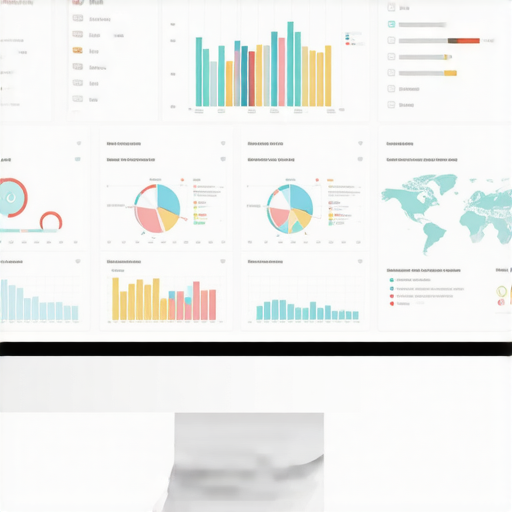
In one campaign, I replaced generic line charts with targeted maps-based rank tracking visuals. For example, coloring areas by rankings status immediately highlighted underperforming regions, enabling me to advise immediate local SEO adjustments. Think of it as turning a boring route map into a GPS navigator that guides actions directly.
Implement Color Coding for Quick Insights
Assign specific colors to KPIs: green for growth, red for decline, and amber for stable but cautious metrics. During an audit, I used this technique to spot at-a-glance which keywords were slipping and prioritized them for quick fixes, turning complex data into instant visual cues that influenced strategy on the fly.
Leverage Interactive Dashboards for Dynamic Insights
Static charts only scratch the surface. Invest in reporting software that offers interactivity. During one project, I created dashboards where clicking on a KPI drilled down into detailed analytics, such as device-specific traffic or competitor comparisons. This approach revealed hidden opportunities and pinpointed issues I’d otherwise overlook.
Utilize Maps and Rank Tracking Strategically
When tracking local search visibility, don’t rely solely on broad rankings. Use map-focused rank tracking to visualize proximity-based shifts, especially in competitive neighborhoods. I once identified a sudden drop in a target area caused by a glitch in proximity filters—quickly fixing this restored rankings and reinforced my expertise in map analytics.
Regularly Reset and Tune Your Visuals
Data visualization isn’t a set-it-and-forget-it process. Schedule weekly audits of your KPIs, adjusting visuals based on recent data trends. For example, I noticed a spike in bot traffic skewing my Google Analytics data (filter ghost traffic), so I updated my dashboards to exclude these anomalies. Consistent tuning ensures your visuals stay relevant and actionable.
Many marketers believe that simply aggregating data through SEO tools guarantees actionable insights, but in reality, this approach often leads to superficial analysis. A common misconception is trusting your software’s default metrics without questioning their relevance or accuracy; for instance, relying solely on broad keyword rankings can mask local performance issues. Advanced practitioners refine their KPIs and customize visualizations to expose deeper patterns, such as geographic rank shifts or device-specific behaviors, which are often overlooked. For example, integrating map-based rank tracking can reveal proximity-based fluctuations that standard reports miss, allowing for more precise local SEO strategies. Additionally, many fall into the trap of assuming all data sources are equally reliable, but ghost traffic and bot interference can corrupt analytics if not carefully filtered, especially in Google Business Analytics. This is why mastering map rank tracking adjustments and filtering techniques is essential for accurate insights. One prevailing myth is that KPI visualization is just a presentation task, but in fact, well-designed visualizations can act as strategic tools—guiding decisions, highlighting anomalies, and demonstrating ROI convincingly. A nuanced mistake many make is overlooking the importance of context in visual data; a spike in rankings might seem positive but could reflect algorithm updates rather than real performance shifts. To truly leverage your SEO insights, consider customizing dashboards that combine multiple data points, such as local map rankings and traffic sources, for a holistic view. Remember, static reports often hide the dynamic nature of SEO; integrating interactivity through reporting software enables real-time exploration and better decision-making. The key is to approach data analysis with a critical eye and question the assumptions baked into your tools and reports. Are you aware of the hidden factors skewing your data? Implementing proven strategies like advanced KPI visualization tactics can make the difference between misleading analysis and actionable insight. Don’t fall for the trap of superficial metrics—dig deeper to uncover true growth opportunities! Have you ever fallen into this trap? Let me know in the comments.
Achieving sustainable SEO results hinges not just on deploying the right tools but also on maintaining and optimizing them over time. In my experience, the key to long-term success lies in a disciplined approach to tools like SEO reporting software, Google Business Analytics, and map rank tracking solutions. Regularly updating your software, fine-tuning your KPIs, and ensuring the accuracy of your data are essential practices that prevent setbacks and keep your campaigns efficient.
How do I maintain my SEO tools over time?
First, prioritize routine audits of your reporting setups. For instance, I set a weekly calendar reminder to review ghost traffic filters in Google Analytics. This ensures that performance metrics reflect real user behavior and aren’t skewed by bot activity or spam. Additionally, stay informed about updates—many tools release new features or fix bugs that can dramatically impact your insights. Subscribing to their changelogs or newsletters is a simple but effective habit.
Invest in training yourself and your team periodically. I attend webinars and tutorials, such as those offered by industry experts, to understand new functionalities that can enhance data accuracy. For example, tallies with map rank tracking adjustments suggest that even small configuration tweaks can have lasting effects on data reliability.
Don’t forget to document your processes. Maintaining a reference of your configurations, filters, and custom KPIs helps troubleshoot issues promptly and ensures consistency as your team scales. This is especially relevant given the increasing complexity of SEO data, as outlined by map-based rank tracking strategies for 2026.
What tools are best suited to keep data accurate and actionable?
In my toolkit, SEO reporting software that offers real-time data integration is indispensable. These platforms automatically sync with your tracking sources, reducing manual errors and saving hours in audits. I also recommend automated alerts for data anomalies—big dips or spikes that could signal underlying issues or fake traffic, like those discussed in Google Analytics lead gap fixes. This prevents minor oversights from escalating into missed opportunities.
Scaling your tools as your client base grows is equally crucial. Invest in solutions that are flexible and scalable, capable of integrating new data sources or expanding KPIs. Consider exploring map-focused rank tracking for hyper-local campaigns, especially as more clients demand high-precision local SEO insights.
Finally, keep abreast of emerging trends. Industry reports predict a surge in AI-driven analytics and automation—embracing these innovations now will set foundations for future-proof SEO practices. Implementing these strategies, especially regularly checking your data for integrity—like verifying map data accuracy (map data fixes in 2026)—can dramatically improve your long-term results and client trust.
If you haven’t already, try setting up automated alerts in your analytics platforms to flag data discrepancies. This small step can save you hours and prevent costly mistakes down the line.
What I Wish I’d Known About Data Before It Became My Greatest Ally
Over the years, I learned that the key to compelling KPI visualizations isn’t just about pretty graphs—it’s about storytelling with purpose. I once believed that more data meant better insights, but I quickly discovered that clarity is king. Simplifying dashboards to highlight only impactful metrics transformed my client relationships and boosted decision-making confidence. The most valuable lesson? Less truly is more when it comes to impactful data presentation.
Tools That Turn Data Into Action
My go-to toolkit now includes SEO reporting software with real-time capabilities and map-based rank tracking solutions. These tools have saved me countless hours and improved the accuracy of local SEO insights. I trust them because they adapt to evolving search landscapes and provide actionable data that I can confidently present to clients. Combining automation with customization is what separates good data insights from great ones.
You Don’t Have to Be a Data Wizard to Use These Insights
If you’re feeling overwhelmed, remember that effective KPI visualization isn’t reserved for data scientists. Start small—focus on the metrics that truly matter to your clients. Use color coding to highlight growth or decline, and incorporate maps to visualize local performance. As you grow more comfortable, leverage interactive dashboards and refine your visuals. The goal is to make your data not just accessible but compelling enough to drive strategic actions. So, dive in, experiment, and watch your insights turn into tangible results.