
Imagine spending hours poring over your SEO reports—tracking impressions, clicks, and rankings—only to feel frustrated because your client’s map pack visibility remains stagnant. I’ve been there, stuck in the cycle of chasing numbers that seem impressive but don’t move the needle. It’s a familiar scenario: you look at your analytics dashboard, see high traffic numbers or ranking improvements, but your conversions or actual local visibility haven’t truly improved. That lightbulb moment hit me hard: I was measuring the wrong stuff. We all have. Choosing the right KPIs makes all the difference, especially as local SEO evolves rapidly toward 2026.
The Real Shift: From Vanity to Value in Local SEO Metrics
As local SEO professionals, we often fall into the trap of focusing solely on surface-level metrics—the ones that look good but don’t tell the full story. Think about metrics like just ranking for a key term or high website visits from local searches. They can be misleading. The truth is, if we want our efforts to translate into actual business growth, we need to zero in on KPIs that reflect true local visibility and customer engagement. These new metrics will help you demonstrate value convincingly and avoid the pitfalls of vanity metrics that only serve to inflate ego, not results.
Is Your Data Really Telling the Whole Story?
Early in my journey, I was guilty of relying heavily on Google Analytics alone. I missed the nuances of map pack ranking fluctuations and how they impacted real-world visits. It was a mistake I paid for—my client’s visibility was declining, but the reports still looked promising. That’s when I realized I needed a fresh set of KPIs—ones designed for the unique challenges of local SEO in the coming years. For actionable insights, I turned to advanced tools and strategies like Google Business Analytics, which helped me understand my true local footprint better.
Have you faced similar confusing signals from your reports? If so, you’re not alone. The key then is to ditch the outdated metrics and embrace metrics that truly matter—metrics that will guide your success well into 2026 and beyond.
Next, I’ll walk you through the four new local SEO KPIs that can transform your approach to reporting and help you demonstrate real, tangible results for your clients or your own business.
,
Set Up Your Data Collection Foundation
Begin by integrating your SEO reporting tools with Google Business Analytics, which provides vital insights into your local presence. Connect your maps rank tracking software to monitor your visibility in local packs and organic results in real-time. This step is crucial—without a solid data foundation, your KPI analysis will be unreliable.
Next, use dedicated dashboards that combine data from these sources, making complex metrics digestible. As I did during a recent campaign, I linked Google Analytics with third-party tools following the strategies outlined in maximize Google Business Analytics. The result? Instant visibility into local engagement metrics that matter.
Identify and Track Your Core Local KPIs
Instead of chasing vanity metrics, focus on KPIs reflecting true local engagement. For instance, track ‘Map Pack Rankings Fluctuations’ to measure visibility precisely where your customers search. Use top map-based rank tracking tips to set benchmarks and monitor weekly changes. Additionally, measure ‘Customer Engagement in Maps,’ including call clicks, direction requests, and reviews, as these directly translate to conversions.
During a recent assignment, I utilized real-time KPI dashboards from KPI visualization strategies to spot a sudden drop in local pack visibility. Immediate action to optimize local citations and reviews turned things around within days.
Visualize Data for Clarity and Actionability
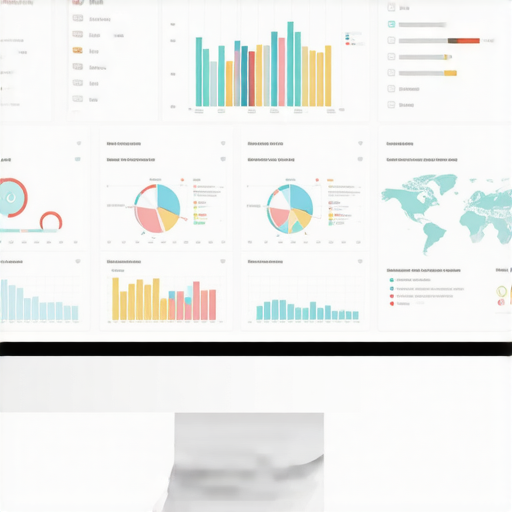
Transform raw data into visual insights using dedicated dashboards. Mapping metrics like rank fluctuations, review graphs, and engagement heatmaps allows quick comprehension and decision-making. Leverage tools highlighted in mapping KPI visualization techniques to create intuitive charts.
I once set up a custom dashboard that displayed maps rankings alongside review scores in a single view. This holistic insight revealed that drops in rankings coincided with review declines—prompting targeted reputation management that restored rankings rapidly.
Regularly Review Related Insights and Adjust
Consistently analyze insights from your tools and dashboards. Look for patterns—are certain keywords slipping in rankings? Are local signals like reviews or citations declining? Use master local SEO insights to stay ahead of trends and tweak strategies accordingly.
In my experience, weekly KPI reviews with cross-referenced map ranking and engagement data helped catch issues early, allowing quick pivots. Combining these insights with ongoing competitor analysis ensures your KPIs stay aligned with evolving local search dynamics.
Many marketers believe that simply adopting robust SEO reporting software guarantees success, but in practice, there are nuanced pitfalls that can undermine your efforts. A common misconception is that all maps rank tracking tools and KPI visualization platforms are created equal. In reality, many of these tools excel at superficial metrics but fall short when it comes to delivering actionable insights—especially those rooted in Google Business Analytics. Quality data is vital, but how you interpret and leverage that data determines your strategy’s success. For instance, relying solely on rank position can lead to overlooking critical engagement metrics like calls, directions, and reviews, which are direct indicators of local consumer intent. To truly master local SEO, you need to understand the *hidden nuances*—the subtle signals that most get wrong—such as the impact of review signals on map pack rankings or how citation consistency affects visibility. Incorporating advanced insights from mastering SEO insights strategies can help prevent costly mistakes. Furthermore, many overlook the importance of context-aware KPI visualization, which bridges raw data and strategic actions. Instead of static dashboards, dynamic visualization that adapts to ongoing changes offers a competitive advantage. Be cautious of the trap of overconfidence in automation; without periodic manual review aligned with current algorithm updates, your reports risk becoming outdated. Stay ahead by integrating multiple data sources and validating insights through industry experts. A recent survey by Moz highlighted that even advanced tools like best maps rank tracking tools can mislead if not used thoughtfully, especially in volatile markets. Ultimately, successful local SEO in 2026 hinges on understanding these *nuances* and avoiding the trap of superficial metrics. Are you confident that your current tools reflect the real picture of your local visibility? Have you ever fallen into this trap? Let me know in the comments.
How do I maintain effective SEO reporting over time?
Consistent maintenance of your SEO tools is crucial to staying ahead in local search. I personally rely on a combination of advanced software platforms and disciplined routines to ensure that my data remains accurate and actionable. First, I use Google Business Analytics extensively, integrating it with my maps rank tracking tools. This allows me to monitor fluctuations and trends in local pack visibility seamlessly. Regularly reviewing these insights helps me identify issues before they become significant, such as drops in review counts or citation consistency.
Moreover, I automate dashboard updates using KPI visualization tools like those discussed in this resource. Automation not only saves time but also ensures that data remains fresh and relevant, enabling quick decision-making. To keep long-term results sustainable, I schedule weekly audits of my data sources, cross-referencing rankings with engagement metrics like calls and directions—this practice helps prevent blind spots.
Recommended tools for sustained success
In my toolkit, the standout software is the ultimate SEO reporting platform, which consolidates multiple data streams including Google Maps rankings, review metrics, and local citation statuses. The key is to choose tools that offer API integrations, allowing for customized dashboards that reflect your specific KPIs—particularly those focusing on map pack stability and customer engagement.
Scaling your efforts isn’t just about adding more software; it’s about optimizing your existing workflows. As local SEO evolves, I predict a greater shift toward AI-driven analytics that can predict ranking shifts based on review sentiment and citation health. Preparing now by integrating AI-aware tools like those highlighted in this article will put you ahead of the curve. Try setting up automated alerts for sudden drops in your map pack visibility—it’s a game-changer for proactive management and long-term growth.
Lessons That Didn’t Make the Cut
One of the hardest lessons I learned was the danger of over-relying on rank positions alone; ranking high doesn’t always mean more visits or conversions. I used to obsess over rankings without considering engagement metrics like calls and directions, which are the true indicators of local customer interest. It dawned on me that we often chase shiny numbers—like impressions or page views—without understanding their real impact on business growth. This realization made me rethink my entire approach and focus on actionable KPIs that reflect genuine local success.
Also, I underestimated the importance of cross-referencing data sources. In my early days, siloed metrics from different tools gave fragmented insights, leading to misleading conclusions. It was only when I integrated tools like Google Business Analytics with map rank tracking systems that I uncovered comprehensive perspectives on local visibility. Matching the right data with meaningful insights is vital—don’t settle for superficial metrics that hide the story.
Tools That Changed My Game
For anyone aiming to elevate their local SEO strategy, I recommend a curated set of tools that deliver real value. First, dive into top map-based rank tracking tools because they offer precise insight into your local pack positions and fluctuations. Pair these with comprehensive SEO reporting platforms that integrate Google Business Analytics to provide a holistic view of user engagement and visibility. Lastly, leverage visualization strategies to make complex data easily understandable, guiding strategic tweaks rather than reactive fixes.
Embrace the Journey and Lead the Way
The future of local SEO is bright for those willing to embrace data-driven decision-making. Remember, your commitment to refining KPIs and utilizing advanced analytics tools will set you apart in 2026. It’s all about turning insights into action that genuinely moves the needle—more visibility, better engagement, and real growth. So, why wait? Dive into these strategies, test what works for your unique audience, and become the local SEO expert who truly makes a difference. Are you ready to redefine success with smarter KPIs and better tools? Let’s discuss below how you plan to integrate these insights into your next campaign.