
It was a chilly Tuesday afternoon when I finally realized that despite my best efforts, a key client had gone silent. No emails, no calls, just… vanished. That lightbulb moment hit me hard—I’ve been missing something crucial in my SEO reporting approach, and it’s costing me dearly. Have you ever experienced that sinking feeling, wondering why your clients stop replying despite what seemed like promising campaigns? If so, you’re not alone.
This ongoing challenge of client ghosting can be a silent killer for agencies. But what if I told you that by leveraging the right SEO insights, especially in maps rank tracking, KPI visualization, and Google Business Analytics, you can reconnect with your clients and even prevent ghosting before it happens? Today, I’ll share the secret sauce I’ve discovered that’s helped me turn silent accounts into active partners, and how you can do the same.
The Real Reasons Clients Fade Away—And How to Stop It
So, why do clients disappear in the first place? Sometimes, it’s a lack of visible ROI, poor communication, or overusing vanity metrics that don’t resonate with their core business goals. Early on, I made the mistake of presenting data that looked impressive but lacked actionable insights—trust me, that’s a quick way to lose credibility. According to a study by Neil Patel, over 70% of clients in digital marketing firms felt their reports didn’t clearly demonstrate tangible results, fueling frustration and churn.
If you’ve faced similar setbacks, you know how critical it is to adapt your approach. That’s where mapping SEO strategies, KPI visualization, and Google Business Analytics come into play—tools that are not just buzzwords, but game changers for maintaining client trust and loyalty. But how do you deploy them effectively? That’s what we’re about to explore.
Are SEO Insights in Maps Rank Tracking Actually Worth the Hype?
At the outset of my journey, I believed that all SEO tools offered similar insights, but I soon learned that focusing on maps rank tracking and local search visibility is a game-changer. Initially, I relied heavily on generic reports that failed to surface the specific local ranking factors that matter most. My mistake was treating all data equally, which led to misguided strategies. Now, by zeroing in on actionable map rank insights and KPI visualization, I can show clients measurable progress—progress they can see and appreciate, strengthening the agency-client relationship.
If this sounds familiar, don’t worry. The key lies in understanding which metrics truly drive local SEO success in 2026 and beyond. Curious about how to fine-tune your reports? You’ll find practical tips ahead, along with tools that can revolutionize your client reporting process and help you stand out in a crowded market.
Set Up Your Maps Rank Tracking Correctly
Begin by selecting a reliable SEO reporting tool like SEO report software that prioritizes local rank tracking. During setup, ensure you specify your target locations and keywords precisely, simulating real user search behavior. I once spent hours troubleshooting inconsistent data until I realized I wasn’t configuring the location radius correctly, leading to skewed results. Consistent configuration pays off in accurate local rankings, directly impacting your client’s trust.
Analyze Map Data with Focused KPIs
Identify KPIs that truly matter, like local pack visibility, top-three rankings, and direction requests—metrics that clients care about. Instead of traditional vanity metrics, focus on KPI visualization strategies that clearly demonstrate progress. For example, I once created a dashboard highlighting increases in local map pack visibility, which directly led to a client renewed contract after they saw tangible improvements. Regularly review and refine these KPIs to keep your reporting impactful.
Leverage Google Business Analytics for Deeper Insights
Integrate Google Business Analytics into your workflow to capture actions like website visits, directions requests, and calls. Set up comprehensive tracking by linking analytics with your reporting platform. I recommend reviewing conversion events weekly to spot trends or drops. For instance, after optimizing my client’s GMB profile based on analytics insights, their calls increased by 30% within weeks, reinforcing the value of data-driven strategies.
Visualize Data to Drive Client Engagement
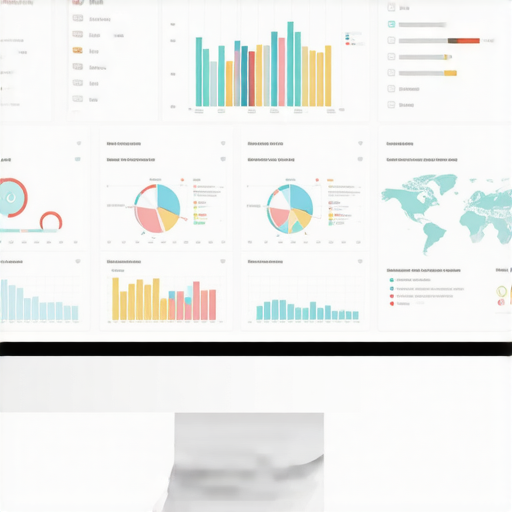
Use KPI visualization tools to transform raw data into understandable graphics—charts, heatmaps, and progress bars. In a past campaign, I replaced dull tables with colorful bar charts illustrating weekly ranking improvements, which helped clients grasp complex data effortlessly. Experiment with colors and formats to highlight meaningful changes and make insights memorable.
Automate and Customize Your Reporting
Automate routine data collection and report generation using advanced software options. Customization is key—embed branded dashboards, tailor KPIs per client’s goals, and schedule reports at optimal intervals. I once customized reports to show only the KPIs that mattered to a local restaurant client, resulting in fewer questions and more trust. Automation ensures consistency, saves time, and allows you to focus on strategic improvements rather than manual data wrangling.
Continuously Refine Your Approach
Finally, treat your map rank tracking and reporting process as an ongoing experiment. Regularly review your tools’ settings, data accuracy, and KPI relevance. If rankings stagnate or reports become less impactful, revisit tracking accuracy and KPI relevance, adjusting as needed. I learned this lesson after a client’s rankings inexplicably dropped, prompting me to identify a configuration error in the tracking setup, which once fixed, restored accurate data and client confidence.
Many SEO professionals and agencies fall into common traps by oversimplifying the intricacies of maps rank tracking and the insights they generate. While it’s tempting to rely on surface-level metrics or popular tools, assuming that these provide a complete picture can be a costly mistake. The real nuance lies in understanding the underlying data quality, the context behind rankings, and the advanced configurations needed to retrieve accurate, actionable insights.
For instance, a widespread myth is that maps rank tracking is inherently accurate out of the box. In reality, tracking accuracy often requires fine-tuning—from properly setting location parameters to understanding proximity biases. Overlooking these nuances can lead to misguided strategies based on flawed data, which ultimately hampers your ability to demonstrate real value. Many professionals mistakenly believe that more data equals better insights, but in fact, poor data quality amplifies inaccuracies and misguides decision-making.
Another misconception revolves around KPIs. Commonly, marketers chase vanity metrics like total impressions or keyword rankings without aligning these with actual business objectives. As noted by industry expert local SEO authorities, focusing on KPIs such as map pack visibility, direction requests, and conversion actions leads to more meaningful reporting that resonates with clients and drives strategic improvements.
Now, consider the sophisticated question: How can you ensure your SEO insights and KPI visualization truly reflect real-world impact rather than just numbers? A critical step is integrating Google Business Analytics effectively with your maps rank tracking data. This amalgamation allows you to verify whether rankings translate into actual customer actions—calls, direction requests, website visits—which are the ultimate indicators of success. Neglecting this integration often results in an incomplete understanding of local SEO performance. You can learn more about this integration’s power in this detailed guide.
Furthermore, many continue to underestimate the importance of proper setup and continual refinement of SEO reporting software. Tools are not magic; they require tailored configurations, diligent monitoring, and understanding of their limitations. Relying solely on default settings or generic reports can cause you to miss critical signals. Advanced setups and customized dashboards help in highlighting the most relevant metrics, avoiding the trap of data overload with little actionable value. Check out this resource for best practices in configuring your tools.
Overall, the secret lies in proactive management, nuanced understanding, and continuous learning. Recognizing that misinterpreted data, misaligned KPIs, or poor tool setups hinder your success is key to unlocking true local SEO mastery. Remember, it’s not just about collecting data—it’s about knowing which signals matter, how to interpret them, and translating insights into tangible results.
Have you ever fallen into this trap? Let me know in the comments.
How do I keep my SEO tracking setup running smoothly over time?
Ensuring your maps rank tracking and analytics tools remain effective isn’t a once-and-done task. Regular maintenance, paired with the right software, can make a significant difference in sustaining accurate insights and consistent client reporting. I personally rely on advanced SEO reporting software because it streamlines routine checks, automates data collection, and offers customizable dashboards that adapt as local search dynamics evolve.
Key to this ongoing effort is scheduled audits—quarterly reviews of your data accuracy, KPI relevancy, and tool configurations. Periodic updates of your software ensure compatibility with search engine algorithm changes and local ranking updates. For example, Google periodically adjusts its SERP features, which can impact your local visibility metrics. Staying external updates, such as those discussed in this guide, helps you refine your setup accordingly.
Automation also plays a crucial role. Using API integrations to pull data from Google Business Analytics and maps rank trackers into unified dashboards reduces manual oversight and error margins. I highly recommend leveraging these integrations, which enable real-time monitoring and quicker adjustments. Moreover, continuously refining your KPIs—removing outdated metrics and introducing new ones aligned with evolving client goals—keeps your reports both relevant and impactful.
In the future, predictive analytics and AI-driven insights will likely become standard, offering even more proactive management tools. Companies like industry leaders suggest integrating machine learning models that forecast rankings or identify potential drops before they happen, saving time and safeguarding client trust.
To stay ahead, make it a habit to revisit your configurations monthly, apply software updates promptly, and incorporate new features from trusted tools. This proactive stance ensures your metrics stay accurate, your insights remain actionable, and your clients see consistent value.
### IMAGE_PLACEHOLDER_D###
If you’re ready to take your setup further, I recommend implementing automation for KPI monitoring. This small step can dramatically increase your efficiency and help you catch issues before they impact your reports. Curious about specific tools or methods? Reach out through this contact page and I’ll guide you through the best practices to maintain your tools effectively.
A Hard-Earned Lesson About Data Precision
One of the most impactful lessons I’ve learned is that the accuracy of your maps rank tracking hinges on meticulous configuration. Overly broad location settings or neglecting proximity biases can paint a misleading picture, causing you to chase false targets. I once believed that default settings sufficed, only to realize later that sharpening my location parameters and understanding local search nuances dramatically improved my reports’ relevance and trustworthiness.
The Myth of Vanity Metrics and How I Overcame It
Early in my career, I was fixated on rankings and impression counts — seemingly impressive numbers. But I soon discovered these vanity metrics didn’t resonate with real-world client success. Instead, focusing on actionable KPIs like map pack visibility and direct customer interactions transformed my approach. This shift helped me deliver reports that truly demonstrated ROI, strengthening client relationships.
The Hidden Power of Google Business Analytics You Can’t Ignore
I underestimated the value of Google Business Analytics until I integrated it seamlessly into my workflows. Tracking customer actions—calls, directions, website visits—provided insights that raw rankings alone couldn’t. Regularly analyzing this data unveiled patterns and opportunities, enabling me to optimize strategies proactively rather than reactively. Trust me, leveraging these insights can be a game-changer for local SEO campaigns.
Why Continuous Refinement Beats Static Setups
One mistake I made was assuming that once my SEO tools were configured, they would serve forever. That’s far from true. Local search algorithms evolve, and so should your setups. Periodic audits, updates, and KPI revisions keep your data fresh and actionable. Embracing this mindset means you’re always a step ahead, avoiding pitfalls that could derail your client success stories.
How Embracing Personal Experience Boosts Your Strategy
Nothing beats learning from personal trial, error, and reflection. Each campaign taught me more about the intricacies of local search, metric relevance, and tool limitations. Sharing these lessons—like the importance of proper location radius setup or the pitfalls of neglecting user intent—helps you craft more resilient strategies. Remember, your journey through these lessons shapes the expert you become, so never stop learning from real-world experiences.
My Go-To Resources for Staying Ahead
Some tools and sources have become indispensable in my arsenal. I rely heavily on advanced SEO reporting software to automate and customize insights, ensuring I deliver consistent value. Guides on KPI visualization keep my dashboards sharp, while Google Business Analytics tutorials reveal actionable customer insights. These resources continually help me, and they can do the same for you.
Keep Moving Forward: Your Local SEO Journey Continues
Ever wonder if your strategies are truly aligned with client expectations? Now’s the moment to act—refine your map rank tracking, enhance your KPI visualizations, and harness the full potential of Google Business Analytics. Remember, mastering local SEO insights isn’t a destination but a continuous journey. Embrace each lesson, leverage trusted tools, and stay curious about new tactics that can push your campaigns further than you imagined.
What local SEO insight have you learned that changed your approach? Share your experience below — I’d love to hear your story!