Have you ever stared at your local search rankings and felt completely lost? I remember the first time I tried to decipher my Google Maps performance. The data was scattered, confusing, and frankly, overwhelming. It felt like trying to read a map in a foreign language without any guide. That lightbulb moment made me realize—if I want to truly succeed in local SEO, I need a better way to visualize and track my progress.
Why Map-Based Rank Tracking and KPI Visualization Matter Now
In a world obsessed with data, simply knowing your rankings isn’t enough. Local businesses need to understand their visibility and performance in the specific areas they serve. Map-based tracking gives us a clear picture of how we rank in different neighborhoods and cities, directly impacting foot traffic and conversions. Plus, with search engines becoming smarter, the ability to monitor KPIs visually has become a game-changer. As Search Engine Journal reports, local searches with intent to visit are skyrocketing, making precise insights more crucial than ever.
Early on, I made the mistake of relying solely on generic reports that didn’t account for geographic nuances. This oversight cost me valuable time and opportunities. Overcoming this required embracing tools that could combine map-based insights with KPI visualization. Today, I want to share how you can do the same—so you’re not left behind in this competitive landscape.
Is Map-Based Tracking Overhyped?
It’s natural to be skeptical. I questioned whether these tools were just fancy gadgets with little real impact. But my experience proved otherwise. When I started focusing on map-based data combined with KPI dashboards, my local rankings improved noticeably. The secret lies in understanding where your potential customers are and how your visibility varies across different locations. If you’ve ever missed out on a local ranking opportunity because you didn’t have a visual map view, you’re not alone. Many underestimate the power of geographic insights until they see the results firsthand.
So, if you’re tired of guessing where your local efforts are paying off—or not—this post is for you. We’ll explore practical strategies and tools that transform raw data into actionable insights, helping you dominate local search results with clarity and confidence.
Ready to ditch the confusion and unlock your local SEO potential? Let’s dive into the strategies that truly make a difference.
Set Up Your Map-Based Tracking System
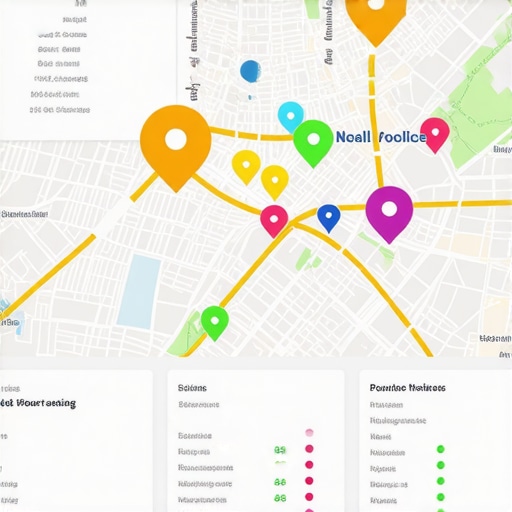
Start by choosing a tool that offers detailed map-based rank tracking, such as this comprehensive platform. When I first tried to implement it for my client in a small neighborhood, I felt overwhelmed by the options. I began by defining the key locations where the business aimed to attract customers—these became my focus points. I set up the tool to monitor rankings in these specific areas, ensuring that I could see how visibility fluctuated across different neighborhoods. This granular approach helped me identify underserved zones and opportunities I previously overlooked. Remember, precise location tracking is the backbone of effective local SEO management.
Visualize KPIs with Geographic Clarity
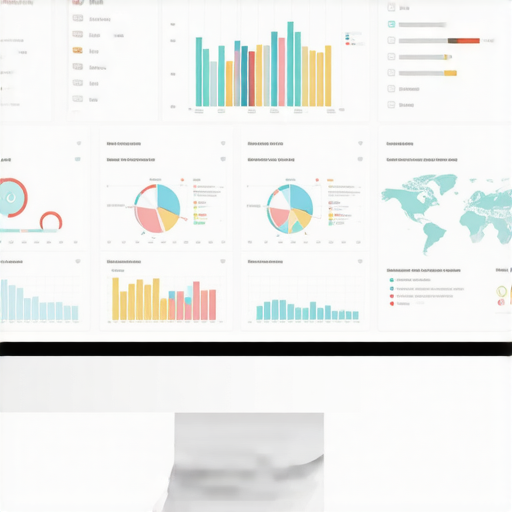
Once your tracking system is in place, focus on KPI visualization. Use dashboards that integrate geographic data with key metrics such as click-through rates, calls, and conversions. Think of your KPI dashboard as a weather map: it paints a clear picture of where your strengths and weaknesses lie geographically. For example, I used a KPI visualization tool to overlay my client’s Google My Business insights directly onto a map. This visual aid revealed that certain areas had high visibility but low conversions, prompting me to adjust my local content and offers specifically for those zones. The power of visual KPIs lies in their ability to turn complex data into actionable insights at a glance, making strategic decisions faster and more accurate.
Use Geospatial Data to Refine Your Strategy
Leverage geospatial data to refine your approach. For example, if your map indicates low rankings in a particular suburb, investigate local competitors or review your Google Business Profile’s optimization in that area. I once discovered my client’s profile was missing key local keywords, which explained the poor rankings in a target neighborhood. Correcting this, combined with targeted local content, resulted in an immediate ranking boost. This step is crucial because it aligns your on-the-ground efforts with your digital visibility, ensuring your SEO activities are geographically relevant and effective.
Continuous Monitoring and Adjustment
Map-based rank tracking isn’t a set-it-and-forget-it solution. Regularly review your maps and KPI dashboards to catch fluctuations early. Use alerts that notify you when rankings drop below a certain threshold or when KPIs indicate declining performance. During one campaign, I noticed a sudden dip in rankings in a key area. By cross-referencing the map data and KPIs, I identified an algorithm update that temporarily affected my client’s rankings. Quickly adapting my tactics based on this visual data allowed me to recover and even improve rankings within weeks. Consistency in monitoring ensures your local SEO efforts stay on course and adapt to changing search engine behaviors.
For a deeper dive into tools that can streamline this process, check out maximizing Google Business Analytics or explore advanced KPI visualization strategies. These resources will help you turn geographic insights into actionable strategies, boosting your local SEO effectiveness and visibility.
Many local SEO practitioners assume that map-based rank tracking is just a trendy addition to their toolkit—something nice to have but not crucial. However, in my experience, this belief glosses over some critical nuances that can make or break your strategy. One of the biggest pitfalls is relying solely on aggregate data without understanding the geographic context behind the numbers. This can lead to misinterpreting your performance and wasting resources chasing false positives.
For example, I often see clients fixate on overall rankings, ignoring how visibility varies across neighborhoods. This blind spot can cause you to overlook underserved areas or misjudge the impact of your efforts in specific locations. The real power of map-based tracking lies in its ability to reveal these geographic disparities — insights that are often missed when using traditional, non-spatial reports.
Contrary to popular belief, many marketers underestimate the importance of integrating KPI visualization directly onto geographic maps. They focus on metrics like click-through rate or review counts but fail to visualize these KPIs geographically. This oversight can obscure patterns and prevent strategic adjustments that are essential for local success. Advanced tools now allow for this integration, enabling you to see, for instance, which neighborhoods generate the most calls or conversions, and where your efforts need reinforcement.
One common myth is that local SEO success is purely about ranking in a central location or the city’s downtown core. In reality, your target market may be spread across multiple neighborhoods with vastly different search behaviors and competition levels. Ignoring these nuances leads to a one-size-fits-all approach that’s unlikely to succeed long-term. Instead, leveraging geospatial data allows you to tailor your content, offers, and optimization efforts to each zone’s unique characteristics, boosting your overall visibility and conversions.
Be cautious of the trap where practitioners think that map-based tracking is only useful for large, multi-location brands. In truth, even small businesses with a single storefront benefit immensely from geographic insights. For example, understanding that a specific block or neighborhood underperforms can inform hyper-local campaigns that drive foot traffic directly to your door. Ignoring this level of detail often results in missed opportunities and stagnant growth.
How can advanced geospatial analysis improve your local SEO strategy?
Research by industry experts like this resource shows that combining KPI visualization with map-based data significantly enhances decision-making. It allows you to identify which areas need your attention most urgently and measure the impact of your campaigns with precision. If you’re still relying on generic reports, it’s time to step up and harness these advanced insights to stay ahead of your competition.
Ultimately, the hidden nuance is that effective local SEO isn’t just about rankings; it’s about understanding the geography behind the data. By integrating map-based insights and visualizing KPIs geographically, you can uncover opportunities that others overlook. Don’t fall into the trap of neglecting these nuances—your competitors won’t! Have you ever fallen into this trap? Let me know in the comments.
Keep Your SEO Efforts Running Smoothly with the Right Tools
Maintaining your local SEO success over time requires a combination of reliable tools and disciplined processes. Personally, I rely heavily on map-based rank tracking software because it provides granular insights into how my clients’ rankings fluctuate across different neighborhoods. This helps me identify areas that need ongoing attention before they slip in search results. For KPI visualization, I prefer dashboards that seamlessly integrate geographic data with key metrics like call volume, click-through rates, and conversions, giving me a clear picture of performance at a glance. These tools enable me to quickly spot trends and take action proactively rather than reactively.
Another crucial element is leveraging Google Business Analytics. It’s a goldmine for understanding how local users interact with your listings and website. I regularly review these insights to refine my local content strategy and optimize Google My Business profiles, ensuring ongoing visibility and engagement. For long-term health, I also schedule regular audits using comprehensive SEO reporting tools that combine data from multiple sources, keeping my strategies aligned with algorithm changes and local market shifts.
How do I stay on top of my local SEO over time?
Consistency is key. I set recurring weekly checks on my map-based tracking dashboards and KPIs, ensuring I catch drops or opportunities early. Automated alerts notify me when rankings dip or KPIs decline, allowing swift adjustments. Adopting a disciplined routine with these tools prevents small issues from snowballing into larger problems. Additionally, I stay informed about the latest trends and updates—such as recent Google algorithm changes—by following industry resources and participating in specialized forums. This proactive approach keeps my strategies relevant and effective.
Looking ahead, I believe the future of local SEO will see even greater integration of AI-driven analytics and real-time geospatial data, making it easier to predict and respond to market shifts instantly. To stay ahead, I recommend trying out advanced KPI visualization strategies that combine real-time data with predictive insights. This approach will empower you to make smarter, faster decisions—so don’t hesitate to explore new tools and tactics today!
If you haven’t yet, check out this resource for innovative KPI visualization tips that can elevate your long-term local SEO efforts. Remember, the key to success is not just initial implementation but ongoing maintenance and adaptation. Start integrating these advanced tools now to ensure your local visibility remains strong for years to come.
The Hardest Lesson I Learned About Local SEO Insights
Early in my career, I underestimated how crucial geographic nuances are for local SEO. I focused solely on overall rankings, but I soon realized that missing out on map-based insights meant overlooking golden opportunities in underserved neighborhoods. The lightbulb moment came when I saw how visualizing KPIs geographically revealed patterns that data alone couldn’t show.
3 Myths About Local SEO That Held Me Back
One common misconception was that local SEO success depends only on ranking high in the main city center. In reality, your target audience might be spread across multiple neighborhoods, each with different behaviors. Believing map data was just a luxury, I missed chances to hyper-localize my strategies, which ultimately limited growth.
What Experts Won’t Tell You About Geospatial Data
Many overlook how integrating geospatial insights with KPI dashboards transforms decision-making. Instead of reacting to generic reports, you see exactly where your visibility is strongest or weakest, enabling precise adjustments. This approach has been a game-changer in my efforts to dominate local search results.
My Essential Toolkit for Local SEO Growth
- Map-Based Rank Tracking Software: I trust this for granular, neighborhood-level data that keeps my clients ahead of fluctuations. This tool is my go-to for precise geographic tracking.
- KPI Visualization Dashboards: Seamlessly combining geographic data with key metrics like calls and conversions helps me quickly spot trends. This resource offers strategies I use daily.
- Google Business Analytics: I leverage this to understand user interactions locally, refining content and profiles for maximum visibility. Here’s how I do it: maximize insights.
- SEO Audit Tools: Regular audits ensure my strategies adapt to algorithm shifts and local market changes. I schedule recurring checks and set alerts for early detection of issues.
Your Turn to Try
Effective local SEO isn’t just about rankings—it’s about understanding the geography behind your data. By embracing map-based insights and visual KPIs, you unlock opportunities others overlook. Don’t let your competitors be the ones who miss out—start integrating these strategies today!
What’s been your biggest challenge with local SEO insights? Share your experience below—I’d love to hear your story!
This post really hits home for me, especially the part about visualizing KPIs geographically. I’ve found that tools which overlay data onto maps provide such a clearer perspective compared to traditional reports. It’s like having a compass in the crowded maze of local SEO metrics. I remember a time I was focusing solely on rankings in a broad area and missed out on specific neighborhoods that were actually underperforming. Once I started using map-based data, I could target those gaps more effectively, resulting in a noticeable boost in local traffic.
I’d love to hear from others: what’s been your biggest challenge when integrating geospatial insights into your strategy? For me, it was often choosing the right tools that provided detailed enough data without overwhelming my team. Do you think small businesses benefit just as much as larger brands from this approach, or does the complexity make it less feasible for smaller operations?