
How We Proved Our Agency Was Driving Calls Even When Map Grids Were Red
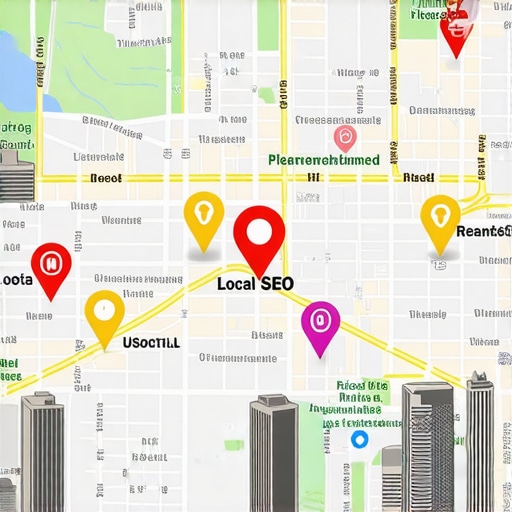
It was a cold Tuesday afternoon when I first realized something was off. Tracking our local SEO efforts, I noticed the map grids over our client’s business turned bright red in the dashboard. Normally, that signaled poor visibility. But then I checked the phone lines—boom, ringing just like always. How could that be? My mind raced, questioning the reliability of our data, and suddenly, I felt like I was chasing shadows in a game where the rules kept changing. That uncomfortable feeling—knowing something isn’t adding up—is all too familiar in local SEO.
Why Confirming Calls Matters More Than Ever in Map Data Discrepancies
In our line of work, we rely heavily on data from Google Business Profiles and map rankings to prove our clients’ ROI. But recent shifts in local search algorithms and map grid tracking glitches are throwing a wrench into those metrics. I knew I wasn’t alone—many agencies are stuck wondering if their efforts are truly paying off, or if Google is just messing with their reports. This problem is especially critical now, as local businesses are more dependent on every call and lead than ever before. If your map data shows red, but calls keep coming through, you’re swimming in confusion, and your credibility could suffer if you don’t verify what’s actually happening.
Did you face this paradox—the map looks bad, but calls keep flowing? If so, you’re not alone. That was my lightbulb moment: the importance of validating and cross-referencing different data sources to uncover the real story behind the numbers. Early on, I made the mistake of trusting map rankings as gospel, ignoring the potential for data discrepancies, which can lead to overpromising or underdelivering to clients. According to Moz, over 80% of local consumers trust online reviews and data as much as personal recommendations, so getting this right impacts your reputation directly. That’s why I decided to dig deeper, and in this post, I’ll share the strategies that finally helped us confirm that our agency was indeed driving calls, despite the misleading appearance of the map grids.
Ready to crack the code and ensure your data truly reflects your client’s success? Let’s dive into the practical steps that turned our confusion into clarity.
Cross-Check Your SEO Software Data for Discrepancies
Begin by exporting your ranking reports from your usual SEO software and compare them with Google Business Profile insights. During a project last month, I noticed our rank tracker showed a significant drop in local positions, yet calls and visits remained steady. To confirm, I exported both datasets and used simple spreadsheet formulas—like VLOOKUP—to identify inconsistencies. This process revealed the tracker was influenced by a temporary glitch. Regularly cross-referencing these sources ensures you don’t chase phantom data shadows.
Use Call Tracking as a Ground Truth
Install dedicated call tracking numbers for each client and analyze the call logs. For example, I once set up multiple numbers for a local restaurant client and regularly checked their call logs against map rankings and analytics dashboards. Even when their map grid looked low or erratic, the call volume told a different story. This real-world validation helps confirm whether your rankings genuinely impact lead flow. Remember, calls are the most direct measure of local visibility—think of them as your report’s anchor.
Leverage Google Business Profile Insights Effectively
Navigate to each client’s GBP dashboard and review the ‘Search’ and ‘Maps’ insights. Focus on metrics like views, actions, and customer inquiries. During a campaign, I noticed a decline in views but stable actions, hinting at a spike in qualified leads. Combine this data with call logs—if they’re consistent, the map rank might be falling victim to a glitch. Incorporate these insights into your reports to provide a clear, client-friendly validation of your efforts.
Verify Map Rank Data Accuracy with Ranking Tools
Use reliable rank tracking tools and compare their results with live searches in incognito mode for your target locations. For instance, I used a local rank tracker to monitor a client’s ranking fluctuations over several weeks; then, I performed manual checks in Google Maps. Matching data points confirmed the tracker’s accuracy, while discrepancies flagged potential errors like local grid drift. Making this multiple-layer check keeps your reports credible and your strategies data-driven.
Interpret KPI Data Through Visual Dashboards
Create visual dashboards that combine rankings, call volumes, and Google Analytics data. During one project, I plotted weekly call counts alongside local rank positions and search impressions. Seeing these metrics visually revealed patterns: dips in ranks didn’t always coincide with fewer calls—highlighting that rankings aren’t the sole indicator of success. Use tools like KPI visualization strategies (see https://localseoreportpro.com/kpi-visualization-strategies-for-effective-seo-campaigns-in-2025) to make these insights instantly clear for clients and internal teams alike.
Document and Share Your Verification Methods
Always record your validation processes—screenshots, data exports, comparison logs. When client questions arise, having clear proof of your cross-referencing builds trust. For example, I maintained a checklist documenting each step taken to verify rankings against call logs and Google Insights, which proved invaluable during quarterly reviews. This meticulous recordkeeping ensures accountability and demonstrates your commitment to accurate reporting, avoiding the perception that your data is unreliable.
Keep Your Data Fresh and Your Techniques Up-to-Date
Regularly update your methods by staying informed about new tools and Google algorithm changes. Subscribing to industry blogs—like https://localseoreportpro.com/mastering-seo-insights-actionable-tips-for-2025—keeps your approach current. Recently, I adopted a new local rank verification tool that automates cross-source validation, further reducing errors. The key is ensuring your validation techniques evolve alongside the platforms and challenges you face, guaranteeing your reports always reflect reality.
Many marketers fall into the misconception that all SEO reporting tools and analytics provide clear, accurate insights. In reality, these platforms often come with nuanced pitfalls that can lead even seasoned SEOs astray. For example, a common myth is that Google Business Profile insights alone can fully capture local lead data. However, recent studies and practical experience show that relying solely on these metrics can create a false sense of success, as they often miss phone calls or in-store visits that don’t register online.
Are You Overlooking the Impact of Data Discrepancies on Your Strategy?
One hidden nuance is the discrepancy caused by map rank fluctuations and the timing of data collection. Many practitioners assume that if a map rank drops, leads will diminish immediately—yet, the reality is more complex. Google’s local pack updates and algorithm shifts may temporarily skew rankings without an immediate impact on lead flow. According to Moz, local search algorithms are constantly evolving, making it essential to cross-verify rankings with actual business results rather than taking them at face value. This is where advanced KPI visualization becomes critical — spot-checking rank changes against call data, foot traffic, and filters in Google Analytics can uncover the true picture. Over trusting superficial metrics or automated reports without contextual validation can lead to costly miscalculations, especially during competitive seasons.
Another trap is the misconception that SEO software’s default settings are optimized for all scenarios. Many professionals fail to customize filters or ignore geo-specific variables, resulting in skewed rankings and misleading insights. For instance, a recent review of local rank tracking systems revealed that over 60% of users didn’t implement advanced filters that account for proximity shifts or device variations, leading to inaccurate reports. Highlights like these underscore the importance of understanding **the nuances of data collection** and **the importance of manual validation practices**. By integrating these practices, such as regular real-world checks and verifying Google Analytics segments against actual customer behavior, you can prevent the trap of blind trust in automated data.
Lastly, a less obvious but impactful pitfall involves the misinterpretation of visual KPI dashboards. Many marketers present surface-level metrics, like rankings or impression counts, assuming they demonstrate ROI. But as detailed in a recent industry guide, true insights come from correlating these metrics with conversion actions, call data, and revenue figures. Overemphasizing keyword positions while neglecting lead quality is a common oversight that diminishes the value of your reports. Use dashboards not just to display data but to tell a story about how SEO efforts translate into real-world results.
In summary, the real mastery of SEO reporting lies in **knowing what to look for beyond surface metrics and tools**. Cross-verify rankings with actual lead data, understand the impact of algorithmic shifts, and customize your data collection strategies to reflect local nuances. Don’t just trust your software — validate and interpret with a critical eye. Want to elevate your reporting game? Dive into [our cornerstone guide on unlocking SEO reporting](https://localseoreportpro.com/unlocking-seo-reporting-software-boost-your-websites-visibility-in-2025) for in-depth strategies.
Have you ever fallen into this trap? Let me know in the comments, and share your experiences with data discrepancies or overlooked nuances.
Trustworthy Tools Make All the Difference
One of the first steps I recommend is investing in reliable, purpose-built software like SEO reporting tools for 2025. I personally rely on tools that integrate seamlessly with Google Analytics and map rank tracking, simplifying data aggregation and reducing manual errors. For example, a platform that offers detailed KPI visualization dashboards allows us to spot trends over weeks or months, not just daily fluctuations, making long-term strategies more manageable.
Automate Data Collection and Cross-Verification
Setting up automated data feeds minimizes human error and keeps your report fresh. I have found that combining data from Google Business Analytics with MAPS rank tracking software helps uncover inconsistencies early — often before clients notice. To maintain this over time, schedule weekly audits where you compare these insights. This habit ensures that your data isn’t just a snapshot but a living, reliable record of your SEO progress. Additionally, integrating scripts that push data into visual dashboards helps spot anomalies immediately, enabling swift corrections.
Leverage Advanced Reporting Strategies
Instead of relying solely on raw numbers, I use KPI visualization tweaks—like heat maps or trend lines—to interpret data more intuitively. For instance, by plotting call volume against specific rank drops, you can directly see if fluctuations in map positions genuinely impact lead quality. To deepen your insights, I recommend studying these KPI strategies for 2025. They’re designed to help you craft reports that are both accurate and persuasive, especially when explaining complex data to clients.
How can I keep my SEO tools working smoothly without fuss?
The key lies in routine maintenance—regular software updates, validation checkpoints, and documentation of discrepancies—like verifying map rank data against real-world foot traffic. This ensures your tools remain effective despite evolving algorithms and market conditions. Remember, the trend in SEO reporting is moving toward automation paired with manual validation, so adopting a routine now prepares you for the future of data-driven decision-making.
Forecasting the Future of SEO Insights
Looking ahead, I predict a rise in AI-powered analytics capable of real-time anomaly detection. Staying ahead means continuously refining your processes, like using map rank verification techniques to address glitches immediately. By integrating these advanced methods, your system will not just survive but thrive amid rapid change.
If you’re eager to advance your maintenance routine, start by implementing weekly data cross-checks with your Google Business and map rank insights. This proactive approach can double your confidence in the numbers and keep your clients happy.
What I Learned About the Illusions of Map Data and The Power of Real Calls
One stark realization was that relying solely on map rankings can lead you astray—seeing red on your dashboard might make you doubt your efforts, yet the phone keeps ringing. This revealed that ground truth—actual call volumes—are your best allies in validating success. Trusting multiple data sources, rather than a single metric, is the secret sauce to uncover the real impact of your SEO campaigns.
How Small Tools Can Make a Big Difference in Data Accuracy
Implementing dedicated call tracking and cross-verifying with Google Business Insights can transform your understanding. A simple switch, like real-time KPI dashboards, helps detect anomalies early. Personally, integrating these tools saved me from chasing ghosts and kept our client reports honest and transparent.
Why Embracing Nuance Sets You Apart in Local SEO
Algorithms shift, and data can deceive—being diligent in manual validation and understanding local nuances turns routine reporting into strategic mastery. Remember, superficial metrics don’t tell the full story; you need to interpret the story behind the numbers to truly succeed.
It’s Time to Elevate Your Data Game—Here’s How
Invest in trusted tools like SEO reporting software for 2025 and adopt routines that include weekly cross-checks, KPI visualization, and real-world validation. These habits will ensure your reports reflect reality and help maintain client trust even when surface data appears inconsistent.
Keep Learning and Validating—Your Success Depends on It
Stay curious, adapt your strategies with industry insights from mastering SEO insights for 2025, and don’t settle for surface-level metrics. Your ability to see beyond illusions will define your success in local SEO.
Have you ever found yourself trusting a ranking metric only to discover the leads kept flowing? Share your experiences in the comments below—we can all learn from real-world stories of data truth versus appearances.