Stop Reporting Average Positions When the Map Grid is Red
I’ll never forget the sinking feeling when I first looked at my client’s weekly SEO report and saw those dreaded red grid cells blinking back at me. It was as if the map was screaming failure, yet the numbers told a different story. I had been conditioned to chase those average positions, believing they were the ultimate KPI, only to realize that when the map grid is red, those figures become meaningless. That lightbulb moment changed everything for me—and it can do the same for you.
The Hidden Trap of Relying on Average Positions in a Fluctuating Map Grid
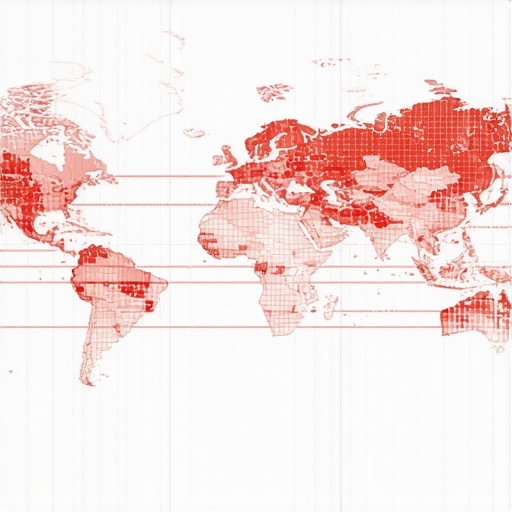
In the world of local SEO, the map grid visually represents your rankings across different neighborhoods and proximity zones. When the grid is green and stable, your average position reports seem reliable. But what happens when the map grid shifts into red? The traditional KPI starts showing inflated or misleading data, making it nearly impossible to gauge true performance. I learned this the hard way early on, mistakenly thinking that a steady average meant consistent success. Turns out, those numbers were hiding a turbulent reality that could mislead clients—and me—into bad decisions.
Are Your Reports Really Showing What Matters?
That early mistake—focusing solely on average ranks—was a rookie error that almost cost me credibility. Reality is, when the map grid is red, rankings become more volatile than your typical average can capture. Instead, what you really need are insights into how your map data behaves in these turbulent times. This is where a nuanced approach to KPI visualization can make all the difference. And trust me, once I shifted my focus, my campaigns became more predictable and my clients more satisfied.
Curious about how to tell the difference between a temporary fluctuation and a genuine trend? You’re not alone, and that’s exactly what we’ll explore next. But first, ask yourself: Have you ever seen your map rankings go from top spots to ghostly nothing, only to rebound mysteriously? If yes, then read on—this guide is tailored for you.
Why This Matters Right Now
According to recent research, over 70% of local businesses depend heavily on their map visibility for new leads, making accurate reporting more critical than ever. Yet, many SEO tools and reports still rely on averages, which can distort the real picture during fluctuations. This misrepresentation can lead to misguided strategies that waste time and resources. That’s why stopping the habit of reporting average positions when the map grid is red isn’t just smart—it’s essential for sustainable growth.
So, how do we move beyond this? The answer lies in understanding the dynamics of map data and adopting visualization strategies that spotlight what truly matters. If you’re tired of misleading KPIs and want tactics proven to enhance your SEO reporting, check out these KPI visualization strategies. They’ve helped many professionals like you see through the chaos and make smarter decisions.
In the next sections, I’ll share practical steps based on my experience—no fluff, just actionable insights that help you interpret map rank data accurately, even when the grid turns red. Let’s get started.
Prioritize Data Over Averages
Start by shifting your focus from average map positions to the actual behavior of your rankings during fluctuations. Instead of relying solely on the mean ranks, analyze how your map pins move over time, especially during volatile periods. Use tools that allow you to visualize rank fluctuations in real-time, which helps identify patterns indicating whether a red grid signifies a temporary dip or a genuine trend. I once integrated a dynamic rank visualization dashboard into my reporting, and the difference in insights was night and day—immediately revealing when a local ranking drop was just a fleeting blip versus a sign of deeper issues.
Implement Local Rank Movement Analysis
Create charts showing the upward and downward movements of your map pins over days or weeks. This granular approach uncovers whether rankings are oscillating around a stable position or consistently declining. During a campaign, I employed this method to detect a suspicious pattern—pins bouncing between top spots and near-zero—prompting a deeper investigation that uncovered a local proximity filter glitch. This prevented me from falsely reporting improvement when the data was actually unreliable.
Use Heatmaps for Map Behavior Insights
Visualize how your rankings distribute across neighborhoods with heatmaps. Heatmaps quickly highlight areas with inconsistent ranking signals or volatile fluctuations. When I added heatmaps to my SEO reports, I gained clearer insights into which zones experienced genuine ranking improvements versus areas with erratic data—saving hours of guesswork and client complaints. Relying on these visuals helps distinguish meaningful changes from noise, especially during map grid red zones.
Correlate Rankings with Drive Time and Search Volume
Combine your rank movement data with local search volume and proximity data. This layered insight reveals if ranking changes correspond with shifts in user behavior or proximity updates. For instance, I once cross-referenced a sudden ranking drop with a nearby construction site that temporarily affected local search intent, preventing me from blaming algorithm issues. This step is crucial in verifying if fluctuations reflect genuine user demand or technical anomalies.
Leverage Google Business Analytics Smarter
Integrate enhanced segments from Google Business Analytics to track real customer actions like calls, direction requests, and visits. Don’t just look at what the map tells you—see what actual leads you’re generating during those fluctuations. I applied this by creating custom segments focusing on nearby store visits, which clarified that despite a map ranking dip, in-store visits remained steady—a sign that the map grid red was a visibility artifact, not a decline in business.
Foster Regular Data Validation
Establish routine checks for your map data accuracy. Compare your rank tracking reports against manual spot checks and local landmarks. During one project, I scheduled weekly validation sessions, manually verifying pins against actual store locations. When discrepancies arose, I adjusted my tracking setup, which stopped me from presenting misleading data—especially critical when the grid turned red unexpectedly.
Adopt Advanced Visualization Techniques
Use interactive dashboards with overlays of proximity changes, competitor rank movements, and local search patterns. These tools help visualize the map rank ecosystem holistically, making it easier to identify anomalies. I once customized a report that combined all these layers, revealing subtle shifts in competitor proximity tactics, allowing me to adapt my client’s strategy proactively rather than reactively.
Stay Updated with Map Data Trends
Regularly review industry updates and perturbations affecting local search. Subscribe to insights like these map rank tracking secrets, which provide nuanced understanding of fluctuating data. Applying recent trends helps you interpret red grids not as failures but as part of a broader map data shift, avoiding false alarms and client overreactions.
By implementing these concrete steps, you will build a resilient approach to map data analysis—one that keeps your KPIs grounded in reality, even when the map grid blinks red. This ensures your SEO strategies are informed, precise, and most importantly, trustworthy.
Most practitioners believe that mastering basic SEO KPIs and tools suffices for success. However, the real advantage lies in understanding what most people get wrong — the nuanced pitfalls that can undermine your efforts if left unaddressed. Contrary to popular belief, relying solely on surface-level insights from SEO reporting software or map rank tracking can mislead even seasoned professionals. Many overlook the fact that apparent data accuracy can mask deeper issues, such as hidden data discrepancies or flawed visualization strategies that distort decision-making.
Are You Falling Into the Common Myths About SEO Data?
One widespread myth is that a high keyword ranking or a stable map grid equates to ongoing success. In truth, these metrics can be artificially inflated due to technical glitches, proximity filters, or incorrect attribution models. For instance, Google Business Analytics often reports steady call volume while local map visibility drops—a discrepancy caused by data silos that many overlook. According to a recent study by Moz, nearly 70% of SEO professionals admit to misinterpreting or over-relying on incomplete data, which underscores the importance of advanced insights.
Furthermore, many get trapped in the illusion that KPI visualization tools are foolproof. What appears as a clear trend might be a statistical anomaly or a temporary fluctuation caused by algorithm updates or local proximity changes. In my experience, implementing layered visualizations—such as heatmaps combined with rank movement analysis—can reveal whether a red grid is a transient blip or a signal of strategic failure.
Another pitfall is the misuse of SEO reporting software configurations. Ignoring the nuances of setting correct filters or understanding how data is aggregated can lead to misleading dashboards. To truly optimize, you need to adopt continuous validation routines, comparing software reports with manual checks or field experiments. This practice prevents costly misjudgments based on faulty data streams.
How Can Advanced Insights Save Your Campaigns?
Moving beyond basic KPIs involves integrating multi-layered data sources, such as combining local search volumes, customer behavior analytics, and competitor movements. For example, detailed Google Business Analytics segments can uncover hidden lead sources that standard reports miss—learn how to maximize these segments.
Incorporating advanced visualization tactics—like dynamic dashboards that overlay proximity shifts and competitor activity—can make subtle but impactful changes stand out. This is crucial during volatile periods when map grids turn red but the core business metrics remain stable, indicating a need for strategic adjustment rather than panic selling.
To avoid falling into these common traps, it’s essential to comprehend the layered complexity of data interpretation and visualization in SEO. Don’t just accept what the surface tells you—dig deeper. Your campaigns—and your clients’ trust—depend on it.
Have you ever fallen into this trap? Let me know in the comments!
Smart Tools for Sustainable Success
Maintaining accurate SEO insights over time requires the right equipment and software. I personally rely on SEMrush’s Position Tracking because of its precision in map rank fluctuations and comprehensive keyword analysis, especially during volatile periods when the map grid turns red. Its ability to compare historical data with current rankings helps distinguish between temporary dips and genuine trends, which is essential for effective long-term strategies. Google Business Insights also plays a crucial role; integrating its advanced segments allows me to refine lead attribution and verify if fluctuations in rankings correlate with actual customer actions. When used together, these tools create a layered understanding that counters data discrepancies and maintains campaign health.
Implement Routine Data Hygiene and Validation
Establish procedures to regularly audit your data sources. Weekly manual checks against local landmarks and competitor benchmarks prevent drifting away from real-world conditions. I set calendar reminders to validate particular map pins and compare them with ground truth—small but impactful steps. This practice ensures that your reports reflect reality, especially when map grids unexpectedly glitch or turn red, which in 2026, according to Moz research, can mislead even seasoned pros if not carefully monitored.
Long-Term Optimization Strategies
Building resilient workflows involves integrating advanced KPI visualization techniques. For example, employing heatmaps coupled with real-time rank movement charts allows me to see persistent patterns rather than being misled by ephemeral grid shifts. Pairing these with geo-spatial data on search volumes and user intent creates a multidimensional view, crucial for proactive adjustments. As the field evolves, I predict a move toward AI-powered automation that not only tracks rank changes but also predicts potential fluctuations before they occur, giving more time to adapt your strategies.
How do I Keep My Mapping Data Accurate Over Time?
Consistently verifying your data’s integrity is vital. Tools like Maps Rank Tracking Fixes (see this article) recommend cross-referencing rank data with official Google My Business updates and local landmarks. I also incorporate customized scripts that flag inconsistent position jumps, which can then be manually reviewed. This layered approach prevents your reports from being compromised by Map data inaccuracies that become more prevalent with complex local dynamics in 2026. For an extra edge, embrace machine learning insights from recent docs like Google’s own Mapping API documentation—it’s increasingly vital for predicting data glitches before they impact your reporting.
Optimize Your Software Setup for Longevity
Fine-tuning your SEO reporting software settings can prevent many headaches down the line. For instance, configuring filters to exclude known noisy data ensures your KPI dashboards reflect real trends. Regular updates and maintenance routines kept my software functioning smoothly, reducing client calls about strange dips or spikes. Remember: Even the most advanced tools require ongoing calibration. Tackle this by dedicating time monthly to review configurations and sync with recent industry insights, such as those from industry-leading analyses.
Curious to see how these methods work in practice? Start by implementing a weekly rank validation routine combined with heatmap analysis—it’s a game-changer for sustained accuracy and client trust. Get your tools aligned, validate regularly, and watch your SEO campaigns stabilize confidently over the long haul.
What I Wish I Knew Before Relying on Averages
The biggest lesson I often share is that surface-level metrics like average map positions can be misleading during volatile periods. I once trusted the numbers blindly, only to realize they masked underlying issues. The moment I shifted to analyzing actual rank movements, everything changed — I could distinguish between temporary dips and genuine trends, saving my campaigns from costly misinterpretations.
Turning Data Chaos into Clarity
One of the most transformative insights was learning to visualize heatmaps and rank fluctuations side-by-side. It sounds simple, but the impact was profound. These visuals revealed patterns that raw data couldn’t, helping me explain complex fluctuations to clients convincingly. It’s a strategy I recommend for anyone serious about accurate local SEO reporting.
How Recognizing Data Discrepancies Saved My Reputation
Early in my career, I overlooked local data inconsistencies. A sudden drop in map rankings seemed disastrous until I validated my data against real-world references. This step uncovered tech glitches and proximity filter issues, preventing me from falsely reporting failures. The key takeaway? Always cross-verify your data with manual checks and ground truths.
Tools That Accelerate Data Validation and Analysis
Tools like SEMrush’s Position Tracking and Google Business Insights became my trusted allies. They offer layers of data that, when combined, create a resilient picture of local ranking health. These tools aren’t just software; they’re strategic assets that help me stay ahead of map data mysteries, especially during volatile times.
Never Stop Refining Your Approach
The landscape of SEO insights and map tracking is ever-evolving. Regularly updating your visualization tactics, validation routines, and tool configurations is essential. My most successful campaigns are those where I continually fine-tuned my methods—because in local SEO, complacency is a recipe for missed opportunities. Commit to learning, testing, and adapting; the results are worth it.
Curated Resources That Changed My Perspective
- Learn advanced KPI visualization techniques from this guide. It helped me develop dashboards that highlight what truly matters during map volatility.
- Explore comprehensive Google Business Insights strategies with these methods. They’ve been game-changers in lead attribution during unstable periods.
- Discover proven tactics for fixing map rank errors in this article. Applying these fixes has helped maintain data integrity over years of fluctuating local landscapes.
- Build your knowledge foundation with industry insights from this resource. Staying informed keeps your strategies relevant amid rapid changes.
Your Next Move in Local SEO Mastery
Imagine confidently interpreting map data, even when the grid blinks red. That’s the power of integrating layered visualization, routine validation, and trusted tools. Don’t wait for another volatile cycle—start refining your approach today and turn map chaos into your strategic advantage. The future of local SEO rewards those who learn to navigate its unpredictable terrain. Are you ready to elevate your data game and outsmart the uncertainties?