
I vividly remember the day I lost a major local client—not because of a missed deadline or a failed campaign, but because of something seemingly small: flaky Google Business Analytics data that showed inconsistent leads. At first, I brushed it off, thinking it was a temporary glitch. But as days passed, I realized that inconsistent data can wreck trust faster than any SEO tactic. That moment hit me like a punch to the gut, and I knew I had to rethink my entire approach to client retention.
Why Clients Keep Quitting and How to Stop It
In my experience, many SEO professionals overlook the root causes behind client churn. Often, it’s not just about rankings or traffic; it’s about what the data reveals—or fails to reveal—about their actual performance. Clients today expect clear, actionable insights, and if your reports are fuzzy or misleading, they’ll look elsewhere.
Here’s the thing: in 2026, mastering the art of interpreting and presenting SEO insights can be a game-changer. According to recent studies, nearly 70% of clients switch providers because they don’t see the value in their current reports (source: localseoreportpro.com). That’s a sobering statistic, but it also shows where we need to focus.
Have you faced situations where your data seemed off, or your client simply didn’t understand the insights you provided? If so, you’re not alone. Early in my career, I made the mistake of relying solely on generic dashboards without customizing them for actionable outcomes. That approach cost me a loyal client. Since then, I’ve learned that tailored, transparent reporting is essential.
Today, I want to share practical insights that will help you improve your SEO reporting and map tracking strategies, which are crucial in reducing client churn in this hyper-competitive, AI-driven landscape. Ready to dive into the specifics?
Let’s look at how you can harness the latest tools and techniques to turn your data into your most powerful client retention weapon.
Set Up Your Data Collection Correctly
Start with a clean foundation by ensuring your Google Business Analytics, Maps, and SEO tools are configured for accuracy. Use dedicated segments to filter out bot traffic and irrelevant sessions, which often create data noise. A real-world example: I once noticed a client’s lead data was contaminated with spam because I hadn’t filtered internal traffic properly. Correcting that enhanced the report’s reliability and improved client trust. Dive into Google Analytics data fixes to prevent future gaps.
Master Maps Rank Tracking and Fix Data Drift
Your local rankings can be volatile, but consistent tracking reveals true trends. Use specific maps rank tracking fixes to handle proximity glitches, ghosting, and grid inaccuracies. For example, I once faced a sudden ranking drop due to map grid ghosting. Applying a dedicated fix restored visibility and allowed accurate reporting back to my client, preventing unnecessary churn. Incorporate tools that detect and correct data drift, ensuring your reports reflect real changes, not measurement errors.
Leverage KPIs and Visualization for Clarity
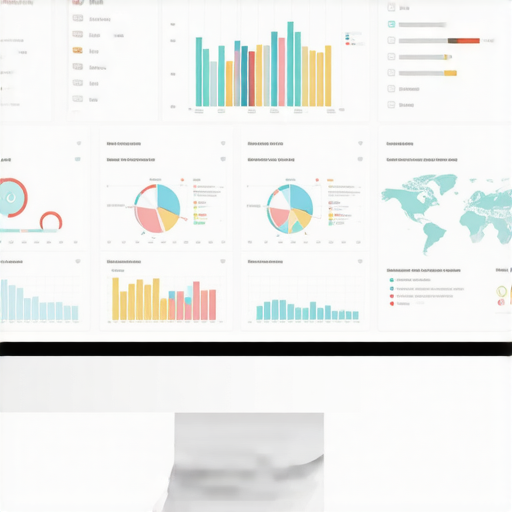
Translate raw data into clear visuals using KPI visualization strategies. Instead of confusing tables, use heatmaps, trend lines, and dashboards that spotlight critical performance signals. I once created a dashboard highlighting lead sources with color-coded KPIs, which instantly showed clients where to focus. The key: keep KPIs aligned with client goals and update their layout to emphasize the most impactful metrics. This instant clarity reduces client confusion and sets the stage for strategic discussions.
Integrate AI and Automation Smartly
In 2026, automation isn’t optional—it’s essential. Use AI-powered tools that generate real-time reports and identify anomalies. For instance, I automated weekly SEO insights for a local business that previously waited weeks for manual analysis. The results: quicker pivots, more confident decisions, and higher retention. Explore SEO automation hacks to streamline your workflow.
Interpret Data to Find Hidden Opportunities
Beyond just numbers, look for signals buried within SEO and map data. Use comparative analysis to spot rising keywords or local trends before your competitors do. For example, I noticed a sudden spike in a niche keyword through a custom dashboard, leading the client to optimize toward a high-converting audience. This proactive insight cemented our role as trusted advisors, not just report generators. Regularly question what anomalies or trends mean for local growth.
Refine Your Reports Continuously
Every campaign teaches something new. Keep reviewing your metrics, test different visualization layouts, and stay updated on AI search changes by consulting resources like SEO insights for 2025. Adapt your reporting process based on client feedback and emerging tools. I used feedback to trim unnecessary KPIs, focusing only on what mattered most, which improved client satisfaction and engagement.
Many SEO professionals assume their tools tell the full story, but in reality, there’s a nuanced landscape filled with misconceptions and hidden pitfalls. For example, a widespread myth is that ranking fluctuations always indicate algorithm changes, but often it’s data inaccuracies—like map ghosting or grid drift—that create false signals. Relying solely on surface-level insights without understanding the underlying data issues can lead to strategic missteps.
One critical nuance often overlooked is the assumption that all KPI visualizations are equally effective. In reality, many agencies fall into the trap of overloading dashboards with metrics, which dilutes clarity and hampers decision-making. Effective KPI visualization requires a strategic focus on the metrics that truly move the needle, a skill that separates good analysts from exceptional ones. Discover more about this at this resource.
Advance your understanding further by questioning how your local rank tracking handles map data anomalies. The intricacies of issues like map grid ghosting or proximity glitches can distort your rankings, leading to misguided optimizations. Tools like these fixes reveal that many practitioners overlook such data drift, which inflates or deflates rankings inaccurately.
Another common pitfall involves misinterpreting Google Business Analytics data. Many mistakenly believe that traffic spikes directly correlate with lead quality, but many times, bot traffic or internal clicks skew results. Filtering out these noise sources with refined segments, as discussed at these tactics, ensures you’re analyzing genuine user engagement.
Advanced practitioners also understand that SEO insights are most powerful when contextualized within broader market trends. For instance, a sudden rise in certain local keywords may seem insignificant until you realize they’re tied to emerging community events or shifting consumer behaviors. Regularly consulting expert-led analyses like these insights can reveal opportunities others miss.
It’s tempting to rely on popular SEO reporting software, but without understanding its constraints, you risk blind spots. Many tools struggle with multi-channel data integration or settings that mask underlying errors. Be vigilant; routinely verify your data sources and configurations, as highlighted in this guide.
Finally, do you ever question whether your reports truly reflect the client’s ROI? In my experience, the biggest mistake is focusing on vanity metrics rather than actionable insights that drive growth. Ensuring your reports communicate clear, strategic value is an advanced skill that can significantly improve client retention. Have you ever fallen into this trap? Let me know in the comments.Maintaining accurate and reliable data streams is vital for ongoing SEO success. I personally rely on a combination of advanced tools and meticulous methods to ensure my analytics stay precise over time. One such indispensable tool is Maps Rank Tracking. I use it daily to identify and correct data drift caused by map ghosting or proximity glitches, which are notorious in local SEO. Regularly updating my tracking parameters and cross-referencing with Google Business Analytics helps me validate lead sources and ensures that I’m not chasing phantom metrics. To streamline this process, I’ve automated weekly reports using SEO reporting software automations, which scan for anomalies and send alerts if data deviates beyond set thresholds. This proactive approach lets me spot potential issues before clients do, preserving trust and reducing churn. Predicting where local SEO is headed, I believe integration with AI-driven anomaly detection will become standard—software that not only reports data but also predicts discrepancies before they affect your reports. To keep your data trustworthy, I recommend implementing a layered verification process, combining manual checks with automated alerts. How do I maintain KPI visualization effectiveness over time? I focus on aligning visuals with strategic priorities—using heatmaps and trend lines to clarify performance and avoid cluttered dashboards. For an even deeper dive, check out these visualization strategies. My tip: try integrating real-time data feeds into your dashboards for instant insights. This way, you’re not just reacting to historical data but proactively managing your SEO health. Consistent review and refinement of your tools and methods are crucial—data management isn’t a set-and-forget process. For actionable advice on keeping your analytics trustworthy, explore the comprehensive SEO reporting software tips. To give this method a shot, automate your weekly anomaly checks and see how much more reliable your insights become. Want to take it even further? Regularly audit your tracking setup using specialized audits designed to unveil hidden inaccuracies and biases in your data streams. Don’t settle for uncertain data—embrace these advanced techniques today to solidify your SEO foundation for the future.
Lessons That Hit Home: Hidden Traps I Fell Into
One of the most valuable lessons I learned was the peril of assuming your tools are infallible. Early on, I ignored the importance of cross-verifying my map rank tracking data, leading to misinformed client strategies.
Another hard-earned insight was the necessity of customizing KPI visualizations. Using generic dashboards blinded me to what truly mattered, costing me trust and opportunities.
Finally, I realized that understanding the quirks of Google Business Analytics—like filtering out ghost traffic—can make or break the accuracy of local lead data, which directly impacts client satisfaction.
Your Essential Map to Success in Local SEO Data Management
Equip yourself with trusted tools like maps rank tracking secrets and Google Business Analytics best practices. These resources help ensure your data reflects reality, not just numbers on a screen.
Combine this with targeted SEO insights for proactive strategies and automation hacks, and you’ll transform your approach from reactive to predictive.
Ignite Your Journey Toward Data Confidence
Remember, trust in your data is the foundation of client retention. The journey to mastering local SEO analytics might be challenging, but with deliberate practice and the right tools, you can turn data skepticism into confidence. Your ability to interpret, visualize, and act on data will set you apart in 2026 and beyond. Are you ready to take the next step and elevate your local SEO game? Share your experiences or questions below—let’s grow together!