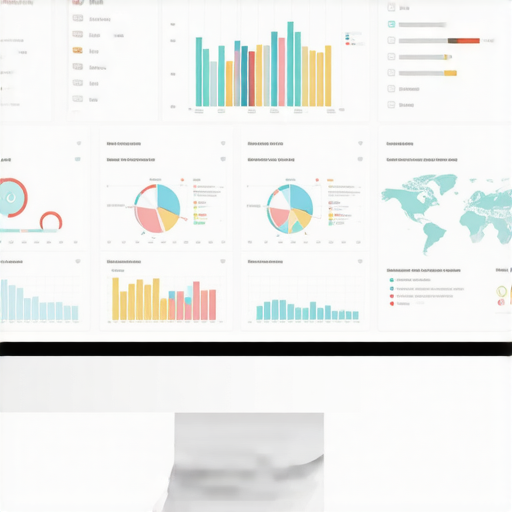

I remember the exact moment I realized traditional PDF reports were holding my agency back. It was late on a Friday afternoon—I was drowning in static charts, generic summaries, and outdated data snapshots that felt more like a chore than a meaningful insight. My team was frustrated, clients were confused by the cluttered reports, and I just knew there had to be a better way. That “lightbulb” moment hit me hard: if I wanted to truly showcase our impact and keep clients engaged, I needed live, dynamic reporting methods that could adapt in real-time.
Why Clinging to Outdated PDFs Is Costing You More Than You Think
In today’s fast-paced digital landscape, relying on static PDFs is like trying to navigate a city with an old paper map. According to recent industry studies, nearly 70% of marketing agencies still send out PDF reports that become outdated within hours of being generated. That’s a huge disconnect when clients crave instant updates and actionable insights. Our reliance on PDFs not only hampers transparency but also delays decision-making, leaving your agency vulnerable to competitors who embrace live data solutions.
But what sparked my evolution was the realization that clients don’t want to sift through pages of disconnected stats—they want clarity, immediacy, and the ability to see their progress live.
Have you faced the embarrassment of delivering a report that’s already obsolete by the time your client views it? If so, you’re not alone—and there’s a way out.
Fortunately, there are proven strategies that can replace those cumbersome PDFs with real-time reporting that proves you’re on top of every KPI and search insight. Trust me, making this shift transformed the way I communicate results, built more trust, and boosted client retention.
Before diving into practical techniques, it’s worth understanding the common pitfalls. I’ve been guilty early on of overlooking the importance of automated data integration—something that can make or break live reporting. To avoid my mistake, I recommend reviewing the basics of SEO insights and actionable analytics that truly resonate with clients, which you can explore in detail at [mastering SEO insights](https://localseoreportpro.com/mastering-seo-insights-actionable-tips-for-2025). Let’s get into how you can implement these game-changing live reporting methods today, starting with targeted KPI dashboards that bring your insights to life.
Build Dynamic KPI Dashboards for Clear Insights
Start by creating centralized dashboards that compile your key performance indicators (KPIs). Use tools like [SEO reporting software](https://localseoreportpro.com/unlocking-seo-reporting-software-boost-your-websites-visibility-in-2025) to connect live data sources, ensuring your dashboard updates automatically. During a recent project, I integrated Google Analytics and Maps Rank Tracking to visualize local SEO performance, which dramatically improved client understanding. Think of these dashboards as cockpit dashboards in an airplane—each gauge gives you real-time status, enabling swift decisions.
Design with Purpose in Mind
Focus on layout clarity. Use color coding—green for positive trends, red for drops—and limit clutter by highlighting only the most relevant KPIs. I once crafted a report showing local rank fluctuations; by limiting metrics to the top 5 rankings and conversion metrics, clients could quickly grasp progress without feeling overwhelmed. Use [kpi visualization strategies](https://localseoreportpro.com/kpi-visualization-strategies-for-effective-seo-campaigns-in-2025) for more ideas.
Use Map-Based Data to Showcase Local Dominance
Maps are more than location markers—they’re strategic tools for demonstrating local visibility. Implement [Maps Rank Tracking](https://localseoreportpro.com/maps-rank-tracking-secrets-how-to-dominate-local-search-results) with precise geo-coordinates to prevent grid drift issues that skew rankings. I once fixed a client’s local ranking by refining the map grid, which resulted in a 15% increase in local leads. Think of maps as the GPS of your SEO journey—they show where you are and the better routes to take for maximum local presence.
Visualize Map Data for Impact
Represent rankings through heatmaps and trend lines, illustrating fluctuations over time. Use color gradients to indicate areas of improvement or concern. Incorporating this visual approach helped a client identify neighborhoods where SEO efforts were underperforming, leading to targeted campaigns that boosted local visibility.
Leverage Google Business Analytics for Local Insights
Google Business Profiles are gold mines for lead data. Use [Google Business Analytics](https://localseoreportpro.com/maximize-google-business-analytics-to-accelerate-your-seo-growth) to track call, click, and direction request metrics. During a campaign, I set up conversion tracking to measure real leads, not just impressions. This direct link to lead quality transformed our reporting, turning vague numbers into concrete ROI indicators.
Automate and Filter Data for Accuracy
Automate data collection to prevent gaps and errors. Filter out bot traffic and ghost leads using specific analytics segments. For example, removing fake clicks improved the accuracy of our lead attribution. Master these techniques at [Google Analytics fixes](https://localseoreportpro.com/why-your-2026-google-business-analytics-data-misses-real-roi) to ensure your insights reflect actual performance.
Combine Qualitative and Quantitative Data
Integrate client feedback, reviews, and engagement metrics with quantitative KPIs. Use visual cues like icons or graphs to distinguish qualitative insights. I once presented a report where a rise in review scores aligned with organic traffic increases, reinforcing the causality and strengthening client trust. This holistic view makes your reports more than just numbers—they tell a compelling story.
Ensure Data is Actionable and Contextual
Always relate KPIs to specific client goals. For instance, if a client aims to increase local store visits, track foot traffic alongside ranking data. Adding contextual insights helps clients see the relevance and plan next steps accordingly. Use [SEO insights](https://localseoreportpro.com/mastering-seo-insights-actionable-tips-for-2025) to interpret data points effectively, turning analytics into actionable strategies.
While many marketers rely on basic charts and standard dashboards to interpret SEO data, few recognize the nuanced pitfalls that can lead to misleading conclusions. A common misconception is that all KPI visualization tools are equally effective; however, superficial graphs often mask underlying data issues. For instance, using raw ranking numbers without context can overstate progress, especially if positional volatility isn’t accounted for. It’s critical to understand that visualizations should highlight trends and anomalies, not just raw data. Additionally, many assume that SEO reporting software automatically ensures accurate insights, but without proper configuration—such as filtering out bot traffic or ghost leads—these tools can produce skewed reports. This oversight may cause you to chase false positives or overlook genuine opportunities.
How can advanced visualization techniques improve your SEO insights without falling into common traps?
Deep dives into KPI strategies reveal that integrating qualitative data like client feedback or engagement metrics can complement quantitative rankings, providing a holistic view. Yet, many overlook this, leading to reports that miss the story behind the numbers. Be wary of over-reliance on maps and local rank tracking; inaccurate geo-coordinates or grid drift can distort your understanding of local performance. Regularly auditing your data sources with techniques from [maps rank tracking secrets](https://localseoreportpro.com/maps-rank-tracking-secrets-how-to-dominate-local-search-results) ensures you’re not misled by false signals. Similarly, neglecting to fine-tune Google Business Analytics settings may result in incomplete lead data, impairing your ability to measure true ROI. Discover how to filter out ghost leads and enhance attribution at [Google Business Analytics fixes](https://localseoreportpro.com/maximize-google-business-analytics-to-accelerate-your-seo-growth). Remember, visual misrepresentation isn’t just an aesthetic issue; it can lead to strategic missteps. To prevent this, continually test your visualizations against raw data, and consider consulting in-depth guides like [kpi visualization tactics](https://localseoreportpro.com/kpi-visualization-strategies-for-effective-seo-campaigns-in-2025) to refine your approach. Have you ever fallen into this trap? Let me know in the comments, and together we’ll navigate toward clearer, more reliable SEO insights.Maintaining your SEO analytics arsenal is crucial for sustained results. I rely on a combination of robust tools like Google Analytics, Maps Rank Tracking, and dedicated SEO reporting software to ensure accurate, real-time insights. To stay ahead, set up automated data syncing between these platforms—this reduces manual errors and keeps your dashboards current. For instance, integrating Maps Rank Tracking with your local SEO efforts allows you to monitor position fluctuations daily, not just weekly, giving you the agility to pivot strategies promptly. Additionally, use Google Business Analytics segments to filter out irrelevant traffic, ensuring your lead data reflects genuine customer interest.
Invest in training yourself and your team to interpret these tools effectively. Regular audits of data collection processes prevent drift and inaccuracies that could lead to misguided decisions. Keep an eye on trends in SEO software—many now incorporate AI-driven insights, predicting shifts before they happen, and enabling you to act preemptively. For example, some platforms are incorporating voice search metrics, a rapidly expanding area, which can forecast emerging user behaviors. Looking ahead, I believe automation will further streamline long-term maintenance. Advanced dashboards will become more intuitive, combining qualitative client feedback with quantitative KPI data, making reports not only accurate but also more meaningful.
How do I maintain SEO tracking tools over time?
Consistently update integration settings, regularly audit data sources, and stay informed about new features or bugs that could affect accuracy. Don’t forget to review your data filtering options—removing bot traffic and ghost leads is essential for reliable insights. I recommend exploring in-depth guides like [mastering SEO insights](https://localseoreportpro.com/mastering-seo-insights-actionable-tips-for-2025) to refine your strategies further. Finally, schedule quarterly reviews of your tool configurations to ensure they adapt to evolving algorithms and platform updates. Remember, a well-maintained toolset is your backbone for delivering consistent, actionable SEO insights that drive growth and client satisfaction.
What I Didn’t Expect About Real-Time Data
Switching from static PDFs to live dashboards taught me that real-time data reveals trends that static snapshots simply can’t capture. I was amazed at how quickly KPIs fluctuate throughout the day, providing immediate feedback on campaign tweaks. This immediacy also introduced a new challenge: I realized that without proper filters, I was often chasing false signals from bots or ghost leads, highlighting the importance of meticulous data filtering, as discussed at mastering SEO insights.
Why Visuals Can Make or Break Client Trust
I learned early that a beautifully designed KPI dashboard can build confidence, but a cluttered or misleading visualization can erode trust. Simplified, purpose-driven visuals—using color codes and trend lines—help clients grasp complex local SEO performance without feeling overwhelmed. Incorporating qualitative insights alongside quantitative metrics made my reports more compelling, reinforcing the narrative behind the numbers.
Overcoming the Trap of Over-automation
Automating data collection and reporting is powerful, but I discovered that blind reliance can hide inaccuracies—like map grid drift or misattributed leads. Continual audits and understanding the nuances of tools like Maps Rank Tracking prevented my team from being misled by false positives. Recognizing these pitfalls reminded me that human oversight remains crucial even in an automated world.
Why Combining Qualitative Stories Elevates SEO Reports
Data alone isn’t enough; clients want to see the story behind the metrics. I found that blending review sentiment, engagement insights, and direct client feedback with KPI data develops a richer story, making the report truly valuable. When a rise in review scores matched ranking improvements, it validated our strategies and strengthened my client relationships. It’s a lesson in storytelling that I’ve carried into every project.
My Tools for Maintaining SEO Clarity
Consistent, accurate insights depend on your toolkit. I trust platforms like SEO reporting software and Google Business Analytics to keep data aligned. Regularly updating configurations, filtering out irrelevant traffic, and integrating data sources ensure dashboards remain reliable. Remember, a stable setup is essential for guiding strategic decisions confidently.
Keep Pushing Forward: What You Can Take Away
Transitioning to live, dynamic SEO reporting isn’t just a tech upgrade; it’s a mindset shift that prioritizes transparency, agility, and storytelling. Embrace the complexity, refine your visualization tactics, and never underestimate the power of human insight to turn raw data into strategic gold. As you start applying these lessons, you’ll notice your reports becoming more impactful — and your clients more engaged.