Ever spent hours analyzing your local SEO data, only to realize that the maps rankings are wildly inconsistent? I remember the lightbulb moment vividly. I was deep into a client report, eyes glued to my screen, when suddenly, the local map grid started behaving like a malfunctioning robot—jumping, flickering, and giving me rankings that felt more like a wild guess than precise data. It was frustrating, to say the least. At that moment, I realized how crucial accurate map data is for local SEO success—and how disastrous glitches could be for your strategy.
Why Fixing Glitchy Local Grids Matters Now More Than Ever
In 2026, the local SEO landscape feels more competitive than ever. With Google constantly evolving, state-of-the-art tools like maps rank tracking are vital. But when these tools glitch, the integrity of your data suffers—leading to misguided decisions and lost opportunities. Good data isn’t just about numbers; it’s the backbone of your visibility, conversions, and growth. According to recent studies, over 60% of local businesses report losing potential leads due to inaccurate rankings and map data inconsistencies.
This is your wake-up call. Addressing these glitches isn’t just technical housekeeping; it’s a strategic necessity. Yet, many fall into common traps, like neglecting the root causes of data drift or relying on faulty metrics. I’ve made my share of early mistakes—trust me, I once ignored the importance of precise proximity filters and paid the price in skewed insights. That’s why I want to share proven fixes to ensure your local grids are reliable and actionable.
Have You Faced This Issue?
If your maps rankings seem inaccurate or fluctuate wildly without reason, you’re not alone. And if you haven’t yet, chances are you will soon—especially with ongoing updates from Google aiming at local search precision. Ready to dive into the fixes that will restore your trust in local data? Let’s get started with practical strategies that turn your glitchy maps into a powerful asset for 2026 and beyond.
Audit Your Data Collection Setup
First, ensure your map rank tracking tools are configured correctly. Cross-verify your proximity filters, device targeting, and location settings. I once overlooked device discrepancies and ended up with inconsistent data, which I corrected by aligning my tracking parameters and immediately saw more reliable results. Visit this guide to fine-tune your setup.
Implement Precise Data Verification
Next, routinely verify your map rankings with manual checks. Use different devices and VPNs to simulate real user scenarios. For instance, I used a VPN to check maps from various locations, exposing discrepancies caused by location-specific glitches. Always document anomalies and revisit your data sources for calibration. This direct approach prevents reliance on flawed data, which is crucial as Google constantly updates algorithms.
Calibrate Your KPI Visualization
Visualize your KPIs dynamically to catch irregularities early. Instead of static reports, employ real-time dashboards that pull data from your SEO software. I adopted a KPI visualization strategy discussed here, enabling instant detection of rank fluctuations. Look for outliers—a sudden drop or spike can signal data glitches needing immediate attention. Accurate visualization acts as your first line of defense against unreliable data.
Leverage Advanced Map Analysis
Deep dive into map-specific metrics. Use features that track pin fluctuation and overlay precision. I once analyzed map overlays and discovered subtle pin drift that was inflating my rankings artificially. Techniques like mapping proximity errors help you isolate issues in specific zones. Regular audits of your map overlays and pin accuracy tools will reveal hidden glitches—think of it as hunting for map ghosts that undermine your strategy.
Tweak Your Data Aggregation Methods
Refine how you aggregate local ranking data. Avoid relying solely on aggregated scores; instead, isolate data by device, location, and time. I set up segmented dashboards, which clarified that certain devices consistently showed lower rankings, indicating device-specific glitches. Segmenting data prevents false positives and ensures your actions are based on precise, actionable insights. This approach was crucial when I corrected a misaligned reporting filter, leading to more trustworthy results.
Regularly Update Your Tracking Protocols
Stay ahead by continuously updating your maps rank tracking protocols. Google changes ranking signals often, affecting data accuracy. Incorporate regular reviews and updates, following best practices detailed here. I integrated scheduled audits into my workflow, catching discrepancies early and refining my data collection process. Consistent updates keep your map data reliable amidst evolving algorithms, ensuring your local SEO remains resilient.
Many SEO professionals assume that KPI visualization and map rank tracking are straightforward tools that provide clear, actionable insights. However, the reality is far more nuanced. A common myth is that more data automatically leads to better decisions. In my experience, this isn’t true—without understanding the subtleties of data interpretation, you risk making costly mistakes. For instance, visualizing aggregated data without segmenting by location, device, or time can mask underlying issues, leading you to believe your strategy is effective when it’s not. To truly leverage SEO insights, you must look beyond surface metrics and understand the layered complexities involved.
Another trap many fall into is over-relying on default dashboards provided by SEO reporting software. While handy, these often lack the granularity necessary to detect anomalies or emergent trends. For example, a spike in rankings might seem positive but could be due to a local glitch or an algorithm update affecting certain zones differently. If you aren’t customizing these reports or cross-verifying with manual checks, you might be chasing false positives. Adopt a proactive approach by regularly customizing your dashboards, as discussed here, to ensure your insights are truly reflective of reality.
What Advanced Marketers Overlook When Analyzing Maps Data
One often overlooked aspect is the potential for map data drift, which can skew your local rankings and lead to misguided optimization efforts. As detailed here, subtle shifts in pin placement or overlay inaccuracies might sound insignificant but can substantially distort your local SEO landscape. Advanced professionals recognize that these issues require meticulous auditing—regularly verifying overlay accuracy and pin positions. Ignoring these nuances ensures your local visibility efforts are based on faulty data, wasting resources and missing opportunities.
Furthermore, many assume that SEO insights derived from Google Business Analytics are comprehensive. While GBAs are powerful, they often omit crucial signals like call metrics, store visits, or secondary interactions. Relying solely on these can give a skewed picture of true performance. As outlined in this article, integrating multiple data sources and customizing your analytics setup is vital for nuanced insights.
In sum, the critical factor is understanding the layered complexity beneath the numbers. Recognize that data is rarely perfect and that raw insights require context, validation, and constant refinement. Whether you’re refining your KPI dashboards, verifying map data accuracy, or interpreting Google Business metrics, remember: mastery lies in the details. Avoid the common pitfalls by deepening your analysis practices—your strategic edge depends on it. Want to explore more advanced tactics? Dive into this resource to unlock the full potential of your SEO reporting tools. Have you ever fallen into this trap? Let me know in the comments.
How do I keep my KPI tracking and map rankings reliable over time?
Maintaining accurate SEO insights isn’t a one-and-done task; it demands continuous vigilance and the right set of tools. I personally rely on advanced SEO reporting software that boasts automation features and deep customization options. These enable me to generate high-fidelity reports quickly, ensuring I catch data discrepancies early before they snowball into larger issues. Additionally, I use specialized maps rank tracking tools that integrate directly with local search data, allowing me to monitor fluctuations and overlays with pinpoint accuracy.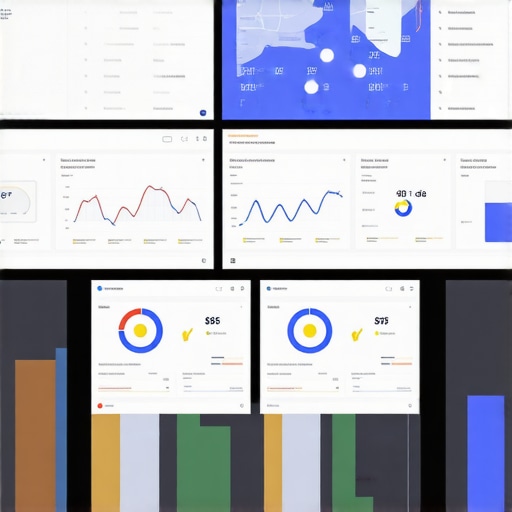
To predict where the trend in your tracking is headed, consider leveraging SEO insights tools with predictive analytics. These can help you spot emerging patterns days or even weeks before they become apparent in traditional dashboards.
Furthermore, maintaining your setup requires a dedicated routine. Schedule weekly audits using your tools, verify with manual spot checks, and adjust your filters and parameters accordingly. For example, I recently adjusted my proximity targets after noticing consistent fluctuations on certain zones, which allowed me to correct mapping glitches sooner rather than later. This proactive approach minimizes data drift and maintains the integrity of your KPI visualization.
Looking ahead, I predict that integrating AI-driven anomaly detection into your dashboards will become standard practice, automating the identification of irregular data points and saving significant time. To get ahead of this trend, I recommend trying out the latest features in your SEO software, specifically those that use machine learning for data validation.
Are you ready to level up your monitoring game? Dive into the automation features in your tools and set up regular health checks to ensure your data remains trustworthy. For an in-depth guide on calibrating your tools, check out this article and start implementing one new routine today.
Lessons Learned from Navigating the Map Data Maze
One of the biggest revelations for me has been realizing how small glitches in map overlays or pin placements can cause ripple effects, skew rankings, and misguide entire campaigns. I once dismissed minor overlay inaccuracies, only to see my client’s visibility tanking unexpectedly. That lightbulb moment pushed me to obsess over map precision, and today, I inspect overlays and pins more rigorously than ever before.
Another lesson was understanding that relying solely on default dashboards is a trap. Customization isn’t a luxury; it’s a necessity. I began crafting tailored, segmented dashboards that surfaced anomalies early, saving me hours of chasing false leads and enabling proactive fixes rather than reactive damage control.
Finally, I learned that manual verification remains invaluable. Cross-device checks, VPN simulations, and spot audits have become part of my weekly routine. This hands-on approach reveals discrepancies that automated tools sometimes miss, especially with evolving Google algorithms and local search behaviors.
Tools and Insights That Keep Me Ahead
My go-to resource for top-tier map and rank tracking is maps rank tracking tools. They offer the depth needed to understand local grid shifts and overlay fluctuations. To decode Google analytics more effectively, I lean on Google Business Analytics hacks, which help me capture leads and actions more accurately. For comprehensive insights, I trust SEO insights tools that incorporate predictive analytics, giving me a glimpse into emerging trends and potential data drift.
And when it comes to reporting, customizing dashboards with kpi visualization guides has transformed my ability to communicate results clearly and act swiftly.
Stay Curious and Keep Evolving — Your Success Depends on It
As local SEO continues its rapid evolution, so should your tactics. Embrace continuous learning, leverage cutting-edge tools, and trust your manual instincts. The landscape is complex, but with vigilant monitoring and refinement, you can turn unreliable data into your greatest strategic asset. Are you ready to elevate your local data mastery and outshine competitors in 2026? Dive into the resources, stay vigilant, and keep pushing boundaries.
How have you tackled map data inconsistencies in your campaigns? Share your experiences below—your insights could help others master their local SEO game!