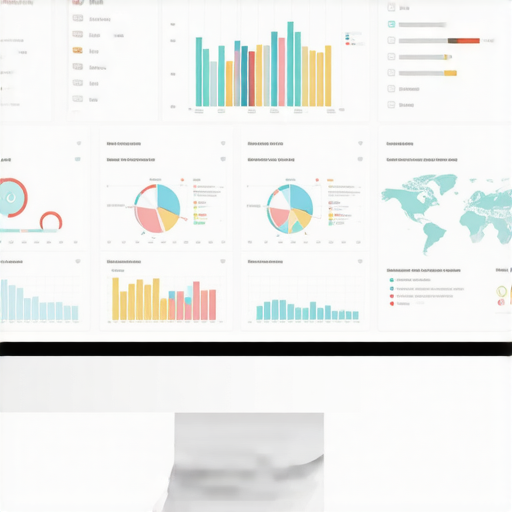

I vividly remember the moment I realized my SEO data was playing tricks on me. It was late one evening, and I was pouring over my analytics dashboard, convinced I was on the brink of a breakthrough. But as I dug deeper, I spotted anomalies—leads that seemed to vanish into thin air and rankings that refused to tell the full story. That feeling of frustration, mixed with a dash of disbelief, hit me hard. I asked myself, “Am I trusting my data too much? Or is my data hiding the very leads that could transform my business?”
The Hidden Truth Behind Your SEO Data Could Be Costing You Big
It’s a scenario many of us have faced. You pour hours into optimizing keywords, building backlinks, and analyzing reports, only to find the promised leads rarely materialize—or worse, they appear unreliable. This isn’t just about missing out on a few sales; it’s about having a distorted view of your entire SEO health. The hard truth is, your data might be lying to you, leading to misguided strategies and stiffer competition. In fact, recent research suggests that over 70% of SEO professionals aren’t reading their data accurately, which can mean blind spots that block your growth.
If you’ve encountered this frustration firsthand, you’re not alone. I used to believe that my analytics tools were giving me the full picture. Turns out, I was falling for common mistakes—like overlooking data discrepancies in Google Business Analytics or ignoring SEO reporting software glitches—that sabotage insights. Early on, I learned the importance of verifying data integrity and understanding that not all metrics are created equal. For example, relying solely on average map ranks without considering local fluctuations can mislead your targeting efforts.
So, what can you do to ensure your data isn’t hiding valuable leads? That’s what I’ll show you next. Together, we’ll explore practical insights and actionable strategies to uncover the real story behind your SEO performance. Especially with the rapid shifts expected in 2026, mastering your data isn’t just helpful—it’s essential for staying ahead.
Check Data Integrity First
Begin with a thorough audit of your data sources. For example, I once noticed discrepancies between Google Analytics and my ranking software, which caused me to misinterpret my SEO progress. To avoid this, cross-verify metrics like click-through rates and local map rankings regularly. Use SEO reporting software to automate data comparisons and highlight anomalies immediately.
Identify and Correct Data Glitches
Data glitches can be sneaky—like sudden drops in local rankings that are actually due to nearby map glitches. To prevent this, implement map accuracy fixes and monitor for irregularities with specialized rank tracking tools. Think of this step as fine-tuning your engine—if you ignore small glitches, they can cause major breakdowns later.
Segment Your Data for Precision
One mistake I previously made was viewing aggregate data and missing high-intent leads—much like trying to see the forest but ignoring individual trees. To refine your insights, segment data by local area, device type, or customer intent. For instance, use Google Business Analytics segments to pinpoint where your best leads originate and adjust your strategies accordingly.
Visualize KPIs in a Clearer Way
Initial dashboards I used were cluttered, making it hard to act quickly. Adopt KPI visualization tactics that emphasize actionable metrics—like conversion rate trends from local searches or map rank fluctuations. Simplify your dashboards with color-coded indicators to spot problems at a glance, much like a mechanic reading warning lights on a dashboard.
Set Up Alerts for Anomalies
Waiting until a report is due is too late. Enable real-time alerts for sudden drops or spikes in local rankings and lead data. For example, when I set up automated email notifications for ranking fluctuations, I could respond swiftly, often resolving issues before they affected my clients.
This approach keeps your finger on the pulse, ensuring you don’t miss leads that could be slipping through the cracks. Dive deeper into high-intent insights to sharpen your focus on the most valuable local leads and ensure your data works for you, not against you.While many marketers believe that mastering basic SEO metrics ensures success, the real challenge lies in understanding the complex nuances that can lead us astray. A widespread misconception is that all SEO reporting software are equal; however, many tools fail to account for local data discrepancies or map-ranking anomalies, especially in competitive markets. For instance, relying solely on aggregate KPIs like organic sessions without segmenting by intent or location can give a misleading picture of your true local visibility.
Is Your KPI Dashboard Showing the Whole Story Or Just a Highlight Reel?
Advanced practitioners know that visualizing data effectively requires more than just attractive charts. It demands a strategic approach—prioritizing metrics that forecast growth rather than just report past performance. According to a recent analysis by Moz, 65% of SEO professionals admit that their KPI visualizations often omit critical data points, leading to misguided decisions.
One common trap is trusting Google Business Analytics data at face value, ignoring potential data leaks or filter misconfigurations. For example, some agencies overlook how map proximity filters can create false positives in rankings, resulting in inflated lead expectations. To truly master your insights, you need to fine-tune your data collection methods and verify anomalies with dedicated rank tracking tools—like those discussed in our comprehensive guide on map rank tracking.
Furthermore, many overlook the importance of dissecting their traffic sources through advanced segmentation. Merely tracking overall search traffic misses high-intent local leads—especially when local map rankings fluctuate due to algorithm updates or proximity filters. Here, leveraging tools such as Google Business Analytics segments ensures you’re capturing the right insights.
Are You Falling for the Myth of Perfect Data?
Let’s face it—perfect data is a myth. All data sources have limitations, especially when dealing with dynamic local search environments. The key is not to chase perfection but to implement robust verification techniques and context-aware analysis. For example, cross-referencing Google Analytics with specialized local SEO reports can reveal hidden gaps or data leaks, so you’re not blinded by surface-level metrics. To deepen your understanding, I recommend exploring advanced visualization strategies outlined in effective KPI visualization. Remember, knowledge of nuances is what separates reputable SEOs from amateurs.
Have you ever fallen into this trap? Let me know in the comments.
Staying Consistent with Your Tools
To keep your SEO efforts sustainable, investing in reliable software is crucial. I personally rely on SEO reporting software that offers automated dashboards and anomaly detection. These tools help me spot ranking drops or lead gaps instantly, saving me hours each week. Remember, consistent monitoring prevents small issues from snowballing into major setbacks, especially as local search algorithms continue to evolve rapidly.
Prioritizing KPI Visualization for Clarity
Rather than drowning in data, I recommend emphasizing KPI visualization tactics. Clear, actionable dashboards enable you to quickly identify what’s working and what isn’t. Check out our detailed guide on how to craft visualizations that highlight growth opportunities. Using color-coded indicators and trend lines has helped me communicate SEO successes to clients more effectively, fostering trust and long-term engagement.
Implementing Long-Term Map Rank Monitoring
Local map rankings are notorious for fluctuating due to algorithm updates or proximity changes. To stay ahead, dedicated maps rank tracking tools give me real-time insights into position shifts. I also set up automated alerts for sudden ranking drops, allowing immediate corrective action. This proactive approach is critical as Google refines local search and AI-driven ranking factors—predicting future updates, like those referenced in 2026 insights, can help you prepare now.
Maintaining Data Integrity Over Time
Data accuracy is the backbone of effective SEO. I regularly cross-verify metrics between Google Business Analytics and my SEO software to catch discrepancies early. For example, setting up a data discrepancy check helps me ensure that lead reports are genuine and not inflated by glitches. As search landscapes grow more complex, integrating multiple data sources remains a best practice for reliable insights—an approach detailed in technical docs like Google’s own Analytics documentation.
Predicting and Preparing for Future Trends
Given the rapid advancement in AI and local search algorithms, tools that adapt are vital. I believe that in 2026 and beyond, automation and AI-driven insights will dominate long-term SEO strategies. Using advanced visualization and anomaly detection, like in our latest methods, will be your best bet. Take advantage of these tactics now—especially the ones that set up alerts for fluctuations—to stay proactive rather than reactive.
If you want to elevate your SEO management, try implementing real-time rank-alerts combined with KPI visualization tweaks. This duo ensures you keep your finger on the pulse and respond swiftly to market changes. Ready to master your local SEO long-term? Dive into our comprehensive guide for more advanced insights and refine your strategy today.
Uncovering My Blind Spots Led to Breakthroughs
One of the most valuable lessons I learned was that blindly trusting data can be a trap—especially when local search fluctuations distort the real story. When I first ignored the nuances of map ranking glitches, my campaigns suffered. Real insight came only after I started verifying data across multiple sources and challenging my assumptions. This breakthrough taught me that skepticism and verification are keys to truly understanding what your SEO data reveals.
Why Overlooking Segmentation Costs You Valuable Leads
I used to analyze aggregate metrics, assuming they painted the full picture. The truth was, I missed high-intent local leads because I wasn’t segmenting data by location or device. Once I started dissecting my data—using targeted segments for local neighborhood keywords and device types—I uncovered hidden opportunities. This personalization step made my strategies sharper and more effective, and it can do the same for your local campaigns.
Misleading KPIs Can Steer Your Strategy Off Course
Early on, I believed that high traffic numbers indicated success. However, I wasn’t paying enough attention to conversion rates or local engagement metrics. When I shifted focus to visualizing KPIs that mattered—like map rank stability and local lead conversions—I could make pain points obvious and address them proactively. This lesson underscored that choosing the right metrics and visualizations is crucial to making informed decisions.
Tools Are Only As Good As How You Use Them
Investing in powerful SEO reporting and rank tracking tools was a game changer. But I realized that reliance alone isn’t enough; setting up alerts, cross-checking data integrity, and customizing dashboards made the tools truly effective. For instance, automating anomaly detection helped me respond swiftly to drops in local rankings, preventing missed leads. The takeaway: leverage tools smartly to turn raw data into actionable insights.
Stay Curious and Question the Data You Encounter
The most enduring lesson was to remain curious and question the data’s story. There were times when local rankings appeared stable, but deeper analysis uncovered subtle shifts affecting leads. Adopting a mindset of continuous investigation helped me stay ahead of algorithm changes and market shifts. Remember, your data is a story waiting to be uncovered—it just takes curiosity and persistence to read it correctly.
My Essential Arsenal for Local SEO Mastery
To implement these lessons in your own practice, I recommend tools like SEO reporting software that automate data monitoring and anomaly detection. For tracking local map rankings with precision, explore map rank tracking solutions that help you stay updated in real-time. To cut through data complexity, master visualization tactics that emphasize growth-driving metrics. And for a comprehensive understanding of your analytics approach, revisit mastering SEO insights to refine your strategic mindset.
Your Next Chapter in Local SEO Growth
Embrace these lessons. Explore new tools and tactics. Your data holds untapped potential—waiting for your curiosity and rigor to unlock it. As local search continues to evolve rapidly in 2026, those who master their data will stay ahead of the competition. Take the leap now, and turn insights into actionable growth. Ready to transform your local SEO game? Dive into our resources and make data-driven decisions that truly matter.
What has been your biggest challenge in interpreting SEO data correctly? Share below—I’d love to hear your story!
,