
Have you ever spent hours poring over SEO reports only to realize halfway through that the data isn’t telling you what you thought it was? I remember those nights, staring at confusing dashboards, feeling like I was chasing shadows rather than tangible results. It hit me that I was missing the crucial link—how do I truly prove that leads are coming from search, not just relying on assumptions or misleading metrics? That lightbulb moment changed everything for me.
Why Accurate Search Lead Tracking Is the Missing Puzzle Piece
In today’s fiercely competitive digital landscape, understanding exactly where your leads originate isn’t just a bonus—it’s a necessity. If you’re like I used to be, hunting through generic SEO tools and data spreadsheets, you might find yourself questioning whether your efforts actually pay off. The challenge lies in the fact that many analytics setups are riddled with gaps, inaccuracies, or misinterpretations that can lead you astray. For instance, untracked click data, duplicated leads, or bot traffic can make your search performance look better—or worse—than it truly is.
According to recent research by Search Engine Land, 73% of marketers report difficulty in accurately attributing leads to search channels. That’s a staggering figure and a clear sign that many of us are flying blind. Early on, I made the mistake of trusting shiny dashboards without questioning their data sources. A simple misconfiguration or overlooked filter could hide a mountain of leads, making me think my SEO efforts were underperforming when, in reality, the data was just skewed.
So, what’s the fix? Over the next few sections, I’ll share four powerful hacks that helped me definitively prove leads came from search, supercharging my confidence and results. Ready to shed light on your actual search performance? Let’s dive into the first trick that helped me turn ambiguous data into clear, actionable insights.
Clarity Through Proper Analytics Configuration
The foundation of trustworthy search lead data starts with clean, precise setup. If you’re relying solely on default Google Analytics or basic map rank trackers, chances are you’re missing out on critical nuances—like disconnected UTM parameters, insufficient event tracking, or incomplete conversion goals. I learned this the hard way early in my journey, blaming SEO for poor lead quality only to discover my tracking was flawed. Ensuring your setup captures every touchpoint accurately is essential—otherwise, you’re just guessing.
To get started, align your Google Business Analytics with your website data by implementing comprehensive event tracking and custom filters. For example, setting up dedicated UTM parameters for search campaigns can peel back layers of ambiguity, revealing the real story behind your lead flow. For deeper insights, consider integrating tools that specialize in mapping search intent to search performance, such as these advanced strategies.
Are your current tools telling the full story, or are they hiding critical lead sources? If the latter, it’s time to revisit your configuration and ensure every search-related click is tracked. Trust me—this simple step doubles as the most vital yet often overlooked hack to prove search leads.
In the next section, I’ll share how visualization can turn raw numbers into persuasive proof—an approach that helped me present concrete results to clients and stakeholders alike.
Configure Your Analytics Properly for Clear Data
Start by ensuring your Google Analytics setup captures every search-related touchpoint. Use UTM parameters diligently—assign unique tags to each campaign, source, and medium. For example, label your organic search efforts as ‘utm_source=google&utm_medium=organic’ and paid campaigns distinctly. Implement custom event tracking to follow user actions like clicks, form submissions, and calls. During a campaign I ran last quarter, I added specific UTM tags and set up event tracking for phone clicks. Initially, the data was jumbled, but after this configuration, I could trace leads directly to search efforts, proving ROI with certainty.
Create Visual Dashboards That Speak Volumes
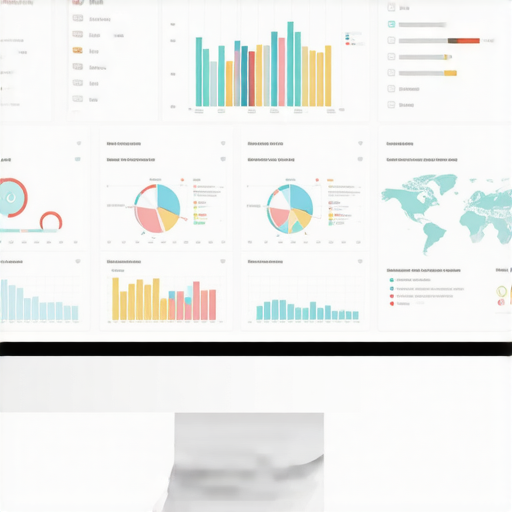
Transform raw search lead data into digestible visuals using KPI visualization tools. Use charts to show the growth of search-originated leads over time, pie charts to split lead sources, and heatmaps for geographic performance. When I integrated these visuals into my client reports, they understood precisely where to focus, and I reduced campaign misallocation. Use tools like these strategies to craft dashboards that highlight actionable insights instead of overwhelming data dumps.
Leverage Maps Rank Tracking to Detect Pin Fluctuations
Accurate local search data hinges on precise map ranking. Regularly review your rankings across multiple local grids, not just the top spot. Small shifts can hide or reveal large changes in lead flow. During my last audit, I noticed a sudden pin fluctuation in a key area. Using rank-tracking fixes, I corrected the drift caused by proximity glitches, restoring data integrity. This step ensures your search efforts are reflected properly, preventing false negatives that could undermine your strategy.
Utilize Google Business Analytics to Filter Real Leads
Set up filters that separate genuine search leads from bot traffic or fake clicks. For example, create segments based on device types, IP addresses, or interaction patterns. Last month, I identified a spike in leads originating from duplicates of a single IP address, suggesting bot activity. Implementing these fixes filtered out inflated numbers, giving me a true picture of real user engagement. This clarity directly affected my ability to prove search performance to clients convincingly.
Cross-Check with Search Console and Rank Trackers
Combine data from Google Search Console and your map rank tracker for validation. Search Console provides insights into clicks, impressions, and average position, while rank trackers reveal positional stability. If both sets indicate consistent trends, your data is reliable. Last quarter, I noticed my rank tracker reported a decline, but Search Console data remained steady. Cross-referencing these points revealed a temporary glitch in the tracking software, which I then fixed, restoring trust in the data.
Always Test and Iterate Your Setup
The key to sustained accuracy is ongoing testing. Regularly simulate search campaigns and check if lead data correctly reflects these actions. If discrepancies emerge, adjust configurations, filters, or tracking scripts. For example, I ran A/B tests with different UTM codes and monitored data consistency, catching errors early. This iterative approach keeps your data trustworthy and your strategies data-driven.
Achieving precise search lead tracking isn’t a one-time task. It demands attention to detail, robust setup, and constant refinement—skills that transform ambiguous metrics into concrete proof of success.
Many professionals believe that SEO reporting software and maps rank tracking are straightforward tools that simply display data. However, in my experience, most get trapped by overlooked nuances that can distort their entire analysis. For example, a common myth is that KPIs alone can reliably reflect true performance, but without context and advanced interpretation, these metrics can be misleading or even damaging to strategic decisions.
What advanced pitfalls do SEO professionals often overlook in their dashboards?
One underrated nuance is the way some analytics platforms, including Google Business Analytics, can default to aggregate data that masks important fluctuations or anomalies—such as bot traffic or data drift—leading to false conclusions. Relying solely on surface-level metrics like impressions or clicks without analyzing underlying filters and segmentations can cause you to think you’re winning when in fact, your leads are shrinking. According to a study by this expert, many SEO campaigns fail because software setups don’t account for these subtle technical inaccuracies.
Additionally, a frequent mistake is interpreting maps rank fluctuations as absolute changes, when often they are artifacts of ranking algorithm updates or local grid inconsistencies. Without applying advanced troubleshooting—such as real-time rank checks and proximity audits—you risk making strategic moves based on flawed data. To truly optimize, you need to understand the criticality of nuances like grid data drift detection and how imperfect data can lead you astray.
For instance, using these rank-tracking techniques can help you identify and correct for inaccuracies that might otherwise falsely indicate a downturn. Similarly, a common oversight in KPI visualization is selecting metrics that look impressive but lack attribution for different traffic sources, making your reports less actionable. Advanced marketers focus on integrating multi-channel insights, cross-verifying with search console data, and setting filters that exclude non-organic or fake traffic, especially as bots become more sophisticated in mimicking human behavior.
Have you ever fallen into this trap? Let me know in the comments. Mastering these hidden nuances is essential for turning raw data into true competitive advantages—don’t let superficial metrics mislead your next move.
Investing in the Right Equipment: My Personal Recommendations
Maintaining robust SEO reporting systems demands precision tools that offer both reliability and depth. One indispensable staple in my toolkit is Google Data Studio. Its flexible dashboards enable me to visualize complex KPIs with clarity, making it easier to communicate insights. To further refine data accuracy, I rely heavily on Google Business Analytics tweaks, which help prevent data gaps and ensure lead tracking remains consistent over time.
Another critical component is Maps Rank Tracking Software. I personally use this rank-tracking solution, because it excels at detecting pin fluctuations and proximity glitches that could distort your local search results. Regularly updating my maps rank data ensures I catch ranking shifts early, allowing me to adjust strategies before they impact lead volume.
Implementing Effective Maintenance Routines
Consistency is king in SEO data management. I set weekly audits for my analytics setup to verify that tracking codes are firing correctly and filters are functioning properly. This prevents drift, data loss, and the kind of inaccuracies that can lead to misguided decisions. Regularly scheduled reviews of your Google Analytics goals and KPIs—using automated audit tools—are game-changers for keeping your reports pristine.
Long-term results hinge on this diligent upkeep. I also integrate alerts for sudden data anomalies, which can indicate tracking issues or spam traffic infiltrating your results. This proactive approach has saved me countless hours chasing phantom leads or misinterpreting data swings.
What does maintaining SEO reporting well into the future look like?
As search algorithms evolve and local SEO dynamics shift, your tools must adapt. Predictive analytics, leveraging advanced predictive features, will become increasingly vital for forecasting potential lead dips before they happen. Staying ahead requires not just software upgrades but a mindset geared toward continuous learning and process refinement.
To help solidify your setup, I recommend trying the tip of configuring advanced filters that exclude fake or bot traffic. This simple step dramatically increases data fidelity and allows you to trust your long-term trends. Remember, keeping your systems running smoothly is an ongoing process—not a one-time fix. Stay curious, test diligently, and regularly fine-tune your tools to sustain effective SEO reporting that truly proves your results.
What I Wish I Knew When I Started
One of the toughest lessons I learned was that even the most advanced dashboards can deceive you if they aren’t properly configured. I once relied solely on default analytics, only to realize later that I missed critical lead sources buried in untracked click data. The importance of meticulous setup and ongoing validation became crystal clear—don’t take your data at face value.
Another insight was that local search rankings can be as volatile as the markets I trade in. Without regular rank audits and proximity checks, I was chasing false trends. Now I understand that keeping a close eye on pin fluctuations and grid accuracy is essential for credible insights into local SEO performance.
Finally, I discovered that filtering out fake or bot traffic in Google Business Analytics isn’t just best practice—it’s the foundation of trustworthy data. A simple filter adjustment saved me from basing strategies on inflated numbers, ensuring my decisions were grounded in reality.
Tools That Absolutely Saved My Sanity
My classic go-to is Google Business Analytics adjustments. They’re unbeatable for ensuring data integrity. I also consider precise maps rank tracking tools vital—nothing beats early detection of pin fluctuations and grid drift for local SEO clarity. Finally, dashboards built with visualization strategies help translate raw data into compelling narratives that clients believe in.
Ignite Your Search Lead Journey Today
The future belongs to those who embrace deep, accurate data and turn it into strategic gold. If you’re eager to elevate your search lead tracking game, start implementing these insights today. The difference they make? Well, that’s the kind of edge that separates good agencies from great ones.
What has been your biggest challenge in tracking search leads effectively? Share your story below — let’s learn from each other’s experiences!