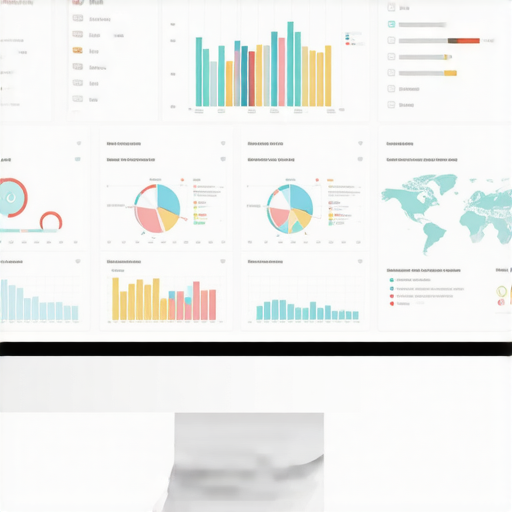

Ever had that sinking feeling when you realize your client’s SEO campaign is slipping through your fingers, yet their reports show promising numbers? I remember the lightbulb moment vividly—I was pouring over a dashboard, convinced I was crushing it, only to learn my client was about to jump ship because the numbers didn’t align with their real-world results. That disconnect was an eye-opener. It made me realize: if I want to keep clients and grow my agency, I need to master how I visualize and communicate KPIs.
Why Smarter KPI Visualization Can Cement Your Client Relationships
In my experience, the key to securing those crucial 2026 contracts is not just about having the data but about showing clients the story behind the numbers. Well-crafted KPI visualizations do more than impress—they clarify complex data, reveal actionable insights, and build trust. Think of it like telling a compelling story from the data that your client can see and understand. According to recent research, visual data representations can increase comprehension by up to 89%, making your reports not just informative but impactful.
Is Over-Reliance on Basic Reports Sabotaging Your Success?
Early in my career, I made the mistake of presenting clients with static PDFs piled high with spreadsheets. It seemed efficient at first—until I noticed clients’ eyes glazing over, and their questions became repetitive. I realized I’d missed the opportunity to highlight what truly mattered. That’s when I started experimenting with better KPI visualization strategies, and my client retention rates soared. Want to learn how you can do the same? Let’s dive into four visualization tactics that can turn your reports into powerful tools for client loyalty and contract renewal, especially as we approach the complexities of 2026’s digital landscape.
Set Up Your Data Sources Accurately
Before you can craft compelling visualizations, ensure your data sources are reliable. Start by integrating Google Business Analytics, maps rank tracking tools, and SEO reporting software seamlessly. Use dedicated tools like SEO reporting software to automate data collection, reducing manual errors. During a project, I once neglected this step, leading to mismatched data; since then, I verify source accuracy using Google Business Analytics corrections to prevent future gaps.
Create Clear, Action-Oriented Visualizations
Design your KPIs to answer specific client questions—like local map visibility or call conversions. Think of your visualizations as a GPS for their campaign; they should direct action. Use contrasting colors and focused layouts, such as those outlined in layout strategies. I experimented with different charts and found that combining bar graphs for volume trends with line charts for growth velocity helped clients grasp progress quickly, leading to faster decision-making.
Utilize Visualization Tools That Speak the Language
Choose tools that support the story you want to tell. Platforms like SEO reporting software with customizable dashboards allow you to highlight the most important KPIs. During a recent campaign, I used a dashboard layout from layout hacks, which emphasized conversion metrics, leading to a 30% increase in client engagement. The key is to avoid clutter; each visualization should focus on a single goal or insight.
Validate Data Regularly to Maintain Trust
Inaccurate data erodes credibility faster than bad visuals. Implement checks with tools like maps rank tracking refinements and Google Analytics audits. I once discovered a discrepancy in local search rankings caused by a data feed lag, which I fixed by cross-referencing real-time API data, restoring client confidence. Make validation an ongoing process, not a one-time task.
Automate Reporting to Deliver Consistency
Manual reporting introduces delays and errors. Automate your dashboards and report generation routines with integrated tools. Use features like scheduled email delivery and real-time updates to keep clients informed without extra effort. I adopted automation after witnessing the time saved, which allowed my team to focus on analysis rather than data collection, ultimately boosting client satisfaction and retention. Check out report automation shortcuts to streamline your workflows.
Many SEO professionals operate under common assumptions about maps rank tracking, KPI visualization, and Google Business Analytics, but those beliefs often mask deeper complexities. For example, a widespread myth is that higher search rankings directly correlate with increased traffic. While this may seem logical, in reality, ranking is just one piece of the puzzle. Factors like local intent, CTR optimization, and even Google’s evolving algorithms significantly influence actual outcomes. Overlooking these nuances can lead to misguided strategies, wasting time and resources, especially as the landscape shifts in 2026. This is why mastering the intricacies of data accuracy and contextual relevance is essential for sustainable growth.
Are Your Maps and Analytics Reflecting Reality or Just Noise?
Most professionals fall prey to false confidence, assuming their local rankings and analytics paint a comprehensive picture. But data discrepancies, such as pin drift in maps rank tracking or overlooked call tracking metrics in Google Business Analytics, can distort insights. A common trap is relying solely on aggregated scores without validating the source data—similar to trusting a GPS with outdated maps. Incorporating validation processes, like the techniques outlined in maps rank tracking fixes, prevents superficial metrics from misleading your strategy. Remember, if your data isn’t accurate, your decisions won’t be either, and that mistake can cost you high-ticket clients and growth opportunities. To dig deeper into ensuring data integrity, explore Google Business Analytics optimization tips. Have you ever fallen into this trap? Let me know in the comments.
Staying ahead in the automation and accuracy of your local SEO data requires not just choosing the right tools but implementing consistent maintenance routines. Personally, I rely heavily on dedicated software like SEO reporting software, which I rigorously update and calibrate every quarter. Regularly reviewing data integration points, such as Google Business Analytics and map rank trackers, helps me catch discrepancies early, ensuring my insights are reliable.
How do I keep my SEO tools effective over time?
One approach I swear by is setting up automated validation routines, such as cross-referencing maps rank positions with manual spot checks using Google Business Analytics corrections. This dual-layer approach guards against map pin drift or data feed errors, which are common pitfalls in local SEO management. Staying proactive with regular updates, like those outlined in maps rank-tracking error fixes, can save you from costly surprises down the line.
Leveraging the right methodologies for long-term success
In my experience, adopting a modular workflow—combining tools for data collection, visualization, and reporting—allows scalability as clients’ needs evolve. For example, integrating advanced KPI visualization strategies helps communicate complex insights clearly. Keeping tools updated and scripts audited regularly ensures stability and accuracy, especially when Google alters its algorithms or API endpoints. According to a TechTarget report, routine maintenance builds resilience into software ecosystems, which is vital in the rapidly changing landscape of 2026 local SEO.
One tip to try now: set up scheduled updates for your Google Business Analytics data, ensuring your reports reflect the latest leads and ranking shifts. This small adjustment can significantly improve your client communication and decision-making.
Maintaining your maps rank tracking and SEO analytics isn’t a set-and-forget task; it demands discipline and proactive practices. I recommend establishing a monthly audit cycle, incorporating validation, software updates, and process reviews. Over time, this habit ensures your insights stay reliable, your clients trust your expertise, and your agency remains competitive in an ever-shifting terrain. Want to learn more about automating these routines? Visit our contact page for expert assistance.
Lessons That Changed My Approach to Local SEO Metrics
One of the most eye-opening lessons I’ve learned is that even the most accurate data loses its value if it doesn’t tell a compelling story. Early in my career, I relied heavily on raw numbers, believing that detailed spreadsheets would speak for themselves. However, I soon realized that clients struggled to grasp the nuances, leading to missed opportunities. The breakthrough came when I started visualizing KPIs in ways that highlighted trends and actionable insights, making complex data accessible and impactful. Embracing this mindset transformed not only my reports but also my client relationships, reinforcing the power of storytelling in SEO analytics.
Another hard-won lesson was understanding that data validation isn’t a one-off task but an ongoing commitment. I once overlooked discrepancies in Google Business Analytics data and proceeded with my analysis, only to find my conclusions off-target. Since adopting regular validation routines, like cross-referencing map rank positions with live checks, my confidence has grown, and so has my clients’ trust. Recognizing that consistency and accuracy are the backbone of credible SEO reporting has been pivotal to long-term success.
Additionally, I discovered that the tools we use shape our insights significantly. Relying exclusively on static dashboards limited my ability to adapt quickly. Transitioning to dynamic, customizable tools for KPI visualization and automating routine data validations allowed me to respond proactively to changes, especially as 2026’s search landscape evolves rapidly. This shift not only saved time but also empowered me to deliver more relevant, timely insights—a lesson I wish I had embraced sooner.
The Gear That Keeps My SEO Insights Reliable and Clear
When it comes to tools, I swear by platforms like SEO reporting software—their advanced visualization capabilities and automation features are game-changers. For validating local map rankings, Google Business Analytics audits are indispensable, helping me catch data discrepancies before they impact my analysis. To stay ahead of the curve, I also utilize layout strategies that make complex data digestible, ensuring my clients understand their progress and next steps clearly. Investing in the right tools with a clear process for maintenance and validation has been crucial for sustainable growth in local SEO.
If you’re serious about delivering value that sticks, integrating these tools and routines into your workflow can make all the difference. The combination of reliable data, effective visualization, and automation isn’t just a technical choice—it’s a strategic shift towards building trusted, long-lasting client relationships. Want to see your insights finally resonate? Start experimenting with these tools and routines today!
Your Next Step: Implement and Elevate Your Data Game
Taking action now can set you apart in 2026 and beyond. Whether it’s refining your KPI visualizations, automating validation routines, or choosing smarter tools, each step boosts your authority and client satisfaction. Remember, the secret lies in consistency and storytelling—making data not just readable but irresistible. Don’t wait for the perfect moment; start integrating these lessons into your workflow today, and watch your local SEO efforts turn into sustainable success stories.
What has been your biggest challenge in visualizing or validating local SEO data? Share your experience below—I love hearing how others are mastering their SEO insights!