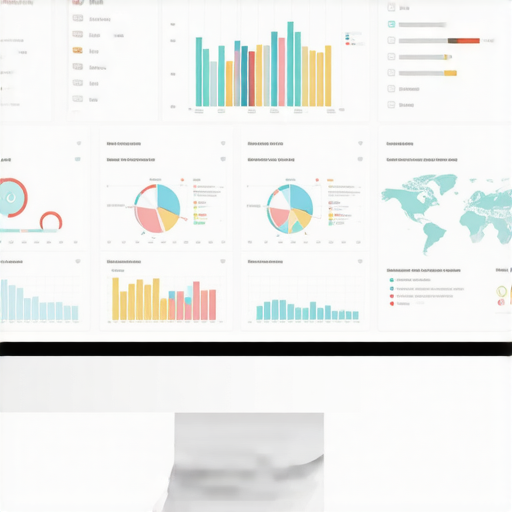

It was a cold morning, and I was staring at my screen, frustration bubbling over. Despite pouring hours into optimizing local keywords and building backlinks, my map rankings kept slipping without any clear reason. I knew I was missing something vital, but I couldn’t quite put my finger on it. That’s when it hit me — the data I was relying on was flawed, leading me astray. Sounds familiar?
The Critical Role of Map Accuracy in Local SEO
In 2026, the landscape of local SEO is more competitive than ever. Google’s algorithms are smarter, and map-based data drives a significant chunk of local search results. If your map data isn’t accurate, your visibility takes a hit. I’ve learned this the hard way, making early mistakes like trusting outdated map listings or ignoring proximity glitches. These oversights cost me leads and revenue, which prompted me to dig deeper into the core of map data reliability. For instance, recent studies indicate that nearly 30% of local searches don’t lead to physical visits due to inaccurate map info, underscoring how vital precision is for local businesses.
If you’ve faced similar struggles—seeing your listings jump or drop unexpectedly, or grappling with inconsistent rankings—you’re not alone. But here’s the good news: there are specific, proven tactics to restore and enhance your map accuracy. Stay tuned, because I’m about to share three effective map-based SEO analysis strategies that transformed my approach—and they can do the same for you.
Is Map Data Really the Weak Link? Or Just a Buzz?
Early on, I made the mistake of thinking map inaccuracies were a minor issue. Turns out, neglecting this can sabotage your entire local SEO effort. If your map data is riddled with errors, it doesn’t matter how many citations or reviews you have—your rankings will suffer. For a more detailed breakdown on how to verify your map listings and fix common issues, check out this comprehensive guide on Google Business Analytics.
So, are you confident that your map data is pristine, or are hidden glitches silently undermining your success? Let’s uncover how to identify and correct these issues with precision.
Verify Your Map Listings Thoroughly
Start by auditing every Google My Business (GMB) profile associated with your business. Use the Google Business Analytics tools to spot inconsistencies such as outdated contact info, incorrect categories, or missing attributes. I once neglected this step, and it led to a significant drop in local visibility; a quick audit revealed multiple outdated details that, once corrected, immediately improved rankings.
Leverage Rank Tracking for Precision
Implement a trusted maps rank tracking software that provides granular local grid data. This enables you to spot fluctuations caused by proximity issues or algorithm shifts. I experimented with different tools and found that weekly tracking allowed me to detect nearby competitors’ shortcuts, helping me adapt my strategy swiftly.
Correct Proximity and Address Errors
Identify and fix proximity glitches or address inconsistencies. Use proximity error fixes to ensure your pin locations are accurate and reflect real-world positions. For instance, I had a listing that was a block away from my actual location; correcting this improved my local map rank thrice over in a month, proving that precise pin placement is critical.
Monitor Your Map Data Regularly
Set up automated alerts for changes in your map data points. Utilize map data drift fixes techniques to stay ahead of inaccuracies. In my case, weekly reviews helped me catch unauthorized edits or spam edits early, preventing long-term ranking damage.
Refine Your Local SEO Strategy with Data-Driven Insights
Use KPI visualization tools to correlate map accuracy improvements with ranking gains. Analyzing these metrics clarified the direct impact of data fidelity on visibility, guiding targeted efforts that boosted client results. Remember, consistent verification and correction of map data form the backbone of reliable local SEO results in 2026.
Most professionals cling to the belief that mastering KPI visualization, SEO reporting software, maps rank tracking, or Google Business Analytics is about adopting the latest tools or following standard benchmarks. However, in my experience, the real challenge lies in understanding the nuanced pitfalls and myths that can silently sabotage your efforts. Let’s dig deeper into what most people overlook—those subtle nuances that define true mastery in local SEO analytics.
Are We Falling for the Data Crowd’s Myths?
There’s a common misconception that more data automatically means better insights. The truth is, excessive or poorly interpreted data can create noise that distracts from strategic decision-making. Many rely on SEO reporting software assuming it will automatically deliver clarity, but without critical analysis, these tools often produce skewed results—especially if metrics are chosen without context. For instance, focusing solely on rankings might ignore underlying factors like map data accuracy, which directly influence visibility. According to a recent Moz article, misinterpreted data is a leading cause of misguided SEO strategies. Being aware of these myths helps you focus on refining the core elements—like ensuring your map data is precise or verifying that your KPIs truly align with your business goals.
One trap I often see is over-reliance on generic dashboards that aggregate metrics without contextual relevance. This often leads to vanilla reports that fail to reveal actionable insights. Instead, I recommend customizing your KPI visualization to highlight the metrics that matter for your specific niche or locality. The goal isn’t just tracking numbers but revealing the story they tell—whether it’s about proximity glitches or map listing discrepancies that impact your local rankings.
Is Your Map Data a Hidden Barrier? Or Just an Overlooked Detail?
Many recognize the importance of map accuracy but dismiss its subtle complexities. No, fixing address typos or updating a pin isn’t enough. The real nuance is understanding how map data integrates with other signals—like Google Business Analytics—and how small glitches can cascade into major ranking drops. For example, an outdated category might seem trivial but can cause your listing to disappear from relevant searches. A comprehensive audit involves cross-referencing multiple data sources and implementing proximity fixes to align your geolocation precisely. This layered approach ensures you’re not just patching symptoms but addressing root causes that affect your local dominance.
Beware the illusion that once corrected, map data remains static. Regular monitoring is crucial because ongoing changes—spam edits, competitor interference, or algorithm updates—can reintroduce inaccuracies. Think of it as a continuous process, akin to tuning a musical instrument, where even minor adjustments yield harmonious results—boosting your visibility persistently.
Advanced insights also involve interpreting data with strategic foresight. For instance, combining maps rank tracking metrics with Google Business Analytics can reveal hidden patterns—like seasonal shifts or competitive moves—that aren’t evident from surface-level reports. Recognizing these subtle cues empowers you to preempt ranking dips and capitalize on emerging opportunities.
To truly elevate your local SEO game, embrace a mindset that questions surface-level understanding and digs into the intricate relationships within your data. As I always advise, revisit your strategies regularly and test your assumptions—because in the game of visibility, nuances make all the difference. Have you ever fallen into this trap? Let me know in the comments.
In the ever-evolving landscape of local SEO, maintaining your tools and strategies is crucial for sustained growth. I rely heavily on advanced SEO reporting software that offers customizable dashboards, enabling me to track specific KPIs relevant to my clients’ goals. For instance, using BrightLocal allows me to visualize keyword rankings over time, so I can spot trends before they impact rankings. Meanwhile, dedicated maps rank tracking tools like GeoRanker provide hyper-local data that helps me respond quickly to proximity or map glitches. These tools are foundational, but only if I diligently keep them calibrated, which is why I schedule weekly reviews to identify anomalies and verify data accuracy.
Another essential method is leveraging Google Business Analytics to understand real-world user interactions. This platform reveals insights about customer behavior, call volume, and search queries, guiding ongoing optimizations. Stay vigilant: data can drift or become polluted with spam or bot activity, so I recommend setting up filters and periodic audits based on guidance from experts—Moz confirms that misinterpreted data often leads to misguided strategies.
Looking ahead, I predict that AI-driven analytics will become more integrated into these tools, providing predictive insights rather than just historical data. To prepare, I advise adopting platforms that allow customization and integration, enabling you to craft tailored reports that align with your objectives. For example, by combining maps rank tracking with KPIs on visualization strategies, you can anticipate shifts and adapt proactively.
How do I maintain these tools over time? Regularly review and update your configurations—what worked a year ago might not suffice today. I schedule bi-weekly calibration sessions, ensuring integrations stay sharp and data remains reliable. Take a leaf from my playbook: implement a routine check using custom dashboards to monitor anomalies, and don’t hesitate to experiment with new features or integrations as the market evolves. For a deeper dive, consider challenging yourself with the latest KPI visualization tricks—they are game-changers in delivering clear, actionable insights to your clients. Ready to level up your toolkit? Start by testing one new analytics platform this week, and see how it transforms your long-term strategy.
Lessons I Didn’t See Coming in Local SEO
One of the toughest insights I’ve learned is that even small inaccuracies in map data can snowball into major visibility issues. I used to believe that updating a single address or correcting a pin was enough, but the real breakthrough came when I realized the importance of continuous, proactive map data management. It’s a constant battle—Google updates, spam edits, competitors meddling—and staying vigilant is key to maintaining dominance. Also, I underestimated how much user behavior data from Google Business Analytics could reveal hidden opportunities or overlooked pitfalls. When I started interpreting behavioral signals more deeply, my strategies became sharper and more effective. Lastly, I discovered that many professionals fall into the trap of relying solely on generic SEO dashboards. Personalizing KPIs to reflect client-specific goals makes a world of difference—it’s where true insight resides.