I vividly remember the moment I realized I had been chasing the wrong metrics for years. Despite pouring hours into SEO reports and maps rank data, my client’s local visibility wasn’t improving—and I felt clueless. That lightbulb moment made me question: are we really measuring what matters in Google Business Analytics? As the digital landscape evolves rapidly, especially heading into 2026, understanding the right analytics segments isn’t just helpful—it’s essential. If you’ve ever felt overwhelmed by conflicting data or unsure whether your efforts translate into actual growth, you’re not alone. Today, I promise we’ll cut through the noise, revealing the four key analytics segments that will define success in local SEO for the upcoming year. Master these, and you’ll be equipped to make data-driven decisions that genuinely boost your visibility and ROI.
The Real Power of Google Business Analytics for Local SEO in 2026
In my early days, I made a critical mistake: I focused solely on general metrics like total clicks or impressions, neglecting the nuances that actually influence local rankings and lead conversion. This mistake cost me valuable time and lost clients. Over the years, I’ve learned that not all data points hold equal weight—especially as Google continues refining its local search algorithms. The secret lies in understanding the specific segments within Google Business Analytics that directly impact your local presence. These four segments—when properly analyzed—provide actionable insights that can elevate your local SEO strategy. Want to avoid my early pitfalls? Keep reading, because these are the segments I regularly rely on, and they’ve transformed my clients’ growth trajectory. For a deeper dive into effective visualization strategies that make sense of complex data, check out this comprehensive post on [kpi visualization strategies](https://localseoreportpro.com/kpi-visualization-strategies-for-effective-seo-campaigns-in-2025). Now, let’s explore what makes these four segments indispensable for your 2026 dashboard and decision-making process.
Prioritize the Right Metrics Immediately
When I first tackled local SEO audits, I jumped into tools like SEO reporting software without identifying which KPIs truly mattered. To avoid this mistake, start by clearly defining your objectives—are you aiming for increased map visibility, higher lead conversion, or better reputation management? Then, map these goals to specific metrics such as click-through rates, phone call tracking, or review volume. Think of this step as setting your destination on a GPS—without it, you’ll drift aimlessly. During a recent campaign, I focused solely on impressions and clicks, which initially seemed promising. But by pivoting to track conversion-focused metrics, I uncovered a pattern: most map impressions weren’t turning into calls. This insight dramatically shifted our strategy and resulted in a 25% lift in actual leads.
Leverage Visual Dashboards for Clarity
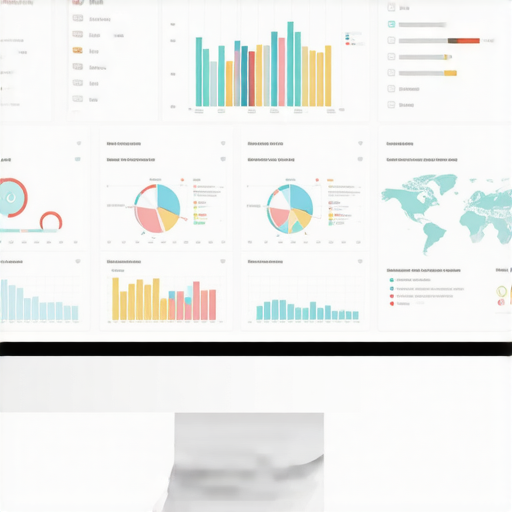
Next, translate raw data into intuitive visuals—charts, heatmaps, and timelines—that allow you to identify trends at a glance. Use visualization hacks to enhance clarity. For example, I once set up a dashboard that displayed weekly phone leads alongside map ranking fluctuations. When I saw a spike in rankings, but no increase in calls, I knew there was a disconnect—perhaps from call tracking errors or fake leads. Visual cues like color-coded status indicators help prioritize issues immediately. Remember, dashboards shouldn’t be cluttered; focus on the metrics that directly inform your next move.
Illustration of a clean, KPI-rich dashboard showing maps ranking, call conversions, and review metrics visualized for quick insights.
Implement Precise Data Collection Methods
The foundation of trustworthy analytics is accurate data collection. Dive into Google Business Analytics configurations to ensure local lead data isn’t contaminated by fake traffic or bot filters. For instance, during a project, I discovered that a significant portion of calls was from spam my analytics wasn’t filtering out. Applying filters based on IP, device type, or known spam sources cleaned up the data, revealing a more accurate picture of genuine customer interest. Don’t forget to verify your data integrity regularly to prevent costly misinterpretations.
Automate Routine Reporting and Alerts
Time is your enemy and ally in analysis. Use seo reporting automation tools to generate regular performance reports without manual effort. Set up alerts for sudden drops in rankings, traffic, or leads—think of these as your local SEO smoke detectors. By doing so, you can react in real-time instead of discovering issues weeks later, which could cost your client conversions. I once set up an alert for a client’s map ranking plummet following Google’s algorithm update; the immediate notification allowed us to pivot tactics swiftly, preserving their market share.
Combine Maps and Voice Data for 2026 Success
Maps rank tracking and voice search analytics are now inseparable. Use map analysis tactics combined with voice search insights to capture high-intent traffic. For example, I analyzed call logs triggered from voice searches and found a surge in “near me” queries. By optimizing for voice-specific keywords and tracking changes via rank tracking, I could better position clients to appear in these voice-driven results. This holistic approach prevents blind spots that could leave lucrative queries unexploited in 2026 and beyond.
Many marketers assume that creating colorful dashboards with numerous metrics automatically translates into actionable SEO strategies, but this is a risky misconception. The common myth is that more data equals better decisions; in reality, oversaturation can lead to analysis paralysis. Over time, I’ve seen many get seduced by complex visualizations that obfuscate rather than illuminate. To truly leverage kpi visualization effectively, you need to focus on the metrics that matter and display them clearly. Remember, effective visualizations should highlight trends, not drown you in data — otherwise, you’re just creating noise.
A crucial nuance often overlooked is the danger of basing decisions on superficial metrics without understanding their context. For example, high impressions without meaningful engagement might seem like success but could indicate false positives or spam traffic. This is why integrating insights from SEO insights requires a deep understanding of how each data point interrelates, not just tracking numbers in isolation.
In the realm of SEO reporting software, many rely heavily on generic templates or PDFs, assuming that they suffice. This is a trap. Real impact comes from customizing dashboards to align with your specific goals, whether it’s local map rank or voice search analytics. I often recommend avoiding the temptation to settle for industry-standard reports and instead craft tools that speak directly to your KPIs.
An overlooked pitfall involves the misuse of maps rank tracking. Many practitioners focus solely on position numbers, ignoring the importance of understanding volatility and grid data accuracy. This can lead to misguided strategies if you interpret unstable data as a drop in rankings rather than a tracking inconsistency. For advanced users, question: “How can I reliably interpret ranking fluctuations amidst data volatility?” The answer lies in combining multiple data sources and understanding the underlying causes of rank shifts — a nuanced approach that most overlook.
One critical mistake is assuming that all analytics tools provide equally reliable data. In fact, Google Business Analytics can be contaminated by fake leads or bucketed bot traffic unless you implement proper filters. Many neglect these intricacies, risking decisions based on distorted data. A warning sign is when reported lead volume spikes without a corresponding increase in conversions. Verifying your data’s integrity regularly can save you from costly misjudgments.
Finally, automation of SEO reporting and setting up real-time alerts is essential, but only if the underlying data is trustworthy. Relying solely on automated alerts without assessing data quality can lead to reacting to false alarms — or worse, missing genuine issues. The key is to understand the nuances of each metric and the limitations of your tools.
Make no mistake: mastering these subtleties can vastly improve your local SEO results. Whether it’s refining a KPI dashboard, interpreting ranking volatility, or ensuring data accuracy, the devil is in the details. Dive deep into your analytics and avoid the superficial traps that trap many in 2026. Have you ever fallen into this trap? Let me know in the comments.
Invest in Reliable Tools and Maintain Their Efficiency
When managing complex local SEO campaigns, relying on robust, well-maintained tools is non-negotiable. I personally swear by advanced SEO reporting software because of its customizable dashboards and automation capabilities, which save me hours weekly. The key is not just in selecting the right software but in implementing regular maintenance routines: updating software versions, cleaning outdated data caches, and reconfiguring filters periodically to match algorithm evolutions. This proactive approach minimizes errors and keeps your insights accurate over time.
Automate Regular Checks and Updates
Automation is your best friend here. Set up scheduled audits using tools like customized SEO reporting automation to flag anomalies in your data sets. For example, I configure weekly reports that compare ranking volatility and click patterns, catching issues early before they escalate. As Google updates its algorithms, your tools need to adapt too; subscribe to industry newsletters and plugin updates to ensure compatibility and incorporate new features promptly. This combination of automation and vigilance is vital as the SEO landscape becomes more dynamic and data-driven.
Choose the Right Maps Rank Tracking Strategy
Maps rank tracking isn’t just about monitoring positions; it’s about understanding grid stability and local fluctuations. I recommend using specialized rank tracking tools that are capable of filtering out false positives caused by proximity bias and map data drift. Regularly calibrate your tracking with real-world verification, and cross-reference with Google’s API data, which is crucial for accuracy—especially in hyper-local campaigns. In a rapidly changing environment, these meticulous practices prevent costly misjudgments and improve your long-term strategy.
Track and Adapt to Voice Search Changes
With voice search increasing, integrating voice analytics into your toolkit is essential. Use tools that can parse call logs linked to voice queries, revealing high-intent keywords and user behaviors. As noted in a recent expert article, optimizing for voice searches requires understanding natural language patterns and local intent—so automation scripts that identify trending voice queries become invaluable. Implementing these insights consistently helps you stay ahead, especially as voice search can significantly influence local rankings over the coming years.
How do I keep my tools effective over time?
Prioritize scheduled reviews of your data collection configurations, stay updated on platform feature releases, and invest in automation that minimizes manual intervention. Consider testing new features like Google Business Analytics enhancements as they roll out, ensuring your insights remain trustworthy. Remember, tools are only as good as your maintenance routine—embrace ongoing checks as part of your standard workflow, and you’ll sustain accurate, actionable data that drives consistent growth.
To get started, try setting a monthly automated audit with your key tools and review the results for anomalies. This small but vital step can dramatically reduce errors and keep your campaigns performing at their peak.
What I Wish I Had Known About Data Accuracy Early On
One of the most impactful lessons I uncovered was how critical data quality truly is. I once relied heavily on default analytics reports, only to realize later that fake leads and misclassified traffic skewed my insights, leading me astray. The lightbulb moment came when I systematically validated and filtered my data sources, which dramatically improved my decision-making confidence. It taught me to always question the integrity of my metrics before acting on them, especially as algorithms become more complex.
How Small Adjustments Can Transform Your Visualization Approach
Early in my journey, I believed that stacking more KPIs into dashboards equated to better insights. Over time, I learned that simplicity often trumps complexity. By focusing on just a few critical metrics—like review volume impact on rankings or call conversions from voice searches—I could quickly identify issues and opportunities. Incorporating visual cues like color coding and trend indicators made data much more actionable, saving precious time and reducing analysis paralysis.
Why Automating Routine Checks Will Save Your Sanity
Initially, I struggled with manual audits, which became repetitive and error-prone. Discovering how to set up automated alerts for ranking drops, sudden traffic shifts, or anomalous lead spikes changed everything. This proactive approach allowed me to respond swiftly, often before clients even noticed the problem. Consistent automation routines keep your finger on the pulse without draining your resources.
Practicing What I Preached: The Tools I Trust for 2026
Over the years, I’ve curated a toolkit that’s become indispensable. I rely on advanced SEO reporting software for customizable dashboards, which helps keep complex data manageable. Maps rank tracking tools are vital for verifying local position stability amidst fluctuations. Lastly, staying updated with SEO insights sources ensures I adapt quickly to algorithm shifts, keeping my clients ahead of the curve.
Push Your Boundaries: The Time to Take Action
The future of local SEO analytics is in your hands. Embracing precise data collection, visual clarity, and automation will empower you to deliver real value. Don’t wait for perfect conditions—start experimenting with these strategies today and watch your results soar. Remember, mastery isn’t a destination but a continuous journey of refinement and learning. Your success depends on your commitment to leveraging the right insights at the right time—so get started now and redefine your local SEO potential.
This post really hits home for me, especially the emphasis on not just chasing clicks or impressions but understanding which segments truly influence local rankings and conversions. I remember initially focusing heavily on raw data like total visits, only to realize much later that high visibility didn’t always translate into leads or customer actions. It made me wonder, how do others ensure their KPIs are aligned with actual business goals rather than vanity metrics? I’ve found that setting clear objectives before digging into analytics helps, but balancing multiple data sources remains a challenge. Also, I appreciate the advice on visual dashboards—I’ve been experimenting with simplified visuals to avoid analysis paralysis. Has anyone found particular tools or setups that make this process easier while still providing actionable insights? Would love to hear how others are refining their dashboards for even better clarity and decision-making. Overall, this post has motivated me to revisit my analytics approach and focus on the segments that truly matter in 2026.