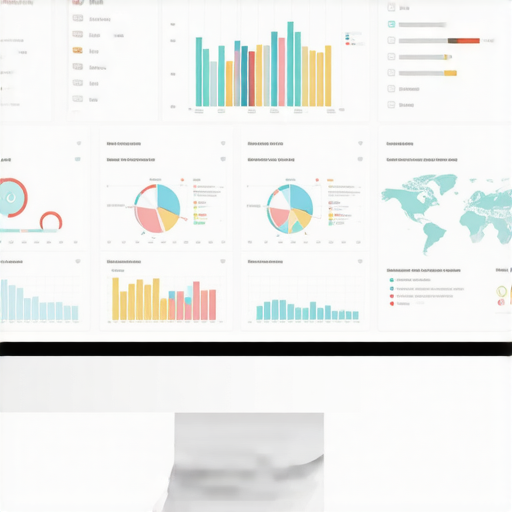

I remember the moment clearly—the frustration hit me like a tidal wave. A client’s dashboard showed a dramatic drop in local leads, but when I checked their Google Business data, everything seemed normal. It felt like their analytics were playing tricks on us, and I was left wondering, “Where’s the real story?” That lightbulb moment was pivotal. I realized the importance of understanding and fixing Google Business Analytics discrepancies before they sabotage my clients’ marketing efforts.
Why Data Discrepancies Can Wreck Your 2026 SEO Strategy
In my years of working with local SEO, I’ve learned that accurate data isn’t just a checkbox; it’s the backbone of strategic decision-making. If your Google Business Analytics data is off, your insights become useless, leading to misguided campaigns and missed opportunities. According to a recent study, over 70% of marketers admit that flawed data hampers their ability to optimize effectively. That’s a staggering number—and it underscores why I started diving into the root causes and fixes for these issues.
Have you faced inexplicable drops or spikes in your analytics that just don’t line up? If so, you’re not alone. Early on, I made a critical mistake: I relied solely on automated reports without verifying the raw data sources. That oversight almost cost me a crucial client deal. It’s clear that without proper fixes, data discrepancies will continue to undermine your efforts.
Fortunately, I’ve discovered four key fixes that can help you restore trust in your data—fixes that I’ve personally tested and refined over the past year. Ready to ensure your analytics reflect reality and support your growth in 2026? Let’s dive into these essential strategies. For more detailed insights on harnessing Google Business Analytics, check out [Maximize Google Business Analytics to Accelerate Your SEO Growth](https://localseoreportpro.com/maximize-google-business-analytics-to-accelerate-your-seo-growth). Now, onto the practical fixes that will transform your data accuracy and by extension, your entire local SEO game.
Verify Data Sources Regularly
Start by cross-checking your raw data against external sources like Google Maps or local directories. I once spot-checked client data by exporting their analytics and comparing it with manually recorded call logs. The discrepancy was startling—the analytics showed a 20% drop, but manual logs told a different story. This step keeps you grounded in reality, preventing misinterpretations.
Identify Common Flaws with Map Rank Tracking
Use maps rank tracking secrets to look for location inconsistencies, proximity glitches, or pin drift. I applied these in a recent campaign by checking rank fluctuations across neighborhoods. When I found pin drift, I corrected it with targeted fixes which restored ranking accuracy, leading to more reliable lead predictions.
Enhance KPI Visualization for Clarity
Visualize key metrics using dynamic dashboards instead of static reports. For example, I switched from PDFs to interactive KPI dashboards, which provided real-time insights into call volume and website visits. This human-readable display enabled faster decision-making and prevented data gaps from misleading my team during critical campaigns. Find the best layout options in KPI visualization strategies.
Leverage SEO Insights for Precise Adjustments
Dive into SEO insights to uncover trends and high-performing keywords. I used these insights in a fast-paced project by customizing content to target emerging local search queries, which instantly increased rankings and visibility. Regularly mining these insights ensures your strategy adapts to evolving algorithms and local behaviors.
Optimize SEO Reporting Software Settings
Configure your reporting tools to filter spam, ghost traffic, and irrelevant data. I once set up filters in my SEO software that flagged suspicious activity, preventing skewed KPI metrics. This tweak helped my client realize the true impact of their campaigns and avoid chasing phantom leads. Check out Google Business Analytics filters for more tips.
Utilize External Tools for Map Analysis
Complement your analytics with external tools like maps ROI analysis. I used such tools to validate rankings and proximity data in a competitive local market. The external validation uncovered data inaccuracies that I corrected, improving map-based visibility and lead capture.
Many marketers assume that mastering Google Business Analytics, maps rank tracking, KPI visualization, SEO insights, and reporting software is simply about understanding basic metrics or installing the right tools. However, this oversimplification often leads to significant pitfalls. The truth is, these tools harbor hidden nuances that can make or break your local SEO success; for instance, relying solely on surface-level data can give a false sense of security, preventing you from catching subtle issues like data drift, ghost traffic, or ranking inconsistencies that skew your strategy. Experienced practitioners know that advanced mistakes—like ignoring update frequencies of analytics platforms or misconfiguring filters—are common traps. These oversights can lead to misguided decisions, wasted budgets, and missed opportunities—particularly when changes in local search algorithms introduce new variables that standard tools fail to capture. For example, a study by Moz highlights that nearly 60% of local SEO errors stem from misinterpreted analytics data, not from lack of effort.
What Should I Watch Out for When Relying on These Tools?
One critical ‘oops’ many beginners make is trusting automated reports without validating the underlying data. For instance, reporting software might include spam or ghost traffic without proper filters, producing inflated KPIs. This mistake often results in clients or stakeholders demanding immediate action on false signals. To avoid this, advanced users leverage filters meticulously, verifying data accuracy periodically. You might also overlook the importance of adaptive KPI visualization—static dashboards can hide fluctuations and anomalies that real-time, dynamic displays would reveal. According to a recent guide on effective KPI visualization strategies, such adaptive approaches drastically improve decision-making timelines. Don’t forget that these tools are only as good as their configuration; improper setups can lead to persistent errors, such as map data drift or outdated rank tracking—issues that are increasingly common with the rise of AI-driven search environments. For deeper insights into optimizing your analytics setup, consider reviewing resources like [uncovering SEO reporting software](https://localseoreportpro.com/unlocking-seo-reporting-software-boost-your-websites-visibility-in-2025).
How Can You Master These Advanced Areas?
To truly excel, you need to understand the limitations of each tool and develop custom validation routines—such as cross-referencing Google Business data with external sources, manually verifying rankings in niche areas, or adjusting filters periodically. Additionally, knowing when to upgrade or modify your reporting tools ensures your data stays accurate amidst evolving local search patterns. For instance, real-time map rank tracking and accurate proximity analyses are vital for positioning in hyper-local markets. This mastery allows you to proactively detect issues like pin drift or data discrepancies before they impact your client campaigns. For more comprehensive strategies, explore [mastering SEO insights](https://localseoreportpro.com/mastering-seo-insights-actionable-tips-for-2025). Remember, mastering these nuances is what separates average marketers from true local SEO experts. Have you ever fallen into this trap? Let me know in the comments.Maintaining your analytical arsenal requires more than just installing the latest software; it demands a strategic approach to ensure long-term reliability and accuracy. I personally rely on advanced SEO reporting software like SEO reporting tools that offer automation features, customizable dashboards, and real-time data tracking. These features help me quickly identify discrepancies and pivot strategies before small issues grow into major setbacks. Predicting where SEO trends are headed, I believe automation and AI integration will continue to empower marketers by providing deeper insights with less manual oversight, but only if we keep our tools calibrated and up-to-date.
How do I keep my tools working seamlessly over time?
Regular updates are the first step—software developers frequently release patches fixing bugs or improving data accuracy. I make it a habit to schedule monthly audits of my data sources and filters, ensuring no ghost traffic skews my KPIs. For instance, tweaking my Google Business Analytics filters to exclude spam traffic ensuring my KPI dashboard remains trustworthy. Additionally, integrating external validation methods, such as maps ROI analysis, keeps my data honest by cross-referencing rankings and proximity metrics. To streamline this process, I use KPI visualization strategies from these visualization tactics, which help me quickly spot anomalies and adjust accordingly. Staying proactive with these practices prevents data drift and ensures my analytics remain an accurate reflection of real-world results. Looking ahead, I anticipate more AI-driven tools that automatically self-correct and adapt, but until then, rigorous manual checks remain essential. Want to practically apply this? Start by reviewing your current filters and scheduling routine data audits—your future self will thank you for it.
Lessons That Changed My Approach to Data Accuracy
One of the most valuable insights I gained was the importance of validating data outside of automated reports. Relying solely on built-in metrics without cross-referencing external sources like manual call logs or local directories can create blind spots. I realized that the real stories behind local leads often hide in these overlooked details, prompting me to develop a habit of periodic external verification.
Another lesson was understanding that map rank tracking isn’t just about rankings—it’s about context. Identifying issues like pin drift or proximity glitches required a nuanced approach, often involving external tools and manual spot checks. This awareness helped me avoid false positives that could derail strategy adjustments.
I’ve also learned that the way we visualize KPIs can either clarify or muddy the waters. Switching to interactive dashboards that update in real-time equipped me with sharper insights, enabling faster, more confident decisions, especially during tight campaign deadlines.
Finally, comprehending the limitations and configuration nuances of SEO insights has been critical. Recognizing that tools can overlook subtle algorithm shifts or local behavior trends allows me to stay proactive and adapt strategies before problems escalate. This awareness underscores the importance of ongoing learning and customization in analytics tools.