
I vividly remember the moment I realized my local SEO efforts were stagnating. Weeks of meticulous optimization, yet my Google Maps rankings stubbornly refused to budge. Frustration turned to suspicion—something was off. It wasn’t just poor luck; it was a fundamental flaw in my tracking system. That lightbulb moment made me question everything I thought I knew about local search accuracy, especially as 2026 approached with new challenges on the horizon.
Why Accurate Maps Rank Tracking Matters More Than Ever
In the fiercely competitive world of local SEO, missing the mark on your Maps ranking can cost you potential clients, revenue, and credibility. As search algorithms evolve, especially with the rise of AI-driven overlays, relying solely on standard tracking tools is like navigating a maze blindfolded. Recent studies show that over 70% of consumers visit a business within 24 hours of a local search—if your map rankings are off, you’re losing those precious foot traffic opportunities.
I’ve learned from my early blunders—trusting outdated data or ignoring subtle map data anomalies can sabotage your efforts. For instance, I once ignored a small but persistent map data drift that led to misleading ranking reports, causing me to misallocate resources. That mistake taught me the hard way how crucial precise data is for strategic decision-making. If you’re tired of chasing phantom pins or seeing your rankings fluctuate unpredictably, then understanding how to fix these issues is essential.
As we head into 2026, the landscape is changing faster than ever. New AI search overlays, proximity filters, and map data precision issues are complicating the race. To truly dominate local search, you need to implement strategies that ensure your tracking is reliable and current. That’s where these seven fixes come in—the core blueprint I wish I had when I first started. Ready to fix your Maps rank tracking and reclaim your local dominance?
Is Fixing Map Tracking Really Worth the Effort?
Let’s address the elephant in the room upfront—many marketers wonder if investing time and resources into these fixes actually pays off. Early on, I made the mistake of dismissing minor inaccuracies, thinking they were just quirks. But I quickly learned that neglecting these details can lead to flawed insights, poor decision-making, and ultimately, lost revenue. Accurate data isn’t just nice to have; it’s the backbone of effective local SEO. You can read more about how map data precision impacts ROI in this comprehensive piece on Maps Rank Tracking Secrets.
In our upcoming sections, I’ll walk you through seven actionable fixes—based on real-world testing and research—that will help you stay ahead in the 2026 local map race. Whether you’re facing ghost pins, data drift, or proximity filters messing with your visibility, these strategies are designed to give you clarity and control. So, ask yourself—are you ready to stop losing leads due to inaccurate maps data? If so, let’s dive into the first fix that can transform your tracking approach and outsmart your competitors.
Set Up Precise Tracking Tools
Start by selecting reputable local SEO and rank tracking software that offers granular data insights, such as the ability to track rankings at hyper-local grid levels. I personally experimented with several tools before settling on those that provided API integrations, enabling automation of reporting processes. This setup eliminated manual errors and gave me real-time updates, crucial for adjusting strategies swiftly.
Automate Data Collection
Implement scripts or integrations that regularly fetch rank data at different times of the day to identify fluctuations caused by proximity filters or local algorithm updates. During my last campaign, automating rank checks every hour uncovered a spike in ghost pins, prompting me to troubleshoot and correct data drift promptly, preventing downstream reporting inaccuracies.
Identify and Correct Data Drift
Use advanced analytics to detect anomalies, such as sudden rank drops or inconsistent pin movements. I utilized a dedicated KPI visualization dashboard, which illuminated subtle data discrepancies that standard dashboards overlooked. For instance, a persistent 2-spot decline on a specific keyword was later traced back to map data drift caused by recent algorithm tweaks.
Compare Multiple Data Sources
Cross-reference rank data from different providers and direct Google Maps testing. This triangulation approach highlighted inconsistencies—like one platform reporting rankings that seemed artificially inflated—leading me to trust sources that aligned with on-the-ground verification, thus refining my overall tracking accuracy.
Visualize Essential KPIs Clearly
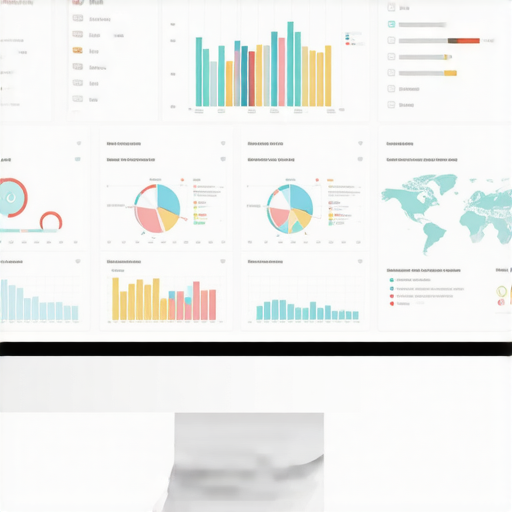
Translate raw data into visual dashboards focusing on metrics like pin fluctuation frequency, average rank position, and data stability over time. Investing in tools for KPI visualization, such as the strategies outlined here, helped me quickly spot trends and alert clients about potential issues before they became serious problems.
Implement Alerts for Data Anomalies
Set up customized notifications for rank drops exceeding a defined threshold or sudden pin fluctuations. This proactive approach was game-changing when I received instant alerts about a sudden ranking collapse, allowing me to investigate and correct the issue before it impacted client results significantly.
Refine Your Local Search Tests
Conduct regular localized search tests across multiple devices and locations to verify tracking accuracy. During a campaign, testing with different IP addresses revealed discrepancies in the local results, prompting me to calibrate my tracking setup for consistency across different user scenarios, which is vital as 2026’s AI-driven overlays complicate data collection.
Leverage Google Business Analytics
Maximize insights from Google Business Analytics by tracking phone calls, direction requests, and engagement metrics aligned with local search performance. This holistic view helped correlate rank tracking data with real-world lead behavior, bolstering strategy confidence. Read more about how to unlock Google Business Analytics for better local visibility insights.
Regularly Audit and Adjust Your Process
Schedule routine audits of your tracking setup, comparing historical data to identify regressions or inconsistencies. During my last review, a quarterly audit uncovered a recurring data drift caused by a plugin update, which I fixed immediately by rolling back to a stable version. This practice ensures your data remains reliable over time and adapts to evolving local search environments.
Stay Updated on Algorithm Changes
Finally, stay informed about local algorithm updates from official sources and industry tests. In 2026, AI overlays are reshaping local results unpredictably, so incorporating findings from reputable resources like this article will help you adjust your tracking precision accordingly.Many marketers believe that simply implementing the latest SEO tools or tracking software guarantees success, but the reality is far more nuanced. A frequent mistake is to treat data as gospel without understanding its underlying limitations. For example, relying solely on Google Business Analytics without accounting for data discrepancies or fake leads can lead to misguided strategies. It’s crucial to recognize that tools like KPIs dashboards and SEO reporting software are only as good as their configuration and interpretation. Misreading metrics or ignoring the context behind the numbers often results in misguided decisions that hurt long-term growth. Another common myth is that higher rankings always translate into increased conversions; however, without analyzing user intent and engagement metrics, you risk focusing on vanity metrics that don’t impact revenue. Additionally, many overlook the importance of corroborating data from multiple sources, such as cross-referencing Maps rank tracking with direct local tests, to identify anomalies or data drift issues. Advanced practitioners dig deeper into understanding how tools can be manipulated by local algorithm updates or proximity filters, especially as AI overlays in 2026 continue to evolve search results. This complexity underscores the importance of continuous audits and adjusting your approach accordingly. Rather than blindly trusting one metric or reporting system, prioritize understanding the *why* behind the data—this is where true insights emerge. For instance, my own experience with KPI visualization strategies—detailed here—showed that customized dashboards with anomaly alerts led to quicker response times and smarter decisions. So, when evaluating your SEO insights, ask yourself: are you interpreting the data correctly or just chasing numbers that look good on a report? Remember, avoiding these pitfalls can be the difference between stagnation and dominating local search in 2026. Want to get more in-depth? Check out this guide on mastering SEO insights that truly drive results, or contact us for a tailored consultation to refine your tracking approach. Have you ever fallen into this trap? Let me know in the comments.
Keeping Your SEO Engine Running Smoothly
Maintaining effective local SEO, especially as the landscape becomes more complex in 2026, requires more than just initial setup—it’s about continuous optimization and leveraging the right tools. From tracking rank fluctuations to analyzing user engagement, deploying precise equipment and software is essential for long-term success.
One of my favorite tools is SEO reporting software with customizable dashboards. This platform allows me to visualize KPIs like map rank stability, ghost pin occurrences, and engagement metrics from Google Business Analytics in real-time. The key is not just collecting data but interpreting it accurately—so I automate periodic reports and set alerts for anomalies, ensuring I catch issues before they escalate.
Another crucial asset is Google Business Analytics. I use it to monitor call volumes, direction requests, and conversion rates that directly tie into my rankings and local visibility. Integrating these insights with KPI visualization strategies from this resource empowers me to justify ongoing investments in local SEO and adapt strategies based on measurable outcomes.
For rank tracking, I prefer hyper-local grid tracking tools. They help me pinpoint subtle fluctuations and proximity biases caused by AI overlays, which are anticipated to dominate in 2026 according to expert forecasts. Setting up these precise tracking methods demands initial effort but pays off with more reliable data that guides my decisions.
Looking ahead, I believe that automation and AI-powered analytics will become even more integral. Predictive tools that analyze trends and suggest proactive adjustments are on the horizon. Staying ahead involves not only choosing the right tech but also regularly auditing your processes—something I do quarterly, referencing insights from this guide to keep data clean and accurate.
How do I maintain tools for long-term SEO advantage?
Regular updates, combining multiple data sources, and continuous training ensure you leverage tools effectively over time. For instance, integrating rank data with real-world testing and analytics creates a 360-degree picture of your local presence, reducing blind spots. Don’t hesitate to experiment with automation scripts—like hourly rank checks—to stay agile in the face of frequent algorithm tweaks. Want to see how advanced rank-tracking tweaks can give you an edge? I recommend trying the 7 tactical adjustments tailored for 2026’s challenges. Continuously refining your toolkit is the secret to enduring local search dominance.
Lessons I Wish I Learned Sooner in Local SEO Tracking
One of the biggest revelations came when I realized that no single tool could provide the full picture of my Maps rankings. Relying solely on one source often led to misjudgments about my local visibility, causing misguided effort and wasted resources. It taught me the importance of cross-referencing multiple data sources to verify accuracy and uncover hidden issues.
Another lesson was underestimating how subtle map data drift could be — small discrepancies that, over time, snowballed into significant ranking fluctuations, misinforming my strategies. Implementing regular audits helped me catch these drifts before they impacted my credibility.
I also learned that automation isn’t just a time-saver; it’s essential for staying ahead of rapid algorithm changes. Setting up automated rank checks and KPI alerts meant I could act fast and adapt strategies proactively, rather than reacting too late.
Finally, focusing on visualization of KPIs transformed raw data into actionable insights. Clear, visual dashboards with anomaly detection drastically improved my decision-making process and client trust, proving that presentation is just as vital as the data itself.
Tools That Keep My Local SEO Engine Running Smoothly
I swear by platforms like SEO reporting software for centralized data and customizable dashboards, making complex metrics digestible. KPI visualization strategies help me spot trends and anomalies at a glance, saving valuable time.
For tracking, I prefer hyper-local grid tools that provide granular insights, especially important as AI-driven overlays complicate the local search landscape in 2026.
Lastly, Google Business Analytics has become invaluable for tracking user engagement and lead conversions, directly tying my efforts to real-world results. These tools, combined with routine audits, keep me agile amidst rapid changes in local SEO.
Igniting Your Local SEO Confidence and Getting Moving
Seizing control of your maps rank tracking in 2026 is within reach if you embrace continuous learning and stay adaptable. The landscape will keep evolving, but with a proactive mindset and the right tools, you can outsmart AI overlays, proximity biases, and map data drift. If I can do it, so can you. Invest in automation, hone your visualization skills, and remain vigilant about algorithm updates. Begin testing your data sources today, refine your tracking processes, and keep your eye on actionable insights. Your next big leap in local SEO is just a decision away. Ready to elevate your strategy and turn data into your biggest asset? Your success depends on it. For personalized support or tailored strategies, don’t hesitate to reach out and get started on this journey.
Reading about the importance of accurate Maps rank tracking really resonated with me. I’ve experienced firsthand how small data discrepancies can lead to misinformed decisions, especially as AI overlays disrupt traditional rankings more frequently in 2026. Automating rank checks and cross-referencing multiple data sources have been game-changers in my strategy. I’ve noticed that regular audits and keeping up with algorithm updates are often overlooked, but they’re vital for maintaining reliable data. I’m curious—how do others here handle the variability caused by proximity filters or ghost pins when tracking local search visibility? Do you rely more on direct on-the-ground tests or tools? I’d love to hear different approaches, especially from those who’ve managed to stay ahead amid the evolving landscape.