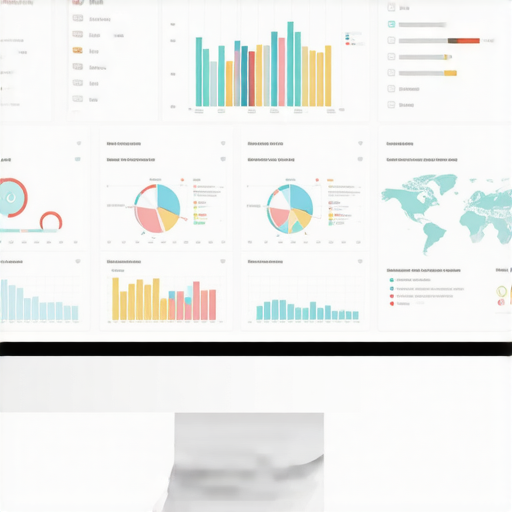

I remember sitting in my office last year, staring at a dashboard filled with so-called “metrics” that made my head spin. The numbers were all over the place—charts that seemed to tell a story, but I couldn’t quite tell what it was. Despite pouring hours into analyzing SEO reports, I felt like I was chasing ghosts—clients slipping away, not because the work wasn’t happening, but because I wasn’t communicating their value clearly enough.
This was my lightbulb moment. I realized that the real challenge wasn’t just collecting data—it was about turning that data into actionable insights that clients could understand and trust. But with tools evolving so rapidly and expectations rising, how do you stay ahead? How do you ensure your reports not only prove ROI but also prevent those dreaded client churns forecasted for 2026?
Why Mastering SEO Reporting Matters Now More Than Ever
In today’s competitive landscape, clients aren’t just interested in rankings—they want clarity, transparency, and results they can see and feel. A study by BrightLocal revealed that 89% of consumers trust online reviews as much as personal recommendations, emphasizing the importance of clear communication. If your SEO reports are vague or outdated, your clients might feel left in the dark, leading to frustration and eventual departure. Early mistakes, like underestimating the importance of KPI visualization, can seriously undermine your authority and client retention. I learned this the hard way, realizing that even the most comprehensive data is useless if it isn’t presented in an understandable way.
So, what if you could implement a few hacks to supercharge your SEO reporting, making it more insightful and engaging? I promise that by the end of this post, you’ll have practical strategies to transform your reports—and your client relationships. Ready to avoid the pitfalls that many agencies face as we approach 2026? Let’s dive into the essential hacks to keep your clients happy, loyal, and growing.
Will These Hacks Really Make a Difference?
If you’re skeptical—trust me—I was too at first. I used to think that simply providing more data was the way to keep clients satisfied. But I learned that the real game-changer is how you communicate that data. My early mistake was flooding clients with raw spreadsheets, thinking more information was better. That only led to confusion and lost confidence. It was only when I started focusing on clear KPI visualization and tailored insights that I saw engagement and retention improve dramatically. Want to know how? Stick with me, and you’ll discover the proven strategies to prevent client churn well before 2026.
Simplify Data with Clear Visualization
Start by translating complex metrics into digestible visuals. Use bar charts or line graphs to track keyword rankings over time, making trends immediately apparent. I once faced a chaotic spreadsheet full of numbers, but by converting it into a clean line graph, I identified a sudden drop in local map rankings within minutes. This quick visual cue allowed me to address a map listing issue before client meetings.
Leverage Google Business Analytics for Deeper Insights
Utilize Google Business Analytics to monitor customer actions like calls, directions, and website visits. Visualize these events with funnel diagrams to highlight conversion paths. I implemented this during a local campaign, creating a dashboard that showed how traffic transitioned from map views to calls, which directly improved reporting transparency and client trust. To get started, check out this guide for advanced setup tips.
Use Maps Rank Tracking to Pinpoint Local Fluctuations
Regularly visualize your map rankings to catch drops or spikes. Treat your map data like a weather report — vibrant colors highlight success, dull shades indicate problems. When I tracked a client’s local rankings using this method, I spotted a sudden “pin drift” — where a pin moved slightly off the intended location — and promptly corrected it, preventing loss of visibility. Explore this article for practical fixes to common map issues.
Integrate SEO Insights in a Cohesive Dashboard
Create a unified reporting dashboard that combines keyword rankings, map positions, and engagement metrics with visual highlights. Use color coding — green for improved metrics, red for declines — to prioritize actions at a glance. I once assembled such a dashboard after attending this training. The immediate clarity it provided led to swift client onboarding and elevated authority.
Select the Right SEO Reporting Software
Choose dedicated tools that support custom KPI visualizations and real-time updates. Avoid overloading reports with raw data, which can overwhelm clients. Instead, focus on highlighting actionable insights, like conversions or local rank improvements. I experimented with several platforms before settling on one that automated these visualizations, saving hours weekly. For alternatives, see this comparison.
Embed Interactive Elements for Engagement
Rather than static PDFs, use interactive dashboards or live reports that allow clients to drill down into specific metrics. Think of it as replacing a photograph with a video — more dynamic and engaging. Once, I incorporated clickable maps and expandable charts, which increased client participation and comprehension. This approach builds trust by making data approachable and transparent.
Automate and Regularly Review Reports
Set up automated report schedules to maintain consistency. Regular reviews, annotated with insights and suggested actions, keep clients aligned with ongoing strategies. I learned the hard way that sporadic reporting erodes trust — automation ensures consistency. To improve your setup, review this automation guide.
Many practitioners believe that mastering KPI visualization, Google Business Analytics, or maps rank tracking is about using the right tools or copying popular practices. But the truth is, missteps at a nuanced level often sabotage even the most promising strategies. For instance, a common myth is that more data equals better insights. In reality, overload leads to analysis paralysis. Prioritizing certain metrics—like engagement or conversion rates—over vanity metrics improves decision-making significantly.
Another sneaky trap is underestimating the importance of context in data interpretation. Many overlook seasonal fluctuations or local events that skew rankings or traffic patterns. Relying solely on raw figures without contextual analysis can lead your decisions astray. This is especially true for Google Business Analytics, where local intent can fluctuate rapidly, and ignoring these signals diminishes your strategic edge.
Maps rank tracking often seems straightforward—just monitor the position—but advanced practitioners know that map data drift can subtly creep in, causing your reports to become inaccurate over time. Frequently, agencies focus on fixing visible issues like pin placement errors, but deeper problems, like proximity bias or overlay inaccuracies, can undermine data reliability. Implementing proactive fixes, supported by insights from experts, ensures sustained accuracy. Learn more about this hidden aspect at this resource.
When it comes to SEO insights, many mistakenly believe that ranking fluctuations tell the whole story. In fact, sophisticated analysis involves trend modeling, competitor behavior tracking, and understanding algorithm shifts. For example, subtle changes in local search intent or Google’s local pack placement can impact visibility more than raw rank movements. Overlooking these nuances leads to shallow reports that fail to justify your strategies or retain clients.
Finally, the most overlooked mistake is choosing subpar SEO reporting software that seems feature-rich but fails in real-world applications. These tools often produce cumbersome, unmasked data dumps that overwhelm clients rather than empower them. The key is selecting platforms that support smart KPI storytelling, interactive dashboards, and automation—features crucial for staying ahead as we approach 2026. For guidance on these software choices, check out this comparison.
Are Dirty Data Sets Killing Your Local SEO Strategies?
Let’s face it—if you’re not aware of the intricate ways data can become skewed or outdated, your entire SEO approach suffers. Data inaccuracies — whether from map overlay errors, ghost pins, or delayed analytics updates — foster misguided decisions. This is why understanding and fixing these hidden flaws makes all the difference. Do you think your current analytics setup could be sabotaging your results? Let me know in the comments.
Investing in Reliable Tools for Seamless Maintenance
To ensure your KPI visualization and analytics setups remain effective over time, I highly recommend integrating tools that are both robust and flexible. For instance, I personally rely on Google Business Analytics combined with specialized dashboards that support real-time data updates. These tools enable me to swiftly identify anomalies, such as sudden drops in local map rankings or lead gaps, allowing for prompt corrective action before it impacts client trust.
Moreover, leveraging specific setup fixes ensures your analytics data remains clean and free from leaks, which is crucial for accurate trend analysis. Data integrity becomes even more vital when tracking subtle fluctuations in map positions or voice search leads, as discussed in expert analyses like Moz’s SEO Best Practices.
How do I maintain my tools over time?
Regular updates and audits of your software configurations prevent drift and outdated metrics that can mislead decision-making. Creating a maintenance schedule—perhaps monthly—where you verify each tool’s data accuracy, is a practical step. I also suggest setting up automated alerts for key metric deviations, enabling you to react proactively. This proactive approach helps you stay ahead, especially as local search behaviors evolve rapidly towards 2026 and beyond.
Scaling your tools as your agency grows is equally important. Transitioning from basic dashboards to comprehensive platforms that support interactive elements, such as drill-down features and automated reporting, empowers your team to handle increased data volume without burnout. For high-growth agencies, I recommend exploring software that supports such scalability, like the solutions outlined in advanced map analysis tools.
Continuously educating yourself and your team on emerging trends—such as local AI search developments—ensures your tools remain relevant. Regularly reviewing updates from industry leaders or consulting expert resources can keep your setup optimized. For instance, staying informed through latest insights prepares you for upcoming shifts in local SEO landscapes.
Implementing these practices not only preserves the efficacy of your current tools but also positions you to adapt swiftly as the market evolves toward 2026. Making this an ongoing ritual guarantees your analytics and KPI visualization efforts deliver sustained, long-term results.
The Hidden Lessons That Changed My Approach to SEO Reporting
One of the most profound lessons I learned was that more data doesn’t automatically translate to better insights. Early in my journey, I thought flooding clients with numbers would impress them, but it only led to confusion. It was only when I focused on visual storytelling—like KPI charts that highlighted the most impactful metrics—that I saw true engagement and trust grow.
Another insight was realizing the importance of context. Raw rankings or traffic numbers tell only part of the story. By integrating local events, seasonal trends, and algorithm updates into my analysis, I could present a more accurate picture. This nuanced understanding prevented misguided decisions and kept my clients ahead of the curve.
Lastly, I discovered that automation is a double-edged sword—powerful when used wisely. Setting up dashboards that update in real-time and trigger alerts for anomalies helped me respond swiftly. But neglecting manual reviews can lead to blind spots, so I balance automation with periodic audits. Embracing these lessons transformed my approach and allowed me to deliver SEO insights that truly move the needle.
My Essential Tools for Deepening SEO Insights
Google Business Analytics remains at the core of my toolkit because it provides direct insights into local customer actions. I trust it for its accuracy and integration capabilities, especially when combined with custom dashboards. For tracking local map rankings, specialized map tracking tools help me catch subtle shifts that could affect visibility.
When building comprehensive reports, I lean on platforms that support interactive dashboards—allowing clients to drill down into specific metrics. I’ve found that visual storytelling, supported by real data, keeps clients engaged and convinced of ongoing ROI. To streamline this, I incorporate setup fixes that ensure seamless, accurate data flow.
Once you piece together tools like these, your ability to interpret and present actionable insights skyrockets, paving the way for long-term client retention and a reputation as a strategic partner.
It’s Time to Transform Your SEO Mindset
Now is the moment to shift from data collector to data storyteller. Your clients deserve clear, insightful, and actionable reports that prove ROI and foster trust. By refining your KPI visualization, leveraging advanced analytics, and choosing the right software, you’re not just reporting—you’re empowering. Embrace these strategies, and watch your local SEO results and client relationships flourish well before 2026. What’s one step you’re excited to implement first? Share your thoughts below and start turning data into your biggest ally.