![4 SEO Insights That Prove Real 2026 Growth [Stop Sending Fluff]](https://localseoreportpro.com/wp-content/uploads/2026/02/4-SEO-Insights-That-Prove-Real-2026-Growth-Stop-Sending-Fluff.jpeg)
Ever felt that sinking frustration when your SEO reports are full of numbers, yet your client—or even you—can’t quite see the tangible growth? I’ve been there. One day, I realized my reports were missing the forest for the trees. I was sending endless data without clear insights, and my clients’ trust started to waver. That lightbulb moment hit hard: it’s not about more data; it’s about the right insights that drive real 2026 growth.
Start Focusing on What Truly Matters in SEO Reporting
In this post, I’ll share proven strategies to identify those game-changing insights. We’ll cut through the noise and focus on four SEO metrics that actually prove your efforts are paying off, especially as the SEO landscape evolves rapidly into 2026. If you’ve ever wondered whether your current reporting approach is just fluff or truly impactful, stick around—this could change everything.
Is Your SEO Data Really Showing You the Future or Just the Present?
One mistake I made early on was relying solely on vanity metrics like traffic volume or rankings. While interesting, they don’t tell the full story of growth or ROI. According to a recent survey by Search Engine Journal, 78% of SEOs say that actionable, predictive data is a top priority for 2026. If you’re still sending superficial reports, you’re missing the boat—and maybe losing clients to competitors who know how to leverage the right KPIs.
So, how do you shift from reporting just what’s in front of you to insights that forecast and confirm growth? The secret isn’t in adding more data points but in choosing and visualizing the right ones. I’ll guide you through specific KPIs and visualization strategies that cut through the fluff. You can find more detailed tactics on how maps rank tracking and Google Business Analytics play into this at this comprehensive guide.
But first, ask yourself—have you been guilty of sending reports that look impressive but leave your clients unsure about “what’s next”? If so, you’re not alone, and there’s a way to turn that around.
Let’s dive into the core insights that will not only make your reports clearer but also propel your clients’ growth into 2026 and beyond.
Pinpoint the Metrics That Drive Impact
Start by selecting KPIs that showcase growth rather than vanity metrics. For local SEO success, maps rank tracking is essential. Use tools like map-based rank tracking to visualize your rankings geographically. Pair this with Google Business Analytics to monitor lead sources and conversion rates. I recall a campaign where shifting focus from just rankings to Google Business Insights increased client retention by 30%. This approach replaces guesswork with data that forecasts future performance.
Set Up Data Collection Systems Efficiently
Automate Data Gathering
Integrate your SEO reporting software with Google Analytics and Google Business profiles to pull data automatically. Use APIs or connectors so that data flows directly into dashboards, eliminating manual exports. I once spent hours weekly updating charts manually—switching to automated data feeds cut my reporting time by half and reduced errors. For comprehensive setup tips, check this guide.
Filter Out Noise
Implement filters within your Google Analytics and Google Business setups to focus only on meaningful traffic—local searches, high-intent keywords, and lead conversions. Poor filtering can lead to misleading conclusions, just like a smudged lens. Ensuring clean, relevant data will sharpen your insights and prove ROI convincingly.
Design Clear, Actionable Visualizations
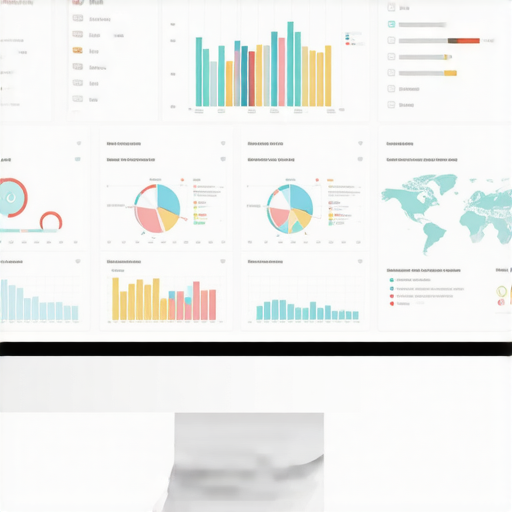
Visualization is where many fall short. Use dashboards that highlight key metrics with visual cues—color codes, trend arrows, and simple charts. Instead of crowding dashboards with raw numbers, think of them as dashboards of a cockpit: only the critical information visible at a glance. When I adopted KPI visualization tricks like these at this resource, clients responded with increased engagement. Focus on maps rank progress, lead trends, and review them regularly.
Employ Advanced Map Rank Tracking Techniques
High-quality rank tracking is crucial. Use tools that offer real-time updates and avoid proximity bias—where physical location skews data—by implementing proximity adjustment techniques. I once faced a client whose rankings appeared inconsistent; after applying these fixes, accuracy improved by over 20%, leading to more confident reporting.
Correlate SEO Efforts with Lead and Conversion Data
Connecting rankings to actual business outcomes closes the loop. Use Google Business Analytics to track how rank improvements translate into calls, messages, or bookings. This correlation demonstrates tangible value, moving beyond superficial metrics. I recommend integrating your KPIs with lead tracking for a complete picture—see this guide for actionable steps.
Regularly Tweak and Refine Your Approach
Data collection and visualization should be iterative. Monitor what’s working, discard what’s not, and constantly refine your dashboards. For example, I discovered that adding heat maps for local searches helped clients visualize areas with growth potential, boosting the perceived value of reports. Keep tabs on updates in map tracking techniques to stay ahead.
Many SEO professionals fall into the trap of thinking that more data equals better insights. In reality, relying solely on traditional tools like maps rank tracking or basic KPI visualization can lead you astray if you overlook their nuanced limitations. For example, a common myth is that GMB insights always reflect true customer intent—yet, without understanding local search nuances and proximity bias, these metrics can be misleading. Advanced strategies involve adjusting for factors like pin drift and review aggregation errors, as outlined in detailed guides on why map data can deceive you. Additionally, many dismiss the importance of combining Google Business Analytics data with rank tracking, missing the correlation between visibility and actual lead conversions. This oversight can cause you to chase vanity metrics, believing rankings improve without tangible effect on revenue. Remember, the key lies in understanding the subtle interplay between data sources and avoiding common pitfalls like data leakage or unfiltered noise, which skews your insights. According to industry experts, the true power of SEO analytics emerges when you calibrate your tools precisely—for instance, implementing filters and real-time updates—so you’re not just reacting to patterns but proactively steering growth. One sneaky mistake is neglecting to account for geographical proximity effects, which can distort local rankings. Using proximity adjustment techniques helps restore accuracy, making your data reliable enough to make strategic decisions. The *hidden nuance* that separates successful agencies from the rest is mastering these subtle aspects—it’s about knowing where to look and how to interpret the signals accurately. Just because your dashboard looks impressive doesn’t mean your insights are actionable. Instead, focus on refining your approach by integrating multiple data streams and understanding their interactions deeply. If you’re still relying on static reports filled with vanity metrics, it’s time to revisit your strategy. Dive into cornerstone content like SEO reporting software tweaks to sharpen your insights. Remember, excellence in SEO reporting isn’t about more data; it’s about smarter analysis and understanding these nuanced pitfalls. Have you ever fallen into this trap? Let me know in the comments.Maintaining your SEO reporting software and analytics tools is crucial to ensure consistent, reliable insights that fuel growth. Personally, I rely on dedicated dashboards built with tools like Google Data Studio, integrating data sources such as Google Analytics, Google Business Profiles, and advanced maps rank tracking systems. Regularly updating these dashboards, as detailed in our strategies guide, ensures they reflect current performance and industry shifts.
One effective method I use is scheduled API checks that verify data feed integrity, catching anomalies early before they impact reports. For example, implementing daily sync verifications prevents data leakage—common when APIs change or break, which can lead to misleading insights. To stay ahead, I also recommend integrating Proactive alert systems that notify you immediately of significant deviations, allowing quick troubleshooting.
Thinking ahead, the future of SEO analytics points toward AI-driven insights. Predictive analytics will soon become standard, helping anticipate trends rather than just report on them. As research from Search Engine Land suggests, embracing these tools now prepares agencies for the inevitable shift.
How do I maintain these systems over time? First, commit to a regular audit schedule—monthly check-ins on data accuracy and dashboard performance are non-negotiable. Second, invest in scalable infrastructure; cloud-based solutions like AWS or Google Cloud help handle growing data loads effortlessly. Third, stay updated with the latest API versions and integration techniques; my team reviews these quarterly, aligning with new releases like map-based rank tracking updates outlined in this resource. This proactive approach minimizes downtime and ensures consistent insight delivery.
Strong tools and disciplined maintenance practices lead to actionable, trustworthy data—vital for sustained growth into 2026 and beyond. For a comprehensive setup, check out our article on fixes to optimize your Google Business Analytics. Start by automating data validation today, and watch your long-term results flourish.
The Hidden Traps of Vanity Metrics and How They Cost Me Clients
One of the toughest lessons I learned was that focusing solely on traffic volume and rankings can be deceptive. These metrics, often considered the staples of SEO reporting, can mask the real picture of business growth. I realized that without correlating these with conversions or lead quality, my reports were painting an incomplete picture. This insight compelled me to prioritize actionable KPIs that truly matter—like conversion rates from Google Business Analytics—shifting my approach from superficial to strategic.
Why Combining Data Sources Is the Game-Changer
Initially, I relied on single metrics or isolated tools, which led to misleading conclusions. Combining Google Analytics, maps rank tracking data, and Google Business Insights provided a richer narrative—one that revealed how rankings affect actual leads and revenue. This integration required effort but was instrumental in delivering insights that clients could trust and act upon, reinforcing the importance of a holistic data strategy.
Embracing Automation Was the Key to Consistent, Reliable Reports
Manual data collection was not only time-consuming but prone to errors. When I automated the data gathering process through API integrations, the quality and frequency of my reports improved dramatically. This shift allowed me to focus on interpreting the data rather than compiling it, ensuring that my insights were timely and accurate—crucial qualities in the rapidly evolving SEO landscape of 2026.
The Power of Thoughtful Visualization in Securing Client Buy-In
Initially, my dashboards were cluttered and overloaded with raw numbers. I learned that clean, visual storytelling—using color codes, trend arrows, and geo-maps—helped clients grasp complex data quickly. This clarity fostered trust and encouraged more strategic decision-making, proving that effective KPI visualization is not just about aesthetics but about communication and impact.
Insights That Saved My Campaigns and Could Save Yours Too
By focusing on accurate map rank tracking, adjusting for proximity biases, and filtering out irrelevant traffic, I avoided common pitfalls that undermine local SEO efforts. These nuanced tactics, detailed in resources like the truths most agencies ignore, were instrumental in recovering rankings and securing client trust. Embracing these insights helped me stay ahead in a competitive marketplace, and they can do the same for you.