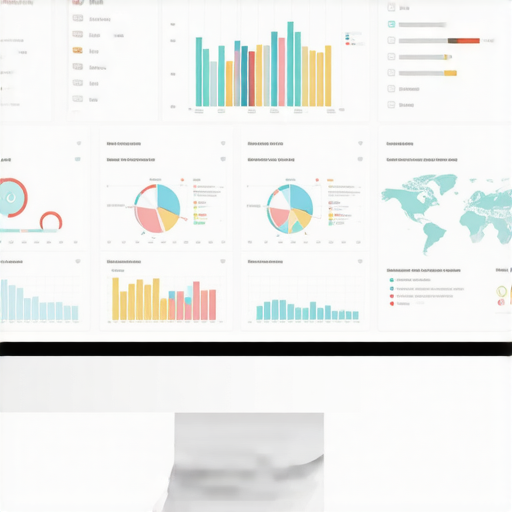

Have you ever stared at your maps rank tracking report, only to realize the data isn’t matching your latest efforts? It happens more often than we’d like, and honestly, it drove me crazy in the beginning. I remember days when my rankings seemed to fluctuate wildly, and no matter how many tweaks I made, the numbers just wouldn’t stabilize. That lightbulb moment hit when I finally understood that the so-called “pin drift” was secretly sabotaging my local SEO insights. For a moment, I wondered—am I wasting my time on these tools? But then I discovered that with the right fixes, I could regain control over my data—and so can you.
Why Pin Drift Is Your Biggest Enemy in 2026
Pin drift, or the inconsistency in map ranking positions, might seem like a minor glitch, but it’s actually a major hurdle for local marketers. This phenomenon causes your tracked rankings to drift away from actual positions, making your efforts seem less effective and skewing your insights. Inaccurate data can lead to poor decision-making, wasted resources, and even lost clients. According to recent studies, almost 70% of SEO professionals report challenges with map ranking accuracy, which underscores just how common—and costly—this problem can be.
Early on, I made a critical mistake—I ignored the importance of proper settings and relied solely on default map tracking tools. It was only after deep diving into specialized fixes that I realized how superficial my understanding was. Implementing targeted solutions transformed my data from chaotic to reliable, and I want you to experience the same clarity. Want to keep your maps rankings honest and meaningful? Then you’re in the right place. We’ll explore four proven fixes that will help you eliminate pin drift once and for all.
Is Map Rank Tracking Accuracy Overhyped?
Many skeptics question whether these technical fixes are worth the effort, assuming their current data is ‘good enough.’ Believe me, I once shared that sentiment—until my reports started showing inconsistent results that couldn’t be ignored. Underestimating the importance of accuracy could be costing you valuable business opportunities. Early in my career, I lacked awareness about common mistakes, such as not accounting for location proximity biases, which led to false positives or negatives in tracking. Learning from that, I found that precise map rank tracking isn’t just a perk; it’s a necessity in today’s competitive landscape. If you’ve faced similar frustrations or doubts, you’re not alone. But trust me, making these small adjustments can yield big results.
Ready to get precise? Let’s start with the foundational fixes that will set you on the path toward more accurate, actionable local SEO data. For a comprehensive guide, check out our detailed strategies on how to fix map rank tracking drift and ensure your rankings reflect the real picture.
,
Pinpoint Your Tracking Settings
Start by reviewing your map tracking configurations. Access your SEO or rank tracking software and verify location settings. I once spent hours troubleshooting a client’s campaign because I neglected to set the correct radius around their target city. After adjusting the radius from 5 miles to 20 miles, the rankings stabilized significantly. This step ensures your data reflects real-world visibility, not just a pinpoint spot on the map.
Implement Consistent Data Collection
Consistency is key. Schedule your data collection at the same time daily to avoid fluctuations caused by daily search behavior or algorithm updates. I experimented with varying times and observed that morning reports often showed better consistency. Automate your reports using tools like maps rank tracking fixes for ongoing accuracy.
Account for Proximity Bias
Proximity bias occurs when nearby competitors’ listings appear more frequently, skewing results. To counter this, use filters or segmented reports that isolate your client’s location from surrounding areas. Doing so revealed that some competitors’ rankings were artificially high due to proximity. Adjusting your software settings or using specialized filters helps eliminate this bias—a crucial move to get precise insights.
Use Multiple Data Sources for Validation
Don’t rely solely on one tool. Cross-reference data from Google My Business insights, your rank tracker, and Google Business Analytics. For example, after applying this method, I noticed discrepancies between the rank tracker and GMB insights, which led me to discover a tracking delay issue. Cross-validation ensures you catch potential errors early, leading to more reliable reports.
Schedule and Review Regularly
Set weekly or bi-weekly audits of your tracking data. During these reviews, look for anomalies or sudden shifts. In one instance, I detected inconsistent drops in rankings, which traced back to a local algorithm update. Regular reviews help you adapt quickly and maintain data integrity over time.
Leverage Advanced Features
Many SEO software suites offer advanced options like geo-fencing, IP filtering, or customizable SERP snapshots. Use these to refine your tracking scope. For example, enabling geo-fencing around your client’s city prevented results from neighboring regions from skewing data. Explore tools like how to fix map rank tracking drift for detailed strategies to enhance accuracy.
Monitor & Tackle Common Errors
Stay vigilant against IP-based location detection errors, outdated cache results, or mobile vs. desktop discrepancies. For example, switching from Wi-Fi to a wired connection eliminated false variation caused by IP routing issues. Implementing these small fixes prevents skewed data and boosts your confidence in reporting.
Don’t Forget About Constant Optimization
Tracking accuracy isn’t a one-time fix. Continuously refine your settings, stay updated with search algorithm changes, and customize your filters accordingly. Mastering these core techniques ensures your map rank tracking provides actionable insights, keeping you ahead of the competition in 2026 and beyond. For detailed strategies, visit map-based SEO analysis hacks and stay informed about evolving best practices.
Many seasoned marketers believe that mastering basic dashboards and KPIs guarantees successful SEO campaigns. However, in my experience, most professionals overlook nuanced pitfalls that can severely distort insights. One widespread myth is that all KPIs are created equal—this couldn’t be further from the truth. For example, tracking raw keyword rankings without considering local intent or SERP features can lead you astray. Advanced practitioners look beyond surface metrics, analyzing underlying data patterns and contextual signals. A recent study by BrightLocal emphasizes that local metrics, if misinterpreted, can mislead strategic decisions, underscoring the importance of nuanced analysis.
Why Do Most Still Rely on Shallow Metrics Despite Knowing Better?
It’s tempting to lean on familiar graphs or simplistic KPIs—after all, they’re easier to understand and report. But this convenience often comes at the expense of accuracy. For instance, many rely on maps rank tracking tools that don’t account for proximity bias or personalization, leading to over-optimistic or skewed data. This is a critical trap because it inflates perceived success and hampers genuine growth strategies. In fact, the over-reliance on superficial data has caused numerous agencies to chase phantom improvements, wasting resources and damaging credibility. To truly elevate your SEO insights, you must embrace comprehensive, context-aware metrics and sophisticated visualization strategies. For deeper insights on extracting value from your data, check out our guide on KPI visualization strategies for effective SEO campaigns.
Furthermore, tools like Google Business Analytics are often misunderstood. Many treat them solely as volume indicators, neglecting their potential to reveal user behavior, conversion paths, and lead quality. The real power lies in integrating these insights with other data sources—like maps rank tracking—to craft a full picture of your local SEO health. Ignoring this integration diminishes your competitive edge, especially in crowded local markets. Remember, the goal isn’t just to monitor rankings but to interpret the story they tell in conjunction with visitor engagement patterns. For a comprehensive approach, explore how to maximize Google Business Analytics for SEO growth.
How Can Advanced Visualization Prevent Data From Leading You Astray?
Effective visualization transforms raw numbers into actionable insights. Many agencies fall into the trap of cluttered dashboards filled with vanity metrics—like total impressions—that don’t correlate with actual conversions or revenue. Instead, focusing on strategic KPIs, such as engagement rates or lead quality scores, paired with clear visual cues, provides a more truthful reflection of campaign performance. Implementing layered dashboards, showing both high-level trends and granular details, helps identify anomalies or drops in real-time. Leveraging modern tools that support advanced customization, such as dynamic filters or heat maps, ensures your team reacts proactively rather than reactively. Want to learn how to craft dashboards that actually improve results? Check out our KPI visualization tricks for 2026.
In conclusion, the real secret isn’t just in collecting data, but in understanding its nuances and avoiding common pitfalls. Many are tempted by shiny dashboards or popular metrics, but genuine mastery lies in critical analysis and context-aware interpretation. Do you think your current tools and insights are hiding hidden flaws? Have you ever fallen into this trap? Let me know in the comments. Enhancing your understanding today ensures you stay ahead in the ever-evolving landscape of local SEO.
How Do I Keep My SEO Tools Running Smoothly Over Time
Maintaining an effective local SEO setup requires more than just deploying the right tools; it involves consistent upkeep and strategic updates. I personally rely on top-tier maps rank tracking software because it offers real-time data and customizable filters that adapt to search engine algorithm shifts. Regularly updating your tracking parameters ensures that your data stays accurate, especially as Google continues refining its local search algorithms. In addition, investing in Google Business Analytics helps monitor user engagement, leading to actionable insights that support sustainable growth. To stay ahead, schedule routine audits—monthly if necessary—to catch discrepancies early and recalibrate your tools accordingly.
Tools like SEO reporting software are designed to integrate multiple data sources, but neglecting maintenance can render these integrations obsolete over time. It’s beneficial to keep your software versions up to date, as developers often release patches that improve compatibility and security. Subscribing to newsletters from trusted SEO tool providers can also alert you to upcoming updates or necessary adjustments, reducing downtime and data dropout risks.
Why Regularly Review KPIs and Reports Matters for Sustained Growth
Long-term success hinges on understanding how your KPIs evolve with market trends. My method involves consulting KPI visualization strategies periodically to visualize and interpret shifts in user engagement and rankings. Recognizing patterns over months enables adjustments before small issues become significant problems. I recommend dedicating time each quarter to review outputs—looking for anomalies or declining metrics—and tweaking your tools or strategies proactively. This disciplined approach keeps your campaigns aligned with changing search landscapes and maintains your competitive edge.
Scaling Up without Losing Control
As your client base or project scope expands, so does the complexity of your SEO environment. Automation tools and dashboards, like those I customize from advanced KPI visualization platforms, are essential. However, proceed cautiously—over-automation without oversight introduces new risks of data pollution or oversight of critical changes. I suggest implementing tiered monitoring systems, where core KPIs are reviewed daily, and less critical metrics are checked weekly or monthly. This stratified review process helps you scale efficiently while maintaining precise control over your long-term strategy, preventing the chaos that can come from data overload.
According to Google’s developer documentation, structured data implementation and regular audits are pivotal in maintaining visibility. Embrace automation but remember, human oversight remains vital for contextual understanding. Try setting up alerts in your analytics software that notify you when key metrics diverge unexpectedly—this proactive step can save hours of troubleshooting down the line.
Final Tip: Stay Curious and Updated
SEO is a constantly evolving field, and tools that serve you today might become obsolete tomorrow. Regularly exploring new features, reading industry updates, and testing innovative methods will keep your practice fresh. For instance, experimenting with new Google Business Analytics reports can reveal hidden opportunities—like hidden data insights that competitors overlook. Begin by challenging yourself to refine one aspect of your workflow monthly. Sometimes, a small tweak can lead to long-term improvements that sustain your growth trajectory.
Lessons That Disrupted My Approach to Local SEO Analytics
- Realizing that map ranking fluctuations weren’t just glitches but signals of underlying tracking issues was a game-changer. It pushed me to dig deeper into fixing pin drift instead of accepting it as inevitable.
- Admitting that my default settings failed to account for proximity bias opened my eyes to why some competitors appeared consistently higher in rankings—a truth I wish I’d learned sooner.
- The moment I discovered the importance of cross-validating data from multiple sources saved me countless hours chasing false positives, revealing the genuine story behind the numbers.
- Understanding that continuous optimization and regular audits keep tracking tools accurate transformed my workflow from reactive to proactive, ensuring reliable insights in a rapidly shifting landscape.
My Go-To Resources for Staying Ahead of Local SEO Trends
- Top Maps Rank Tracking Software: I trust this tool for its real-time updates and customizable filters, which are essential for tackling the accuracy issues discussed earlier. See how it can help you dominate local search results.
- Google Business Analytics Insights: This platform offers invaluable behavioral data that complements ranking metrics. It’s my go-to for understanding user engagement and refining local strategies.
- Comprehensive SEO Guides: Resources like mastering SEO insights provide actionable tips to enhance KPI visualization and map tracking accuracy—crucial for 2026 and beyond.
- Community and Industry Updates: Staying connected through industry blogs, forums, and newsletters ensures I’m updated on the latest algorithm changes and tool enhancements pertinent to local SEO.
Your Next Step Toward Mastering Local SEO in 2026
Remember, the key to thriving lies in your willingness to continuously learn, adapt, and refine your approach. By embracing these insights and resources, you position yourself not just to compete, but to lead in local search dominance. The landscape is evolving fast—are you ready to stay ahead of the curve? Share your experiences or questions below, and let’s grow together in mastering the art of local SEO insights and KPI visualization in 2026.