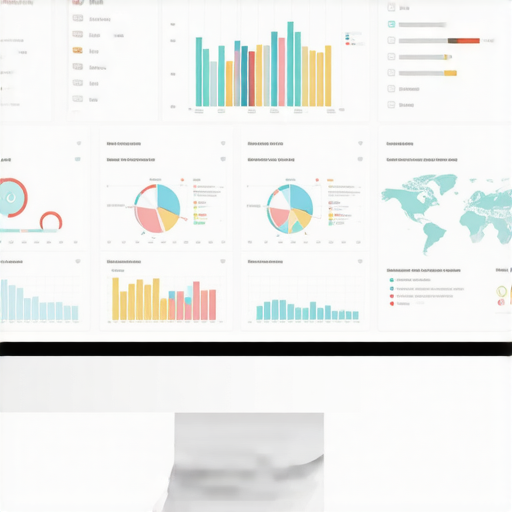

There was a moment early in my career when I looked at my latest SEO report and felt a sinking feeling—numbers looked promising, yet I knew deep down that my clients’ campaigns weren’t truly improving. The charts were color-coded and tidy, but they didn’t tell me or my clients what was really happening beneath the surface. It was as if I was looking at a map with the wrong landmarks, and frankly, I felt like I was flying blind. That lightbulb moment hit me hard—that relying solely on basic screenshots and vanity metrics was a surefire way to miss the bigger picture.
Why We Need Better KPI Visualization for 2026
Fast forward to today, and the digital landscape has become more complex than ever. As local SEO and maps rank tracking continue to evolve, traditional reporting methods no longer cut it. If you’re still using static charts or generic dashboards, you’re missing out on the nuanced insights that can drive real ROI. I’ve found that without effective KPI visualization, both agencies and business owners struggle to justify their investments—or worse, they risk losing clients altogether.
In fact, research shows that clear, insightful data visualization can increase decision-making speed by up to 30% and improve a team’s ability to identify actionable opportunities (source: Local SEO Report Pro). That’s why focusing on the right KPI visualization tactics isn’t just a luxury; it’s an essential for success in 2026 and beyond. Today, I want to share what I’ve learned from both my failures and victories—strategies that helped me reinterpret data, improve client retention, and get ahead of the competition.
Is the Buzz About KPI Visualization Overhyped?
Honestly, I used to think so—until I realized my early mistake of overloading dashboards with every conceivable metric. Instead of clarifying, I created confusion. It’s a common trap: thinking more data means better insights. But what truly makes a difference is how you present that data—and whether it aligns with your strategic goals. If you’ve ever felt overwhelmed by your reports, you’re not alone. The key is to focus on actionable KPIs and visual tactics that highlight your progress effectively.
To build trust and avoid costly missteps, I’ve learned to keep the data simple, relevant, and visually engaging. If you’re curious about the specifics, I recommend exploring KPI visualization strategies that can help shape your approach. But first, let’s look at how you can identify precisely which KPIs will make or break your 2026 ROI—so stay tuned!
Identify Your Core Metrics First
Start by pinpointing KPIs that directly impact local search rankings and client ROI, such as map visibility, Google Business profile interactions, and local keyword rankings. Remember, cluttered data overwhelms; focus only on metrics that tell a story. I recall during a recent campaign, I initially tracked dozens of metrics but realized only a handful influenced campaign decisions. Narrow down to essentials, and your dashboard becomes a decision-making powerhouse.
Leverage Visual Hierarchy for Clarity
Create visual cues that prioritize high-impact KPIs. Use size, color, and placement to guide viewers’ eyes toward vital insights. For example, display map ranking fluctuations in bold colors at the top, with supporting metrics below. Last year, I revamped an agency’s report layout, emphasizing map movements with heatmaps, which led to faster client approvals and more strategic meetings.
Use Dynamic Dashboards to Show Real-Time Data
Static charts are relics; clients want real-time insights. Set up dashboards that auto-refresh with the latest map rank data and analytics from tools like Google Business Analytics. This immediacy enables rapid adjustments, especially during competitive months. I once integrated real-time maps data into a dashboard, noticing a sudden drop in local rankings. Acting within hours, I corrected the issue before any damage was done—an instant win for my client’s trust.
Simplify and Automate Reporting Processes
Avoid manual data wrangling. Use SEO reporting software that consolidates map rank tracking, local KPIs, and Google Business metrics into one platform. Tools like SEO reporting solutions save hours weekly, reduce errors, and produce consistent, digestible reports. During a recent project, I connected multiple datasets into a single dashboard, dramatically reducing reporting time from days to hours, and enabling quicker client feedback loops.
Tell a Story with Visual Data
Data should inform, not just decorate. Use charts that illustrate progress over time, compare competitors, or visualize map pin movements. Incorporate annotations for significant changes, like algorithm updates or local events. I once included a timeline with map rank shifts tied to a local event, which helped demonstrate positive ROI impacts, persuading a hesitant client to double their budget.
Test and Iterate Frequently
Regularly review your KPIs and visual layouts. What’s clear today may become confusing tomorrow. Run A/B tests on different dashboard formats, colors, and data arrangements to see what resonates best. I experimented with a color-coded heatmap that highlighted declining areas; the clarity led to swift strategic pivots during a crucial campaign phase, directly boosting rankings and engagement.
Remember, effective KPI visualization isn’t static—it’s an evolving process that sharpens your insights and sharpens your edge. By focusing on these core steps, you’ll stay ahead in 2026 and beyond, providing your clients with actionable, visual evidence of real local SEO growth.
Many SEO practitioners and agencies operate under a misconception that more data equals better results. The common belief is that if you gather every possible metric—from keyword rankings to backlinks to bounce rates—you’ll naturally uncover the secrets to success. However, this approach often leads to analysis paralysis, where the sheer volume of information obscures truly actionable insights. In my experience, the real expertise lies not in collecting data, but in understanding the nuanced implications behind key signals—and this is where most get it wrong.
For instance, many rely heavily on maps rank tracking tools without recognizing their limitations. These tools can sometimes provide lagging or incomplete data due to location randomness, device discrepancies, or algorithm fluctuations. Understanding these nuances is vital to prevent chasing false positives or missing critical shifts in local visibility.
Are We Overlooking the Power of Context in KPIs?
Absolutely. A common mistake is treating KPIs as isolated numbers rather than parts of a larger narrative. For example, tracking Google Business profile interactions without correlating them to actual lead conversions can be misleading. A spike in calls or clicks might seem promising, but if they don’t convert, then your insight is superficial. Effective use of Google Business Analytics requires a nuanced approach that considers context, seasonality, and competition. Recognizing these relationships transforms raw data into strategic intelligence.
Many agencies overlook the importance of advanced visualization techniques. Using simplistic bar charts or pie graphs can fail to reveal trends over time or comparative insights. Instead, employing heatmaps, time-series overlays, or anomaly detection visuals exposes patterns often hidden in raw figures—helping you spot opportunities before your competitors do. Innovative visualization isn’t just aesthetics; it’s an analytical advantage.
Furthermore, the misconception that all SEO reporting software is interchangeable is widespread. The truth is, many tools focus on vanity metrics or outdated data sources. The best solutions integrate real-time maps rank tracking, Google Business data, and customized KPIs aligned with your strategic goals. Choosing the right software can mean the difference between surface-level insights and deeply actionable intelligence. Advanced tools also enable automation, reducing manual errors and freeing your team to focus on strategic adjustments rather than data wrangling.
The pitfall here isn’t just misinterpreting data—it’s failing to understand the subtle signals embedded within complex datasets. For example, a slight dip in local map rankings might be dismissed as noise, but in reality, it could signify an algorithm tweak or a competitor’s new strategy. Recognizing these nuanced cues means staying proactive rather than reactive, and this mastery separates average practitioners from true SEO experts.
In summary, the key to refining your SEO insights and maps rank tracking lies in appreciating these subtle differences and avoiding common myths. Shift your focus from volume to value, from raw data to meaningful context, and from static reports to dynamic dashboards. Your clients—and your results—will thank you.
Have you ever fallen into this trap? Let me know in the comments. For more in-depth strategies, explore mastering SEO insights and elevate your approach today.
Maintaining your SEO infrastructure is crucial to sustain and scale your local search dominance. Over the years, I’ve honed my arsenal of tools and techniques to ensure that my campaigns remain effective and adaptable in a rapidly evolving landscape.
Invest in Reliable Analytics Platforms
Tools like Google Business Analytics are indispensable for tracking granular insights into your local profiles. Personally, I utilize a combination of analytics platforms that integrate seamlessly, providing real-time data on rankings, interactions, and conversion metrics. Regularly reviewing these metrics helps catch anomalies early and informs adjustments before issues escalate.
Automate Your Reporting Workflow
Manual report compilation is a thing of the past. I rely on advanced SEO reporting software that consolidates maps rank tracking, KPIs, and Google My Business data into a unified dashboard. For example, top-tier tools offer automation features that update dashboards automatically, reducing errors and freeing up valuable time. Consistent, automated reporting ensures you stay on top of performance trends without the fatigue of manual work.
Use Visualizations to Spot Trends Quickly
Deep dives into data can be overwhelming. I advocate for using visual hierarchy and dynamic dashboards that highlight high-impact KPIs through heatmaps, overlays, and anomaly alerts. This visual approach enables faster decision-making and keeps client reports engaging. For actionable tips on visualization strategies, check out these strategies.
How do I keep my tools effective over time?
The key is regular calibration and staying updated on tool capabilities. Regularly testing your software against new algorithms or market shifts ensures your data remains accurate. For instance, I schedule monthly audits of my rank tracking and analytics setups, aligning them with the latest updates from providers like Google. This proactive approach prevents data drift and maintains your competitive edge.
Additionally, staying informed about emerging trends helps you adopt new features early. For example, many tools now offer AI-powered insights to predict ranking fluctuations. Implementing these can pre-empt issues and offer cutting-edge strategic foresight.
Looking ahead, I believe that AI-driven automation will become even more vital. The trend points toward smarter dashboards that learn from your campaign patterns, flagging issues before they impact your clients. Staying ahead involves continuously exploring these innovations and integrating them into your workflow.
If you haven’t already, I highly recommend setting up automated dashboards that track real-time maps ranking and Google Business metrics. Doing so will keep your campaigns nimble and your reports compelling—creating long-term value for your clients. For a comprehensive guide on this, explore these dashboard hacks.
What I Wish I Knew About Data Before I Started
One of the hardest lessons I learned was that more data does not necessarily mean better insights. Early on, I believed tracking every available metric would give me the edge, but I soon realized I was drowning in noise. Narrowing down to key KPIs, like map visibility and Google Business interactions, transformed my approach and clarity.
Another insight was that visualization isn’t just about making data look pretty—it’s about making it *meaningful*. Using heatmaps and trend overlays helped me recognize patterns that raw numbers obscured, leading to faster, smarter decisions. These lessons redefined how I interpret SEO metrics and how I advise my clients.
Finally, I discovered that real-time dashboards made a tangible difference. By integrating live maps rank tracking and analytics into automated systems, I caught issues early and kept campaigns agile. These experiences taught me to prioritize clarity, relevance, and automation, and they remain my guiding principles today.
Tools That Changed My Approach to Map-Based Optimization
Google Business Analytics was a game-changer for me. It provided granular insights into local interactions and rankings, especially when I learned to navigate its advanced features—more details can be found here. Complementing this, SEO reporting solutions like these tools have automated data consolidation, saving me hours and reducing errors.
For stellar visualizations, KPI strategies from this resource have helped me craft dashboards that clients actually understand and trust. Incorporating quick insights from map rank fluctuations and competitor overlays allowed me to proactively refine strategies and demonstrate clear ROIs.
Why Your Next Move Matters for the Future of Local SEO
Now is the time to elevate your understanding of local SEO insights with powerful map rank tracking and KPI visualization. The sooner you embrace real-time data, automation, and meaningful metrics, the more resilient your campaigns will be. Consider investing in comprehensive tools and practicing new visualization techniques—your clients will thank you.
Are you ready to take your local SEO strategies to the next level? Share your current challenges or successes below—your insights could inspire someone else’s breakthrough!
For a full multimedia deep-dive, explore this expert guide.
Reading through this post really resonated with my own experience early in my SEO career. I also found myself overwhelmed by the number of metrics and struggled to identify what truly impacted campaign success. The shift to focusing on core KPIs like local map rankings and Google Business interactions made a huge difference in clarifying my reporting and strategy. I particularly appreciate the emphasis on visual hierarchy and real-time dashboards—these tools allow us to respond swiftly to changes and present data in an engaging way to clients. I wonder how others here balance tracking enough data to stay informed without falling into analysis paralysis? Do you have tips for selecting the most impactful KPIs, especially in competitive local markets where small fluctuations can be critical? Looking forward to hearing different approaches and insights, as this is a challenge I believe many of us face.
This post really drives home the importance of not just collecting data but understanding how to visualize it effectively. I recall a campaign where I initially tracked dozens of KPIs, but it became overwhelming and unmanageable. Narrowing down to core metrics like map visibility and engagement factors made all the difference. I especially agree with the point about leveraging visual hierarchy—using size and color to highlight critical KPIs helps clients quickly grasp the story the data tells. In my experience, real-time dashboards are game-changers because they enable proactive adjustments rather than reactive ones.
Regarding Emily’s question on balancing enough data without analysis paralysis, I find that setting clear strategic goals upfront helps filter out noise. For example, if your focus is on local CTR and map rankings, then tracking only those metrics simplifies decision-making.
How do others here decide which KPIs to prioritize when market conditions change rapidly? It’s a challenge I’m always refining to keep campaigns responsive but clear.