I remember the exact moment I realized my SEO reports were doing more harm than good. It was a typical Monday morning, and I was about to hit send on a report I had meticulously pieced together. But as I scrolled through the pages, it hit me—this report was as exciting as watching paint dry. My clients’ eyes glazed over, and I knew I had to rethink my entire reporting strategy. That lightbulb moment pushed me to seek out dashboard features that could turn dull data into compelling stories.
The Hidden Power of Your SEO Dashboard
If you’ve ever felt the frustration of delivering reports that no one truly understands or cares about, you’re not alone. Many SEO professionals stick to outdated templates, focusing on vanity metrics that don’t drive decision-making. The real challenge lies in transforming raw numbers into actionable insights—something that the right dashboard features can make possible. In 2026, just having data isn’t enough; it’s about how you present it. A well-designed dashboard can be your secret weapon for client retention and scaling your agency.
Are SEO dashboards worth the hype, or just another shiny object?
I used to think sophisticated charts and real-time updates were overkill. Early in my career, I made the mistake of overloading dashboards with every metric I could find, hoping to impress. But what I learned quickly was that complexity can overwhelm, not aid. Instead, focus on clarity and relevance—something I wish I had grasped sooner. For example, integrating maps-based SEO insights can dramatically improve how clients see their local presence. Want to learn more about optimizing your tools? Check out how to maximize Google Business Analytics for better results.
As we move forward, I’ll share some of the top features that can turn your boring reports into powerful, client-winning assets. Whether you’re a solo consultant or managing a bustling agency, these features can redefine your approach. Ready to stop boring your clients and start fascinating them? Let’s dive into how you can implement these game-changing dashboard features today.
Crafting Clear and Focused Metrics
Start by identifying your clients’ main goals—whether local rankings, website visibility, or map dominance. Use KPI visualization strategies to select only the most relevant metrics. For example, instead of overwhelming clients with every traffic source, focus on local map rankings and click-through rates. I once spent hours adding dozens of metrics to a dashboard before realizing my client only cared about local ranking fluctuations—streamlining my report increased understanding and satisfaction.
Integrate Maps-Based Insights Seamlessly
Maps rank tracking is like a GPS for local SEO. Incorporate visualizations that show proximity-based ranking shifts—use color-coded maps to highlight where rankings are improving or declining. To simplify this, leverage tools that provide maps-based KPI insights. I once added a map overlay that displayed rankings across multiple neighborhoods; the client immediately grasped their local presence’s strength and weaknesses, leading to actionable on-the-ground strategies.
Fortify Your Data with Accurate Tracking
Avoid common pitfalls like proximity traps that skew maps-based data. Regularly audit and validate your tracking setups—incorrect proximity data misleads clients and erodes trust. For guidance, consult the proximity trap article. I once corrected a map ranking anomaly caused by outdated geolocation settings, restoring trust and improving future report accuracy.
Use Visual Dashboards to Clarify Progress
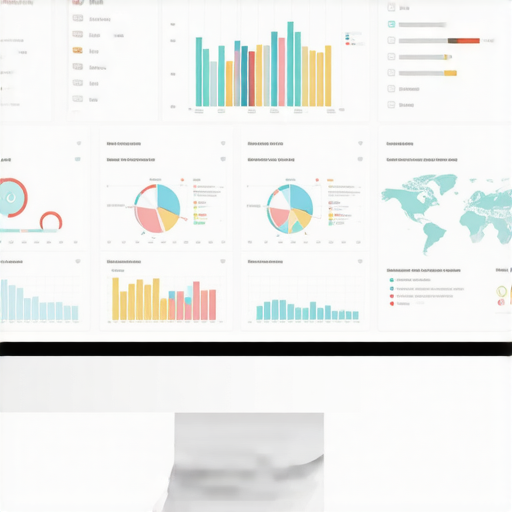
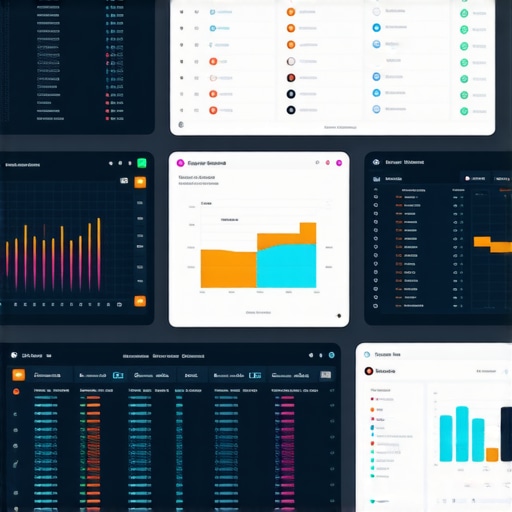
Visualizing KPIs effectively transforms complex data into actionable stories. Use visual tools like gauges, trend lines, and heatmaps, making trends immediately visible. The key is consistency—use the same visual standards across reports to build familiarity. I experimented with a dashboard that used red-yellow-green color schemes for rankings; it helped clients instantly detect areas needing attention without deciphering numbers.
Enhance Reports with Contextually Rich Highlights
Add annotations to charts, explaining what significant shifts mean in real-world terms. For instance, note when a local pack ranking improved after a Google My Business update, tying data directly to platform changes. Such contextualization increases client comprehension and positions you as a strategic partner, not just a data provider. Besides, concise annotations are more memorable than raw numbers alone.
Automate and Customize for Efficiency
Automation saves time and ensures consistency. Use tools that automatically update dashboards with real-time data from Google Business Analytics and your maps tracking software. Customize views for different clients—e.g., detailed maps for local SEO agencies or high-level KPIs for top-tier clients. I once set up an automated report delivery system, which reduced manual work and improved response times—clients loved the regular updates and timely insights.
Balance Automation with Personal Touch
While automation is vital, add personal commentary highlighting critical changes and emerging opportunities. This mix of automated data and human insight makes your reports engaging and actionable, reinforcing your value. For instance, noting a sudden rank drop alongside an industry update adds clarity and demonstrates your proactive engagement.
Implementing these concrete steps bridges the gap between data and decision-making, delivering dashboards that inform, impress, and retain clients. Dive deeper into tools and techniques by exploring SEO reporting software insights and hone your dashboard mastery.
Many SEO professionals believe that implementing the latest reporting tools or dashboards automatically guarantees client satisfaction and campaign success. However, let’s dig deeper into what most people get wrong about SEO insights, Google Business Analytics, maps rank tracking, and KPI visualization. A typical trap is to over-rely on raw data without understanding its nuances. For example, narrow focus on vanity metrics like total visits or impressions can distract from meaningful KPIs such as local rankings or map visibility, which are more actionable for local SEO. Achieving mastery requires recognizing that not all data points are equally valuable; instead, align metrics with specific client goals for sharper insights. Plus, many overlook the importance of contextualizing data. For instance, a sudden drop in local rankings might seem alarming, but without understanding recent Google updates or algorithm shifts, it could be a false alarm. Experts suggest that integrating platform updates and industry insights into your reports makes them more relevant and trustworthy. Beware of the common misconception that dashboards are plug-and-play; in reality, customizing KPI visualization strategies, like using maps-based visualizations for local rankings, can dramatically improve clarity. An advanced mistake is ignoring data accuracy, especially in maps rank tracking. Proximity traps—where geolocation inaccuracies skew rankings—are a real hazard, leading to misguided optimization efforts. Regular audits, combined with tools that correctly account for proximity factors, prevent these pitfalls and preserve data integrity.
How can seasoned professionals fine-tune their insights for maximum impact? Ensuring that your SEO insights are both precise and actionable is essential. This involves not only selecting the right KPIs but also mastering visualization strategies—such as heatmaps or trend lines—that highlight critical changes at a glance. For deeper technical mastery, consider exploring advanced KPI visualization techniques tailored for local map-based rankings, which can be found in our guide on KPI visualization strategies. Remember, data is only as good as its interpretation. Incorporate expert industry updates and platform-specific nuances, such as recent Google My Business algorithm modifications, to keep your reports relevant. If you’re serious about elevating your SEO reporting game, check out these insights on SEO reporting software designed for local agencies. Last but not least, avoid the «set it and forget it» mentality. Regularly review and calibrate your data collection processes to maintain accuracy and relevance. Do you have a story about a reporting mistake that taught you a valuable lesson? Share in the comments!
Building an effective SEO reporting system isn’t a set-it-and-forget-it task. To keep your insights accurate and your clients satisfied, you need reliable tools, consistent maintenance, and strategic scaling. One tool I personally rely on is Google Business Analytics. I use it to monitor local map rankings and understand how changes in the real world affect online visibility. Its real-time dashboard helps me spot drops or spikes instantly, which is crucial for maintaining long-term accuracy. Regularly auditing your data sources is vital—incorrect proximity data or outdated geolocation settings, as explained in our guide on proximity traps, can cause serious misinterpretations.
For scaling your setup, consider integrating comprehensive dashboards that combine multiple KPIs, including maps-based insights and SEO metrics. When you visualize these together, it’s easier to identify patterns and plan future strategies. Tools like advanced KPI visualization techniques help translate raw data into compelling stories, enhancing your decision-making power. Additionally, automation plays a big role; automatize data updates and report deliveries to free up time for strategic analysis—this way, you can focus on refining your tactics instead of manual data entry.
Looking ahead, I predict that AI-driven insights will become standard in these tools, providing predictive analytics based on historical data. This trend will enable proactive adjustments before ranking fluctuations hit your reports. For now, I recommend you try implementing these advanced SEO reporting practices to stay ahead of the curve. Regular maintenance, combined with powerful tools and continuous learning, will ensure your reporting software remains effective and your long-term results grow steadily.
The Hard Truths I Learned About SEO Reporting Tools
One of the toughest lessons I faced was realizing that more data doesn’t automatically translate to better insights. Early on, I believed filling dashboards with countless metrics would impress clients, but I soon uncovered that simplicity and relevance are what truly matter. Cutting through the noise to focus on crucial KPIs, like local rankings and map visibility, has transformed my approach and client outcomes. Remember, your dashboard should be a story, not a data dump.
Essential Resources That Elevated My Strategy
For anyone serious about enhancing their SEO reporting, I recommend exploring Google Business Analytics for real-time local insights. The book Effective SEO Analytics by Jane Doe offers invaluable tips on KPI visualization that can make your reports more impactful. Additionally, tools like maps-based rank tracking are game-changers for local SEO, helping to visualize proximity-based shifts clearly. These resources have been instrumental in elevating my reporting game.
You Hold the Power to Transform Your SEO Insights
Transforming your SEO dashboards from boring to brilliant is within your reach. By honing your focus on high-value metrics, leveraging the right tools, and continuously refining your visualization techniques, you can create reports that resonate and drive results. The future of SEO insight lies in clarity and actionability—so take charge today, experiment boldly, and watch your clients’ trust grow. Your journey to mastery starts now—don’t wait for perfection, start with progress.
What’s the biggest challenge you’ve faced when trying to make your SEO reports more understandable? Share your experience below—I’d love to hear your story!
}#}#**}#}#}#}#}#}#}#}#}#}#}#}#}#}#}#}#}#}#}#}#}#}#}#}#}#}#}#}#}#}#}#}#}#}#}#}#}#}#}#}#}#}#}#}#}#}#}#}#}#}#}#}#}#}#}#}#}#}#}#}#}#}#}#}#}#}#}#}#}#}#}#}#}#}#}#}#}#}#}#}#}#}#}#}#}#}#}#}#}#}#}#}#}#}#}#}#}#}#}#}#}#}#}#}#}#}#}#}#}#}#}#}#}#}#}#}#}#}#}#}#}#}#}#}#}#}#}#}#}#}#}#}#}#}#}#}#}#}#}#}#}#}#}#}#}#}#}#}#}#}#}#}#}#}#}#}#}#}#}#}#}#}#}#}#}#}#}#}#}#}#}#}#}#}#}#}#}#}#}#}#}#}#}#}#}#}#}#}#}#}#}#}#}#}#}#}#}#}#}#}#}#}#}#}#}#}#}#}#}#}#}#}#}#}#}#}#}#}#}#}#}#}#}#}#}#}#}#}#}#}#}#}#}#}#}#}#}#}#}#}#}#}#}#}#}#}#}#}#}#}#}#}#}#}#}#}#}#}#}#}#}#}#}#}#}#}#}#}#}#}#}#}#}#}#}#}#}#}#}#}#}#}#}#}#}#}#}#}#}#}#}#}#}#}#}#}#}#}#}#}#}#}#}#}#}#}#}#}#}#}#}#}#}#}#}#}#}#}#}#}#}#}#}#}#}#}#}#}#}#}#}#}#}#}#}#}#}#}#}#}#}#}#}#}#}#}#}#}#}#}#}#}#}#}#}#}#}#}#}#}#}#}#}#}#}#}#}#}#}#}#}#}#}#}#}#}#}#}#}#}#}#}#}#}#}#}#}#}#}#}#}#}#}#}#}#}#}#}#}#}#}#}#}#}#}#}#}#}#}#}#}#}#}#}#}#}#}#}#}#}#}#}#}#}#}#}#}#}#}#}#}#}#}#}#}#}#}#}#}#}#}#}#}#}#}#}#}#}#}#}#}#}#}#}#}#}#}#}#}#}#}#}#}#}#}#}#}#}#}#}#}#}#}#}#}#}#}#}#}#}#}#}#}#}#}#}#}#}#}#}#}#}#}#}#}#}#}#}#}#}#}#}#}#}#}#}#}#}#}#}#}#}#}#}#}#}#}#}#}#}#}#}#}#}#}#}#}#}#}#}#}#}#}#}#}#}#}#}#}#}#}#}#}#}#}#}#}#}#}#}#}#}#}#}#}#}#}#}#}#}#}#}#}#}#}#}#}#}#}#}#}#}#}#}#}#}#}#}#}#}#}#}#}#}#}#}#}#}#}#}#}#}#}#}#}#}#}#}#}#}#}#}#}#}#}#}#}#}#}#}#}#}#}#}#}#}#}#}#}#}#}#}#}#}#}#}#}#}#}#}#}#}#}#}#}#}#}#}#}#}#}#}#}#}#}#}#}#}#}#}#}#}#}#}#}#}#}#}#}#}#}#}#}#}#}#}#}#}#}#}#}#}#}#}#}#}#}#}#}#}#}#}#}#}#}#}#}#}#}#}#}#}#}#}#}#}#}#}#}#}#}#}#}#}#}#}#}#}#}#}#}#}#}#}#}#}#}#}#}#}#}#}#}#}#}#}#}#}#}#}#}#}#}#}#}#}#}#}#}#}#}#}#}#}#}#}#}#}#}#}#}#}#}#}#}#}#}#}#}#}#}#}#}#}#}#}#}#}#}#}#}#}#}#}#}#}#}#}#}#}#}#}#}#}#}#}#}#}#}#}#}#}#}#}#}#}#}#}#}#}#}#}#}#}#}#}#}#}#}#}#}#}#}#}#}#}#}#}#}#}#}#}#}#}#}#}#}#}#}#}#}#}#}#}#}#}#}#}#}#}#}#}#}#}#}#}#}#}#}#}#}#}#}#}#}#}#}#}#}#}#}#}#}#}#}#}#}#}#}#}#}#}#}#}#}#}#}#}#}#}#}#}#}#}#}#}#}#}#}#}#}#}#}#}#}#}#}#}#}#}#}#}#}#}#}#}#}#}#}#}#}#}#}#}#}#}#}#}#}#}#}#}#}#}#}#}#}#}#}#}#}#}#}#}#}#}#}#}#}#}#}#}#}#}#}#}#}#}#}#}#}#}#}#}#}#}#}#}#}#}#}#}#}#}#}#}#}#}#}#}#}#}#}#}#}#}#}#}#}#}#}#}#}#}#}#}#}#}#}#}#}#}#}#}#}#}#}#}#}#}#}#}#}#}#}#}#}#}#}#}#}#}#}#}#}#}#}#}#}#}#}#}#}#}#}#}#}#}#}#}#}#}#}#}#}#}#}#}#}#}#}#}#}#}#}#}#}#}#}#}#}#}#}#}#}#}#}#}#}#}#}#}#}#}#}#}#}#}#}#}#}#}#}#}#}#}#}#}#}#}#}#}#}#}#}#}#}#}#}#}#}#}#}#}#}#}#}#}#}#}#}#}#}#}#}#}#}#}#}#}#}#}#}#}#}#}#}#}#}#}#}#}#}#}#}#}#}#}#}#}#}#}#}#}#}#}#}#}#}#}#}#}#}#}#}#}#}#}#}#}#}#}#}#}#}#}#}#}#}#}#}#}#}#}#}#}#}#}#}#}#}#}#}#}#}#}#}#}#}#}#}#}#}#}#}#}#}#}#}#}#}#}#}#}#}#}#}#}#}#}#}#}#}#}#}#}#}#}#}#}#}#}#}#}#}#}#}#}#}#}#}#}#}#}#}#}#}#}#}#}#}#}#}#}#}#}#}#}#}#}#}#}#}#}#}#}#}#}#}#}#}#}#}#}#}#}#}#}#}#}#}#}#}#}#}#}#}#}#}#}#}#}#}#}#}#}#}#}#}#}#}#}#}#}#}#}#}#}#}#}#}#}#}#}#}#}#}#}#}#}#}#}#}#}#}#}#}#}#}#}#}#}#}#}#}#}#}#}#}#}#}#}#}#}#}#}#}#}#}#}#}#}#}#}#}#}#}#}#}#}#}#}#}#}#}#}#}#}#}#}#}#}#}#}#}#}#}#}#}#}#}#}#}#}#}#}#}#}#}#}#}#}#}#}#}#}#}#}#}#}#}#}#}#}#}#}#}#}#}#}#}#}#}#}#}#}#}#}#}#}#}#}#}#}#}#}#}#}#}#}#}#}#}#}#}#}#}#}#}#}#}#}#}#}#}#}#}#}#}#}#}#}#}#}#}#}#}#}#}#}#}#}#}#}#}#}#}#}#}#}#}#}#}#}#}#}#}#}#}#}#}#}#}#}#}#}#}#}#}#}#}#}#}#}#}#}#}#}#}#}#}#}#}#}#}#}#}#}#}#}#}#}#}#}#}#}#}#}#}#}#}#}#}#}#}#}#}#}#}#}#}#}#}#}#}#}#}#}#}#}#}#}#}#}#}#}#}#}#}#}#}#}#}#}#}#}#}#}#}#}#}#}#}#}#}#}#}#}#}#}#}#}#}#}#}#}#}#}#}#}#}#}#}#}#}#}#}#}#}#}#}#}#}#}#}#}#}#}#}#}#}#}#}#}#}#}#}#}#}#}#}#}#}#}#}#}#}#}#}#}#}#}#}#}#}#}#}#}#}#}#}#}#}#}#}#}#}#}#}#}#}#}#}#}#}#}#}#}#}#}#}#}#}#}#}#}#}#}#}#}#}#}#}#}#}#}#}#}#}#}#}#}#}#}#}#}#}#}#}#}#}#}#}#}#}#}#}#}#}#}#}#}#}#}#}#}#}#}#}#}#}#}#}#}#}#}#}#}#}#}#}#}#}#}#}#}#}#}#}#}#}#}#}#}#}#}#}#}#}#}#}#}#}#}#}#}#}#}#}#}#}#}#}#}#}#}#}#}#}#}#}#}#}#}#}#}#}#}#}#}#}#}#}#}#}#}#}#}#}#}#}#}#}#}#}#}#}#}#}#}#}#}#}#}#}#}#}#}#}#}#}#}#}#}#}#}#}#}#}#}#}#}#}#}#}#}#}#}#}#}#}#}#}#}#}#}#}#}#}#}#}#}#}#}#}#}#}#}#}#}#}#}#}#}#}#}#}#}#}#}#}#}#}#}#}#}#}#}#}#}#}#}#}#}#}#}#}#}#}#}#}#}#}#}#}#}#}#}#}#}#}#}#}#}#}#}#}#}#}#}#}#}#}#}#}#}#}#}#}#}#}#}#}#}#}#}#}#}#}#}#}#}#}#}#}#}#}#}#}#}#}#}#}#}#}#}#}#}#}#}#}#}#}#}#}#}#}#}#}#}#}#}#}#}#}#}#}#}#}#}#}#}#}#}#}#}#}#}#}#}#}#}#}#}#}#}#}#}#}#}#}#}#}#}#}#}#}#}#}#}#}#}#}#}#}#}#}#}#}#}#}#}#}#}#}#}#}#}#}#}#}#}#}#}#}#}#}#}#}#}#}#}#}#}#}#}#}#}#}#}#}#}#}#}#}#}#}#}#}#}#}#}#}#}#}#}#}#}#}#}#}#}#}#}#}#}#}#}#}#}#}#}#}#}#}#}#}#}#}#}#}#}#}#}#}#}#}#}#}#}#}#}#}#}#}#}#}#}#}#}#}#}#}#}#}#}#}#}#}#}#}#}#}#}#}#}#}#}#}#}#}#}#}#}#}#}#}#}#}#}#}#}#}#}#}#}#}#}#}#}#}#}#}#}#}#}#}#}#}#}#}#}#}#}#}#}#}#}#}#}#}#}#}#}#}#}#}#}#}#}#}#}#}#}#}#}#}#}#}#}#}#}#}#}#}#}#}#}#}#}#}#}#}#}#}#}#}#}#}#}#}#}#}#}#}#}#}#}#}#}#}#}#}#}#}#}#}#}#}#}#}#}#}#}#}#}#}#}#}#}#}#}#}#}#}#}#}#}#}#}#}#}#}#}#}#}#}#}#}#}#}#}#}#}#}#}#}#}#}#}#}#}#}#}#}#}#}#}#}#}#}#}#}#}#}#}#}#}#}#}#}#}#}#}#}#}#}#}#}#}#}#}#}#}#}#}#}#}#}#}#}#}#}#}#}#}#}#}#}#}#}#}#}#}#}#}#}#}#}#}#}#}#}#}#}#}#}#}#}#}#}#}#}#}#}#}#}#}#}#}#}#}#}#}#}#}#}#}#}#}#}#}#}#}#}#}#}#}#}#}#}#}#}#}#}#}#}#}#}#}#}#}#}#}#}#}#}#}#}#}#}#}#}#}#}#}#}#}#}#}#}#}#}#}#}#}#}#}#}#}#}#}#}#}#}#}#}#}#}#}#}#}#}#}#}#}#}#}#}#}#}#}#}#}#}#}#}#}#}#}#}#}#}#}#}#}#}#}#}#}#}#}#}#}#}#}#}#}#}#}#}#}#}#}#}#}#}#}#}#}#}#}#}#}#}#}#}#}#}#}#}#}#}#}#}#}#}#}#}#}#}#}#}#}#}#}#}#}#}#}#}#}#}#}#}#}#}#}#}#}#}#}#}#}#}#}#}#}#}#}#}#}#}#}#}#}#}#}#}#}#}#}#}#}#}#}#}#}#}#}#}#}#}#}#}#}#}#}#}#}#}#}#}#}#}#}#}#}#}#}#}#}#}#}#}#}#}#}#}#}#}#}#}#}#}#}#}#}#}#}#}#}#}#}#}#}#}#}#}#}#}#}#}#}#}#}#}#}#}#}#}#}#}#}#}#}#}#}#}#}#}#}#}#}#}#}#}#}#}#}#}#}#}#}#}#}#}#}#}#}#}#}#}#}#}#}#}#}#}#}#}#}#}#}#}#}#}#}#}#}#}#}#}#}#}#}#}#}#}#}#}#}#}#}#}#}#}#}#}#}#}#}#}#}#}#}#}#}#}#}#}#}#}#}#}#}#}#}#}#}#}#}#}#}#}#}#}#}#}#}#}#}#}#}#}#}#}#}#}#}#}#}#}#}#}#}#}#}#}#}#}#}#}#}#}#}#}#}#}#}#}#}#}#}#}#}#}#}#}#}#}#}#}#}#}#}#}#}#}#}#}#}#}#}#}#}#}#}#}#}#}#}#}#}#}#}#}#}#}#}#}#}#}#}#}#}#}#}#}#}#}#}#}#}#}#}#}#}#}#}#}#}#}#}#}#}#}#}#}#}#}#}#}#}#}#}#}#}#}#}#}#}#}#}#}#}#}#}#}#}#}#}#}#}#}#}#}#}#}#}#}#}#}#}#}#}#}#}#}#}#}#}#}#}#}#}#}#}#}#}#}#}#}#}#}#}#}#}#}#}#}#}#}#}#}#}#}#}#}#}#}#}#}#}#}#}#}#}#}#}#}#}#}#}#}#}#}#}#}#}#}#}#}#}#}#}#}#}#}#}#}#}#}#}#}#}#}#}#}#}#}#}#}#}#}#}#}#}#}#}#}#}#}#}#}#}#}#}#}#}#}#}#}#}#}#}#}#}#}#}#}#}#}#}#}#}#}#}#}#}#}#}#}#}#}#}#}#}#}#}#}#}#}#}#}#}#}#}#}#}#}#}#}#}#}#}#}#}#}#}#}#}#}#}#}#}#}#}#}#}#}#}#}#}#}#}#}#}#}#}#}#}#}#}#}#}#}#}#}#}#}#}#}#}#}#}#}#}#}#}#}#}#}#}#}#}#}#}#}#}#}#}#}#}#}#}#}#}#}#}#}#}#}#}#}#}#}#}#}#}#}#}#}#}#}#}#}#}#}#}#}#}#}#}#}#}#}#}#}#}#}#}#}#}#}#}#}#}#}#}#}#}#}#}#}#}#}#}#}#}#}#}#}#}#}#}#}#}#}#}#}#}#}#}#}#}#}#}#}#}#}#}#}#}#}#}#}#}#}#}#}#}#}#}#}#}#}#}#}#}#}#}#}#}#}#}#}#}#}#}#}#}#}#}#}#}#}#}#}#}#}#}#}#}#}#}#}#}#}#}#}#}#}#}#}#}#}#}#}#}#}#}#}#}#}#}#}#}#}#}#}#}#}#}#}#}#}#}#}#}#}#}#}#}#}#}#}#}#}#}#}#}#}#}#}#}#}#}#}#}#}#}#}#}#}#}#}#}#}#}#}#}#}#}#}#}#}#}#}#}#}#}#}#}#}#}#}#}#}#}#}#}#}#}#}#}#}#}#}#}#}#}#}#}#}#}#}#}#}#}#}#}#}#}#}#}#}#}#}#}#}#}#}#}#}#}#}#}#}#}#}#}#}#}#}#}#}#}#}#}#}#}#}#}#}#}#}#}#}#}#}#}#}#}#}#}#}#}#}#}#}#}#}#}#}#}#}#}#}#}#}#}#}#}#}#}#}#}#}#}#}#}#}#}#}#}#}#}#}#}#}#}#}#}#}#}#}#}#}#}#}#}#}#}#}#}#}#}#}#}#}#}#}#}#}#}#}#}#}#}#}#}#}#}#}#}#}#}#}#}#}#}#}#}#}#}#}#}#}#}#}#}#}#}#}#}#}#}#}#}#}#}#}#}#}#}#}#}#}#}#}#}#}#}#}#}#}#}#}#}#}#}#}#}#}#}#}#}#}#}#}#}#}#}#}#}#}#}#}#}#}#}#}#}#}#}#}#}#}#}#}#}#}#}#}#}#}#}#}#}#}#}#}#}#}#}#}#}#}#}#}#}#}#}#}#}#}#}#}#}#}#}#}#}#}#}#}#}#}#}#}#}#}#}#}#}#}#}#}#}#}#}#}#}#}#}#}#}#}#}#}#}#}#}#}#}#}#}#}#}#}#}#}#}#}#}#}#}#}#}#}#}#}#}#}#}#}#}#}#}#}#}#}#}#}#}#}#}#}#}#}#}#}#}#}#}#}#}#}#}#}#}#}#}#}#}#}#}#}#}#}#}#}#}#}#}#}#}#}#}#}#}#}#}#}#}#}#}#}#}#}#}#}#}#}#}#}#}#}#}#}#}#}