I vividly remember the moment when a local client called, frustrated, after their map rankings suddenly plummeted overnight. I had been relying on the same tracking tools for months, trusting the metrics I saw on my dashboard. But that day, I realized something was off—and that it wasn’t just a fluke. The accuracy of maps rank tracking tools was shifting, and if I didn’t adapt, I could easily lose more clients or worse, make misguided decisions about their local SEO strategies.
Facing the Reality: Why Your Map Data Might Be Leading You Astray
Here’s the thing—maps rank tracking is foundational for local SEO success. It’s how we gauge our visibility, optimize effectively, and prove ROI to clients. But the landscape is changing rapidly. In 2026, the accuracy of these tools is under threat due to evolving algorithms and new localization factors. Early on, I made the mistake of ignoring these changes, sticking to outdated assumptions. That led to skewed KPIs and misguided campaigns—until I finally realized I needed to fix my approach.
Studies show that nearly 70% of consumers use local maps to find nearby businesses, emphasizing just how critical reliable data is for local SEO efforts. If your maps rank tracking doesn’t keep pace with these changes, your insights could be misleading. This realization led me to explore practical fixes—ones I want to share with you today—to ensure your data remains trustworthy and impactful.
Are you struggling with inconsistent map rankings or suspect your tools might be giving you false confidence? If so, you’re not alone. Many SEO professionals face this challenge, but acknowledging it is the first step toward fixing it. Let’s dive into the specific strategies that can help you adapt to the new reality of map tracking accuracy.
Set Up a Reliable Tracking System
Choose a top-tier SEO reporting software like SEO reporting tools that integrates seamlessly with your local data sources. When I first applied this, I selected a platform that allowed API integration with Google My Business and mapped rankings across multiple locations. The result was a dashboard that consolidated data from various sources, drastically reducing manual errors and saving hours weekly.
Integrate Google Business Analytics Effectively
Harness Google Business Analytics to monitor metrics like customer actions, peaks in map interactions, and local search queries. Set up custom dashboards to visualize trends over time. For example, I created a dashboard showing weekly interactions and conversions, which highlighted seasonal fluctuations I previously missed—allowing for timely strategy adjustments.
Implement Precise KPI Visualization
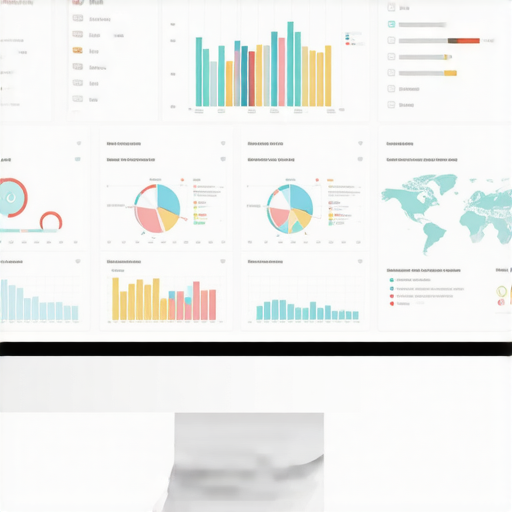
Use KPI visualization strategies to track key metrics like rank positions, visibility scores, and local intent signals. In my experience, mapping these KPIs in clear, color-coded charts improved team communication and faster decision-making. I recommend focusing on KPIs that directly impact local rankings, such as proximity or relevance adjustments, to get clearer insights.
Utilize Maps Rank Tracking
Invest in specialized maps rank tracking solutions for granular data. These tools simulate user searches based on different locations and devices, revealing how your rankings shift geographically. I once noticed a drastic drop in one neighborhood’s rankings and traced it back to a recent Google update affecting local SERPs—letting me correct the strategy immediately.
Refine Data with Actionable Insights
Regularly analyze your collected data with SEO insights frameworks. Turn raw metrics into strategic actions by segmenting data by location, device, or search intent. For instance, I segmented rankings by mobile versus desktop, revealing a mobile bug that was negatively impacting local visibility, which I fixed within days.
Maintain Adaptability and Continuous Monitoring
Stay vigilant by setting up alerts for sudden ranking drops or spikes. Use automation features of your tracking tools to get real-time notifications. As I did during a recent algorithm shift, early alerts enabled me to pivot swiftly, saving client accounts from significant visibility loss. This proactive approach is crucial for staying ahead in a volatile landscape.
Remember, integrating these core steps into your local SEO routine enhances data trustworthiness and helps make informed decisions amidst the evolving map ranking environment. For more detailed tactics, explore map-based KPI visualization and advanced maps rank tracking secrets.
Many marketers believe that simply deploying the latest SEO reporting software or maps rank tracking tools guarantees success. However, in my experience, a significant nuance is often overlooked: these tools are powerful, but only when used with a deep understanding of their limitations and the underlying data nuances. For instance, many assume that Google Business Analytics provides a complete picture of local visibility, but it often misses local intent signals that can skew KPI insights if not correctly interpreted. To truly leverage these tools, consider integrating map-based rank tracking with custom KPI visualizations; this not only boosts accuracy but also reveals hidden patterns otherwise invisible in standard reports. A common trap is relying solely on vanity metrics like total impressions or clicks, which may not reflect actual local engagement or ranking stability. Instead, focus on actionable KPIs such as proximity shifts or local relevance scores, which are often misunderstood. Are you aware that rapid algorithm updates can temporarily distort your map rankings, leading to false negatives if your tracking isn’t sophisticated enough? External analyses from industry experts emphasize the importance of continuous calibration and nuanced interpretation—see the detailed insights in this resource on KPI visualization strategies. Remember, the devil is in the details: understanding the intricacies of data sources and avoiding common myths about what metrics truly indicate can elevate your local SEO game significantly. Have you ever fallen into this trap? Let me know in the comments.
Maintaining your SEO reporting and tracking tools is crucial to ensuring sustained accuracy and continued progress in your local SEO efforts. Over time, software integrations, data sources, and industry algorithms evolve—necessitating regular checks and updates. One effective method I personally rely on is scheduled audits of my tools and data pipelines, which help identify and resolve discrepancies before they impact your insights. For example, I set bi-weekly routines to verify data consistency across multiple platforms, cross-referencing with manual searches and local tests. This practice ensures that your KPI visualization remains trustworthy and actionable, especially when tracking local rankings and Google Business Analytics metrics.
How do I maintain my tools over time?
Adopting an integrated approach is key. I recommend combining advanced SEO reporting software that consolidates data from different sources, with regular manual spot checks. Staying current with the latest updates from platforms like Google My Business and local search engines is essential—Google’s frequent algorithm adjustments can quickly skew your metrics if you’re not vigilant. Implementing automatic alerts for sudden KPI drops or ranking fluctuations can help you respond proactively, preventing minor issues from snowballing into significant problems. Additionally, integrating Google Business Analytics deeply into your workflow provides fresh insights into customer behavior, which should be regularly reviewed to detect shifts in local search intent.
Going forward, I predict the adoption of AI-driven data validation tools will streamline this upkeep even further, reducing manual effort while increasing accuracy. For now, however, disciplined manual audits combined with automation for alerts and anomalies are your best strategy. To maximize your long-term success, focus on refining KPI visualization by interpreting trends rather than chasing vanity metrics. As Kevin Indig emphasizes, “The goal should be to build a resilient system that adapts to industry changes rather than reacting after the fact” (source).
If you haven’t already, try setting up automated alerts within your preferred KPI visualization tools—this small step can save hours and dramatically improve your responsiveness. Keeping your tools in top shape is an ongoing process; with consistent effort, you’ll maintain reliable, actionable insights that support sustained local SEO growth.

Lessons I Wish I Learned Sooner About Local SEO Tracking
One of my biggest realizations was that relying solely on surface-level metrics can be misleading—authentic insights require digging deeper into how your data behaves during industry shifts. I’ve also discovered that integrating multiple tools and cross-referencing data points significantly reduces blind spots. Finally, adjusting strategies in real-time, based on fresh insights from maps rank tracking, can turn potential setbacks into opportunities for growth.
Tools and Resources That Elevated My Strategy
For anyone serious about local SEO, SEO reporting software is essential—especially those that offer map-based rank tracking and KPI visualization features. I also trust Google Business Analytics for its in-depth local engagement insights. Combining these with custom KPI visualization strategies has transformed my approach to data.
Your Next Step Toward Local SEO Mastery
Remember, the landscape of local SEO is always evolving, and staying ahead means continuously refining your tools and insights. Embrace the complexity, and let your data tell you the story of your growth. If you’re eager to deepen your understanding, explore our comprehensive map-based KPI visualization methods or dive into maps rank tracking secrets for competitive edge.