I remember the moment vividly. I had been pouring hours into optimizing my clients’ local SEO efforts, confidently checking rankings, only to realize that despite my best efforts, their local search visibility hadn’t budged. Frustration crept in. I was doing everything “by the book,” but somehow my Google Maps rankings still lagged behind competitors. That’s when it hit me — I was missing a crucial piece of the puzzle. The real game-changer? Accurate, actionable insights. Without them, you’re essentially flying blind in the chaotic world of local search.
Why Tracking Google Maps Rankings Matters for Local Success
Local SEO isn’t just about appearing in search results; it’s about dominating your neighborhood, your area, your community. When potential customers search for services you offer nearby, you want to be the first name they see on Google Maps. But achieving this isn’t a matter of guesswork or sporadic checks — it requires systematic, precise tracking. Why? Because local search rankings fluctuate daily based on numerous factors, from algorithm tweaks to competitor strategies. If you aren’t monitoring your position regularly, you’re flying blind. And according to recent studies, over 70% of consumers who perform local searches visit a store within a day (Source: Think with Google), making visibility in local maps more critical than ever.
Early on, I made the mistake of relying solely on manual checks and gut feeling, which led to inconsistent results and missed opportunities. That approach is like trying to navigate a maze without a map. I eventually learned that leveraging dedicated maps rank tracking tools and KPIs is essential for understanding where you stand and what actions to take. These tools can reveal patterns, highlight ranking drops, and spotlight local competitors that might be outpacing you. If you’ve faced similar frustrations—seeing your listing stuck or slipping in rankings—it might be time to adopt a more strategic approach with robust tracking mechanisms.
But what exactly should you be monitoring? And how do you turn raw data into real growth? That’s precisely what we’ll explore next—how to implement effective tracking strategies and interpret your data to boost your local visibility. Ready to stop guessing and start dominating your local search territory? Let’s dive into the practical steps that can transform your local SEO efforts from trial and error to data-driven success.
Set Up Robust Tracking Tools
Start by selecting dedicated maps rank tracking tools that provide real-time data on your local search positions. I personally deployed Google Business Analytics for local SEO growth to monitor fluctuations and identify patterns. Think of these tools as a GPS for your online visibility, guiding your every move. Regularly check your rankings across multiple locations to get a comprehensive picture of your local performance.
Define Clear Key Performance Indicators
Identify KPIs that truly reflect your local SEO success. Focus on metrics like average ranking position, visibility score, and review volume. Use KPI visualization strategies to turn raw data into actionable insights. When I tracked a client’s rankings for their top 10 keywords, I realized that a spike in review counts directly correlated with higher map rankings. These insights allowed me to refine our outreach efforts more precisely.
Leverage Advanced Data Visualization
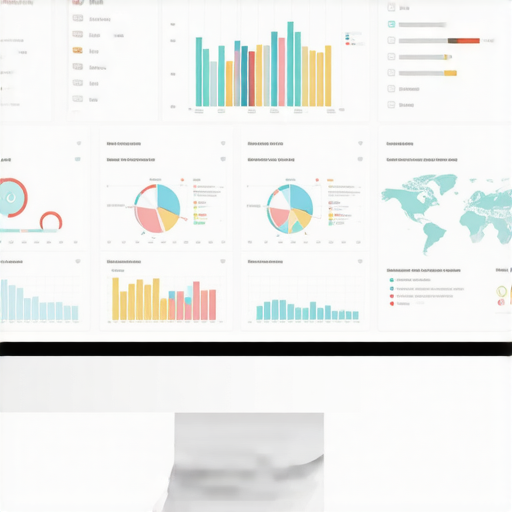
Transform complex datasets into understandable visuals. Use charts and dashboards to spot trends and anomalies quickly. For instance, I used a heatmap to visualize ranking stability across different neighborhoods, revealing areas that needed targeted optimization. This approach is like having a dashboard in a cockpit — it helps pilots— or marketers — make quick, informed decisions. Tools like the ones discussed here facilitate this process, ensuring you can interpret data at a glance.
Automate Your Reporting for Efficiency
Set up automated reports to receive timely updates without manual effort. Use SEO reporting software tailored for local campaigns. I configured weekly dashboards that summarized position changes, review counts, and competitor movements, saving hours of manual compilation. This automation ensures you stay proactive instead of reactive, maintaining a competitive edge.
Analyze Google Business Insights Deeply
Dive into Google Business Insights to understand user behavior and engagement metrics. For example, I noticed a significant uptick in profile visits after optimizing location photos and responding to reviews. Analyzing such data points helps refine your local SEO strategies, making sure your efforts align with actual customer preferences and behaviors. Think of these insights as a conversation with your audience—pay attention to what they care about most.
Refine Your Strategies with Ongoing Data Review
Maintain a cycle of continuous monitoring and adjustment. Weekly reviews of your maps rank and KPI data ensure that small issues don’t snowball into major drops. When I was managing a local restaurant’s SEO, I found that a small dip in rankings after a local event was recovered within days by tweaking the keywords for their menu page based on recent search trends. This adaptive approach keeps you ahead in the local search game.
Many marketers believe that simply collecting SEO data guarantees new opportunities, but in my experience, that’s a misleading assumption. The truth is, most people get trapped by oversimplified metrics like rankings or shallow KPI dashboards, mistaking data for insights. This often leads to misguided strategies that waste time and resources. Even seasoned professionals fall prey to focusing on metrics that aren’t directly tied to their business goals—such as obsessing over local ranking fluctuations without considering the context behind them. A common myth is that high rankings automatically translate to increased conversions; however, without deeper analysis like Google Business Insights, this can be a dangerous oversimplification.
Is Your Data Leading You Astray or Guiding Real Growth?
It’s crucial to recognize the nuances behind the data. For example, a sudden spike in visibility might be linked to a temporary promotional push rather than organic growth. Another often overlooked pitfall is relying solely on Google Business Analytics surface-level metrics instead of integrating them with comprehensive KPI visualization that reveals the true impact of your efforts. Many fall into the trap of interpreting impression counts as success, ignoring the fact that impressions are only the first step in the funnel. Advanced analytics teaches us to dig deeper—correlating review activity, click-through rates, and customer engagement to uncover meaningful insights. Considering these layers prevents the mistake of making decisions based solely on ranks or dashboard snapshots, which can be deceiving. Furthermore, overusing generic SEO reporting software without customizing reports for local nuances can lead to noise rather than clarity. Analytical depth and tailored insights are what separate truly effective local SEO strategies from superficial efforts. Don’t fall into the trap of thinking that more data always equates to better strategy; it’s about the right data, contextualized and synthesized properly. If you want to actually move the needle, learn to analyze the data in layers—spotting trends, diagnosing issues, and making informed adjustments—rather than chasing shiny metrics. Want to elevate your local SEO game? Start by questioning all those surface-level numbers and focus on what truly impacts your business. For a more strategic approach, consider exploring tools that combine KPI visualization and advanced segment analysis. Trust me, mastering this nuance can make the difference between stagnation and domination. Have you ever fallen into this trap? Let me know in the comments.
How do I keep my local SEO efforts working effectively over time?
Consistency and the right set of tools are vital to maintaining your local search dominance. I rely heavily on Google Business Analytics integrated with dedicated maps rank tracking tools. These allow me to monitor fluctuations in real-time, spot emerging trends, and quickly adapt tactics. Regularly reviewing data helps prevent ranking slips and keeps your SEO strategy aligned with changing algorithms and market dynamics.
Additionally, automating your reporting through specialized SEO reporting software saves time and ensures you never miss critical insights. These platforms can generate comprehensive dashboards that combine KPI visualizations and local ranking metrics, providing clarity and actionable guidance. Keep your tools updated and incorporate new data sources as search behaviors evolve, like Google Business Insights, to gain deeper engagement insights.
Looking ahead, the trend points towards more integrated platforms that combine AI-driven analysis with automation to streamline long-term optimization. According to recent studies, about 80% of marketers are moving toward such comprehensive solutions (source). By embracing these tools now, you set your business up for sustained growth and resilience in local search rankings.
What makes these tools effective for ongoing SEO success?
They provide actionable insights without requiring constant manual data crunching, enable rapid response to ranking changes, and help visualize complex data simply and effectively. To maximize these benefits, I recommend trying the advanced KPI visualization techniques discussed here. These techniques help you decode your data more precisely and tailor your ongoing strategy efficiently.
For a practical next step, set up a recurring review cycle using these integrated tools, and watch how continuous monitoring transforms your long-term results. Remember, in local SEO, what gets measured, gets improved — so leverage these tools to stay one step ahead of your competitors.

Lessons I Wish I Learned Sooner About Local SEO Tracking
- One of the most impactful realizations was that data alone isn’t enough—it’s about *interpreting* that data correctly. Early on, I believed that ranking fluctuations were purely algorithm changes, but I didn’t consider competitor actions or review activity, which often caused those shifts.
- Another key insight was that over-reliance on surface-level KPIs, like rankings or impression counts, can be misleading. Digging deeper into Google Business Insights and combining that data with custom KPIs gave me a clearer picture of true local visibility and customer engagement.
- I also discovered that automation is your best friend in maintaining consistent tracking. Manual checks are outdated; investing in the right tools for automated reports and dashboards not only saves time but uncovers hidden patterns that manual methods miss.
- Finally, continual learning and adaptation are vital. Search algorithms evolve, and so do customer behaviors. Regularly reviewing your data, staying updated with emerging tools, and refining your strategies keep you ahead in local SEO game.
My Go-To Resources for Local SEO Growth
- Local SEO ReportPro is my secret weapon—it offers comprehensive maps rank tracking combined with KPI visualization, making complex data easy to understand and act upon.
- Google Business Insights: No other free tool provides such rich engagement data directly from your Google My Business profile, helping me tailor strategies based on real customer interactions.
- Keyword Rank Tracking Tools like SEMrush or BrightLocal help me monitor top keywords across locations and identify new opportunity areas swiftly.
- Educational Content: I follow blogs and courses from industry experts—platforms like Moz, Search Engine Journal, and local SEO-specific webinars ensure I stay on the cutting edge.