I remember the moment vividly—sitting at my desk late one evening, staring at a tangle of confusing charts and data points. The numbers just didn’t make sense. I felt the familiar pang of frustration. No matter how many spreadsheets I whipped up, I couldn’t truly grasp what was moving the needle or where my efforts were falling short. That lightbulb moment hit me hard: I was missing the real insights because I lacked the right way to visualize and interpret my data effectively.
Why Proper KPI Visualization Transforms Your SEO Strategy
Fast forward to today, and I can confidently say that the key to SEO success in 2025 lies in mastering the art of KPI insights—specifically through effective SEO reporting software and map-based rank tracking tools. These aren’t just fancy add-ons; they’re essential for understanding precisely how your local campaigns are performing and where to channel your energy for maximum impact. If you’re like many local agencies, you’ve probably faced the challenge of deciphering disjointed data that seems more chaos than clarity. Believe me, I’ve been there, and it’s incredibly discouraging. But here’s the good news: with the right tools and strategies, you can turn your raw data into a clear roadmap that guides your next move.
The stakes are higher than ever. Studies show that 76% of consumers visit a business within five miles, and local SEO plays a significant role in capturing these nearby prospects. But how do we ensure our efforts are actually reaching that crowd? The answer lies in using sophisticated KPI visualization tools that illuminate your progress and reveal hidden opportunities. According to a recent study, effective data visualization can improve decision-making speed by up to 50%—meaning you spend less time puzzling over numbers and more time implementing winning strategies. For local agencies, this translates into faster adjustments, better rankings, and ultimately, more satisfied clients.
If you’ve ever been tempted to rely solely on basic metrics or snapshots, consider this: early on, I made the mistake of focusing only on traffic numbers without mapping them to meaningful local SEO KPIs. That approach led to misguided efforts and wasted resources. It was only when I adopted map-based rank tracking and KPI insights that everything started clicking into place. Want to know the secrets to mastering these tools? Keep reading, because we’ll explore straightforward, practical steps to elevate your SEO reporting game in 2025.
Is Overhyped Software Worth the Hype?
Many skeptics question whether the latest SEO reporting software truly delivers on its promises. I’ve been guilty of falling into the hype trap myself—until I discovered that choosing the right tools depends on understanding your specific needs and how these tools interpret local data. If you’re unsure whether investing in advanced software is justified, ask yourself: Am I getting actionable insights that boost client results? Or am I just generating colorful reports that impress but lack substance? For a more in-depth review, check out this guide on best SEO reporting software for local agencies.
Set Clear Goals and Identify Relevant KPIs
Start by pinpointing what genuinely impacts your local SEO success. Think of KPIs as a dashboard in a car—only focus on the metrics that tell you if you’re heading in the right direction. For local campaigns, essential KPIs include local search rankings, Google Business profile engagement, website traffic from local sources, and conversion rates. I once focused only on ranking positions, but realized that tracking map pack impressions and clicks revealed more about actual visibility and lead generation. Use tools like SEO reporting software to collate and monitor these metrics consistently.
Leverage Map-Based Rank Tracking to Visualize Local Performance
Next, implement map-based rank tracking. Unlike traditional keyword ranking, map-based tools provide geo-specific insights into your local visibility—imagine shining a spotlight precisely where your potential customers are searching. During one campaign, I integrated map-based KPI visualization into my reports, which uncovered a drop in rankings in certain neighborhoods. This immediate visibility allowed me to recalibrate my local SEO tactics swiftly, leading to improved rankings and more targeted outreach.
Use Visual Maps to Spot Trends and Anomalies
Visual maps aren’t just for presentations—they’re analytical tools. By overlaying ranking data on geographic maps, you can spot patterns, identify areas requiring attention, and track progress over time. For example, I once noticed that a competitor was outperforming us specifically in outlying suburbs. Recognizing this trend through maps insights prompted me to adjust my local strategies, resulting in better positioning in those zones. Incorporate these maps into your reporting workflow for actionable clarity.
Integrate Google Business Analytics for Deeper Insights
Google Business profile data offers crucial insights into how users interact with your local presence. Test driving this data integration, I discovered a high volume of profile views but a surprisingly low conversion rate. This discrepancy pointed me to optimize my profile and improve call-to-actions. For comprehensive insights, combine this data with your Google Business analytics tools within your reporting dashboard. This multi-layered approach paints a complete picture of local engagement, highlighting areas where small tweaks yield big results.
Create Dynamic Dashboards with Custom Visualizations
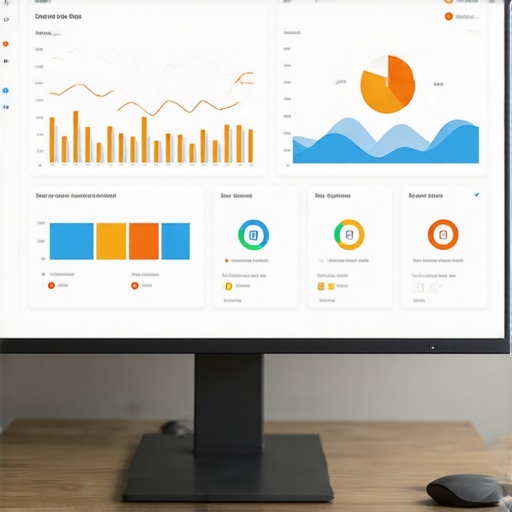
Consolidate your data into dashboards that tell a story at a glance. Instead of static reports, use real-time dashboards that update automatically, showing trends and anomalies. Visualize your local search rankings alongside map performance and Google Business metrics—like a cockpit with all gauges visible. I once set up a customized dashboard with KPI charts, heatmaps, and progress bars, which traders and clients loved for its clarity. Platforms like SEO reporting software facilitate this, saving time and improving decision-making speed.
Focus on Actionable Data to Drive Real Results
The real power of visualization lies in translating data into actions. Regularly review your dashboards, identify underperforming areas, and test quick fixes—such as optimizing Google My Business posts or building local backlinks. Keep refining your KPIs based on ongoing performance. Remember, the goal isn’t just to gather data but to make it work for you—driving higher local rankings, increased visibility, and ultimately, more business. For detailed strategies, consider consulting resources like KPI visualization tactics specifically aimed at local SEO campaigns.Many practitioners assume that piling on data visualization tools automatically leads to better insights, but in reality, most people get it wrong by overlooking subtle nuances. One widespread misconception is that more metrics always mean clearer insights. In truth, cluttered dashboards can obscure key findings and mislead decision-makers. For example, focusing solely on ranking fluctuations without contextual mapping can cause you to chase irrelevant data points, wasting valuable resources. Advanced experts know that highlighting the right KPIs, like map pack visibility or local click-through rates, requires deliberate curation instead of raw data accumulation. { } Another common fallacy involves treating Google Business analytics as a standalone miracle. While vital, it’s often overemphasized, ignoring the fact that metrics like profile views or review counts need to be integrated with onsite data and map-based rank tracking for a full picture. Relying solely on Google’s dashboard can create blind spots, especially regarding behavioral or conversion metrics that don’t directly appear there. To truly harness these insights, savvy SEOs aggregate multiple data sources, aligning local rankings with user engagement and conversion data for strategic accuracy. Furthermore, many underestimate the danger of software hype—the belief that simply adopting the latest featured tool guarantees success. In my experience, this can lead to investing in sophisticated SEO reporting platforms with shiny dashboards that lack tactical clarity or actionable guidance. Remember, the weakest link in your analytics chain often isn’t the software but your understanding of which KPIs actually influence local SEO outcomes. For instance, map-based rank tracking holds nuanced secrets—like regional search intent shifts—that require expert interpretation beyond surface-level reports. {} A mistake I see frequently is software adoption without proper training. Without knowing how to interpret visualizations or correlate data trends, teams generate beautiful but meaningless reports. That’s why mastering KPI visualization requires a strategic approach: keep your dashboards focused on actionable insights, avoid unnecessary metrics, and apply visual storytelling to reveal hidden opportunities. To do this effectively, I recommend reviewing resources like this comprehensive guide on ultimate KPI visualization strategies. Remember, the ultimate goal of visualization isn’t just to impress but to inform immediate action. Have you ever fallen into this trap? Let me know in the comments.
Maintaining your SEO tools and data infrastructure effectively is essential for sustaining long-term growth. One of the key aspects is regularly updating your tracking methodologies and tools to adapt to evolving search engine algorithms and local ranking factors. For instance, map-based rank tracking tools like those outlined in these strategies enable you to keep a close eye on your local visibility gains over time, ensuring your efforts stay relevant and impactful.
Prioritize Routine Data Audits and Refreshes
Set calendar reminders to audit your data sources monthly. Check for data anomalies, outdated information, or discrepancies that could mislead your analysis. For example, if you notice a sudden drop in rankings or visibility metrics, investigate whether your tracking scripts or integrations need reconfiguration. Tools like your KPI dashboards should be dynamic enough to allow quick refreshes, giving you accurate snapshots at all times.
Invest in Training and Proper Usage
Software is only as effective as the team using it. Conduct regular training sessions that focus on interpreting visualizations and understanding the nuances of local SEO insights. For example, mastering map-based data interpretation can reveal regional ranking trends that might be missed in traditional reports. Resources like this comprehensive guide can help your team sharpen their skills for sustained success.
Systematic Long-Term Reporting Strategies
Develop a standardized reporting cadence—say, bi-weekly or monthly—that combines Google Business Analytics, maps rank tracking, and SEO KPIs. Over time, this consistency will help you spot patterns, assess the impact of your tactics, and adjust proactively. As search trends shift, your data should tell a story of adaptation and improvement.
How do I maintain SEO insights and KPI tracking over time?
One effective method is to leverage automated dashboards that aggregate data from multiple sources, providing real-time updates. This keeps your team agile and informed, capable of making data-driven decisions promptly. Also, stay informed about industry innovations; for instance, updates to Google’s local ranking signals are frequent, so adapting your metrics accordingly is crucial. Check authoritative resources such as this page for the latest best practices.
Remember, successful long-term maintenance depends on continuous learning and adjusting your tools and strategies. For example, regularly explore new insights offered by Google Business Analytics and incorporate those into your dashboards. And don’t forget—investing time in mastering your software’s advanced features can give you an edge, especially if you implement automation for routine updates and audits.
To optimize your process, try setting up automated alerts for significant KPI deviations—this is a game-changer in proactive management. As search engine algorithms and local ranking factors evolve, your capacity to adapt swiftly ensures sustained success. Ready to make one of these advanced maintenance tips part of your routine? Dive into the latest updates from this resource and stay ahead of the curve!
Throughout my journey, I’ve realized that the most profound insights often come from the moments when we question our assumptions and embrace a mindset of continual learning. One lesson that truly transformed my approach was recognizing that aggregating endless data points without context leads to confusion rather than clarity. It’s tempting to chase every shiny metric, but focusing on what truly moves the needle—like local visibility and engagement—delivers real results. I’ve learned that combining Google Business analytics with map-based rank tracking creates a powerful synergy, revealing hidden opportunities that static reports simply can’t uncover. Embracing visual storytelling through KPI dashboards has helped me and my clients make swift, informed decisions, turning complex data into actionable strategies that resonate on the ground—literally! If there’s one thing I could emphasize, it’s that the privilege of mastering these tools lies in our ability to see patterns others overlook, empowering us to dominate local search results in an increasingly competitive landscape.
Reading this post resonated deeply with my own experiences in local SEO. I remember the frustration of trying to make sense of scattered data points and outdated reports before discovering the transformative power of map-based rank tracking and KPI visualizations. Since adopting these tools, the clarity and speed of decision-making in my campaigns have dramatically improved. I especially appreciate the focus on actionable insights—too often, I’ve seen teams overwhelmed with metrics that don’t translate into tangible results. One challenge I faced was integrating Google Business data with rank tracking to get a full picture of local engagement. It took some trial and error, but I found that automating data refreshes and setting custom alerts for KPI deviations really helped maintain momentum. My question for others is: how do you balance the need for comprehensive data collection with the risk of dashboard clutter? Are there specific KPIs you’ve found most effective for quick strategic pivots in local SEO? Would love to hear what’s worked for others in streamlining their reporting workflows.