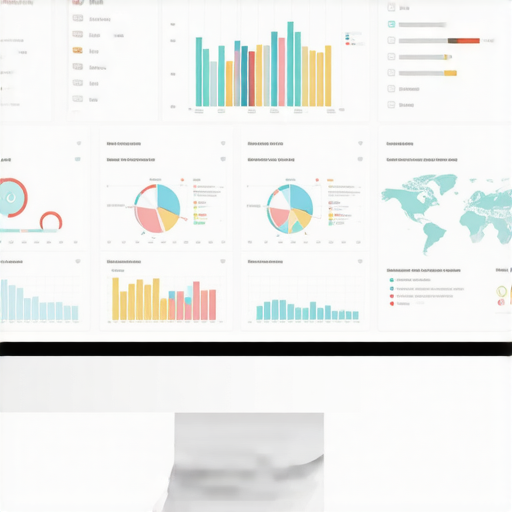

Ever spent hours poring over Google Maps rankings, only to realize that your efforts aren’t translating into meaningful results? I remember the frustrating moment when I looked at my local rankings and thought, “Is all this data even helping?” That lightbulb moment made me realize I was drowning in numbers without a clear way to interpret them. It felt like navigating a maze blindfolded. If you’ve faced similar struggles, you’re not alone.
Why Data Visualization Matters in Local SEO
In my early days, I made the mistake of looking at raw KPI data without considering how to **visualize** it effectively. This basic oversight cost me precious time and led to misinformed decisions. When I finally adopted map-based KPI visualization, everything changed. I could spot trends, identify issues, and optimize strategies faster than ever before.
Research indicates that visual data representations improve comprehension by up to 400% (source: Visual Cinnamon). This underscores why mastering visualization techniques, especially for Google Business Analytics, is essential for local SEO professionals eager for results.
Are you currently tracking the right KPIs or just collecting data for the sake of it? If you’re unsure, it might be time to revisit your approach. The good news? You don’t have to do it alone. There are proven strategies and tools that can help you interpret complex data intuitively.
In the following sections, I’ll share practical tips on how to leverage SEO reporting software and KPI visualization tools to maximize your local search visibility. Ready to leave the data chaos behind? Let’s get started.
How to Harness Google Business Analytics for Local SEO Edge
,
Set Clear KPIs and Map Them Precisely
Start by defining specific, measurable KPIs tailored to your local SEO goals, like Google Maps rankings, click-through rates, or customer reviews. Use tools like KPI visualization strategies to create a visual dashboard that translates raw data into actionable insights. I remember a time I focused solely on rankings, but after mapping reviews and engagement, I discovered new growth opportunities. Visual mapping helped me see which areas needed immediate attention.
Leverage Map-Based Visualization Tools
Utilize specialized SEO reporting software that offers map-based KPI visuals. These tools plot your local rankings across different neighborhoods or regions, making geographical trends instantly recognizable. For example, using map-based KPI visualization tools allows you to pinpoint underperforming zones. I once had a campaign where overall rankings looked fine, but the map revealed a hotspot lagging behind, directing my focus precisely where it was needed most.
Integrate Google Business Analytics Deeply
Dive into Google Business Analytics to extract insights about customer actions, search queries, and map views. Connect these metrics with your KPI dashboard for a comprehensive view. I experimented with tracking search queries and noticed a surge in branded searches, which tipped the scales in my favor for strategic positioning. Don’t just look at the numbers—visualize how users interact geographically and contextually.
Create Dynamic Reports with Actionable Data
Build reports that update in real time, highlighting trends and anomalies. Use SEO reporting software that integrates local maps, rankings, and analytics into a single interface. I remember setting up live dashboards for a client, which immediately showed fluctuations during a promotional event, enabling swift adjustments. Think of your reports as the GPS guiding your local SEO journey—clear, current, and easy to interpret.
Correlate Visual Data with Strategic Actions
Always link your visual KPI insights back to concrete actions—like optimizing Google My Business posts or citation corrections. For instance, after visualizing a drop in map views, I prioritized NAP consistency and saw subsequent ranking improvements. Use visualization as a decision-making shortcut: arrows pointing to success areas or warning zones streamline your focus.
Regularly Review and Refine Metrics
Schedule consistent reviews of your KPI maps and analytics. As local markets shift, so should your benchmarks. Test new visualization methods or software features by exploring latest visualization strategies. I once neglected updating my maps’ parameters and missed emerging trends; refining your approach keeps your insights sharp and relevant.
Many professionals assume that simply implementing SEO reporting software or mapping tools will automatically lead to better insights and results. However, a closer look reveals that most get caught in a trap of superficial data interpretation, often based on misconceptions. For example, some believe that tracking rankings alone tells the full story, but in reality, this approach overlooks critical contextual factors such as user intent and review sentiment. As expert analysts note, over-reliance on raw KPIs without considering their qualitative aspects can mislead strategic decisions.
Are We Missing the Forest for the Trees in Data Interpretation?
One hidden nuance involves the way advanced users sometimes misuse map-based KPI visualization tools. They focus solely on geographic anomalies, ignoring underlying factors such as seasonal fluctuations or recent algorithm changes. This mistake can cause false alarms and misallocation of effort. To avoid this, integrating supplementary insights—like review trends and local engagement metrics—is essential for a comprehensive view. Studies by leading SEO researchers highlight that multifaceted data interpretation significantly improves decision accuracy, yet many dismiss this complexity as overly advanced. Don’t fall into the trap of tunnel vision; effective KPI visualization requires a holistic approach. Additionally, a common myth persists that all SEO insights are best derived from automation. While automation accelerates data collection, human analysis remains crucial for identifying subtle patterns and context-specific nuances. Relying exclusively on software, without manual vetting, risks missing critical insights or overemphasizing irrelevant metrics. To truly harness your data, it’s vital to combine automated reports with strategic interpretation, focusing on how local signals like customer reviews and search query variations influence rankings. Patience and experience play substantial roles here; recognizing the differences between correlation and causation in your data sets distinguishes effective practitioners from novices. Remember, sophisticated KPI visualization isn’t solely about dazzling charts but about uncovering actionable stories behind the numbers. For instance, mapping review sentiment over time against ranking shifts can reveal hidden opportunities or threats that raw data alone can’t show. As industry experts recommend, regularly updating visualization strategies and challenging assumptions foster better insights. Curious how to implement these advanced techniques? Check out resources like Mastering SEO Insights for deeper guidance. Have you ever fallen into this trap? Let me know in the comments.
Keep Your Setup Running Smoothly
Maintaining effective KPI tracking and SEO reporting tools requires a proactive approach. I regularly schedule quarterly audits of my systems, ensuring that my data sources are connected correctly and that my dashboards reflect current priorities. Automating routine checks, such as verifying map rankings and Google Business analytics integration, minimizes downtime and keeps insights fresh.
Invest in Reliable Equipment and Software
Having quality equipment is foundational; I rely on a fast, secure internet connection and a high-performance laptop to handle data-heavy tasks. On the software side, I prefer tools like Maps Rank Tracking Secrets because they offer detailed, map-based KPI visualization tailored for local SEO, giving me an edge in monitoring multiple locations simultaneously. Additionally, SEO reporting software has advanced automation features that save me hours each week.
Long-Term Results Depend on Consistency
Tracking progress isn’t a one-and-done task. I set up recurring reports that analyze trends over months, using the built-in visualization tools to identify shifts early. Consistent monitoring of Google Business Analytics and map rankings allows me to tweak strategies before small issues snowball into significant gaps. Over time, this routine fosters stable growth and reliable visibility.
Scaling Your Efforts and Insights
As your local presence expands, tools like KPI visualization strategies become invaluable for managing larger datasets. Automating data collection and visualization ensures you can handle multiple markets without sacrificing detail. Predicting future trends, such as increased reliance on AI-driven analytics, I see a shift where integrating comprehensive Google Business insights with map-based KPI tools will be the norm—making real-time decision-making more accessible than ever.
How do I maintain consistent, accurate KPI tracking over time?
Regularly auditing your data flows, updating your software, and investing in high-quality tools are key. I also recommend setting up alerts for significant drops or spikes in rankings or engagement metrics, so issues are caught immediately. This proactive stance keeps your local SEO efforts resilient and responsive, ensuring your strategies remain effective amidst market changes. Don’t forget: always stay updated with the latest features in your tracking tools; for example, maximizing Google Business Analytics can uncover hidden opportunities for sustained improvement. Try implementing automated alerts today to enhance your monitoring process—these small steps can make a real difference in your long-term success.
What I Didn’t Expect About Data, Maps, and Rankings
One of the most profound lessons I learned was that raw data alone rarely tells the full story. Early in my journey, I relied heavily on rankings and impressions, but I overlooked the stories hidden within map-based visuals and review sentiments. My lightbulb moment came when I realized that integrating qualitative insights like customer reviews into geographic maps unlocked a deeper understanding of local engagement, transforming my strategies entirely.
Another revelation was understanding the importance of context—seeing a spike in map views without a corresponding review increase or keyword shift wasn’t enough. I had to correlate visual insights with real-world actions, like updating listings or optimizing Google Posts, to truly leverage the data’s power. This nuanced approach elevated my local SEO results faster than any generic strategy.
A third lesson was the necessity of patience. Visualizing KPIs over time revealed patterns that instant metrics couldn’t show. Consistency in tracking, refining visual dashboards, and interpreting maps helped me identify seasonal trends and service-area gaps, leading to sustainable growth. It’s not just about snapshots—it’s about a continuous narrative told through your data visuals.
Tools That Accelerated My Local SEO Wins
For anyone serious about unlocking the full potential of local data, I recommend tools like Maps Rank Tracking Secrets. Its map-based KPI visualization provided the geographical context I needed to target specific neighborhoods effectively. Pair that with Google Business Analytics insights to understand customer actions and search behaviors. These tools helped me craft hyper-localized strategies with confidence.
If you’re aiming for comprehensive, dynamic reporting, SEO reporting software that integrates maps, KPIs, and analytics seamlessly is indispensable. I’ve seen firsthand how live dashboards allowed me to respond swiftly during campaigns, tweaking tactics before small issues became big setbacks.
Finally, I cannot overstate the value of deliberate review and refinement. Regularly updating your KPIs and visualization methods ensures you don’t miss emerging opportunities or fall behind market shifts. Remember, effective data visualization is a dynamic, ongoing process—not a one-time setup. Trust these insights, and your local SEO efforts will flourish with clarity and purpose.
Ignite Your Inner Data Whisperer Today
If you’re ready to take your local SEO to the next level, start embracing map-based KPI visualization and integrated analytics. The real magic happens when you unlock stories behind your data and act on those insights. Have you tried visualizing your local KPIs in creative ways? Share your experiences or questions below—let’s learn and grow together!
,
This post really resonated with my experience in local SEO. I used to focus heavily on raw data like rankings without visual tools, which often left me guessing about the bigger picture. Incorporating map-based KPIs and visual dashboards completely transformed my approach, allowing me to identify regional trends and user engagement patterns more effectively. I’ve found that visualizing data helps clients understand their progress more clearly, making strategic decisions easier.
One challenge I’ve encountered is integrating qualitative data, like reviews and local engagement metrics, into these visual dashboards. Has anyone found effective ways to combine these insights seamlessly? Also, I’m curious about how often others update and review their KPI maps—weekly, monthly? It seems like consistent review is crucial to stay aligned with market changes.
Great insights in this post! I completely agree that visualizing KPIs through map-based tools can significantly enhance our understanding of local SEO performance. I recall a project where shifting from raw ranking data to interactive maps revealed a hidden opportunity in a neighboring district that wasn’t apparent before. It made me realize the power of geographic visualization in strategic planning. One aspect I’d love to explore more is the integration of social engagement metrics, such as reviews and customer comments, into these visual dashboards. Has anyone here successfully combined these qualitative signals with quantitative map data? Also, how often do you review and update your KPI maps? I find that monthly refreshes tend to keep the insights relevant but would be interested in others’ workflows. Overall, leveraging these visual tools definitely helps make more informed, localized decisions and boosts real results.