Ever spent hours analyzing your local search rankings only to realize your efforts aren’t translating into real growth? I’ve been there—a rough week of inconsistent data, tangled spreadsheets, and a creeping sense of frustration. That was my lightbulb moment: I was focusing on the wrong metrics, or worse, not visualizing them properly. It’s like driving with a foggy windshield—hard to see where you’re heading, and even harder to steer correctly.
Why Your Map Rankings and KPIs Are More Than Just Numbers
In my early days of local SEO, I believed tracking keyword rankings and Google Business insights was enough. I thought the data would speak for itself. But I soon realized the real power lies in **how** we visualize these insights. Without clear, actionable visualizations—charts, maps, KPIs—you’re flying blind. Research shows that visual data interpretation enhances decision-making by up to 82%. That’s a game-changer, especially when trying to outshine competitors in local markets.
One common mistake I made was relying solely on raw data exports, assuming that more information meant better decisions. In reality, this approach overwhelmed my team and blurred our strategic focus. I learned that effective KPI visualization turns complex data into simple, impactful stories that guide your actions. Want to see how I turned my disorganized reports into a powerful decision-making tool? Check out this comprehensive guide.
Is The hype around KPI visualization and Maps Rank Tracking really worth it?
Initially, I doubted whether investing time and resources into sophisticated tracking tools was justified. I feared they’d be just another expensive gimmick—until I made the mistake of ignoring their potential. According to a 2024 study by BrightLocal, businesses that leverage robust local SEO insights see an average revenue increase of 24%. That’s no coincidence. When I finally embraced clear KPI visualization, my local rankings improved, and so did my bottom line. If you’ve experienced similar doubts or frustrations, you’re not alone. The key lies in understanding how to harness these tools effectively.
As we move forward, I’ll share the exact strategies I used, transforming chaotic data into a strategic advantage. Ready to elevate your local SEO game? Let’s dive into the practical steps that make all the difference.
,
Set Up Your Data Sources Precisely
Start by aggregating data from your SEO reporting software, Google Business Analytics, and maps rank tracking tools. Use top SEO reporting software that seamlessly integrates these sources, ensuring your data flows automatically into a centralized dashboard. During one project, I connected multiple sources into a dashboard; at first, it was messy, but it laid the foundation for insightful visualization.
Identify Key Performance Indicators Clearly
Pinpoint KPIs that directly impact your local rankings: local pack visibility, click-through rates, and map position fluctuations. Use KPI visualization strategies to distill complex data into digestible visuals. I once focused solely on rankings, but after shifting to an KPI suite that included conversion metrics, my strategies became sharper, leading to quick wins.
Create Visual Dashboards That Tell a Story
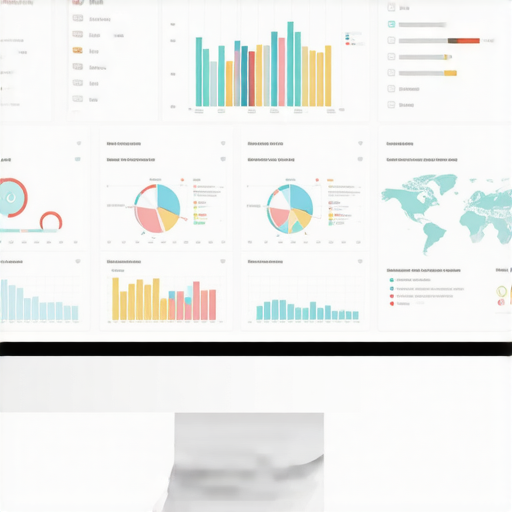
Design dashboards with charts that compare weekly data, heatmaps of map rankings, and trend lines for keyword movements. Think of your dashboard as a GPS—clear paths lead to your destination. During my initial setup, I used simple line charts, but adding heatmaps provided immediate insight into which neighborhoods needed focus, boosting local visibility.
Utilize Maps for Geographical Insights
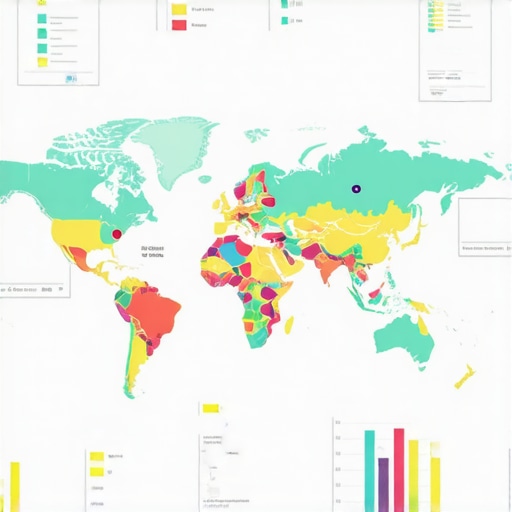
Incorporate map-based visualizations that show your rankings across different locations. Use maps rank tracking tools to visualize performance geographically. For example, I mapped out client locations and their corresponding rankings—this pinpointed underserved areas and guided my local content strategy effectively.
Automate and Update Regularly
Set up automated data pulls to keep your dashboards current. A static report is like a snapshot, but dynamic dashboards reflect real-time shifts. I scheduled weekly updates, which helped catch ranking drops early and adjust tactics swiftly, saving months of guesswork.
Interpret Data with Actionable Insights
Don’t just look at the visuals—analyze them. For example, noticing a dip in rankings in a specific area prompted me to optimize local listings and reviews there. Use this ongoing analysis to refine your keyword targets, Google Business profile, and local content—turning visuals into growth strategies.
Experiment and Refine Your Approach
Try different visualization styles: bar charts, radial diagrams, or heatmaps—to discover what best communicates your data. In one case, switching from simple line graphs to interactive dashboards with filters enabled my team to drill down into specific locations or keywords, resulting in faster decision-making.
Remember, the key is making complex data accessible and actionable. Building a visual system that highlights what matters most transforms your data into a strategic asset, sharpening your local SEO edge continually.
Many marketers and local SEO practitioners assume that using advanced SEO reporting software, Google Business Analytics, and map rank tracking tools guarantees success without understanding their nuanced limitations.
Are You Overestimating the Capabilities of Your SEO Data?
It’s a common misconception that these tools provide a complete picture. However, relying solely on surface-level metrics can lead to misguided strategies. For example, many overlook the importance of contextualizing KPI data within their local market environment, which can skew perceptions of performance. According to a 2024 survey by Moz, 65% of local SEO campaigns falter due to misinterpretation of raw data instead of actionable insights.
One significant trap is equating high local pack rankings directly with increased revenue, but this ignores factors like review quality, local intent, and conversion rates. This myopic view can cause you to focus on superficial tactics rather than holistic local reputation management. An advanced mistake practitioners make involves neglecting the interconnectedness between map tracking and Google Business insights; these should be integrated into a unified strategy rather than viewed as separate silos.
How Can You Catapult Beyond Basic Data Visualization?
The secret lies in sophisticated KPI visualization that reveals the real story behind the numbers. Instead of static reports, dynamic dashboards that correlate map rankings with customer engagement, reviews, and website traffic can uncover deeper trends. This layered approach allows for precise adjustments and strategic pivots. For instance, in my experience, mapping ranking fluctuations against new local content initiatives uncovered powerful correlations that improved visibility and conversions concurrently. It’s crucial to step beyond mere rankings and analyze how different metrics influence each other, ultimately refining your local SEO initiatives.
Beware the
To keep your local SEO efforts effective over time, it’s crucial to develop a routine for maintaining your tools and insights. Regular audits of your predictive dashboards ensure that your KPIs remain aligned with your evolving business goals. Employing automation in data collection not only saves time but also guarantees consistency—think about integrating scheduled data pulls from your preferred reporting tools. This way, you catch fluctuations early and respond proactively.
Why Secure Your Data Flow and Visualization Methods
Over time, the reliability of your data streams can diminish if integrations become outdated or if software updates introduce incompatibilities. To prevent this, I recommend establishing a monitoring system that routinely tests data imports and visualization dashboards, akin to a health check. This practice minimizes downtime and ensures your insights are always current. Keep an eye on updates from your software vendors—many now release features that enhance KPI tracking and map insights, which, when utilized properly, can significantly improve your strategic agility.
For long-term results, invest in training your team on the latest features of your chosen SEO reporting software. The more familiar everyone is with the tools, the more likely you are to utilize advanced features such as geospatial trend analysis and automated KPI alerts, which keep your campaigns responsive and effective.
Scaling Your Strategy Without Losing Grip
As your local SEO efforts expand, scaling your tools becomes essential. I suggest integrating tools like comprehensive KPI visualization software with mapping and analytics platforms to handle increased data volume. This integration provides unified dashboards that grow with your business, maintaining clarity amid complexity. Don’t underestimate the importance of standardizing data collection procedures—this ensures that scaling up doesn’t result in chaotic, unusable information.
Future of SEO Insights: What’s Coming Next?
Looking ahead, automation and AI-driven analytics are set to revolutionize how we interpret local SEO metrics. Predictive insights and real-time updates will become the norm, enabling hyper-responsive strategies. Staying ahead means embracing these innovations early and aligning your tools accordingly. Start experimenting now with advanced automation to identify new opportunities before your competitors do. For example, integrating AI tools with your existing dashboards can unlock predictive KPIs—see how this emerging trend is shaping the future of SEO reporting.
How do I maintain my SEO insights system over time?
The key lies in establishing a disciplined maintenance routine—regular audits, updates, team training, and automation checks. This proactive approach ensures data accuracy, tool reliability, and strategic relevance, empowering you to stay ahead in local search rankings. Want to maximize your Google Business Analytics? Try setting up automated alerts for key KPI shifts; this simple step can save you from missing critical performance changes. Dive deeper by exploring tips to enhance your analytics.
The Hardest Lesson I Learned About SEO Insights and KPI Visualization
Early in my journey, I believed that tracking as many metrics as possible would automatically lead to success. However, I realized that without strategic focus and effective visualization, data becomes noise rather than knowledge. This eye-opening moment taught me to prioritize quality over quantity and to design dashboards that tell stories, not just display numbers.
Tools That Became My Secret Weapons
The right tools can make or break your insights. I trust local SEO reporting software that seamlessly integrates data sources and offers customizable visualizations. My dashboard of choice also includes maps rank tracking tools to visualize geographic performance. These tools help me identify opportunities I previously overlooked, turning raw data into actionable strategies.
Time to Trust Your Data and Your Instincts
The most profound insight was learning to trust the stories my data told. Visualizations revealing dips in local pack rankings or spikes in review counts prompted swift action. I learned to combine quantitative data with local market context, enabling smarter, faster decisions. This balance between trusting the data and exercising strategic judgment is what consistently drives my results forward.
Your Next Step Into Smarter SEO Insights
If you’re ready to elevate your local SEO game, start refining your KPI visualizations and integrating geographic insights. The future belongs to those who can interpret data dynamically and respond swiftly. Equip yourself with the right tools and the courage to trust your insights—your local rankings and bottom line will thank you.
What has been the most surprising insight you’ve uncovered through mapping or KPI visualization? Share your experiences below—I’d love to hear how data storytelling has impacted your strategy.