Ever spent hours trying to decipher why your local business rankings suddenly plummeted overnight? I remember those frustrating moments vividly. It might seem like a never-ending game of whack-a-mole with rankings, where every new update or algorithm tweak throws you off course. I used to think I could navigate the chaos with basic tools, only to realize I was missing critical insights that could make or break my local SEO efforts.
Why Tracking Maps Rankings & KPIs Matters More Than Ever
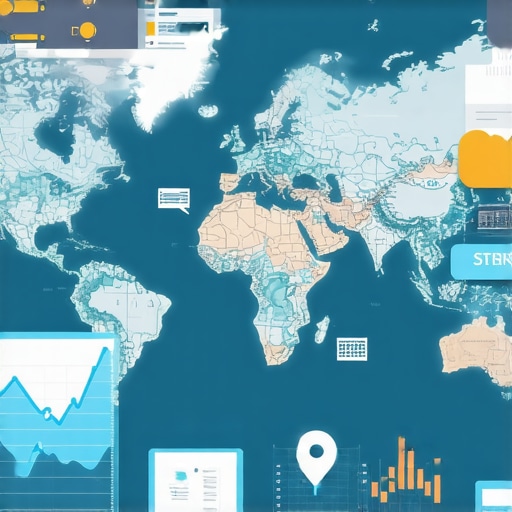
In 2025, local SEO isn’t just about keywords and backlinks. It’s about understanding how your presence on maps and local listings impacts your bottom line. With the rise of voice search and mobile-first indexing, your visibility in local searches can change dramatically overnight. If you’re not monitoring your Google Maps rankings and KPIs closely, you’re essentially flying blind in a storm without a compass.
One thing I learned early on—mistakes are part of the journey. I once relied solely on Google Search Console to track local rankings. Turns out, it only showed part of the story. I was missing out on crucial insights that come from dedicated map-based rank tracking tools. That oversight cost me potential clients. Since then, I’ve made it my mission to find the best tools for real-time data visualization and KPI tracking that truly reflect local search performance.
Is It Really Worth the Hype? The Truth About Local SEO Tools
When I first heard about specialized map-based rank tracking and KPI visualization tools, I was skeptical. Honestly, I thought, “Do I really need another dashboard?” But I made the mistake of dismissing their value too quickly. The truth is, these tools provide a granular view of local rankings—something generic analytics simply can’t match. They help you identify what works, what doesn’t, and where to focus your efforts for maximum impact.
If you’ve faced the challenge of tracking local rankings accurately or struggled to visualize KPIs that matter, you’re not alone. The good news? There are proven strategies and tools that can transform your approach and give you a real competitive edge. Ready to dive into the practical steps? Let’s explore how to choose the right maps rank tracking and KPI visualization tools for your local SEO success in 2025.
Set Up Your Data Collection Framework
The first step in leveraging maps rank tracking and KPI visualization is establishing a robust data collection system. Think of it as constructing a foundation for a skyscraper—without it, everything else collapses. Use dedicated tools like map-based rank tracking tools to monitor your local rankings daily. These tools provide granular insights that generic analytics miss, giving you a detailed view of your position on Google Maps and local search results.
Automate Your Data Gathering
Manual checks are slow and error-prone. Instead, automate your data collection using APIs or scheduled reports. For example, integrate your rank tracking software with a dashboard that updates every morning. This setup allows you to spot ranking drops or gains instantly, much like having a security camera watching your rankings 24/7. I remember setting up my first automation—initially, it was a mess with data overlaps, but after refining my scripts, I could see real-time shifts and react proactively.
Visualize KPIs Clearly for Actionable Insights
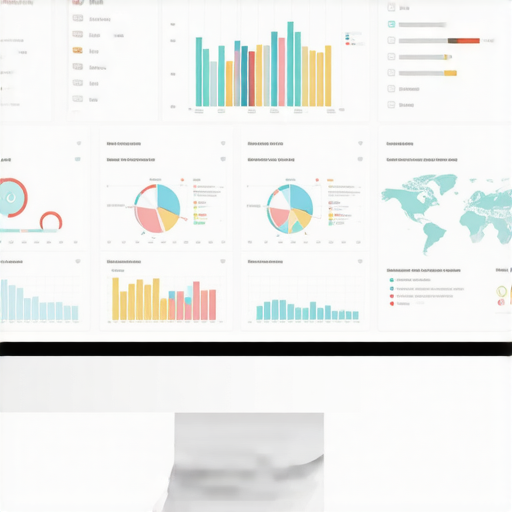
Once data flows in, the next step is transforming raw numbers into visual stories. Use tools like KPI visualization strategies to create dashboards that highlight critical metrics: local rankings, click-through rates, and customer engagement levels. Imagine your KPIs as a dashboard in a car—clear, concise, and showing you what matters most at a glance. I once spent hours deciphering spreadsheets until I built a dashboard that instantly revealed my top-performing locations and the keywords driving traffic. It was a game changer.
Customize for Your Goals
Every local business has unique objectives. Tailor your KPIs to reflect what truly impacts your growth—whether it’s visibility on Maps, Google Business Profile engagement, or local conversion rates. Incorporate specific metrics like new reviews or photo views to gauge local trust. This targeted approach ensures your efforts align with your business goals, much like adjusting the knobs on a sound mixer for perfect harmony.
Track Progress Over Time for Long-Term Success
Consistent monitoring is your best ally in maintaining and improving your local SEO performance. Use historical data to identify patterns—are rankings improving after your recent Google My Business updates? Are certain neighborhoods lagging behind? Regularly review your dashboards and adjust strategies accordingly. I found that quarterly deep dives helped me catch emerging issues early and capitalize on new opportunities, much like a gardener tending to seasonal growth cycles.
Refine and Iterate
The process doesn’t end after initial setup. Continuously refine your tracking and visualization methods. Experiment with new KPIs, adjust visual layouts, and incorporate feedback from your team or clients. The landscape changes rapidly—what works in 2025 might need tweaking tomorrow. Staying agile with your tools, like SEO reporting software, keeps you ahead of the competition.
By implementing these concrete steps—automating data collection, visualizing KPIs effectively, customizing for your goals, and refining your approach—you transform raw data into a strategic asset. This empowers you to dominate local search results and make informed decisions that propel your business forward.
Many local SEO practitioners fall into a trap when they assume that simply tracking basic rankings or using generic analytics tools gives them the full picture. In reality, understanding the nuanced landscape of local map rankings and KPI measurement requires going beyond surface-level metrics. One widespread misconception is that all ranking fluctuations are purely algorithmic and uncontrollable. While algorithms do play a role, the real issue often lies in misinterpreting data signals or relying on incomplete tools.
For example, many believe that Google Maps rankings are static or only change with major updates. In my experience, rankings are highly sensitive to local factors like review velocity, photo updates, and even niche-specific signals. Overlooking these variables can lead you to chase false leads or misattribute causes for ranking shifts. It’s crucial to have tools that not only track rankings but also contextualize changes based on local activity—something that map-based rank tracking tools excel at.
Are You Missing the Big Picture in Your KPIs?
Another common mistake is focusing exclusively on rankings without correlating them with engagement metrics. Many assume that higher map rankings automatically translate into more visits or conversions, but that’s not always true. KPIs like click-through rates, review counts, and photo views often tell a more accurate story about actual local visibility and customer trust. Relying solely on position data can give a skewed sense of success, leading to misguided strategies. For instance, boosting rankings without improving user engagement metrics might result in hollow gains that don’t impact your bottom line. To get a comprehensive view, incorporate Google Business Analytics insights into your dashboard.
Moreover, many overlook the importance of timing and data freshness. Rankings and KPIs fluctuate throughout the day, influenced by user activity and local events. Relying on outdated data can cause you to react too slowly or chase transient trends. Automating data collection with real-time dashboards ensures you’re always acting on current insights, reducing the risks of misjudgment.
Finally, a significant pitfall is underestimating the impact of local intent signals, such as recent reviews or Q&A activity. These micro-moments can dramatically influence local search visibility and user trust, yet they are often ignored in standard KPI sets. Integrating these signals into your tracking can help you identify small but impactful changes that drive real growth. For a deeper dive into effective KPI strategies, check out these visualization strategies.
In summary, the key to mastering local map rankings and KPIs is to embrace a nuanced, context-aware approach. Avoid simplistic assumptions and leverage advanced tools that offer comprehensive insights, real-time data, and micro-metric analysis. Only then can you truly optimize your local SEO efforts and turn data into actionable success. Have you ever fallen into this trap? Let me know in the comments.
Keeping your local SEO efforts sustainable over time demands more than just initial setup; it requires continuous monitoring, regular adjustments, and the right tools to make this process efficient and effective. Personally, I rely heavily on specialized software that not only tracks rankings but also offers deep insights into user engagement and local signals, ensuring I stay ahead of the curve in 2025 and beyond.
How do I keep my local SEO thriving year after year?
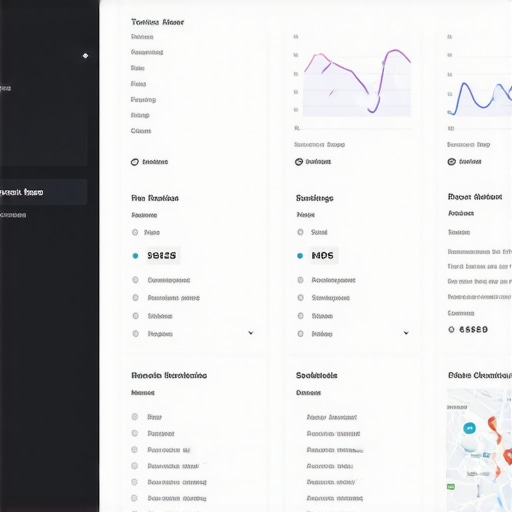
My go-to tool for this is SEO reporting software. It provides comprehensive KPI dashboards that update in real time, allowing me to spot fluctuations in rankings and engagement metrics immediately. This proactive approach means I can respond swiftly to algorithm changes or local market shifts, maintaining consistent visibility.
Another indispensable resource is map-based rank tracking tools. These are crucial because they give granular insights into how your business performs on Google Maps, which is vital for local businesses aiming to dominate their niche. I use them daily to verify that my local listings are optimized and to identify areas needing attention, like new reviews or photo updates that can boost rankings.
But tools alone aren’t enough. To maintain long-term success, I also incorporate Google Business Profile analytics. This helps me understand user behavior, review trends, and engagement levels, which are often overlooked but critical for sustained growth. Combining these insights with regular content updates and reputation management creates a resilient local SEO strategy.
What’s next for local SEO tools?
As we move forward, I predict AI-powered analytics will become even more integral. They will automate anomaly detection, forecast ranking trends, and suggest actionable improvements. Already, some tools are beginning to incorporate machine learning to analyze local signals more accurately, making it easier for practitioners to stay ahead without drowning in data.
To stay effective, I recommend you commit to revisiting your toolset annually. Test new features, adapt your KPIs, and explore emerging platforms. For instance, experimenting with advanced KPI visualization can reveal insights that simple metrics might miss. Remember, the key to long-term success is continuous adaptation supported by smart tools.
If you’re ready to elevate your local SEO game, start by integrating a robust reporting platform that suits your scale. Regularly review your KPIs, automate where possible, and stay informed about evolving trends. This approach ensures your efforts remain effective, scalable, and resilient against future algorithm shifts and local market changes.
The Hardest Lesson I Learned About Local SEO Data
One of my biggest lightbulb moments was realizing that not all ranking fluctuations are purely algorithm-driven. Early on, I thought Google’s algorithm was the sole factor, but I soon discovered local signals like recent reviews, photo updates, and customer Q&A can dramatically influence your rankings. Ignoring these micro-moments led me to chase false leads, wasting time and resources. Now, I prioritize tools that contextualize ranking changes with local activity, which has been a game changer for maintaining visibility.
3 Myths About Local SEO Tracking That Held Me Back
Myth one: Using generic analytics tools is enough for local rankings. The truth is, map-based rank tracking tools like these specialized solutions give you granular insights that matter.
Myth two: Higher rankings always mean more business. Engagement metrics such as reviews, photo views, and click-through rates often tell a more accurate story about your actual local visibility and trust.
Myth three: Tracking KPIs once is sufficient. In reality, continuous, real-time monitoring paired with regular refinement keeps your strategy agile and effective.
What Experts Won’t Tell You About Long-Term Local SEO Growth
Most practitioners underestimate the importance of micro-metrics and local signals. Incorporating Google Business Profile analytics and micro-moment tracking into your KPIs reveals subtle shifts that drive big results over time. Staying adaptable—using tools like advanced SEO reporting software—is essential for long-term success, especially as AI-powered analytics become more prevalent.
My Essential Toolkit for Local SEO Mastery
For comprehensive tracking and visualization, I rely on a few trusted tools. Map-based rank tracking tools give me real-time insights into Google Maps performance, while Google Business analytics helps me understand customer engagement. For KPI visualization, these dashboards make it easy to interpret complex data at a glance. Combining these ensures I stay proactive and data-driven.
Stay Inspired to Elevate Your Local SEO in 2025
Your journey to mastering local map rankings and KPIs begins now. Embrace continuous learning, leverage the right tools, and stay agile in your strategies. Remember, data is only powerful when you act on it. Keep refining, stay curious, and watch your local visibility soar. Are you ready to turn your local SEO efforts into a dominant force? Share your thoughts below and let’s grow together!