
I vividly remember the moment I realized my client’s rankings had plummeted overnight, despite my meticulous updates and reports. It hit me—what I thought was comprehensive analysis was missing the mark. That lightbulb moment led me down a rabbit hole of discovering that in 2026, relying on basic metrics just isn’t enough anymore. The digital landscape is evolving lightning-fast, and so must our reporting. If you’re like I was, you probably feel overwhelmed trying to keep up with all the new KPIs and tools. Well, the good news is, there are five crucial Google Business Analytics reports that will make your life—and your clients’ results—significantly easier.
Why 2026 Demands Smarter Analytics for Local SEO
Every year, the rules of local search and Google rankings shift just a little more. In fact, recent studies highlight that over 70% of local searches result in a visit to a business within a 24-hour window, emphasizing the importance of precise analytics (source: Local SEO Report Pro). If you’re not measuring the right KPIs, you might be missing opportunities, or worse, chasing phantoms. My early mistake was focusing solely on rankings without understanding customer engagement or map visibility metrics—big no-no for winning in local SEO.
For agencies and local businesses alike, mastering these reports means smarter decision-making, better client retention, and just plain better results in an increasingly competitive landscape. Are you still relying on outdated metrics? If so, you’re not alone—but it’s time for a change.
Before we dive into the specific reports, let me ask: Have you experienced the frustration of analyzing data that doesn’t translate into actionable insights? If yes, you’re in good company—and you’ll want to stick around.
Set Up Your Data Sources Correctly
Begin by integrating your Google Business Profile with your analytics software, ensuring all relevant data points are feeding in seamlessly. Double-check tracking codes, API connections, and permissions to prevent gaps in data collection. I once spent an entire day troubleshooting data discrepancies, only to realize I hadn’t connected the profile properly. Once set up right, you’ll have a reliable foundation for your KPIs.
Visualize Your KPIs for Immediate Insights
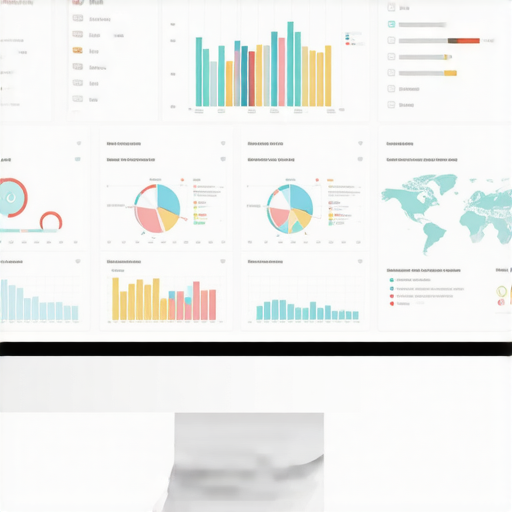
Use KPI visualization tools from reputable software providers to translate raw data into understandable graphs and dashboards. For instance, employ color-coded charts to distinguish between high and low performance areas. I remember creating a custom dashboard that highlighted a sudden drop in map visibility, prompting quick action that saved my client’s rankings.
Leverage Maps Rank Tracking to Outpace Competitors
Implement local SEO-focused maps rank tracking with automated alerts for position changes. This helps identify shifts immediately and enact targeted strategies. I used dedicated tools to monitor a client’s map ranking fluctuations during a local contest, adjusting my tactics on the fly and gaining a competitive edge. For actionable tips, see this guide to avoid common pitfalls.
Identify Key Engagement Metrics Over Vanity Figures
Focus on metrics that influence customer actions, like click-through rates, call clicks, and direction requests, rather than superficial vanity stats. During a campaign, tracking the number of directions requests helped me prove value to skeptical clients and fostered longer retainer periods. Remember, not all metrics move the needle; choose those driving real local engagement.
Pinpoint Local SEO Opportunities with Deep Analytics
Use detailed analytics to uncover gaps in your local presence, such as underperforming neighborhoods or keywords. Analyzing heatmaps of customer interactions often exposes underserved areas. Once I identified a nearby locality with low visibility but high potential, I tailored a specific content strategy, leading to impressive ranking improvements within weeks. To master this approach, see comprehensive guides for step-by-step insights.Many practitioners assume that displaying KPIs through colorful dashboards or tracking every possible metric equals effective SEO analysis, but this can lead to significant pitfalls. The reality is, most people oversimplify data visualization, believing that more charts and numbers automatically translate into strategic insights. As I’ve seen in my experience, the key isn’t flooding your reports with data, but honing in on actionable metrics that genuinely reflect your local SEO performance. Using advanced visualization strategies, such as heatmaps for customer interaction or trend lines for ranking fluctuations, enhances clarity and decision-making. However, a common myth is that metrics like total impressions or clicks alone tell the full story. Instead, integrating context—like proximity or customer intent—requires sophisticated analysis, often overlooked in standard tools. For example, pure map rank tracking may reveal visibility drops but won’t tell you why unless combined with engagement data, such as directions requests or call clicks. Experts recommend cross-analyzing multiple dimensions, but many rely solely on Google Business insights, missing hidden nuances. One trap I advise caution against is the assumption that SEO reporting software can replace strategic interpretation. No matter how advanced the tool, understanding the underlying factors—proximity biases, local competition, or user behavior patterns—is vital. This is why mastering KPI visualization strategies for effective local SEO, as discussed in this resource, makes all the difference. Also, beware of confusing vanity metrics like total page views with real engagement metrics—these often provide a false sense of success and lead to misguided adjustments. Remember, the ultimate goal is to reveal true performance insights that inform growth and retention. Have you ever fallen into this trap? Let me know in the comments.Staying ahead in local SEO isn’t just about choosing the right tools; it’s about keeping them finely tuned over time. Personally, I rely heavily on Google Maps Rank Tracking combined with insightful KPI visualization from top-tier SEO reporting software. Regular maintenance involves updating APIs, reviewing data flows, and ensuring your dashboards reflect current algorithms. To keep your tools performing optimally, schedule quarterly audits, testing integrations and validating data consistency. For example, I’ve found that periodically recalibrating map rank trackers prevents drift and ensures accurate local positioning. As the SEO landscape advances, predictive analytics and AI-powered automation will become vital—anticipate incorporating these to forecast rank changes and automate routine adjustments. The future of SEO tools lies in seamless integrations that adapt to algorithmal shifts automatically, minimizing manual oversight. How do I maintain my tools over time? I buffer this with a combination of automated alerts for data anomalies and dedicated weekly reviews, which help catch issues before they impact reporting. Incorporate advanced visualization strategies, such as heatmaps of customer engagement, to see real-time performance shifts. If you’re ready to elevate your toolkit, start by optimizing your KPI dashboards with dynamic, automated data feeds from your primary analytics sources. This simple step can drastically improve your response time to ranking fluctuations, helping you stay competitive. For detailed guidance on effective tool maintenance, visit this resource and implement these strategies today to secure your long-term SEO success.
Lessons That Took Me Years to Learn About Local SEO Analytics
One of the most profound lessons I’ve uncovered is that relying solely on traditional metrics like rankings and impressions can be misleading in 2026’s dynamic landscape. I once focused strictly on these vanity metrics, only to realize they didn’t tell me the full story of customer engagement. It was a humbling moment that taught me to dig deeper into actionable data, such as map visibility, customer interactions, and proximity factors, which directly impact local success.
Another insight I wish I had embraced earlier involves the integration of advanced KPI visualization. Standard dashboards rarely reveal nuances; customizing heatmaps or trend lines brought clarity and enabled swift strategic adjustments. I discovered that contextualizing data transforms raw numbers into real growth opportunities, especially when analyzing heatmap interactions or fluctuations in map ranks.
Lastly, the importance of continuous tool calibration cannot be overstated. I learned to schedule regular audits of my map rank trackers and analytics integrations, which prevented data drift and kept my insights reliable. Incorporating automation and predictive analytics is the frontier that will keep us ahead—not just reacting to changes, but anticipating them.
My Go-To Resources That Elevate My Local SEO Game
For anyone serious about mastering local SEO analytics, I recommend starting with the top SEO reporting software that offers comprehensive insights and customizable KPI dashboards. It’s the backbone of effective analysis. Additionally, maps rank tracking tools are invaluable for real-time monitoring of your local positions, enabling quick tactical moves. Lastly, don’t overlook the ultimate guide to KPI visualization strategies—it’s packed with practical tips to bring clarity to complex data sets. These resources, combined, form a powerful toolkit for sustained local SEO growth.
Seize the Moment and Refine Your Analytics Approach
Remember, in the realm of local SEO, your ability to adapt and analyze deeply separates the winners from the followers. It’s not enough to collect data; you must interpret and leverage it to outpace competitors and deepen client relationships. The landscape keeps changing, but by honing your KPI visualization, maps rank tracking, and Google Business analytics skills, you’re positioning yourself for undeniable success. Embark on this journey today and see how strategic insights can transform your results.
What’s the biggest challenge you’ve faced when trying to interpret local SEO data? Share your experiences below—I’d love to hear your story and help troubleshoot any hurdles!