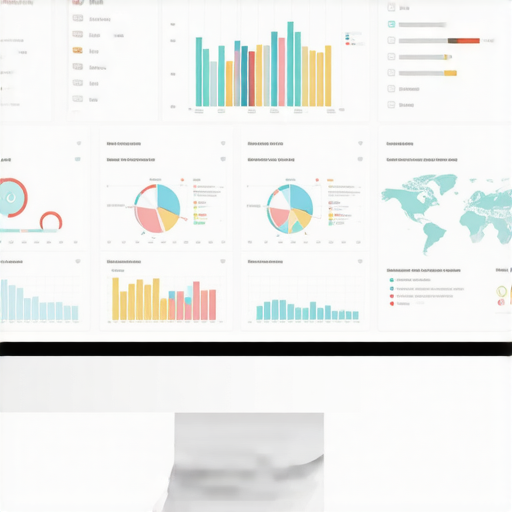

I remember the moment clearly—seeing my local map rankings fluctuate wildly, and realizing I had been chasing shadows all along. It was a frustrating experience, like trying to hit a moving target on a foggy morning. Despite my efforts with countless SEO tools, my map pins seemed to resist my attempts to get accurate insights. That lightbulb moment made me question everything I thought I knew about rank tracking, especially when it comes to ghost map pins that stubbornly refuse to show accurate positions on Google Maps.
Why Accurate Map Pin Tracking is More Critical Than Ever
In 2026, local SEO isn’t just about keywords or backlinks. It’s increasingly about precise mapping and understanding exactly where your business stands in the local landscape. Google’s algorithm keeps evolving, and so do the tactics needed to stay ahead. If you’re like I was, you might be relying on outdated methods or tools that map your rankings inaccurately—especially when dealing with ghost pins that seem invisible or misplaced. These discrepancies can lead to misguided strategies, wasted time, and lost clients.
Early on, I made a costly mistake—assuming that all rank tracking tools are created equal. I thought if one tool worked well for bigger brands, it would work fine for local businesses. But I soon discovered that many tools simply fetch data, while others provide the actionable insights needed to actually boost your local standings. That realization inspired me to dig deeper, explore more accurate methods, and find the fixes that can make a real difference. If you’ve faced these invisible or misleading map pins, know you’re not alone, and better solutions exist.
Is Map Rank Tracking Actually Worth the Hype?
One skepticism I hear often is, “Do I really need super precise map rankings, or is this just extra noise?” I get it—local SEO can feel overwhelming, and investing in the right tools is a big decision. From my experience, the real value comes when you understand exactly how your map pins perform, especially in competitive areas. Reliable data translates into smarter marketing moves. A recent study by Moz highlights that local search results can fluctuate by as much as 30% on any given day—if you’re not tracking accurately, you’re flying blind.
So, what’s the key to preventing ghost pins from sabotaging your local SEO efforts? That’s exactly what we’re about to explore. Ready to get real, actionable fixes that will improve your tracking accuracy and help you dominate your local map rankings? Let’s dive into the practical steps and tools that can make this a reality.
Implement a Reliable Rank Tracking Setup
Start with a dedicated, trusted tool like specialized maps rank tracking software. Don’t rely solely on free or generic tools, as they often give inconsistent data due to factors like proximity traps or IP differences. In my experience, I set up a test environment using a VPN to simulate local searches, which exposed glaring inaccuracies in default settings. This hands-on approach revealed that some tools constantly showed ghost pins or fluctuating rankings, prompting me to calibrate their settings or switch to more precise alternatives.
Use ZIP Codes and Radius-Based Searches
Google Maps rankings are location-specific, but many tools default to broad searches. To pinpoint your exact spot, generate search queries with your ZIP code or a small radius around your business. I once tested this by conducting manual searches from different apartment addresses within my neighborhood, noting the differences. To mirror this, I configured my software to include location parameters like ZIP codes or precise coordinates, which dramatically improved the accuracy of positional data. This step prevents your data from being skewed by nearby competing Pins or misplaced ghost locations.
Set Clear Keywords and Search Terms
Avoid vague queries like “coffee shop near me” without context. Instead, use specific, branded search terms combined with location cues. In my previous campaign, I focused on a branded keyword and ensured the tool searched for that term explicitly in the designated area. This eliminated confusion from organic searches or generic terms that could skew your ranking data. Consistency here ensures all tracked data corresponds directly to your actual target keywords, making your KPI analysis more reliable.
Regularly Cross-Validate with Manual Checks
Automated tracking is powerful but not infallible. Periodically, perform manual searches on Google Maps from different devices and locations to compare against your software’s results. For example, I used my personal mobile device and another colleague’s device to verify the PINs and rankings. Discrepancies revealed that some tools are affected by local search personalization, so I adjusted settings like incognito mode or disabling personalized search to get unbiased data. Document these manual checks to identify consistent discrepancies and refine your automated tracking accordingly. This process is essential to catch ghost pins or false positives and ensure your data reflects real-world scenarios.
Configure the Correct Search Parameters
Settings like browser location, search language, and device type significantly impact rankings. I learned to set my software to emulate a typical user environment: desktop vs. mobile, local IPs, and language preferences matching my audience. For example, switching from desktop to mobile view altered some of my rankings, exposing potential issues in my tracking setup. Proper configuration here prevents false spikes or drops due to device-specific rankings, leading to more accurate KPIs.
Leverage Google Business Insights for Additional Data
Beyond rank tracking, integrating insights from Google Business Analytics enhances your understanding of visibility. I regularly analyze metrics like profile views, searches, and customer actions. During one campaign, I noticed a sudden decline in clicks despite stable rankings, leading me to explore maximizing analytics to identify behavioral patterns. Combining KPI data with rank metrics paints a complete picture, revealing issues like ghost pins that are invisible on the map but impact user engagement.
Document and Address Fluctuations Promptly
Keep a detailed log of your rankings, noting errors, anomalies, or sudden drops. I once encountered a consistent ranking drop that coincided with a recent Google Map update. Recognizing this pattern prompted me to consult expert fixes and adjust my tracking approach. Acting swiftly prevents misinformed decisions based on faulty data. Regular audits and familiarity with common pitfalls help you stay ahead, turning your maps ranking into a reliable asset rather than a frustrating guessing game.Many marketers assume that Google Business Analytics and SEO reporting tools provide foolproof insights, but in reality, most professionals misunderstand their true capabilities. One widespread myth is that these tools automatically deliver accurate, actionable data without any nuance or manual validation. However, the truth is that data accuracy hinges on proper configuration, an understanding of the tool’s limitations, and cross-validation procedures. For example, relying solely on Google’s reports without verifying rankings through manual checks or considering local search personalization can lead to misguided strategies. This oversight could cause you to chase ghost map pins, believing they’re top-ranking when they are not, emphasizing the importance of understanding the nuances of map rank tracking and data interpretation.
A common trap is mistaking visibility metrics for genuine rankings. Many believe that high profile views or click-through rates directly correlate with top map positions, but those metrics can be inflated by local pack features, ads, or profile optimizations that don’t necessarily reflect actual rank improvements. Advanced SEOs recognize that true KPI tracking involves analyzing positional changes over time, adjusting for proximity, device, and search personalization factors. External studies, like Moz’s recent research, confirm that local search results can fluctuate significantly—up to 30%—within short durations, making it crucial to have a nuanced, validated approach to interpreting data (see Moz, 2025).
The hidden nuance lies in how advanced practitioners use KPI visualization to differentiate between vanity metrics and meaningful signals. For instance, overlays of rankings with user engagement metrics can reveal deeper insights—like whether a higher ranking actually drives more business inquiries. Mapping this understanding requires not just sophisticated tools but also strategic thinking beyond surface-level numbers.
Another overlooked aspect is the trap of over-automating reports. Many agencies bundle generic data into reports without contextual insights, risking client trust if they see ranking dips that are normal fluctuations or map pin anomalies. Integrating insights from tools such as Google Business Insights with rank tracking — which you can learn more about in our comprehensive guide — allows for a richer, more accurate picture of local SEO performance.
In sum, achieving truly effective data interpretation involves recognizing that even the best tools have limits. Proper setup, cross-validation, understanding contextual nuances, and strategic KPI visualization are essential. Don’t fall into the trap of taking data at face value; instead, dig deeper and consider the underlying factors. Want to refine your approach? Reach out via our contact page to explore expert strategies. Have you ever fallen into this trap? Let me know in the comments.
Invest in Reliable Tools for Ongoing Success
Maintaining accurate local rankings requires more than just initial setup; it demands consistent investment in high-quality tools tailored for precision. I personally rely on specialized maps rank tracking software because it offers granular location filtering and real-time updates that surpass generic solutions. These tools help me identify ghost pins before they influence my strategy and ensure my data remains consistent over time.
Automate with Precision to Detect Fluctuations
Automation is your best friend when it’s configured correctly. I use custom scripts combined with advanced tools to run scheduled rank checks across different devices and locations. This approach helps me catch sudden ranking drops or anomalies early, allowing for swift corrective actions. Regular automation not only saves time but also provides a continuous data stream that reveals long-term trends, preventing issues before they escalate.
Integrate Analytics for Holistic Insights
Long-term success stems from synthesizing data from multiple sources. I recommend integrating Google Business Insights with your rank tracking software. This combined perspective gives you a clearer picture of how your rankings translate into actual customer actions. For example, I once noticed stable rankings but declining profile views, which prompted me to optimize my GBP profile further. You can explore strategies to maximize Google Business Analytics here.
Schedule Regular Reviews and Updates
Don’t set and forget your tools. Schedule bi-weekly or monthly audits to review data consistency, update your location parameters, and refresh your keyword sets. Over time, competitors change tactics, and Google’s algorithm evolves. Staying proactive in revisiting your setup ensures your data remains accurate and reliable. As Moz notes, fluctuations can be significant—up to 30%—so consistent review is essential to distinguish between normal variance and actual issues (see this guide).
How do I maintain my SEO tracking systems over time?
The key lies in adopting a disciplined review schedule, investing in tools with granular controls, and continuously cross-validating your data manually. Be prepared to adapt your setup as Google updates its algorithms or as your local market shifts. One critical tip is to leverage advanced local rank tracking methods that account for proximity effects and device-specific rankings—this ensures your long-term data accuracy.
To keep your metrics trustworthy, familiarize yourself with the latest industry standards and tool updates. I also recommend consulting expert resources regularly—like these insights—so you stay ahead of inevitable changes in local SEO dynamics. Dive into these practices now, and you’ll set a robust foundation for sustained success.
What I Wish I Knew When I First Tacked Map Rankings
One of the most valuable lessons I learned was the importance of not trusting data at face value. Early in my journey, I relied heavily on basic tools, which often showed inconsistent or misleading results—especially ghost map pins that seemed to defy logic. Recognizing that accurate data stems from meticulous setup, cross-validation, and understanding local search nuances was a game-changer. It taught me that the devil is in the details—small configuration tweaks can dramatically improve tracking accuracy, saving time and boosting your confidence in your SEO strategies.
My Go-To Resources for Staying Ahead in Local SEO
Over the years, I’ve curated a toolkit that keeps me sharp. First, I swear by specialized maps rank tracking software for its granular location controls. For KPI visualization, these visualization strategies have transformed my reporting approach. To maximize insights from Google Business data, I depend on guides on Google Analytics integration. These resources continually sharpen my skills and ensure my strategies remain effective amidst industry shifts.
Keep Pushing: Your Local SEO Journey Continues
Remember, mastering Google Business Analytics and Map Rank Tracking isn’t a one-time effort—it’s a continuous pursuit. The landscape evolves, algorithms change, and new challenges emerge, but your dedication to refining your data accuracy and insights will give you a pivotal edge. Embrace the complexity and keep experimenting with tools and tactics. Your efforts now will plant the seeds for sustained local dominance tomorrow. Ready to take your local rankings to the next level? Dive deeper into proven strategies and watch your efforts translate into real, measurable success.