3 Visualization Tweaks That Stop Clients from Skimming Your Monthly Reports
I’ll never forget the moment I realized my clients were glaze-eyed every time I presented their monthly SEO reports. Despite hours of data analysis and meticulous insights, they would scroll past crucial numbers, only to nod vaguely before changing the subject. It was frustrating—and a little embarrassing. That’s when the lightbulb went off: traditional reports just weren’t doing the trick anymore.
Since then, I’ve experimented with various visualization tweaks, and I’ve found that small adjustments can dramatically shift how clients engage with your data. Today, I want to share those proven strategies to make your reports not just read but truly understood. If you’ve ever felt like your clients are skimming your reports—or worse, ignoring them altogether—then you’re in the right place.
Stop Your Clients from Skimming—Make Your Data Stick
Why do so many reports fail to make an impact? Well, our brains are wired for visuals. According to research from the 3M Corporation, visuals are processed 60,000 times faster than text. Yet, many SEO professionals and marketers drown their reports in tables and paragraphs, missing a golden opportunity to communicate—really communicate—with their clients. By tweaking how we present data, we can create visuals that demand attention, foster understanding, and ultimately drive action.
Is Your SEO Reporting Software Actually Holding You Back?
Early in my career, I fell into the trap of relying solely on default report templates that promised simplicity. The problem? Those generic layouts often hide the real story and fail to highlight the data that matters most. I made the mistake of creating reports that looked pretty but lacked focus, which led to misunderstandings and missed opportunities. To get the most out of your reporting, you need to customize your visuals—making them clear, engaging, and tailored to your client’s goals. Curious about how to do this effectively? You can explore advanced visualization strategies specifically designed for impactful SEO campaigns here.
In the following sections, I’ll walk you through three simple tweaks that can revolutionize your client reports. These aren’t about overhauling your entire process but about making small, deliberate changes that yield big results. Ready to transform your reports into powerful storytelling tools? Then let’s dive in.
Start with Clear Goals and Key Metrics
Before designing any visual, you must identify what your client cares about most. Is it local rankings, call volume, or online reviews? Pinpoint these core KPIs. For instance, I once focused on Google Business Insights to highlight lead conversions instead of broad traffic data. This sharpened the report’s relevance and kept the client engaged. Use the SEO insights guide to select actionable metrics that align with client objectives.
Choose the Right Visuals for Each Metric
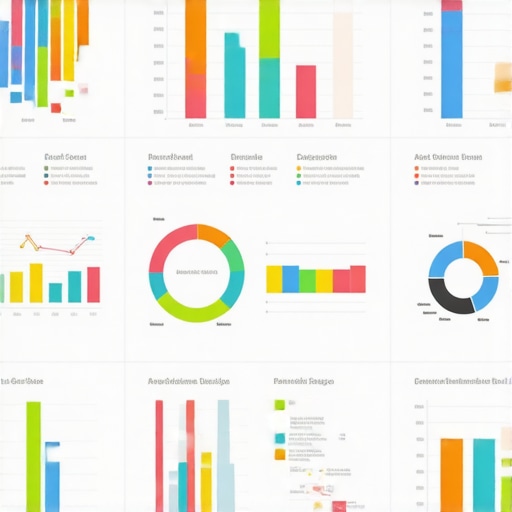
Different data demands different presentations. Rankings are best shown through heat maps or sparkle charts that underline volatility. Calls and leads may require bar graphs illustrating month-over-month changes. Remember, a cluttered pie chart can confuse. Consider employing sparklines for trend clarity or bullet charts to compare actuals versus targets. When I revamped a local store’s report, switching from complex tables to simple bar and line charts increased their understanding and trust. For practical visualization strategies, visit this resource.
Leverage Color and Design for Focus and Clarity
Colors guide the eye and emphasize importance. Use green and blue for stable metrics, red for alerts, and yellow for caution. Consistency is key; don’t switch palettes mid-report. I once used a bright orange highlight to draw attention to a sudden drop in local rankings, which prompted immediate client action. Avoid unnecessary decoration—white space and contrast help make your data pop. For more on design tricks, check out these tips.
Simplify and Contextualize Data
Chunk data into digestible sections. For each KPI, add a brief interpretation—why it matters and the next step. When I presented local SEO rank fluctuations, I included a quick note: “Notice the dips aligned with recent Google algorithm updates; adjust your strategy accordingly.” This makes the data actionable, not just numbers. Use annotations to highlight significant points and avoid overwhelming your audience with raw data. Refer to this guide for effective annotation techniques.
Test and Refine Your Visuals
Don’t settle for the first draft. Present your visuals to colleagues or test groups, gather feedback, and adjust. For example, I once thought a stacked bar confused clients until I simplified it to side-by-side bars, which improved comprehension. Use heatmaps to spot data patterns and identify what visualization communicates best. Remember, the goal is clarity, so iterate until your visuals tell a compelling story. Check out additional tactics for refining your data presentation.
Most professionals assume that mastering maps rank tracking and SEO reporting software is simply about understanding the tools and reading the data they generate. However, a subtle but critical nuance often gets overlooked: the inherent complexity and layered assumptions baked into these systems. For example, many believe that a consistent increase in local map rankings directly correlates with a surge in leads—yet, the truth is far more intricate.
The Myth of Direct Correlation: Popular wisdom suggests that higher local rankings automatically translate to higher conversions. But studies, such as those summarized by Moz’s local SEO guide, reveal that ranking signals are influenced by multiple factors—like proximity, user intent, and Google’s ever-changing algorithms—making the relationship far less straightforward than it appears. Relying solely on rank positions can mislead agencies into overestimating their impact, leading to misplaced strategies and client dissatisfaction.
Beware the Data Traps: A common yet dangerous mistake involves trusting map rank data blindly. Many tools provide granular data, but they often suffer from positional fluctuations, local proximity filters, and pseudo-rankings, which can create a false sense of stability or progress. For instance, a sudden shift in nearby businesses or Google’s algorithm updates can cause map pins to fluctuate, without reflecting changes in actual customer behavior. Overlooking these nuances can lead you to chase phantom rankings, wasting resources on metrics that don’t matter. For an advanced look at how to verify your data’s integrity, explore this guide.
Are Map Ranks Truly the Best Indicator of Local Success?
This question cuts to the core of effective SEO measurement. While ranking maps are visible and easy to track, recent innovations show that combining them with other signals—like Google Business Profile insights, website analytics, and call tracking—provides a more holistic picture. Google’s own Business Analytics platform emphasizes the importance of integrating multiple data streams to truly understand local performance.
Furthermore, a 2024 study from BrightLocal highlights that map rankings alone only account for a fraction of leads, with reviews, click-through rates, and engagement metrics playing significant roles. Thus, the reliance exclusively on map positions risks missing the full story. To avoid this trap, deepen your analysis beyond surface rankings and adopt comprehensive KPI visualization strategies, detailed in this resource.
In summary, the real expertise lies in recognizing that map ranking data is just one piece of a complex puzzle. Misinterpreting or overestimating its importance leads to advanced mistakes—like focusing on minor rank shifts or ignoring other critical signals. The key is to contextualize this data within a broader analytical framework, ensuring your efforts are aligned with actual customer behaviors and business goals. For more insights into refining your local SEO metrics, consider reaching out via our contact page.
Have you ever fallen into this trap? Let me know in the comments.
Invest in Reliable Equipment and Software
To ensure your maps rank tracking, KPI visualization, and analytics stay accurate and insightful over time, start with robust tools. I personally rely on advanced platforms like SEO reporting software that offers customizable dashboards and real-time data updates. These tools eliminate guesswork and help spot discrepancies early, saving you precious time and maintaining client trust. Remember, the quality of your tools directly impacts the accuracy and usefulness of your reports.
Automate Routine Checks for Longevity
Regular automation of health checks is critical. Set up scripts or use built-in platform features to monitor your map data accuracy and keyword rankings daily. This proactive approach catches anomalies before they escalate, especially important given the volatility of local search results. For instance, integrating Google Business Analytics with your dashboard offers continuous insights, so you aren’t caught off guard when rankings shift unexpectedly. Learn more about seamless integrations in this guide.
Plan for Scalability from the Start
As your client base grows, so should your tools and processes. Use scalable reporting software that can handle multi-channel data, combining local map rankings, review metrics, and website analytics. I recommend leveraging cloud-based solutions because they adapt seamlessly as your data volume increases. This foresight avoids costly switchovers down the line, ensuring consistent, reliable insights. Look into features like API access, bulk data processing, and customizable reporting templates—discussed comprehensively in this resource.
How do I maintain SEO data accuracy over time?
Maintaining the integrity of your data requires a disciplined approach. Regularly verify map rank accuracy using tools like precise map rank fixes and cross-reference with manual searches to catch discrepancies. Keep your software updated to benefit from the latest algorithm changes and bug fixes. Additionally, establish routine audits—weekly or monthly—to review your KPI dashboards. Implementing automated alerts for data anomalies can make these checks less burdensome yet highly effective. For further guidance, explore this detailed overview.
Where is SEO reporting headed in the future?
As search algorithms become more sophisticated, tools will increasingly integrate AI-driven insights, predictive analytics, and real-time Multi-Channel KPI tracking. Expect reporting dashboards to become more intuitive, offering actionable recommendations rather than just raw data. For example, platforms will predict local ranking fluctuations based on local competitors’ moves, allowing you to pivot strategies proactively. To stay ahead, experiment with integrating AI insights into your existing dashboards, taking advantage of emerging features in advanced platforms.
How do I keep my systems running smoothly over the long term?
Consistency is key. Establish routine maintenance schedules—reviewing data integrity, updating software, and refining your processes quarterly. Invest in scalable, cloud-based tools that adapt as your needs grow. Regularly educate yourself on new features and industry best practices; sources like this resource offer excellent ongoing insights. Don’t forget to document your procedures so your team can maintain standards even if team members change. Making a habit of these practices ensures your data remains reliable, your insights sharp, and your clients satisfied, even as the digital landscape evolves.
Lessons I Wish I Learned Sooner about Maps Ranking and Data Visualization
- One of the biggest aha moments was realizing that over-relying on default SEO tools can blind you to deeper insights. Customizing your map rank tracking visuals opened my eyes to patterns that standard reports simply couldn’t reveal, saving me countless hours and client headaches.
- Another lightbulb was understanding that data accuracy isn’t a one-off check but an ongoing process. Implementing routine verification strategies for map data helped me catch discrepancies early and maintain genuine trust with clients.
- Finally, I learned that storytelling through KPIs and visuals transforms raw data into compelling narratives. When I started contextualizing metrics—highlighting why they matter—I saw engagement, understanding, and client satisfaction soar.
My Go-To Resources for Elevating Local SEO and Data Insights
- Advanced Visualization Strategies: Explore this guide to craft visuals that make your KPI story irresistible. It’s helped me communicate complex data simply and effectively.
- Reliable SEO Software: I swear by platforms like this tool. Its real-time updates and customization options keep my reports sharp and actionable.
- Google Business Analytics Insights: Deepening my understanding through this resource allowed me to correlate rankings with actual lead generation more accurately—crucial for demonstrating ROI.
Your Next Step in Local SEO Mastery is Within Reach
Embrace the challenge of transforming your maps rank tracking and SEO reporting techniques—your clients will thank you, and your results will speak volumes. Remember, continuous learning and adaptation are the secrets to staying ahead in 2026’s competitive landscape. Don’t settle for static reports when dynamic visuals and precise data can unlock new opportunities for growth. Keep pushing forward, experimenting, and refining your approach—your success depends on it.
What’s the biggest obstacle you’ve faced when trying to improve your local SEO reporting? Share below—I’d love to hear your story!
,